Quarantined Activities (24)
Auto-generated activities are hidden from the app until you review the description, add an image, and click "Go Live".
🌊 Ripple Bowl
No image yet
🌊 Ripple Bowl
A gentle, immersive water play experience to encourage relaxation and sensory exploration.
ACTIVITY DESCRIPTION
Ripple Bowl invites individuals to explore the calming nature of water through gentle movement and light. By creating soft ripples and observing the dancing reflections, users can engage with their environment in a rhythmic, predictable, and soothing manner.
SENSORY BENEFITS
TOUCH: The gentle resistance of water provides tactile feedback that is both grounding and calming for the nervous system. HEARING: The soft splashing and dripping sounds create an auditory environment that is rhythmic and soothing. VISION: The play of light across moving water and shifting reflections provides gentle, non-overwhelming visual stimulation.
WHAT YOU'LL NEED
• Large, shallow, light-colored bowl or basin
• Warm water
• Floating objects (foam shapes, ping pong balls, or smooth stones)
• Waterproof flashlight or submersible LED light
• Soft towel
ACTIVITY IDEAS
Rhythmic Stirring: Use a large spoon to create slow, rhythmic circles in the water, allowing the participant to watch the ripples expand toward the edges of the bowl. Floating Exploration: Place small, colorful objects in the water and gently nudge them, encouraging the participant to watch them bob and drift. Light Play: Submerge a small, waterproof LED light to transform the water into a glowing, shifting pool of color. Gentle Drips: Use a sponge or dropper to create rhythmic drips, focusing on the visual impact of the expanding circular waves.
ADAPTING FOR PEOPLE WITH PROFOUND DISABILITY
• Position the bowl on a secure lap tray or height-adjustable table for optimal viewing access. • Use warm water to encourage muscle relaxation and comfort. • Physically guide their hand to gently pat the water if they require assistance with initiation. • Ensure the lighting in the room is dimmed to enhance the visual effects of the water reflections. Focus on the individual's comfort and emotional response; if they seem startled, slow the pace and allow for longer periods of passive observation.
TIPS
• Always test the water temperature before starting to ensure it is comfortably warm, never hot. • Place a waterproof mat or towel underneath the bowl to catch any spills and keep the area dry. • Keep the bowl stationary if the user is sensitive to unpredictable movement.
WHY YOU'LL LOVE THIS ACTIVITY
This activity provides a beautiful, low-pressure way to connect through the calming power of water, making it perfect for moments where a quiet, sensory-rich experience is needed.
🌸 Flower Float
No image yet
🌸 Flower Float
A gentle, calming sensory exploration of botanical elements in water.
ACTIVITY DESCRIPTION
Flower Float is a tranquil, immersive activity that invites the participant to explore the delicate textures, colors, and subtle scents of fresh flowers as they drift in a shallow basin of warm water. By engaging with floating blooms, individuals are encouraged to connect with nature through a slow-paced, soothing sensory experience that promotes relaxation and gentle interaction.
SENSORY BENEFITS
SMELL: The natural, subtle fragrance of fresh flowers like lavender or roses provides a gentle olfactory experience. TOUCH: Exploring the soft, velvety petals and cool, smooth water offers contrasting tactile feedback. VISION: The vibrant colors of petals against the water provide a high-contrast, visually stimulating, yet calming focus.
WHAT YOU'LL NEED
• A shallow, watertight tray or sensory bin. • Fresh flowers (e.g., roses, pansies, or daisies). • Warm water. • A waterproof mat for the table or floor. • A soft towel for cleanup.
ACTIVITY IDEAS
PETAL PURSUIT: Gently encourage the participant to reach out and touch the floating petals, watching them ripple across the water. WATER RHYTHM: Use a small cup to pour water over the petals, creating soft splashes that provide auditory feedback. COLOR CONTRAST: Use flowers with bright, contrasting colors to capture visual attention and encourage scanning movements. GENTLE SWIRLS: Use your hand to guide the flowers in slow, circular motions, creating a calming visual pattern on the water surface.
ADAPTING FOR PEOPLE WITH PROFOUND DISABILITY
• Use a shallow tray placed directly on the lap or a height-adjustable table for easier reach. • If grasp is limited, gently guide the person's hand to touch the water and flowers. • Offer a limited number of flowers to prevent overstimulation. • Use battery-operated lights beneath a clear bin to highlight the colors of the petals. Always observe the individual's facial expressions and body language closely to ensure they are enjoying the level of sensory input provided, adjusting the speed and intensity based on their unique responses.
TIPS
• Ensure the water temperature is comfortably warm. • Use organic flowers to ensure safety if there is any chance of mouthing. • Keep the environment quiet to enhance the calming nature of the activity.
WHY YOU'LL LOVE THIS ACTIVITY
Flower Float creates a peaceful sanctuary that connects the individual to the natural world, using simple elements to provide a rich, multi-sensory experience that is easy to customize and highly relaxing.
💧 Reflection Bowl
No image yet
💧 Reflection Bowl
A gentle, calming exploration of light, water, and movement.
ACTIVITY DESCRIPTION
The Reflection Bowl is a serene sensory experience designed to invite calm and focused attention. By placing objects inside a bowl of water and illuminating them, you create a captivating play of light and reflection that responds to every ripple or movement.
SENSORY BENEFITS
VISION: The refraction of light through water and the movement of submerged objects provide gentle, rhythmic visual stimulation. TOUCH: Feeling the temperature and texture of the water or the submerged objects offers calming tactile input. HEARING: The soft splashing and dripping sounds provide a soothing auditory background that helps anchor the user in the present moment.
WHAT YOU'LL NEED
• A wide, shallow bowl or clear plastic basin. • Distilled or clean tap water. • Battery-operated submersible LED lights. • Smooth stones, shiny marbles, or reflective floating charms. • A soft towel for spills.
ACTIVITY IDEAS
Light Play: Submerge the waterproof LED lights to make the water glow from within, changing colors to see which hues gain the most focus. Floating Treasures: Place lightweight reflective charms on the surface and use a gentle puff of air or a soft brush to make them dance across the water. Temperature Contrast: Experiment with slightly warm or cool water to provide distinct, safe temperature changes that invite the user to reach out and engage. Rippling Waves: Gently tap the side of the bowl to create rhythmic patterns, encouraging the user to track the movement of the light and ripples with their eyes.
ADAPTING FOR PEOPLE WITH PROFOUND DISABILITY
• Secure the bowl on a non-slip mat to prevent accidental spills or movement. • Bring the bowl close to the person's field of vision by placing it on a stable lap tray. • Use an automatic color-changing LED to remove the need for manual interaction if the person prefers passive observation. • If the person is non-verbal, watch for subtle cues like widened eyes, relaxed breathing, or turning toward the bowl to measure their enjoyment. Always prioritize the person's comfort, stopping if they show signs of overstimulation or disinterest.
TIPS
• Always ensure all electrical components are fully submersible and rated for water use. • Keep the water level shallow to minimize the impact of spills. • Use a dark room to maximize the intensity of the light reflections.
WHY YOU'LL LOVE THIS ACTIVITY
This activity provides a peaceful, low-pressure way to engage the senses, making it an excellent tool for regulation and sensory-based bonding in a quiet environment.
🧽 Sponge Safari
No image yet
🧽 Sponge Safari
An immersive water and texture exploration.
ACTIVITY DESCRIPTION
Sponge Safari invites participants to dive into a world of tactile discovery, exploring the unique weight, texture, and absorbency of various sponges. By engaging with both dry and water-soaked sponges, individuals can experience significant shifts in sensory input, from light and airy to heavy and saturated.
SENSORY BENEFITS
TOUCH: The varied textures, from coarse scouring pads to soft cellulose, provide rich tactile feedback for the hands and skin. PROPRIOCEPTION: Squeezing saturated sponges offers deep pressure input to the hands and forearms, aiding in body awareness and motor control. VISION: Observing the water release from a squeezed sponge creates a dynamic visual experience that tracks movement and flow.
WHAT YOU'LL NEED
• Assorted sponges of different shapes, sizes, and textures
• A shallow tray or bowl for water
• Warm water with an optional drop of non-toxic food coloring
• A soft towel for cleanup and tactile comfort
ACTIVITY IDEAS
Squeeze and Release: Guide hands to submerge a sponge and squeeze it tightly, focusing on the tactile sensation of water rushing out against the skin. Texture Rubbing: Gently glide different sponges across the palm, back of the hand, or arm to highlight the contrast between scratchy, smooth, and bumpy surfaces. Hide and Seek: Place small, smooth items inside a damp sponge and encourage the participant to pull the sponge apart to discover what is hidden inside. Pattern Painting: Dip flat sponges into thin, non-toxic paint and press them onto large sheets of paper to create simple, repetitive visual patterns.
ADAPTING FOR PEOPLE WITH PROFOUND DISABILITY
• Use soft, oversized sponges that can be easily gripped or rested against the cheek for gentle tactile input.
• Offer sponges that are pre-warmed in water to provide a soothing, temperature-regulated experience.
• Utilize adaptive wrist weights or foam grips on the sponges if the participant has limited hand strength or range of motion.
Always observe the individual's facial expressions and body language closely, adjusting the pressure and temperature of the sponges to match their unique comfort levels and sensory preferences.
TIPS
• Ensure all sponges are thoroughly cleaned and squeezed out between sessions to maintain hygiene.
• Use different water temperatures to see how the participant responds to sensory contrast.
• Keep the environment calm with low lighting to keep the focus purely on the tactile sensation of the sponges.
WHY YOU'LL LOVE THIS ACTIVITY
Sponge Safari is a simple, cost-effective way to provide deep sensory regulation and meaningful exploration, making it a versatile tool for any sensory-inclusive environment.
🪨 River Stones
No image yet
🪨 River Stones
A tactile and visual exploration of natural stone textures and cool temperatures.
ACTIVITY DESCRIPTION
River Stones invites individuals to explore the grounding weight and smooth surfaces of natural stones. This activity focuses on the quiet discovery of different shapes, sizes, and temperatures, providing a calming sensory experience that connects the user to the natural world.
SENSORY BENEFITS
TOUCH: The smooth, cool surfaces provide tactile stimulation that can be grounding and soothing for the nervous system. VISION: Comparing the variations in color, pattern, and luster of different stones offers gentle visual engagement. PROPRIOCEPTION: Holding the weight of a stone provides deep pressure input that helps improve body awareness and positioning.
WHAT YOU'LL NEED
• A selection of smooth, clean river stones or polished river rocks.
• A shallow tray or wooden bowl.
• A small pitcher of cool water.
• A soft, textured towel.
ACTIVITY IDEAS
Stone Soaking: Place the stones in a shallow tray of cool water to change their temperature and surface feel. Finger Tracing: Slowly guide the user's fingertips over the contours and edges of a large, smooth stone to encourage tactile focus. Weight Placement: Gently place a smooth stone on the palm or forearm to offer a grounding proprioceptive anchor during rest. Sorting and Gathering: If appropriate, offer the stones one by one to encourage reaching, grasping, or simply tracking the movement of the object.
ADAPTING FOR PEOPLE WITH PROFOUND DISABILITY
• Use very large, oversized stones to ensure they are safe and easy to track visually. • Use a shallow, wide tray so the stones are within easy reach for hands or feet. • Place stones on a variety of surfaces, such as a soft fleece blanket or a firm wooden table, to contrast the feeling of the rock against different textures. Always observe the person’s responses to the cooling sensation or weight of the stones, adapting the pace and pressure to match their comfort level and interest.
TIPS
• Ensure all stones are clean, smooth, and free of sharp edges. • If the person is sensitive to cold, let the stones reach room temperature before use. • Always supervise closely to ensure stones remain away from the face and mouth.
WHY YOU'LL LOVE THIS ACTIVITY
This activity is simple, requires minimal setup, and offers a timeless, meditative way to engage the senses using natural materials that provide consistent and comforting feedback.
🫧 Bubble Clouds
No image yet
🫧 BUBBLE CLOUDS
Creating ethereal, long-lasting bubbles for sensory exploration.
ACTIVITY DESCRIPTION
Bubble Clouds transforms standard bubble play into an immersive, tactile experience by creating thick, durable foam mountains that invite participants to reach out, grasp, and explore rich textures that linger on the skin.
SENSORY BENEFITS
TOUCH: The thick, dense foam provides a gentle, cooling tactile sensation as it is scooped and spread across the hands or arms. VISION: Watching the shifting, iridescent clusters of bubbles creates high-contrast visual stimulation that can be tracked as they move and collapse. PROPRIOCEPTION: Scooping and lifting the foam encourages controlled movement and awareness of the weight of the bubbles against the skin.
WHAT YOU'LL NEED
• Gentle tear-free bubble solution or liquid soap
• Water
• A shallow tray or sensory bin
• A battery-operated foam maker or handheld whisk
• Soft absorbent towels
ACTIVITY IDEAS
FOAM LAYERING: Use a handheld whisk to create a mountain of foam in a tray, then slowly push the bubbles toward the participant to initiate interaction. COLORFUL MISTS: Add a drop of food coloring to the bubble solution to create tinted foam, offering a new visual layer to the exploration. GENTLE APPLICATION: Carefully place a small scoop of foam onto the participant's palm or forearm, allowing them time to feel the bubbles popping and the cooling sensation on their skin.
ADAPTING FOR PEOPLE WITH PROFOUND DISABILITY
• Use a tray positioned on an adjustable table or lap tray to ensure the foam is within the direct line of sight. • If the individual is non-ambulatory, place the tray on a stable elevated surface where their hands can be guided or rested easily into the foam. • Monitor for changes in breathing or facial expressions to gauge comfort with the tactile input. Always prioritize the person's unique interests and sensory preferences, pausing if they show signs of overstimulation.
TIPS
• Ensure the soap used is specifically formulated for sensitive skin to avoid irritation. • Maintain a warm room temperature to keep the sensory experience comfortable throughout the session. • Keep a soft towel nearby to gently pat away excess moisture after the activity concludes.
WHY YOU'LL LOVE THIS ACTIVITY
You will love how this activity turns simple ingredients into a magical, calming landscape that encourages gentle exploration and quiet, mindful interaction for people of all ability levels.
🫧 Bubble Mountain
No image yet
🫧 Bubble Mountain
A magical, sensory-rich foam adventure.
ACTIVITY DESCRIPTION
Bubble Mountain is an immersive, tactile experience that transforms simple soap bubbles into a giant, towering landscape. This activity encourages deep engagement through the creation of light, airy textures that are safe to touch and explore, providing a soothing yet stimulating environment for those with complex needs.
SENSORY BENEFITS
TOUCH: The soft, ephemeral foam provides a gentle, non-threatening tactile input that can be soothing for those with sensory defensiveness. VISION: The shimmering, translucent quality of the bubbles creates a calming visual feast, especially when light catches the soap film. PROPRIOCEPTION: Reaching for and sweeping through the foam encourages controlled limb movement and spatial awareness.
WHAT YOU'LL NEED
• Mild, tear-free bubble solution or baby shampoo
• A large, shallow basin or sensory tray
• A hand-held electric milk frother or a straw
• Waterproof mats or towels
• Optional: food-grade glitter or unscented dyes
ACTIVITY IDEAS
Mountain Building: Use the frother to build up high peaks of foam, inviting the user to watch the mountain grow. Hand Sweeps: Encourage gentle contact by slowly guiding the user's hand through the airy foam, observing how it pops and collapses. Light Tracking: Place a small light source nearby and move it behind the foam peaks to see how the bubbles refract and change color. Sound Discovery: Gently burst small bubbles near the user’s ears to provide soft, crisp auditory input.
ADAPTING FOR PEOPLE WITH PROFOUND DISABILITY
• Position the tray directly on a lap desk or table to ensure the foam is within the person's primary line of sight. • If touch is uncomfortable, use a soft, dry cloth to gently dab the foam surface instead of direct skin contact. • Use low-frequency, calm background music to complement the visual experience of the popping bubbles. Always monitor for individual preferences and comfort; if the user signals withdrawal, adjust the volume of foam or pause the interaction to allow for self-regulation.
TIPS
• Use warm water to make the foam more comforting. • Keep a damp cloth nearby for quick clean-ups. • Ensure the surface is non-slip for safety.
WHY YOU'LL LOVE THIS ACTIVITY
You will love how Bubble Mountain turns a simple, inexpensive material into a transformative sensory world that is incredibly easy to set up, clean, and tailor to any individual's unique pace and needs.
Citrus Cloud
No image yet
🍋 Citrus Cloud
A refreshing, multisensory exploration of zest and soft textures.
📝 ACTIVITY DESCRIPTION
Citrus Cloud invites the user to experience the vibrant scent and texture of fresh citrus paired with the gentle, rhythmic motion of soft fabric. This activity is designed to awaken the olfactory and tactile senses while promoting grounding through calming physical input.
🌿 SENSORY BENEFITS
• Provides strong olfactory stimulation through natural citrus oils.
• Offers tactile input through varying textures of fruit skin and soft textiles.
• Encourages focus and engagement through sensory-rich, calming interaction.
🧰 WHAT YOU'LL NEED
• Fresh oranges, lemons, or limes.
• A soft muslin or microfiber cloth.
• A shallow tray or sensory bowl.
• Optional: A soft sensory brush.
▶️ HOW TO RUN THIS ACTIVITY
• Begin by washing the fruit to ensure the skin is clean and safe for contact.
• Gently squeeze the fruit near the user’s nose to release the essential oils, allowing them to take in the scent.
• Use the soft cloth to lightly brush the textured surface of the citrus against the user’s palm or forearm.
• Observe the user’s reaction and adjust the pressure or proximity of the scent accordingly.
♿ WHEELCHAIR & SEATED ADAPTATIONS
• Place the bowl directly on the user’s lap tray for easy reach.
• If seated in a reclined position, hold the fruit slightly above the user to allow the scent to drift downward.
• Secure the cloth to a support arm to allow for independent exploration if motor skills permit.
⚠️ SAFETY CONSIDERATIONS
• Check for any allergies to citrus fruits or essential oils before beginning.
• Ensure fruit is not placed in the mouth to prevent choking hazards.
• Watch for signs of sensory overload, such as turning away or pulling back.
💡 ACTIVITY IDEAS
• Use chilled fruit for a refreshing, temperature-based contrast.
• Slice the fruit to increase the intensity of the citrus scent.
• Roll the whole fruit gently along the user’s shoulders or back for firm pressure.
• Incorporate a soft sensory mitt to wipe the skin with the citrus juice.
📊 GRADED INPUT LEVELS
🌱 VERY GENTLE INPUT
• Keep the fruit whole to maintain a subtle, non-overwhelming scent.
• Use a thick, soft cloth as a barrier between the fruit and skin.
• Provide long, slow, rhythmic strokes to promote relaxation.
🌿 MODERATE INPUT
• Score the peel slightly to release a fresher, more noticeable aroma.
• Use a thinner cloth or direct, gentle contact with the peel texture.
• Vary the speed of the strokes to match the user’s alertness.
🌳 STRONG INPUT
• Squeeze fresh juice onto the cloth for a potent, vibrant olfactory experience.
• Apply slightly firmer pressure when rolling the fruit across the palms or arms.
• Use multiple types of citrus simultaneously to create a complex scent profile.
🧠 SUPPORT TIPS
• Always offer a 'scent check' by holding the fruit at a distance first.
• Follow the user’s lead; if they pull away, offer a break and try a different sensory experience.
• Use a calm, low voice to narrate the sensations being experienced.
❤️ WHY YOU'LL LOVE THIS ACTIVITY
Citrus Cloud is a beautifully simple, budget-friendly way to brighten the atmosphere and provide immediate sensory regulation. Its combination of calming, natural scents and gentle tactile input makes it a perfect tool for de-escalation or sensory transitions.
Mystery Box
No image yet
📦 MYSTERY BOX
Explore tactile sensations and anticipate surprises through hidden objects.
📝 ACTIVITY DESCRIPTION
• The Mystery Box activity is an engaging exploration task where participants reach into a container to identify hidden objects by touch alone. It encourages curiosity, helps build tactile discrimination, and offers a fun way to practice focus and engagement.
• By hiding everyday items inside a darkened box or opaque bag, you provide a safe environment for sensory exploration that avoids visual overwhelm, allowing the individual to focus entirely on the physical feedback of the textures.
🌿 SENSORY BENEFITS
• Enhances tactile processing and discrimination.
• Promotes focus, attention, and sensory anticipation.
• Develops hand-eye coordination if the object is retrieved and inspected visually.
• Encourages fine motor exploration through grasping and manipulating textures.
🧰 WHAT YOU'LL NEED
• A sturdy box with a hand-sized hole or a thick opaque fabric bag.
• A variety of objects with distinct textures (e.g., velvet, wood, metal, soft fur, textured rubber).
• A soft mat or table surface for displaying found items.
▶️ HOW TO RUN THIS ACTIVITY
• Place the mystery items inside the box or bag while the participant is watching to establish trust.
• Position the box at an accessible height and invite the participant to reach inside one hand at a time.
• Encourage them to describe what they feel or guess what the object might be before pulling it out.
• Once the object is revealed, allow time for the participant to hold, feel, or look at the item to reinforce the sensory connection.
♿ WHEELCHAIR & SEATED ADAPTATIONS
• Secure the box to the tray of a wheelchair or a lap desk using non-slip matting to ensure it remains stable during exploration.
• Adjust the angle of the box so the opening faces the participant directly, minimizing the range of motion required to reach inside.
• If reaching is difficult, bring the mystery box to the participant and gently guide their hand to the opening or place the object in their palm.
⚠️ SAFETY CONSIDERATIONS
• Ensure all objects used are safe for mouthing, as participants may naturally explore items with their mouths.
• Avoid sharp or small items that pose a choking hazard.
• Monitor for signs of sensory defensiveness; if the participant pulls away, offer a less stimulating texture or pause.
💡 ACTIVITY IDEAS
• Theme your boxes: use nature items, kitchen tools, or seasonal decorations.
• Use scented items like cinnamon sticks or dried herbs to add an olfactory layer.
• Place cold or warm objects inside to introduce thermal sensation.
• Hide matching pairs in two separate boxes for a tactile memory game.
📊 GRADED INPUT LEVELS
🌱 VERY GENTLE INPUT
• Use soft, familiar fabrics (cotton, silk) inside the box.
• Keep the opening large so the hand does not feel constricted.
• Limit the box to only one or two items to reduce complexity.
🌿 MODERATE INPUT
• Use a mix of smooth and slightly textured surfaces (wood, plastic, foam).
• Encourage identifying two different objects in one session.
• Introduce a light vibration or auditory chime when an item is touched.
🌳 STRONG INPUT
• Use high-contrast textures like rough sandpaper, heavy metal, or dense prickly materials.
• Challenge the participant to identify items by touch without pulling them out of the box.
• Use items with complex shapes or varying temperatures to maximize sensory feedback.
🧠 SUPPORT TIPS
• Always follow the participant's pace; never force a hand into the box.
• Use the participant's preferred communication style to ask what they feel.
• Offer verbal cues or gentle physical prompts if the participant seems hesitant.
• Praise the effort of exploring rather than the accuracy of identifying the object.
❤️ WHY YOU'LL LOVE THIS ACTIVITY
• This activity is a fantastic, low-cost way to spark joy and curiosity, turning a simple tactile exercise into a meaningful game that honors the individual's unique sensory preferences and communication style.
Mystery Texture Trail
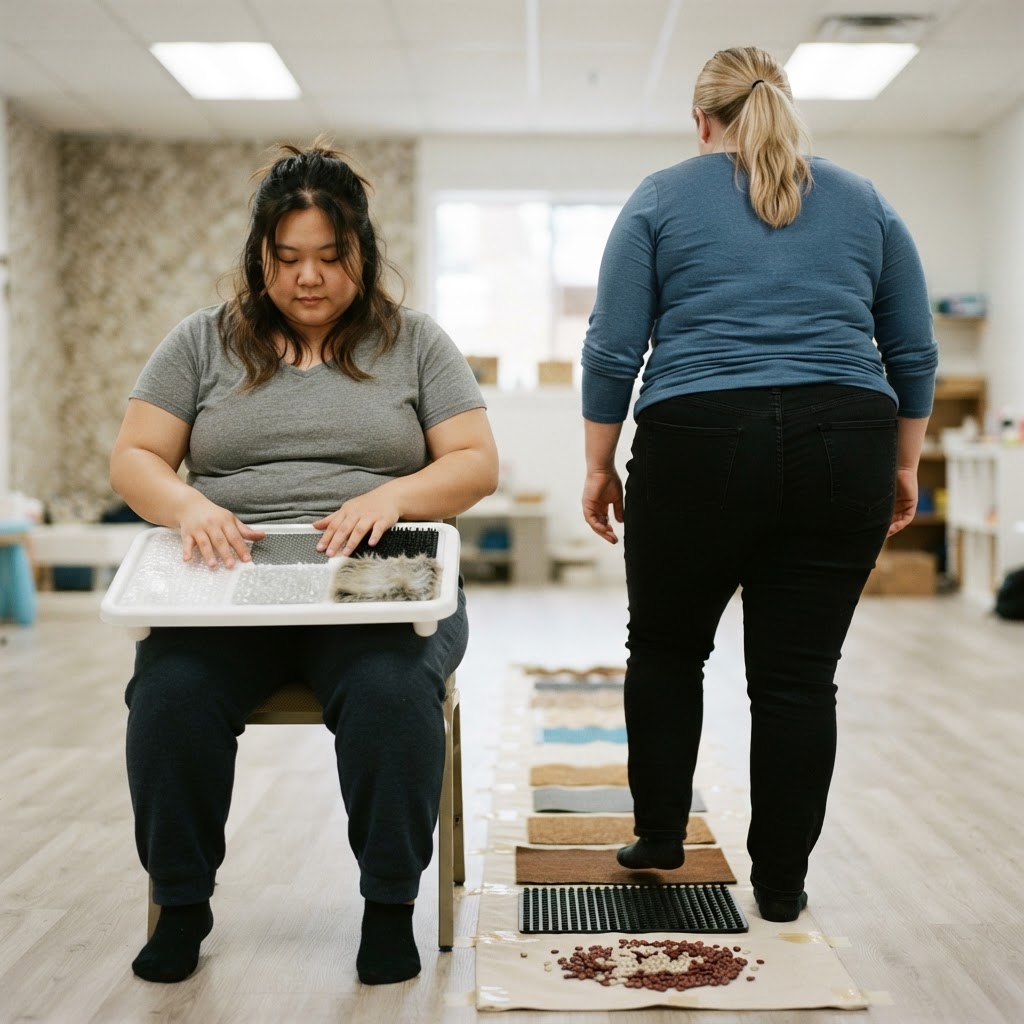
🔍 Mystery Texture Trail
An engaging exploration of touch through a varied sensory path.
📝 ACTIVITY DESCRIPTION
• This activity involves creating a tactile journey using a variety of materials with different surface qualities. It encourages the individual to explore their environment and respond to novel sensory inputs through their hands, feet, or body.
• By engaging with diverse textures, the participant can increase their sensory awareness and build tolerance to different physical sensations in a controlled, safe manner.
🌿 SENSORY BENEFITS
• Increases tactile discrimination and processing skills.
• Provides calming proprioceptive input through weight-bearing contact.
• Promotes exploration and engagement with the immediate environment.
• Supports sensory regulation by offering predictable, repeated inputs.
🧰 WHAT YOU'LL NEED
• A selection of textured items: bubble wrap, soft faux fur, smooth silk, coarse sandpaper, or dried beans in a tray.
• A long piece of fabric or sturdy cardboard as a base.
• Tape to secure materials to the floor.
▶️ HOW TO RUN THIS ACTIVITY
• Select 3-5 different textures and secure them to the base in a sequence.
• Support the individual as they approach the start of the trail.
• Allow them to initiate contact at their own pace using hands or feet.
• Narrate the experience using descriptive language like 'soft', 'bumpy', or 'cool'.
• Observe their reactions and offer encouragement to continue to the next texture.
♿ WHEELCHAIR & SEATED ADAPTATIONS
• Place textures on a lap tray or a tabletop for easy access while seated.
• Mount textures onto small boards or frames that can be held by the individual.
• Drape textured fabrics over the armrests of the wheelchair for constant access.
⚠️ SAFETY CONSIDERATIONS
• Ensure all materials are securely fastened to prevent tripping or shifting.
• Avoid sharp or abrasive items that could cause skin irritation or cuts.
• Monitor for signs of sensory overwhelm or withdrawal.
• Ensure the area is clear of other hazards to prevent falls.
💡 ACTIVITY IDEAS
• Create a 'temperature trail' using cool metal versus warm fleece.
• Incorporate sound-making materials like crinkly paper.
• Use sticky or adhesive surfaces like felt-backed velcro for resistance.
• Arrange textures in a circular 'sensory station' format.
📊 GRADED INPUT LEVELS
🌱 VERY GENTLE INPUT
• Use only soft, familiar materials like fleece or velvet.
• Offer touch on hands only, avoiding full-body pressure.
• Provide long breaks between each texture transition.
🌿 MODERATE INPUT
• Mix soft textures with slightly bumpy surfaces like a rubber mat.
• Encourage alternating between hand and foot exploration.
• Increase the pace of movement across the trail.
🌳 STRONG INPUT
• Include firmer, more resistant materials like stiff brushes or heavy stones.
• Encourage full-weight bearing by walking or crawling across the textures.
• Use highly contrasting temperatures to provide intense, stimulating feedback.
🧠 SUPPORT TIPS
• Always follow the participant's lead; do not force contact with a texture they avoid.
• Provide choices by offering two textures and letting them pick which one to touch first.
• Use a slow, calm pace to encourage exploration rather than rushing.
• Celebrate small engagement gestures like a gaze shift or a finger twitch.
❤️ WHY YOU'LL LOVE THIS ACTIVITY
• This activity is highly customizable, portable, and provides a simple way to foster communication and connection through shared sensory play.
Nature Basket
No image yet
🧺 Nature Basket
A tactile and olfactory exploration of natural textures.
📝 ACTIVITY DESCRIPTION
• The Nature Basket invites the participant to explore a collection of natural, tactile items. This activity encourages sensory curiosity and grounding through engagement with diverse textures and scents found in the outdoors.
🌿 SENSORY BENEFITS
• Enhances tactile discrimination by exploring smooth, rough, soft, and prickly surfaces. • Provides olfactory stimulation through natural scents like pine, dried lavender, or earth. • Promotes grounding and regulation through the calming, predictable nature of organic materials.
🧰 WHAT YOU'LL NEED
• A sturdy woven basket. • Assorted natural items: pinecones, smooth river stones, dried leaves, soft moss, or driftwood. • Optional: fragrant herbs like rosemary or dried lavender. • A tray for easy cleanup.
▶️ HOW TO RUN THIS ACTIVITY
• Place the basket on a stable table or the participant's lap tray. • Gently guide the participant's hand to touch an item, describing its texture using simple, descriptive language. • Allow ample time for the participant to respond to each texture. • Observe for signs of interest or withdrawal, adjusting the selection based on their reactions.
♿ WHEELCHAIR & SEATED ADAPTATIONS
• Secure the basket directly onto a lap tray or use a non-slip mat to prevent it from sliding. • Position the basket at eye level or within easy reach to accommodate limited range of motion. • If the participant has increased muscle tone, place items individually on a flat surface rather than inside a deep basket.
⚠️ SAFETY CONSIDERATIONS
• Ensure all items are non-toxic, clean, and free of sharp edges that could pierce or scratch. • Supervise closely to prevent mouthing or choking on small natural debris. • Check for known allergies to specific plants, pollens, or essential oils before introducing.
💡 ACTIVITY IDEAS
• Create a 'scented' basket using aromatic woods and dried flowers. • Sort items by category: hard vs. soft, or smooth vs. rough. • Use large, oversized items like pumpkins or large smooth gourds for visual focus. • Incorporate a 'hidden' treasure hunt where the participant searches for a specific object buried under leaves.
🌱 VERY GENTLE INPUT
• Offer only one or two items with very soft textures like moss or silk-like petals. • Hold the items near the participant’s hands without requiring active reaching. • Maintain a quiet environment with minimal distractions.
🌿 MODERATE INPUT
• Present a mix of textures such as pinecones and smooth stones. • Encourage the participant to grasp and release items. • Integrate descriptive verbal cues like 'smooth' or 'scratchy'.
🌳 STRONG INPUT
• Introduce items with more intense tactile profiles like rough tree bark or heavy river rocks. • Encourage deep pressure by pressing items firmly into the palm of the hand. • Use a larger quantity of items to allow for more robust manipulation and exploration.
🧠 SUPPORT TIPS
• Follow the person's lead; if they pull away from a texture, honor their preference immediately. • Provide extra wait time for the person to process the sensory input before moving to the next item. • Offer choice by presenting two items and watching which one they reach toward or gaze at.
❤️ WHY YOU'LL LOVE THIS ACTIVITY
• You will love Nature Basket for its simplicity and the way it brings the calming, grounding elements of the outdoors into any indoor space, offering a peaceful way to connect and regulate.
Ocean Bowl
No image yet
🌊 Ocean Bowl
Immersive, multi-sensory water exploration
📝 ACTIVITY DESCRIPTION
Ocean Bowl transforms a simple container into a deep-sea sensory experience, focusing on tactile exploration and visual tracking through water and submerged textures.
• It is designed to soothe the nervous system through the rhythmic, calming properties of water and gentle tactile feedback.
🌿 SENSORY BENEFITS
• Tactile: Exploration of temperature and submerged textures.
• Visual: Tracking movement of light and floating objects.
• Proprioceptive: Controlled arm movements and depth perception.
• Auditory: Rhythmic splashing and movement sounds.
🧰 WHAT YOU'LL NEED
• A wide, sturdy shallow bin or bowl.
• Warm water.
• Floating items (sponges, plastic sea creatures, rubber ducks).
• Submersible LED lights (optional).
• Towels for spill management.
▶️ HOW TO RUN THIS ACTIVITY
• Place the bowl on a secure table or stable surface within comfortable reach.
• Fill the bowl with warm water and gently place the objects inside.
• Sit alongside the participant and begin by slowly running your hands through the water to demonstrate the activity.
• Encourage the person to reach in at their own pace, observing their reaction to the texture and temperature.
♿ WHEELCHAIR & SEATED ADAPTATIONS
• Place the bowl on a lap tray or a height-adjustable table positioned at elbow level.
• Use a non-slip mat under the bowl to prevent sliding.
• For individuals with limited reach, move the bowl closer or use a larger, shallower tray.
⚠️ SAFETY CONSIDERATIONS
• Monitor water temperature closely to ensure it is comfortably warm, never hot.
• Always supervise to prevent splashing into eyes or accidental ingestion of items.
• Ensure all materials are large enough to avoid choking hazards.
💡 ACTIVITY IDEAS
• Add a drop of blue food coloring for visual interest.
• Introduce bubble bath for a foamy, multi-textured layer.
• Place smooth stones at the bottom for varied tactile input.
• Use warm-scented essential oils like lavender for an olfactory layer.
📊 GRADED INPUT LEVELS
🌱 VERY GENTLE INPUT
• Use just warm water without objects.
• Keep the water level shallow.
• Support the person's hand with yours for comfort.
🌿 MODERATE INPUT
• Add one or two large, soft floating sponges.
• Introduce soft, rhythmic splashing movements.
• Use a single color-changing LED light.
🌳 STRONG INPUT
• Use varied textures like scrubby sponges and smooth plastic.
• Increase the volume of water for greater resistance.
• Add multiple light sources and varied sizes of floating items.
🧠 SUPPORT TIPS
• Follow the person's lead; if they pull away, stop and observe for signs of over-stimulation.
• Offer sensory choices by presenting different objects and waiting for a gaze or touch.
• Keep the pacing slow and rhythmic to promote relaxation.
❤️ WHY YOU'LL LOVE THIS ACTIVITY
• You will love how quickly Ocean Bowl can shift the atmosphere of a room, providing a quiet, restorative space that invites curiosity and deep, regulated engagement for people of all abilities.
Prism Adventure
No image yet
🌈 Prism Adventure
Explore light, color, and reflection through a multisensory visual journey.
📝 ACTIVITY DESCRIPTION
Prism Adventure transforms a quiet room into a captivating landscape of rainbows and dancing light. By using prisms and reflective surfaces to manipulate natural or artificial light, we provide a rich visual experience that promotes engagement and calm focus.
This activity encourages visual tracking and spatial awareness, helping the individual process light stimuli in a gentle, non-threatening way.
🌿 SENSORY BENEFITS
• Encourages smooth visual tracking and gaze shifting.
• Promotes visual alertness and sustained attention.
• Supports emotional regulation through calming, rhythmic light movement.
• Provides a low-arousal environment to reduce sensory overload.
🧰 WHAT YOU'LL NEED
• Glass or acrylic light prisms.
• LED light source or strong flashlight.
• Small mirrors or metallic surfaces.
• White backdrop or plain wall.
▶️ HOW TO RUN THIS ACTIVITY
• Position the participant in a comfortable, reclined, or seated position facing a plain white wall.
• Darken the room to enhance the visibility of the light projections.
• Hold the prism in front of the light source and slowly rotate it to project rainbows onto the wall or ceiling.
• Move the light source or prism slowly to encourage the participant to follow the movement with their eyes.
• Use mirrors to catch light reflections and project them into the peripheral field to engage awareness.
♿ WHEELCHAIR & SEATED ADAPTATIONS
• Secure the prism to a flexible mount or gooseneck stand attached to the wheelchair tray for hands-free engagement.
• Use a handheld mirror to reflect the light onto the tray surface if the participant prefers to look downward.
• Ensure the light source is positioned at eye level or slightly above to prevent neck strain during the activity.
⚠️ SAFETY CONSIDERATIONS
• Avoid shining bright light sources directly into the participant’s eyes.
• Monitor for signs of visual fatigue, such as excessive blinking, eye rubbing, or turning away.
• Ensure all glass prisms are handled carefully to prevent breakage.
💡 ACTIVITY IDEAS
• Combine with soft, instrumental music to add an auditory layer.
• Place the prism on a rotating music box for automated, rhythmic movement.
• Use colored gels over the flashlight to change the hue of the projected light.
• Project light through a transparent tray of water to create a rippling effect.
• Use a fiber optic strand to 'catch' the prism light and bring it closer to the user.
📊 GRADED INPUT LEVELS
🌱 VERY GENTLE INPUT
• Use a dim, soft light source.
• Keep reflections stationary on the wall.
• Project light only in the peripheral field of vision.
🌿 MODERATE INPUT
• Use a standard flashlight.
• Move light in slow, predictable patterns across the wall.
• Introduce a single color variation.
🌳 STRONG INPUT
• Use a bright, focused LED light.
• Create rapid, dancing light movements.
• Use multiple prisms to create complex, overlapping rainbow patterns.
🧠 SUPPORT TIPS
• Follow the individual's gaze; if they look away, pause the light movement.
• Offer choices between different colored gels or light intensities.
• Keep your movements slow and deliberate to allow for processing time.
• Watch for non-verbal cues like widened eyes or a relaxed jaw to gauge positive engagement.
❤️ WHY YOU'LL LOVE THIS ACTIVITY
Prism Adventure is a beautiful, low-impact way to create a magical atmosphere. It offers a wonderful opportunity to connect with the individual through shared focus, turning a simple light reflection into a moment of shared wonder and tranquility.
Rainbow Ribbon Dance
No image yet
🌈 Rainbow Ribbon Dance
Engaging movement exploration with flowing visual and tactile ribbons.
📝 ACTIVITY DESCRIPTION
The Rainbow Ribbon Dance is a rhythmic sensory experience that combines gentle movement with the mesmerizing visual tracking of colorful ribbons. It encourages active engagement, visual focus, and rhythmic body awareness through simple, fluid motion.
🌿 SENSORY BENEFITS
• Improves visual tracking and ocular motor control.
• Provides soothing tactile input through light fabrics.
• Encourages vestibular engagement through rhythmic swaying.
• Promotes body awareness and motor planning.
🧰 WHAT YOU'LL NEED
• Lightweight fabric ribbons or streamers (various colors).
• A handheld wand or small hoop to attach ribbons.
• Calming or rhythmic background music.
▶️ HOW TO RUN THIS ACTIVITY
• Secure the ribbons firmly to the wand or hoop.
• Gently move the wand to create flowing patterns in the air within the person's field of vision.
• Encourage the person to watch the ribbons as they move, adjusting speed based on their engagement.
• Use rhythmic, repetitive motions to help the person predict the flow and stay regulated.
♿ WHEELCHAIR & SEATED ADAPTATIONS
• Secure the ribbons to a wheelchair tray or mount them on a mobile arm for hands-free tracking.
• Support the person's hand to help them wave the wand if they have limited grasp.
• Use large, slow arcs of movement to keep ribbons visible without requiring excessive neck turning.
⚠️ SAFETY CONSIDERATIONS
• Ensure ribbons are securely fastened to prevent choking hazards.
• Avoid waving ribbons directly into the person's eyes or face if they are sensitive to touch.
• Monitor for signs of overstimulation, such as turning away or increased agitation.
💡 ACTIVITY IDEAS
• Pair the movement with matching colored lights for a multi-sensory environment.
• Play 'follow the leader' by mirroring the person's own body movements with the ribbons.
• Explore different ribbon textures like silk versus satin to change the tactile experience.
• Create 'wind' by moving the ribbons close enough to feel the light breeze against the skin.
📊 GRADED INPUT LEVELS
🌱 VERY GENTLE INPUT
• Use a single, soft-toned ribbon.
• Move the ribbon slowly in small, steady circles.
• Maintain a consistent, quiet pace without music.
🌿 MODERATE INPUT
• Use two or three bright-colored ribbons.
• Introduce rhythmic music with a clear beat.
• Incorporate larger, sweeping arcs across the midline.
🌳 STRONG INPUT
• Use a full rainbow of multiple textures and weights.
• Pair with fast-tempo or dynamic instrumental music.
• Encourage vigorous, expressive waving to stimulate large motor movement.
🧠 SUPPORT TIPS
• Always check in with the person to ensure they enjoy the movement before increasing intensity.
• Follow their pace; if they stop moving, allow the ribbons to come to a rest before re-engaging.
• Offer choices between different ribbon colors to encourage communication and autonomy.
❤️ WHY YOU'LL LOVE THIS ACTIVITY
This activity is a beautiful way to brighten any session, offering a versatile and non-intrusive way to connect through movement, color, and rhythm that leaves everyone feeling uplifted.
Rainmaker Station
No image yet
🌧️ RAINMAKER STATION
A calming auditory and tactile exploration of rhythmic sound.
📝 ACTIVITY DESCRIPTION
The Rainmaker Station uses specialized tubes filled with beads to simulate the soothing, rhythmic sound of falling rain. By tilting or rotating these instruments, participants can influence the tempo and intensity of the sound, promoting focused engagement and auditory grounding.
🌿 SENSORY BENEFITS
• Provides soothing, predictable auditory input for calming and regulation.
• Encourages slow, rhythmic physical movements for motor planning.
• Offers tactile feedback through gentle vibrations felt in the hands.
🧰 WHAT YOU'LL NEED
• Rainmaker instrument (various lengths/sizes).
• A soft surface or table tray for resting the instrument.
• Lightweight fabric or scarf for covering (optional).
▶️ HOW TO RUN THIS ACTIVITY
• Support the participant in a comfortable, upright, or semi-reclined position.
• Place the rainmaker in the participant's hands or in a mount/tray in front of them.
• Gently guide their hands to tilt the tube at a slow, controlled angle.
• Pause to observe the participant's response to the sound and wait for their cue to continue.
♿ WHEELCHAIR & SEATED ADAPTATIONS
• Use a lap tray or adjustable arm mount to position the rainmaker at eye level or hand reach.
• Mount a horizontal rainmaker across the armrests so it can be nudged or patted.
• Use a soft cushion on the lap to stabilize the instrument during movement.
⚠️ SAFETY CONSIDERATIONS
• Ensure the rainmaker is securely sealed to prevent beads from becoming a choking hazard.
• Monitor for signs of overstimulation if the sound volume is too high or rapid.
• Keep the instrument clear of the face to avoid accidental impact.
💡 ACTIVITY IDEAS
• Slow rhythmic tilting accompanied by soft humming or singing.
• Varying the surface material the instrument rests on to change the vibration feedback.
• Using two rainmakers simultaneously for a surround-sound effect.
• Rotating the rainmaker horizontally versus vertically to observe sound changes.
🌱 VERY GENTLE INPUT
• Place the instrument nearby to allow the participant to hear the sound without direct touch.
• Tilt at a very shallow angle to create a whisper-soft trickle.
• Use a short, lightweight rainmaker that requires minimal effort.
🌿 MODERATE INPUT
• Encourage consistent back-and-forth tilting motions.
• Incorporate a musical beat or rhythmic pulse to the tilts.
• Use a medium-sized rainmaker for a more sustained sound duration.
🌳 STRONG INPUT
• Rapidly rotate the rainmaker to create a heavy downpour effect.
• Combine with tactile vibration boards or floor shakers.
• Use long, heavy-duty rainmakers that require more force to maneuver.
🧠 SUPPORT TIPS
• Follow the participant's preferred pace; allow them to set the tempo of the rain.
• Use hand-under-hand guidance to model the movement without taking over.
• Offer choice by presenting two different sized rainmakers to see which sound they prefer.
❤️ WHY YOU'LL LOVE THIS ACTIVITY
You will love how this activity uses simple, repetitive sound to turn any space into a peaceful sensory retreat, allowing the person you support to feel empowered by the direct impact their movement has on their environment.
River Stones
No image yet
🪨 River Stones
Tactile and proprioceptive stepping experience
📝 ACTIVITY DESCRIPTION
River Stones involves navigating a path of textured, uneven surfaces designed to mimic the tactile variety of a rocky stream bed. This activity invites exploration of balance, weight-bearing, and sensory discrimination through the feet or hands.
🌿 SENSORY BENEFITS
• Enhances tactile discrimination by providing varied textures to the skin.
• Promotes proprioceptive input through joint compression during weight-bearing.
• Encourages vestibular engagement through balance challenges on uneven surfaces.
🧰 WHAT YOU'LL NEED
• Set of plastic or silicone River Stones (stepping stones of varying heights and slopes).
• Non-slip matting.
• Support bars or a stable handrail.
▶️ HOW TO RUN THIS ACTIVITY
• Place the stones on a non-slip surface, creating a path with varying distances between them.
• Provide physical support to the participant's trunk or hands if needed for balance.
• Encourage the participant to step or place their hands on each stone, noting the change in height and angle.
• Allow for slow, intentional exploration of each texture and slope.
♿ WHEELCHAIR & SEATED ADAPTATIONS
• Place stones on a low table or lap tray for tactile exploration with hands.
• Have the participant place their feet on the stones while seated for sensory feedback during transition times.
• Use individual stones as footrests to encourage weight shifting while sitting.
⚠️ SAFETY CONSIDERATIONS
• Always ensure stones are placed on a non-slip mat to prevent sliding.
• Provide constant physical supervision to prevent falls.
• Check that stones are appropriately spaced for the participant's range of motion.
💡 ACTIVITY IDEAS
• Create a sensory 'forest floor' by mixing stones with moss mats or textured carpet squares.
• Hide small objects between the stones for a visual scanning and reaching game.
• Use colored stones to encourage visual tracking and color matching.
• Introduce gentle music and encourage stepping in rhythm.
📊 GRADED INPUT LEVELS
🌱 VERY GENTLE INPUT
• Use only one or two stones on a flat surface.
• Focus on hand-touch exploration while sitting.
• Use stones with the lowest heights and softest textures.
🌿 MODERATE INPUT
• Create a short path of 3-4 stones with varying heights.
• Encourage alternating foot placement with hand-held support.
🌳 STRONG INPUT
• Create a long, winding path with varied slopes.
• Encourage dynamic weight shifting and balancing on single stones.
🧠 SUPPORT TIPS
• Always follow the participant's lead regarding the pace of exploration.
• Offer choice by allowing the participant to select which stone to touch next.
• Provide verbal feedback about the textures, e.g., 'bumpy' or 'smooth'.
❤️ WHY YOU'LL LOVE THIS ACTIVITY
River Stones is a wonderfully versatile activity that bridges the gap between active movement and quiet tactile exploration, making it perfect for supporting regulation throughout the day.
Silk Journey
No image yet
✨ SILK JOURNEY
A flowing, tactile experience using lightweight fabrics to promote calm.
📝 ACTIVITY DESCRIPTION
• Silk Journey is a rhythmic, gentle sensory experience designed to soothe the nervous system through the light, airy touch of silk scarves across the skin. This activity encourages relaxation and body awareness in a low-pressure, calming environment.
🌿 SENSORY BENEFITS
• Provides gentle tactile input to calm the nervous system.
• Encourages visual tracking of flowing movements.
• Promotes body awareness through light rhythmic touch.
🧰 WHAT YOU'LL NEED
• Lightweight silk scarves or fabric swatches.
• Calming instrumental music.
• Soft floor mat or supportive seating.
▶️ HOW TO RUN THIS ACTIVITY
• Position yourself comfortably near the participant.
• Slowly drape and glide the silk scarves over the participant's arms, legs, or face.
• Pause frequently to observe the person's reaction and breath rate.
• Follow the natural rhythm of their breathing with the movement of the fabric.
♿ WHEELCHAIR & SEATED ADAPTATIONS
• Drape silk across the lap or tray table for easy access.
• Gently move the silk from behind the chair so it cascades over the shoulders.
• Anchor scarves to the wheelchair headrest for controlled, gentle swaying.
⚠️ SAFETY CONSIDERATIONS
• Always ensure fabrics are breathable and not wrapped tightly around the neck or limbs.
• Monitor for signs of tactile defensiveness or over-stimulation.
• Keep fabric away from eyes if the participant shows sensitivity.
💡 ACTIVITY IDEAS
• Try using scarves of different colors to see if visual tracking improves.
• Introduce a gentle breeze using a small hand fan to move the fabric.
• Use different textures alongside silk to provide contrast.
• Play sounds of flowing water or wind during the movement.
📊 GRADED INPUT LEVELS
🌱 VERY GENTLE INPUT
• Use a single, very thin scarf.
• Move fabric only in one small area, such as the hand.
• Maintain a slow, constant, non-rhythmic pace.
🌿 MODERATE INPUT
• Use two scarves for a rhythmic, cross-body pattern.
• Vary the speed of the gliding movement.
• Cover larger surface areas like the full arm or leg.
🌳 STRONG INPUT
• Use multiple layered scarves for increased weight and texture.
• Combine gliding with rhythmic light taps.
• Use scarves to create a 'swaddling' sensation around the shoulders.
🧠 SUPPORT TIPS
• Follow the participant's lead; if they pull away, pause immediately.
• Offer choices between different colored fabrics to build agency.
• Observe facial expressions as your primary indicator for enjoyment.
❤️ WHY YOU'LL LOVE THIS ACTIVITY
• You will love Silk Journey because it is a portable, low-cost intervention that bridges the gap between relaxation and active sensory engagement, creating a beautiful moment of connection between you and the person you support.
Soft Things Collection
No image yet
☁️ Soft Things Collection
A calming exploration of diverse textures and gentle tactile feedback.
📝 ACTIVITY DESCRIPTION
Soft Things Collection invites the participant to engage with a variety of plush, fuzzy, and silken materials. This activity focuses on tactile exploration, helping to soothe the nervous system through predictable, comforting sensory input.
🌿 SENSORY BENEFITS
• Provides calming tactile feedback to the hands and face.
• Supports sensory modulation by introducing varied but safe surface textures.
• Encourages focused attention through gentle sensory engagement.
• Promotes positive emotional regulation and stress reduction.
🧰 WHAT YOU'LL NEED
• Selection of soft items: velvet fabric, faux fur, silk scarves, wool blankets, or plush cushions.
• A soft basket or tray for organization.
• Clean, sanitized hands or light gloves if preferred for hygiene.
▶️ HOW TO RUN THIS ACTIVITY
• Gather the participant in a comfortable, quiet seated position.
• Present one item at a time slowly, allowing the participant to observe the texture first.
• Gently move the material against the participant's palms, forearms, or cheeks if they indicate comfort.
• Observe their reaction; offer more of the textures that seem to elicit relaxation or interest.
♿ WHEELCHAIR & SEATED ADAPTATIONS
• Drape the softest fabrics over the participant's lap or wheelchair tray for easy reach.
• Place items on a pillow on the lap for accessible, stable tactile interaction.
• Use a lap tray to provide a consistent surface for exploring the items.
⚠️ SAFETY CONSIDERATIONS
• Monitor closely for any signs of sensory over-stimulation or aversion.
• Ensure all fabrics are free of loose threads or small buttons that could be a choking hazard.
• Ensure items are clean and allergen-free for the participant.
💡 ACTIVITY IDEAS
• Contrast a very smooth silk scarf with a very bumpy or fuzzy woolen item.
• Use a "slow-motion" discovery approach, letting the material slide slowly over their skin.
• Incorporate soft music to heighten the relaxing atmosphere.
• Practice sorting items by texture if the participant shows cognitive engagement.
📊 GRADED INPUT LEVELS
🌱 VERY GENTLE INPUT
• Use only one familiar, soft item for the entire session.
• Maintain a static hold, simply letting the fabric rest against the skin.
• Keep the environment completely silent to minimize distractions.
🌿 MODERATE INPUT
• Introduce two different textures and alternate between them.
• Use slow, rhythmic stroking motions across the arms or hands.
• Allow the participant to reach out and touch the items themselves.
🌳 STRONG INPUT
• Combine multiple textures in a "sensory pile" for the participant to burrow into.
• Use firmer, pressure-based rubbing motions with thicker fabrics like wool or dense velvet.
• Encourage full-hand exploration or pressing items against the face.
🧠 SUPPORT TIPS
• Always wait for the participant to initiate contact or show a positive engagement signal before introducing the next texture.
• Keep the pacing slow; if the person appears to tire, end the session peacefully.
• Observe facial expressions closely to gauge comfort levels with specific textures.
❤️ WHY YOU'LL LOVE THIS ACTIVITY
This activity is a beautiful way to foster trust and connection through quiet, mindful interaction. You will love seeing the participant find comfort and stillness while exploring the gentle world of soft textures.
Touch Experiences
No image yet
✨ TOUCH EXPERIENCES
Exploring diverse textures to foster sensory awareness and tactile exploration.
📝 ACTIVITY DESCRIPTION
Touch Experiences invites individuals to engage with a variety of surfaces and materials to promote tactile discovery. By offering a curated range of sensory inputs, we help support connection to the environment and enhance body awareness through the skin.
🌿 SENSORY BENEFITS
• Promotes tactile discrimination and awareness of body boundaries.
• Encourages fine motor exploration through reaching and grasping.
• Provides calming, grounding input through repetitive contact.
• Enhances engagement and focus by activating neural pathways.
🧰 WHAT YOU'LL NEED
• Selection of varied fabrics (silk, velvet, burlap, wool).
• Natural objects (feathers, smooth stones, bark, sponges).
• Soft sensory brushes or mitts.
• Optional: sensory bins with dry fillers like rice or beans.
▶️ HOW TO RUN THIS ACTIVITY
• Establish a calm environment and ensure the individual is in a comfortable, supported position.
• Begin by presenting one item at a time, moving slowly toward the hand or forearm.
• Use slow, rhythmic movements to stroke the skin, observing the person's reaction for signs of engagement or withdrawal.
• Allow ample time for processing between each different texture.
♿ WHEELCHAIR & SEATED ADAPTATIONS
• Use a lap tray to present materials at a height that minimizes the need for reaching.
• Use clip-on sensory items to attach fabrics to the armrests for easy access.
• Perform tactile input directly on the palms or feet while the individual is reclined.
⚠️ SAFETY CONSIDERATIONS
• Always test materials for sharpness, splinters, or rough edges.
• Watch for signs of overstimulation such as pulling away or increased heart rate.
• Be aware of latex or material allergies before introducing new items.
• Ensure items are clean and free from choking hazards.
💡 ACTIVITY IDEAS
• Create a "texture board" with glued patches of varied materials.
• Use "feely bags" to hide objects, inviting the person to reach inside.
• Explore temperature by using cool metal or warm, bean-filled heat packs.
• Incorporate vibration by using a small, battery-operated massager on the skin.
🌱 VERY GENTLE INPUT
• Soft silk or velvet fabrics.
• Light, gentle touch with a feather or soft makeup brush.
• Passive engagement with one static texture.
🌿 MODERATE INPUT
• Cotton towels or corduroy fabrics.
• Firm, rhythmic stroking with a dry sponge.
• Comparing two distinct textures, such as smooth vs. bumpy.
🌳 STRONG INPUT
• Burlap or sisal mats.
• Deep pressure input using weighted tactile bags.
• Active, quick-tempo exploration of deep sensory bins filled with dry beans.
🧠 SUPPORT TIPS
• Observe non-verbal cues closely; if they pull away, stop immediately.
• Offer choices by presenting two items side-by-side to see which they reach for.
• Maintain a consistent, calm verbal tone throughout the interaction.
• Pace the activity to match the individual's current energy levels.
❤️ WHY YOU'LL LOVE THIS ACTIVITY
You will love how this activity transforms simple everyday objects into meaningful sensory connections, providing a beautiful, low-pressure way to build trust and increase communication through touch.
Touch Museum
No image yet
🏛️ TOUCH MUSEUM
An interactive, multi-textured sensory exploration of objects.
📝 ACTIVITY DESCRIPTION
• Touch Museum turns everyday environments into a curated gallery of textures. By focusing on the unique tactile qualities of various materials, this activity promotes engagement, curiosity, and sensory discrimination in a calm, focused setting.
• This activity is perfect for individuals who process the world through touch, offering a safe space to explore different materials at their own pace.
🌿 SENSORY BENEFITS
• Enhances tactile discrimination and finger isolation.
• Encourages focused attention and environmental awareness.
• Promotes emotional regulation through predictable, rhythmic exploration.
🧰 WHAT YOU'LL NEED
• A selection of items with varying textures: velvet, sandpaper, silk, corrugated cardboard, sponges, or brushed metal.
• A small tray or mat to define the 'exhibit' space.
• Optional: soft, calming background instrumental music.
▶️ HOW TO RUN THIS ACTIVITY
• Clear a small space and place the tray on a table or directly in front of the participant.
• Arrange 3-4 objects of distinct textures on the tray.
• Guide the participant's hand to the first item, pausing to allow them to experience the texture.
• Observe their reaction, noting if they pull away or reach out to explore further.
• Offer time for non-verbal feedback before rotating to the next object.
♿ WHEELCHAIR & SEATED ADAPTATIONS
• Use an over-bed table or a lap tray to bring the 'exhibits' within easy reach.
• Ensure the participant is in a stable, upright position to maximize reach and tactile engagement.
• If movement is limited, bring the objects to the participant, moving the items slowly across their palm or fingertips.
⚠️ SAFETY CONSIDERATIONS
• Check all materials for sharp edges or small parts that could pose a choking hazard.
• Monitor for signs of sensory overload, such as turning away or increased agitation.
• Ensure all materials are clean and free of potential allergens.
💡 ACTIVITY IDEAS
• Create a 'Nature Exhibit' using bark, moss, feathers, and smooth stones.
• Use a 'Temperature Exhibit' by placing items in the fridge or gently warming them.
• Organize a 'Squeezable Exhibit' with various stress balls, foams, and dough.
• Incorporate 'Sound Textures' by using materials that make noise when touched, like crinkly paper.
📊 GRADED INPUT LEVELS
🌱 VERY GENTLE INPUT
• Use only soft, familiar fabrics like silk or fleece.
• Present one item at a time.
• Perform hand-over-hand touch with light, slow pressure.
🌿 MODERATE INPUT
• Introduce contrasting textures like sandpaper next to velvet.
• Encourage the participant to initiate contact independently.
• Vary the speed of the touch.
🌳 STRONG INPUT
• Use items with firm resistance, such as firm sponges or deep-pile carpet.
• Allow for active rubbing or squeezing of the objects.
• Present a wider variety of objects at once to encourage exploration.
🧠 SUPPORT TIPS
• Always wait for the participant to signal readiness before introducing a new item.
• Use descriptive language to narrate the experience: 'This one is bumpy,' or 'This one feels cool.'
• If the participant withdraws, respect their boundary and take a break or simplify the texture.
❤️ WHY YOU'LL LOVE THIS ACTIVITY
• You will love watching the quiet moments of discovery as the participant connects with the physical world, finding comfort and joy in the simple, tactile richness of their immediate surroundings.
Treasure Box
No image yet
✨ Treasure Box
A tactile exploration of sensory-rich hidden items.
📝 ACTIVITY DESCRIPTION
• Treasure Box is a tactile discovery activity designed to engage users through the surprise and variety of hidden sensory materials. By reaching into a container filled with textured fabrics, varied shapes, and smooth objects, the user is encouraged to explore through touch and active reach.
• This activity promotes curiosity and provides a controlled environment for tactile desensitization or stimulation, allowing the user to experience different densities, temperatures, and surfaces at their own pace.
🌿 SENSORY BENEFITS
• Enhances tactile discrimination by exposing hands to varied materials.
• Encourages motor planning and active reach for those with limited mobility.
• Provides calming proprioceptive input through the act of digging or pushing aside box fillers.
🧰 WHAT YOU'LL NEED
• A medium-sized sturdy box or bin.
• Sensory filler materials like dried beans, rice, soft cotton balls, or shredded paper.
• Assorted tactile treasures like metallic spoons, soft velvet scraps, rubber balls, or wooden blocks.
▶️ HOW TO RUN THIS ACTIVITY
• Fill the box with your chosen base material (e.g., rice or cotton).
• Hide several small objects deep within the filler so they are not immediately visible.
• Support the user’s hand to enter the box, allowing them to feel the resistance of the filler.
• Guide them to push aside the filler until they encounter a treasure.
• Allow time for the user to hold, squeeze, or explore the texture of the discovered object.
♿ WHEELCHAIR & SEATED ADAPTATIONS
• Place the box on an over-chair tray or a stable lap desk for easy access.
• Use a shallow, wide-bottomed tray if the user has limited range of motion to avoid deep reaching.
• Secure the box to the tray with non-slip matting to prevent it from sliding during exploration.
⚠️ SAFETY CONSIDERATIONS
• Ensure all treasure objects are too large to be a choking hazard.
• Monitor for skin sensitivities or reactions to filler materials.
• Always provide close supervision to ensure the user does not ingest or put small parts into their mouth.
💡 ACTIVITY IDEAS
• Use a 'theme' box, such as a beach theme with shells and sand or a kitchen theme with sponges and utensils.
• Add musical items like small bells to create an auditory reward upon discovery.
• Use different temperature items, like cool polished stones or warm felt pieces.
• Incorporate hidden scent bags inside the filler to add an olfactory layer.
📊 GRADED INPUT LEVELS
🌱 VERY GENTLE INPUT
• Use soft fabrics like silk or fleece as fillers.
• Use fewer, larger objects to minimize the effort required to find items.
• Keep the box very shallow so the user does not have to reach deep.
🌿 MODERATE INPUT
• Use granular fillers like rice or dried pasta for more tactile feedback.
• Use a mix of smooth and textured treasures.
• Encourage the user to search using both hands simultaneously.
🌳 STRONG INPUT
• Use heavier filler materials like dried beans or smooth river stones.
• Bury items deeper to require more firm, resisted reaching movements.
• Increase the density of the treasure-to-filler ratio to provide constant sensory contact.
🧠 SUPPORT TIPS
• Follow the user's lead; if they pull their hand away, offer a different texture or take a break.
• Offer choice by presenting two different 'treasure' items before the activity starts.
• Keep the pacing slow to allow the user to process the sensory input.
❤️ WHY YOU'LL LOVE THIS ACTIVITY
• Treasure Box is a wonderful way to foster engagement and connection through play, turning a simple tactile exercise into a rewarding experience of discovery and joy.
Velvet Discovery
No image yet
✨ Velvet Discovery
A tactile journey exploring diverse fabric textures.
📝 ACTIVITY DESCRIPTION
Velvet Discovery offers a soothing, multisensory experience centered on the tactile exploration of soft and varied fabrics. By encouraging engagement with different textures, this activity promotes sensory awareness and calm, grounded interaction.
🌿 SENSORY BENEFITS
• Enhances tactile processing and sensitivity.
• Promotes self-regulation through calming, repetitive touch.
• Encourages focused attention and visual-tactile integration.
🧰 WHAT YOU'LL NEED
• Pieces of velvet, silk, cotton, and wool.
• A soft basket or tray.
• Optional: A gentle scent or quiet background music.
▶️ HOW TO RUN THIS ACTIVITY
• Create a calm space free from excess noise.
• Place the varied fabrics in a basket within easy reach.
• Gently place a velvet strip in the participant's palm to initiate exploration.
• Follow the participant's lead, allowing them to touch, hold, or rub the fabrics against their skin.
♿ WHEELCHAIR & SEATED ADAPTATIONS
• Use a lap tray to keep fabric swatches accessible.
• Drape longer pieces over armrests or shoulder straps for easy contact.
• Attach textured pieces to a Velcro board mounted on the wheelchair tray.
⚠️ SAFETY CONSIDERATIONS
• Ensure fabrics are free of loose threads or buttons that could be a choking hazard.
• Monitor for signs of sensory over-stimulation or aversion.
• Ensure fabrics are clean and skin-friendly.
💡 ACTIVITY IDEAS
• Create a 'texture wall' using hanging fabric strips.
• Use a 'feely bag' to guess the texture before pulling it out.
• Combine velvet with contrasting rough materials like burlap.
• Practice slow, rhythmic 'brushing' movements on arms or legs.
📊 GRADED INPUT LEVELS
🌱 VERY GENTLE INPUT
• Offer a single, soft piece of velvet only.
• Present the fabric lightly near the hand without expecting a grasp.
• Limit session time to 60 seconds.
🌿 MODERATE INPUT
• Introduce two contrasting fabrics, such as silk and velvet.
• Encourage the participant to move their hand across the fabric surface.
• Use during downtime or rest periods.
🌳 STRONG INPUT
• Use multiple textures including heavier, denser fabrics.
• Incorporate rhythmic, firmer pressure strokes on the limbs.
• Combine with slow, steady rocking or deep breathing exercises.
🧠 SUPPORT TIPS
• Follow the person's lead; if they pull away, respect the boundary.
• Use clear, simple verbal cues like 'soft' or 'smooth'.
• Observe facial expressions for indicators of pleasure or discomfort.
❤️ WHY YOU'LL LOVE THIS ACTIVITY
You will love Velvet Discovery because it is a low-pressure, highly customizable activity that provides immediate comfort and joy, making it perfect for connection and gentle sensory regulation.
Water Experiences
No image yet
💧 WATER EXPERIENCES
Explore the soothing and stimulating properties of water to promote relaxation and sensory engagement.
📝 ACTIVITY DESCRIPTION
Water experiences offer a versatile medium for sensory exploration, allowing individuals to engage with temperature, flow, and texture. This activity is designed to support regulation through the calming rhythmic qualities of water or the invigorating sensation of splashing and movement.
🌿 SENSORY BENEFITS
• Provides tactile input through varying water temperatures and textures.
• Offers auditory stimulation via sounds of pouring, dripping, or splashing.
• Encourages visual tracking of bubbles, ripples, and flowing water.
• Promotes proprioceptive input through the resistance of water during limb movement.
🧰 WHAT YOU'LL NEED
• Large basin, shallow tray, or inflatable sensory pool.
• Various containers (cups, sponges, whisks, and ladles).
• Warm and cool water options.
• Towels and waterproof aprons or mats.
▶️ HOW TO RUN THIS ACTIVITY
• Prepare the space with waterproof mats or towels to manage spills.
• Fill the basin with comfortable, temperature-checked water.
• Introduce water by slowly pouring it over the individual’s hands or feet to allow for acclimation.
• Use tools like sponges or cups to provide different types of sensory input, such as dripping or gentle flow.
• Observe reactions closely to determine if the individual prefers rapid splashing or slow, rhythmic pouring.
♿ WHEELCHAIR & SEATED ADAPTATIONS
• Place the basin on a height-adjustable tray or table that fits over the wheelchair.
• Use a shallow, wide tray if placing on a lap tray to minimize height.
• Use a handheld spray bottle to provide mist or light streams if reaching into a basin is difficult.
⚠️ SAFETY CONSIDERATIONS
• Always check water temperature with your inner wrist to ensure it is not too hot.
• Monitor for skin integrity if the individual has open wounds or sensitivities.
• Supervise closely at all times to prevent accidental inhalation or splashing into eyes.
• Ensure the floor remains dry to prevent slips for both the participant and staff.
💡 ACTIVITY IDEAS
• Add non-toxic bath bubbles or food coloring to change the visual and tactile profile.
• Include waterproof toys, floating balls, or textured bath mitts for exploration.
• Introduce ice cubes to contrast temperatures and provide a crunchy, melting sensory experience.
• Use a pump or battery-operated toy to create a constant, gentle water fountain effect.
📊 GRADED INPUT LEVELS
🌱 VERY GENTLE INPUT
• Offer a small bowl of warm water for passive hand soaking.
• Use a soft, damp cloth to gently pat the skin rather than submerging limbs.
• Keep the environment quiet with no splashing or fast movements.
🌿 MODERATE INPUT
• Encourage pouring water from one cup to another to stimulate auditory feedback.
• Allow for slow, intentional movement of hands through the water.
• Use two basins with slightly different temperatures to compare sensations.
🌳 STRONG INPUT
• Engage in active splashing to provide high-intensity tactile feedback.
• Use a whisk or eggbeater in the water to create rapid, chaotic movement.
• Use a larger body of water for limb submersion and resistance exercises.
🧠 SUPPORT TIPS
• Follow the individual's lead; if they pull away, offer a less intense form of interaction.
• Keep communication minimal to allow them to focus on the sensory experience.
• Offer choices between tools (e.g., 'Do you want the sponge or the cup?') to encourage autonomy.
• Pace the activity by pausing between sensory inputs to allow for processing time.
❤️ WHY YOU'LL LOVE THIS ACTIVITY
Water is a universally accessible, calming, and naturally engaging medium that provides endless opportunities for customization based on the unique sensory needs of the person you are supporting.
Wonder Boxes
No image yet
✨ WONDER BOXES
Explore hidden tactile treasures hidden within mystery containers.
📝 ACTIVITY DESCRIPTION
Wonder Boxes create an invitation for exploration, curiosity, and tactile discovery. By placing various sensory objects inside opaque containers, the individual is encouraged to reach in and explore textures without visual anticipation.
🌿 SENSORY BENEFITS
• Tactile discrimination and exploration.
• Improved hand-eye-hand coordination and midline crossing.
• Reduction of tactile defensiveness through graded exposure.
• Encouragement of curiosity and proactive engagement.
🧰 WHAT YOU'LL NEED
• Opaque containers or boxes with hand-sized holes.
• Fabric scraps (silk, velvet, burlap, wool).
• Natural items (pinecones, smooth stones, feathers).
• Textured toys or fidgets.
▶️ HOW TO RUN THIS ACTIVITY
• Prepare 3-5 opaque boxes, each containing a single distinct texture or object.
• Place the boxes in front of the individual within easy reaching distance.
• Gently guide their hand to the opening of the box, allowing them to initiate the reach if possible.
• Provide verbal encouragement as they touch the items, narrating the experience with descriptive words.
• Rotate the boxes regularly to maintain novelty and interest.
♿ WHEELCHAIR & SEATED ADAPTATIONS
• Place boxes on a height-adjustable tray or table for optimal reach.
• Use magnetic strips or non-slip matting to secure boxes to the wheelchair tray so they do not slide away.
• For individuals with limited reach, use open-top baskets placed on their lap.
⚠️ SAFETY CONSIDERATIONS
• Check all items for sharp edges or small parts that pose a choking hazard.
• Ensure the box openings are large enough to prevent the wrist from becoming trapped.
• Monitor for signs of sensory overload or avoidance; do not force the hand inside.
💡 ACTIVITY IDEAS
• Use temperature variations by chilling or warming the boxes before use.
• Add musical items like bells or shakers to the boxes for auditory feedback.
• Fill one box with dried pasta or rice for a secondary 'digging' sensation.
• Use scented items like dried lavender or cinnamon sticks to add an olfactory dimension.
🌱 VERY GENTLE INPUT
• Use soft, familiar fabrics like cotton or silk.
• Simply touch the outside of the box first.
• Perform the activity for only 1-2 minutes.
🌿 MODERATE INPUT
• Mix soft and slightly rougher textures like felt or mesh.
• Encourage the person to pull items out of the box.
• Use slightly heavier items like wooden blocks.
🌳 STRONG INPUT
• Use contrasting textures like heavy burlap or plastic scrubbers.
• Hide items in a bin filled with dried beans or corn for deep pressure feedback.
• Encourage full-hand exploration and squeezing of objects.
🧠 SUPPORT TIPS
• Follow the person's lead; if they pull away, respect the boundary immediately.
• Keep your movements slow and calm to set a regulated tone.
• Provide 'hand-under-hand' support rather than hand-over-hand to allow them control over the interaction.
❤️ WHY YOU'LL LOVE THIS ACTIVITY
Wonder Boxes provide a simple, low-cost way to facilitate meaningful sensory engagement that can be tailored perfectly to an individual's current capacity for exploration.
All Activity Images (385)
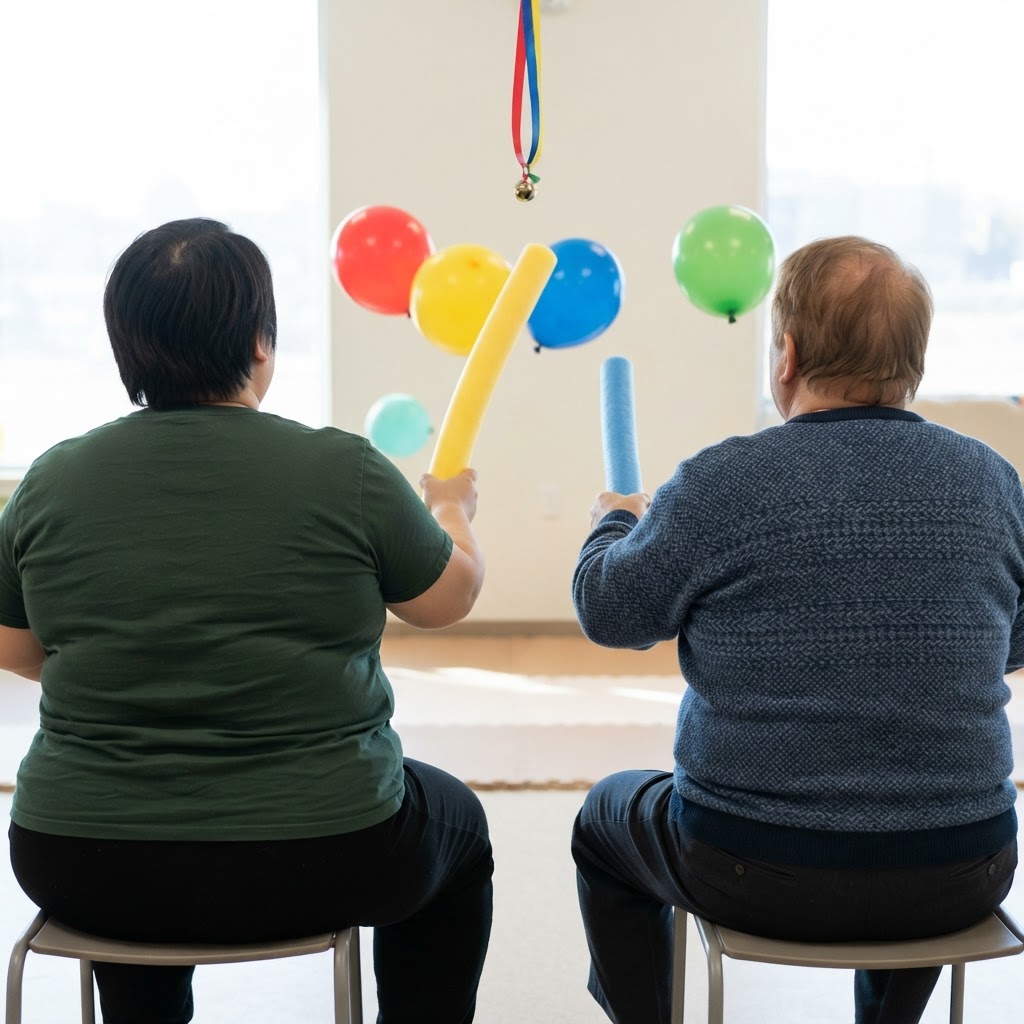
---
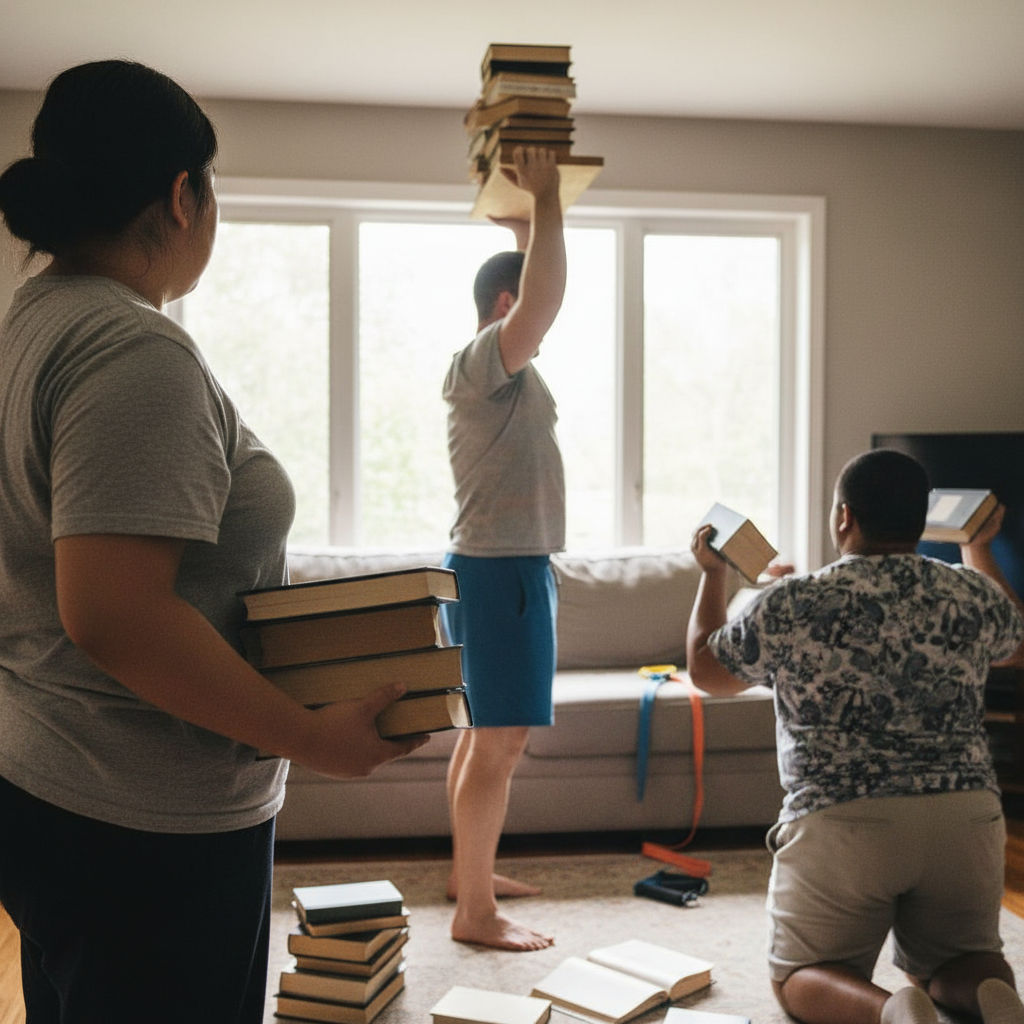
'Book' Weight Training
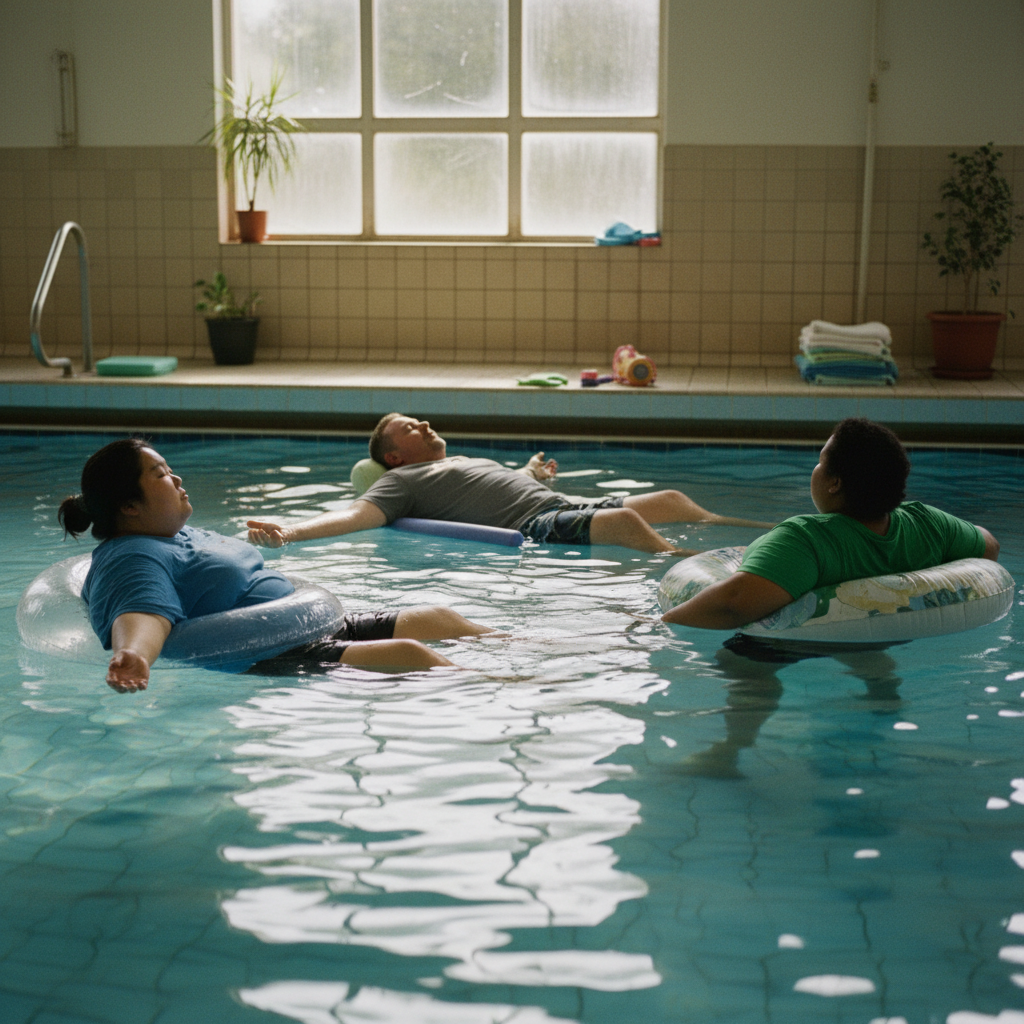
'Letting Go' Floating
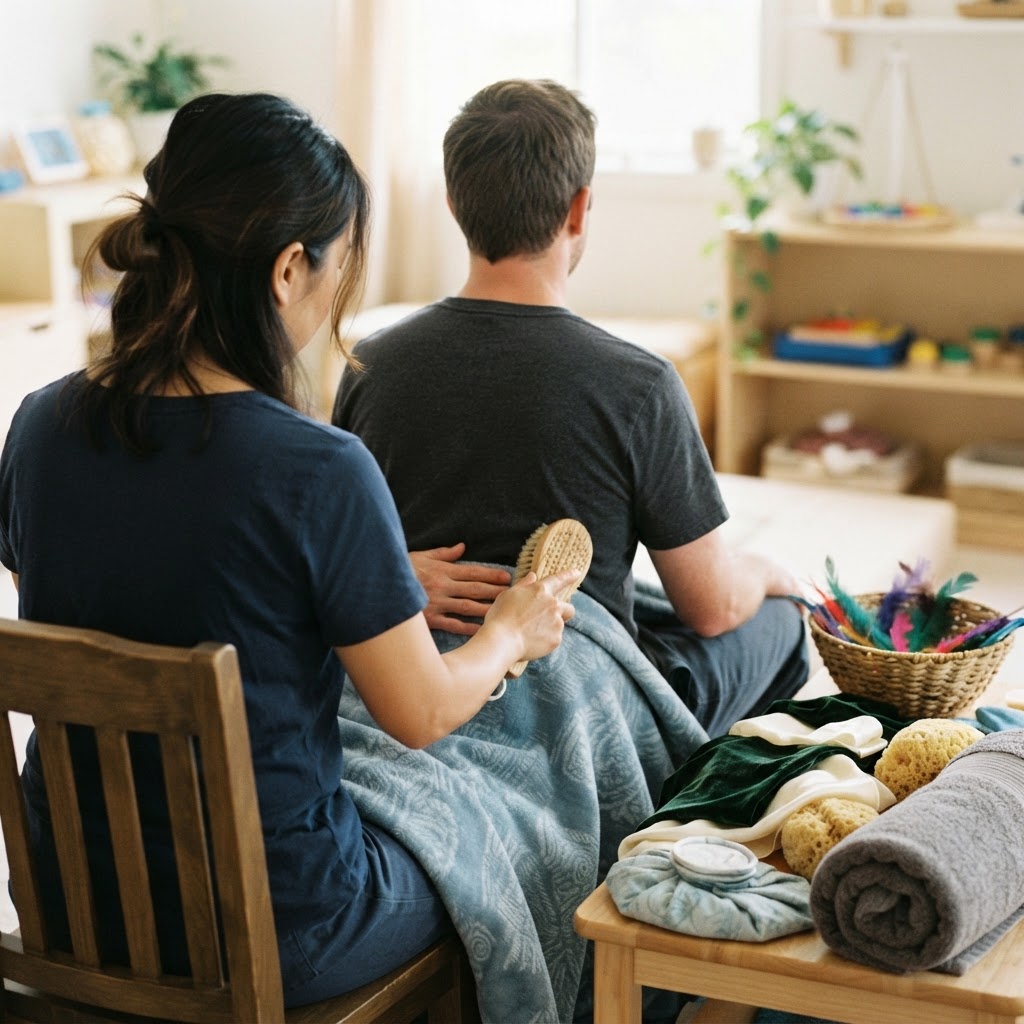
**🌬 Touch**
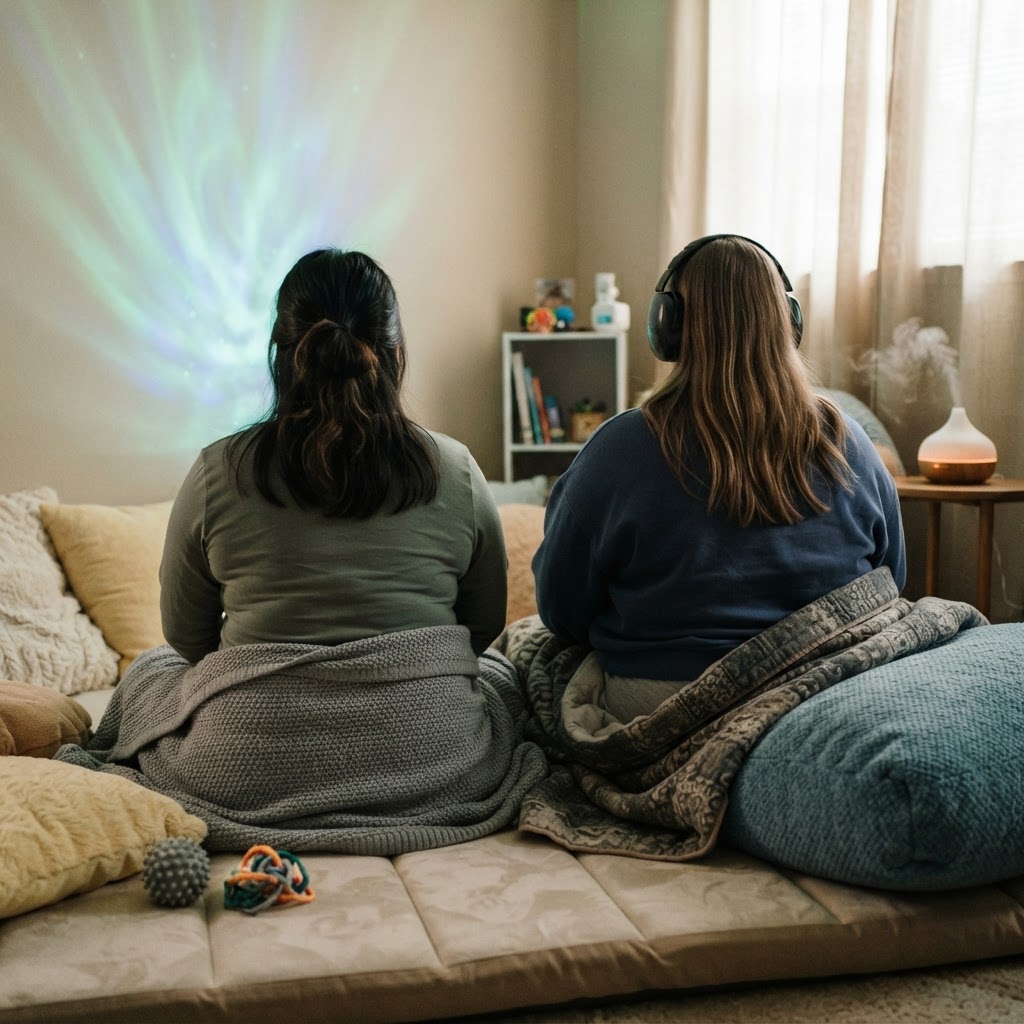
**💚 Emotional Regulation**
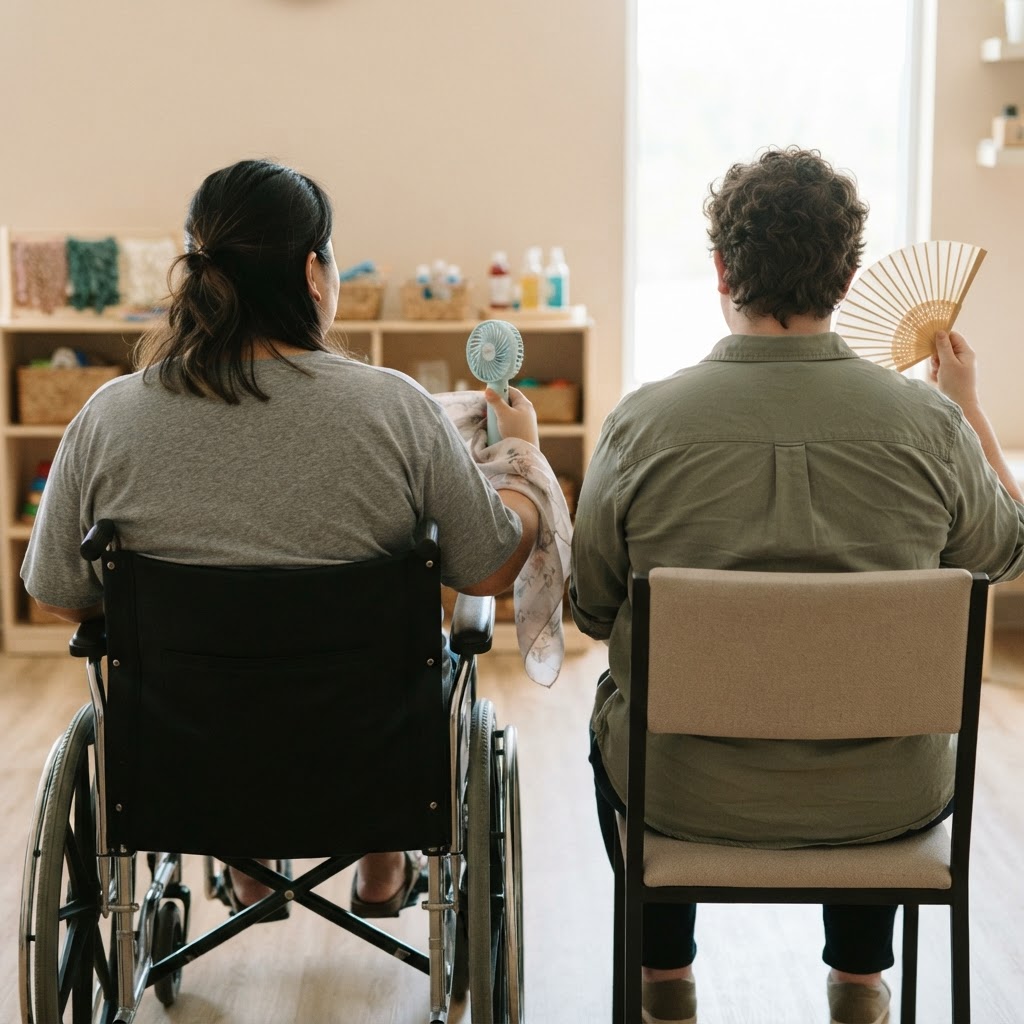
# 🌬️ GENTLE BREEZE
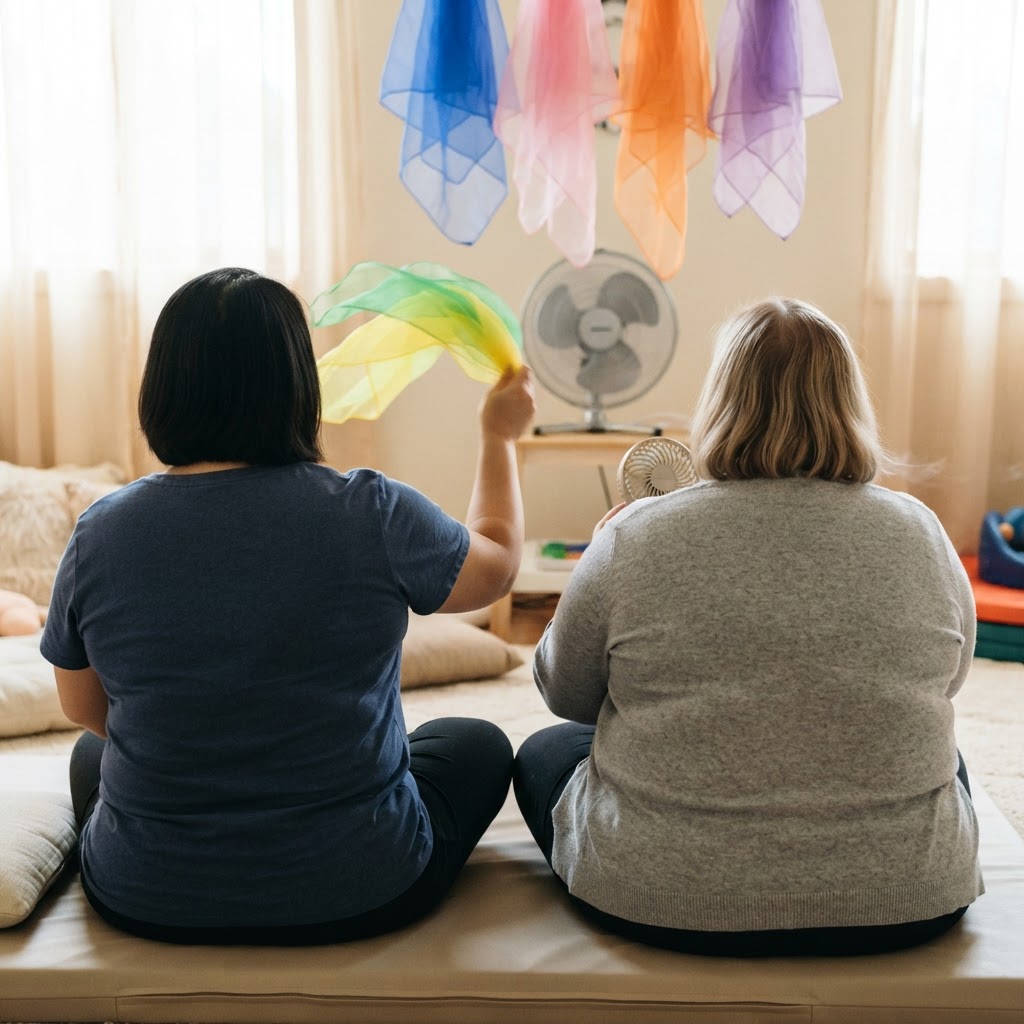
### ☁️ Breeze & Scarves
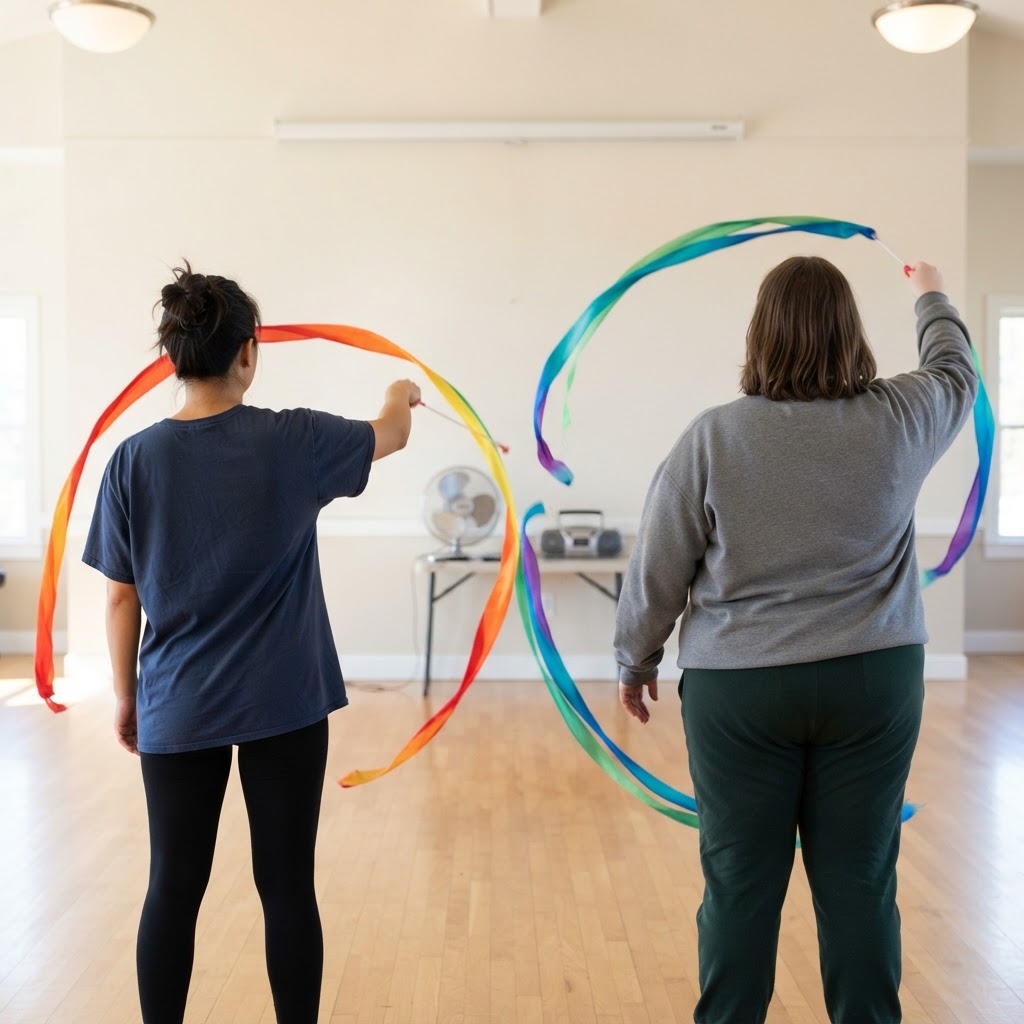
### 🌈 Ribbon Dance
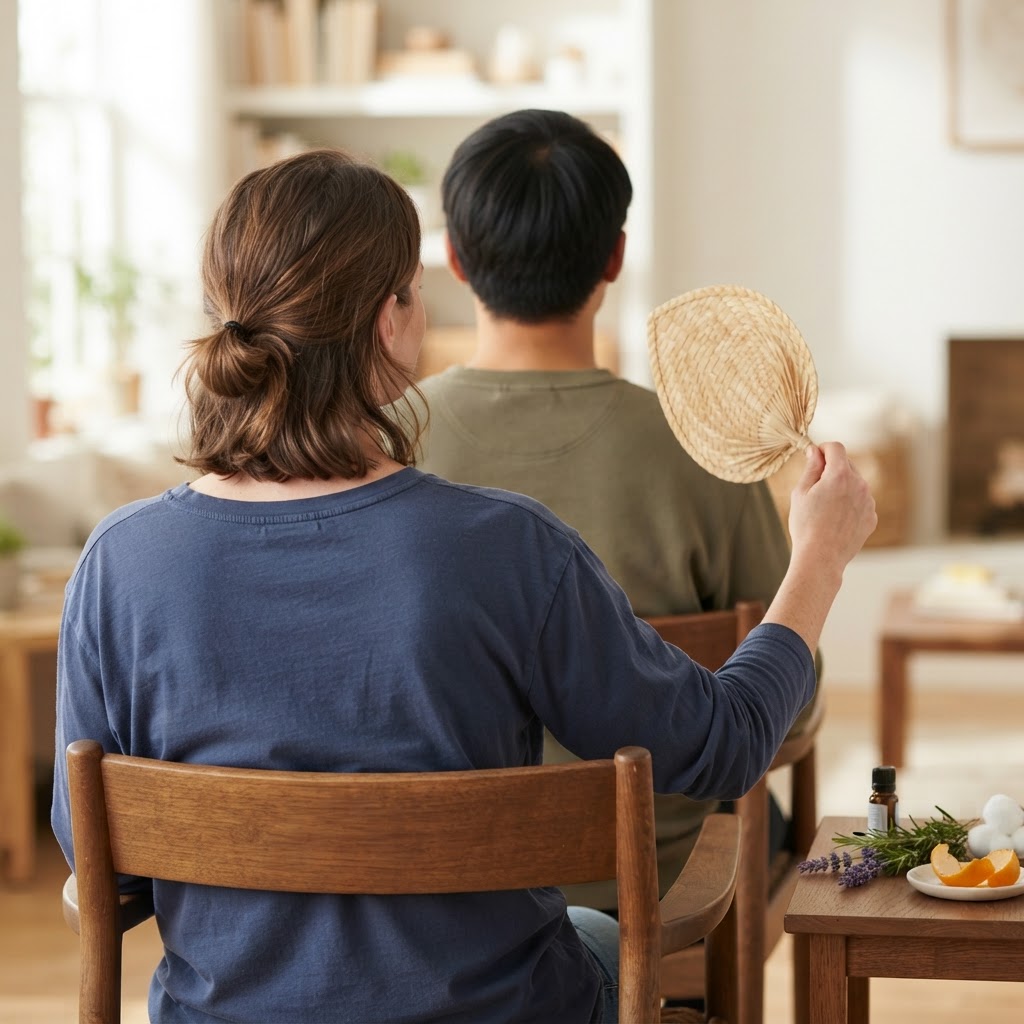
### 🌿 Scented Breeze
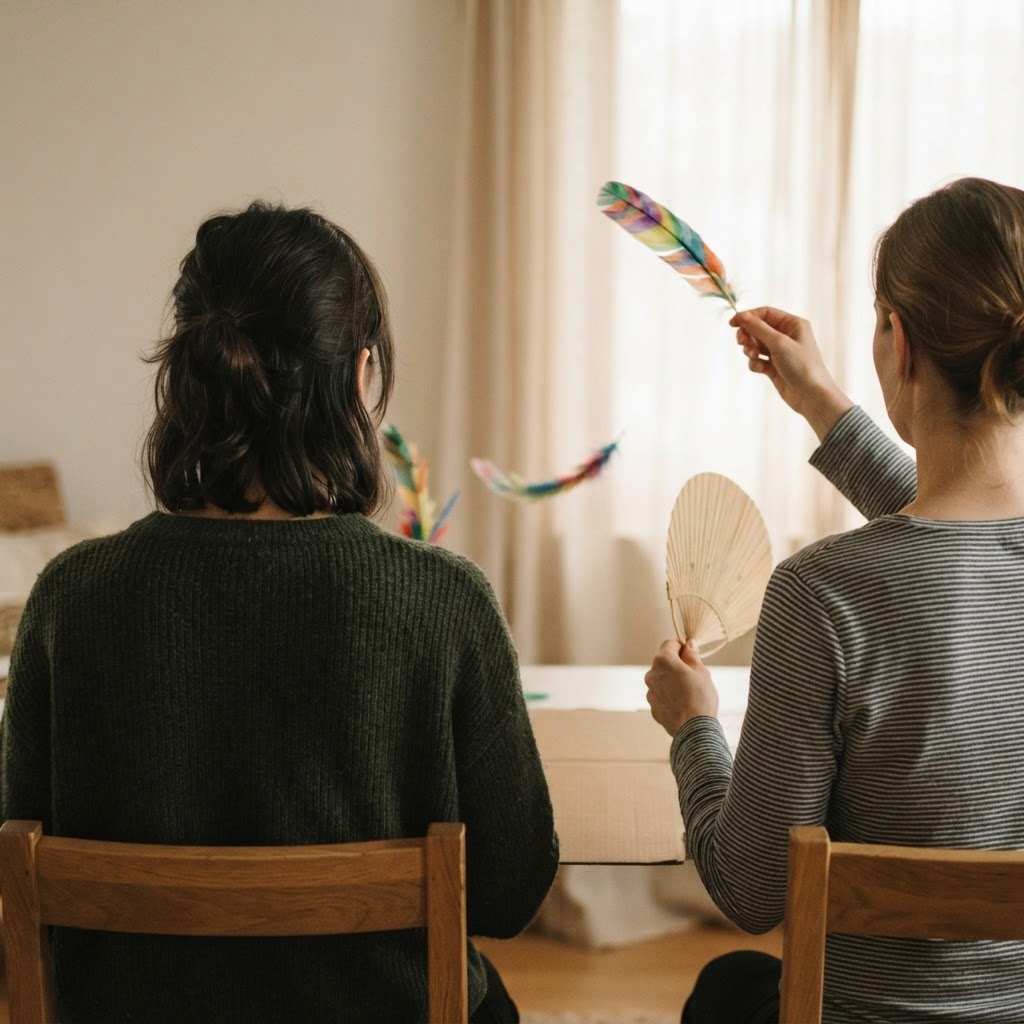
### 🪶 Feather Float
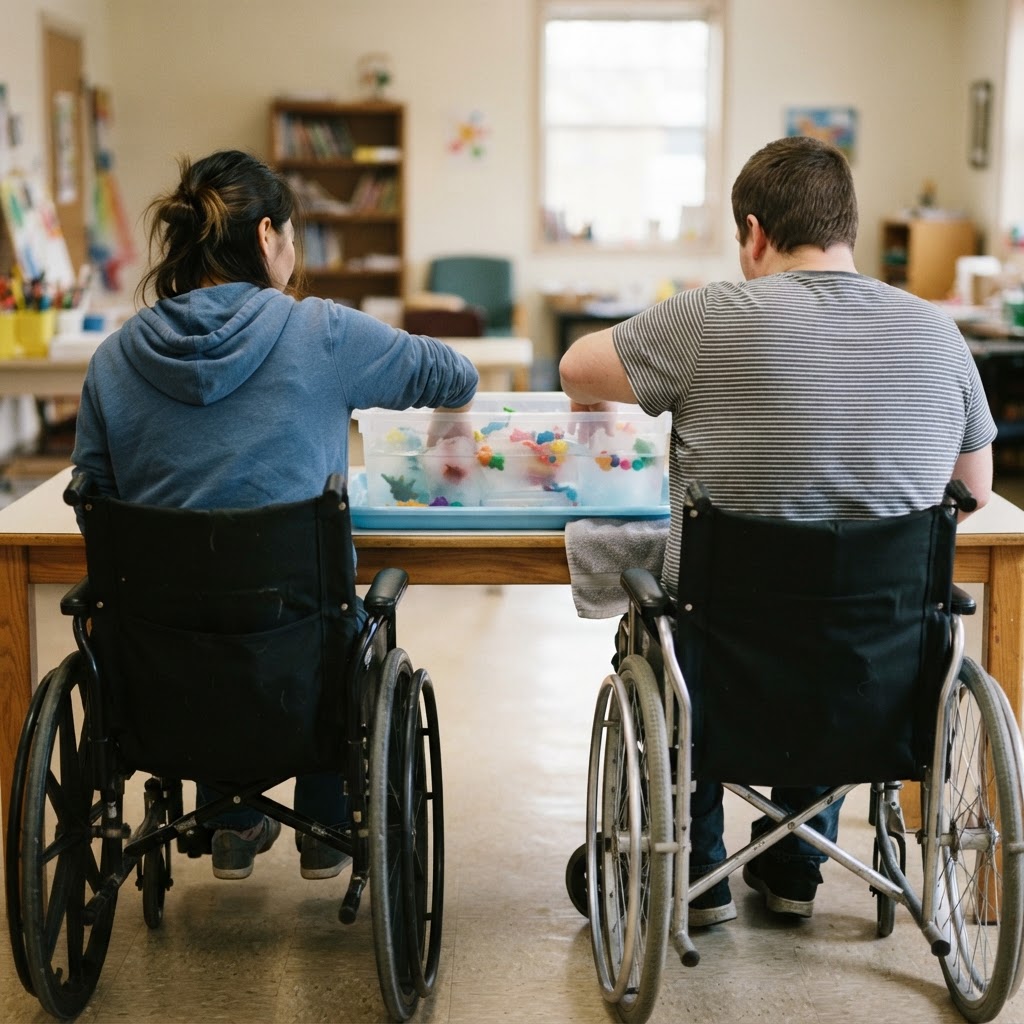
❄️ Ice Treasure Hunt
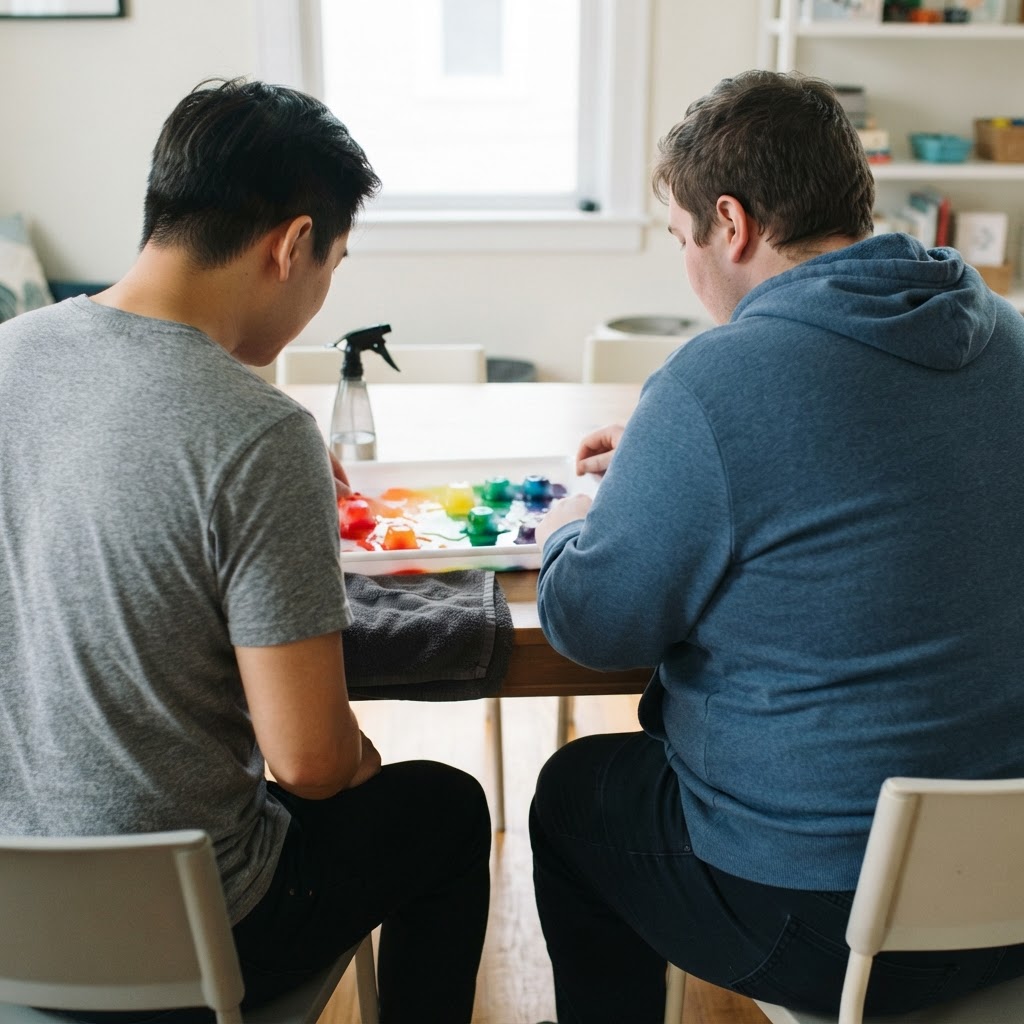
🌈 Melting Rainbows
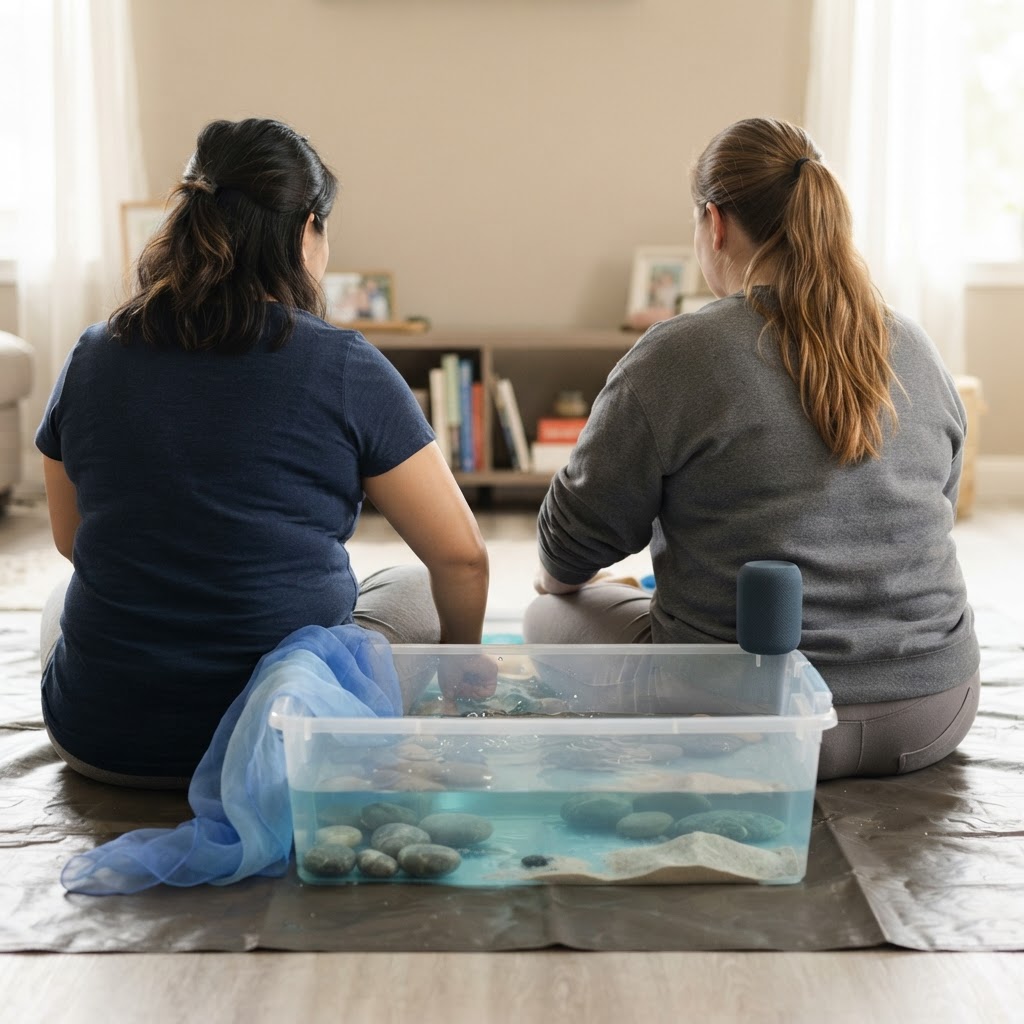
🌊 Ocean Escape
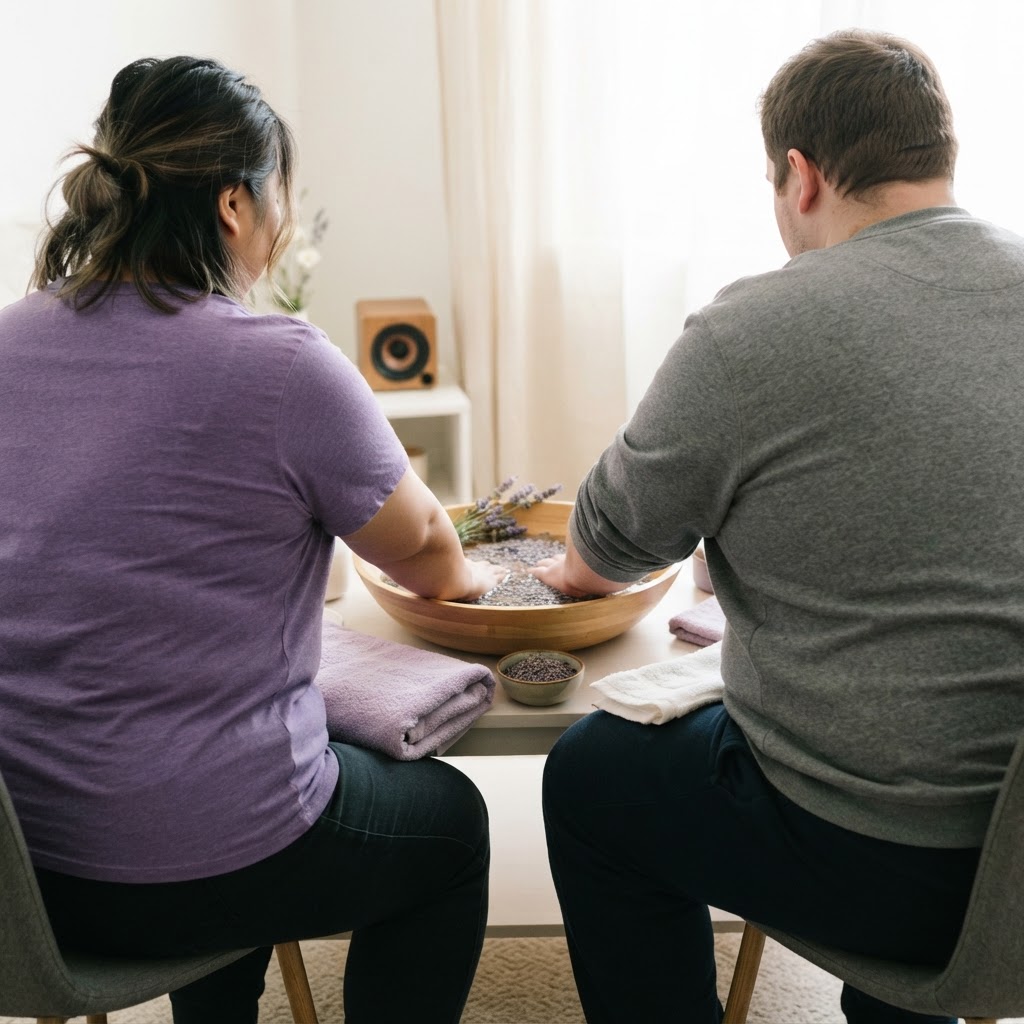
🌼 Lavender Water Spa
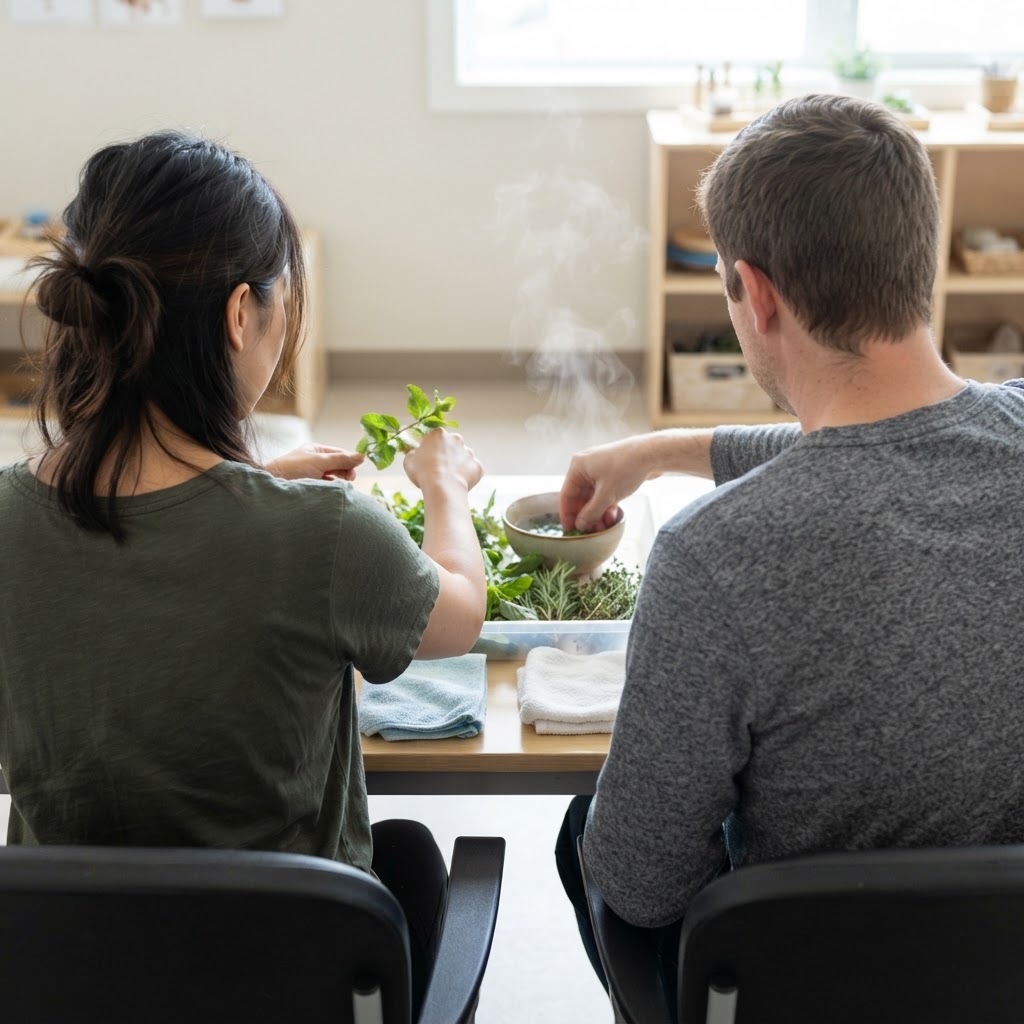
🌿 Herb Infusion
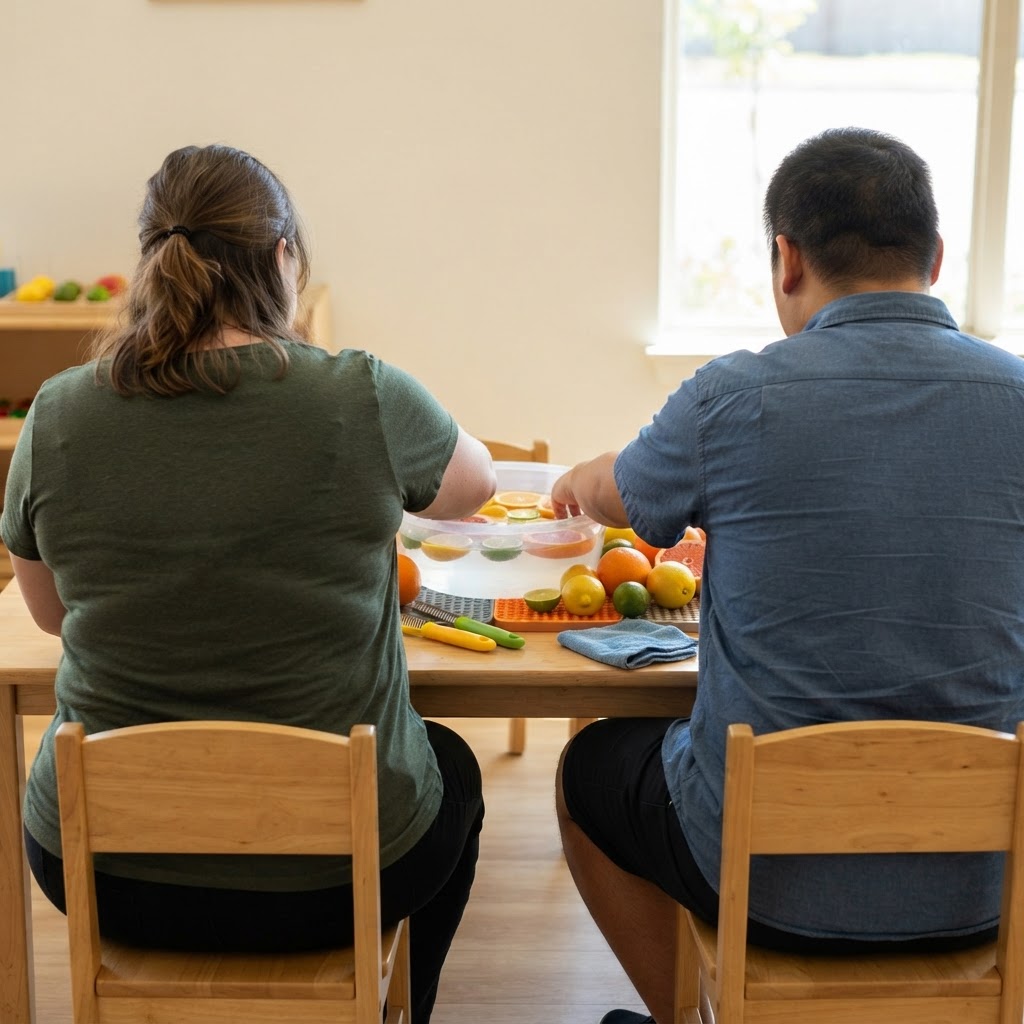
🍊 Citrus Splash
🎨 Water Painting
💦 Gentle Rain Shower
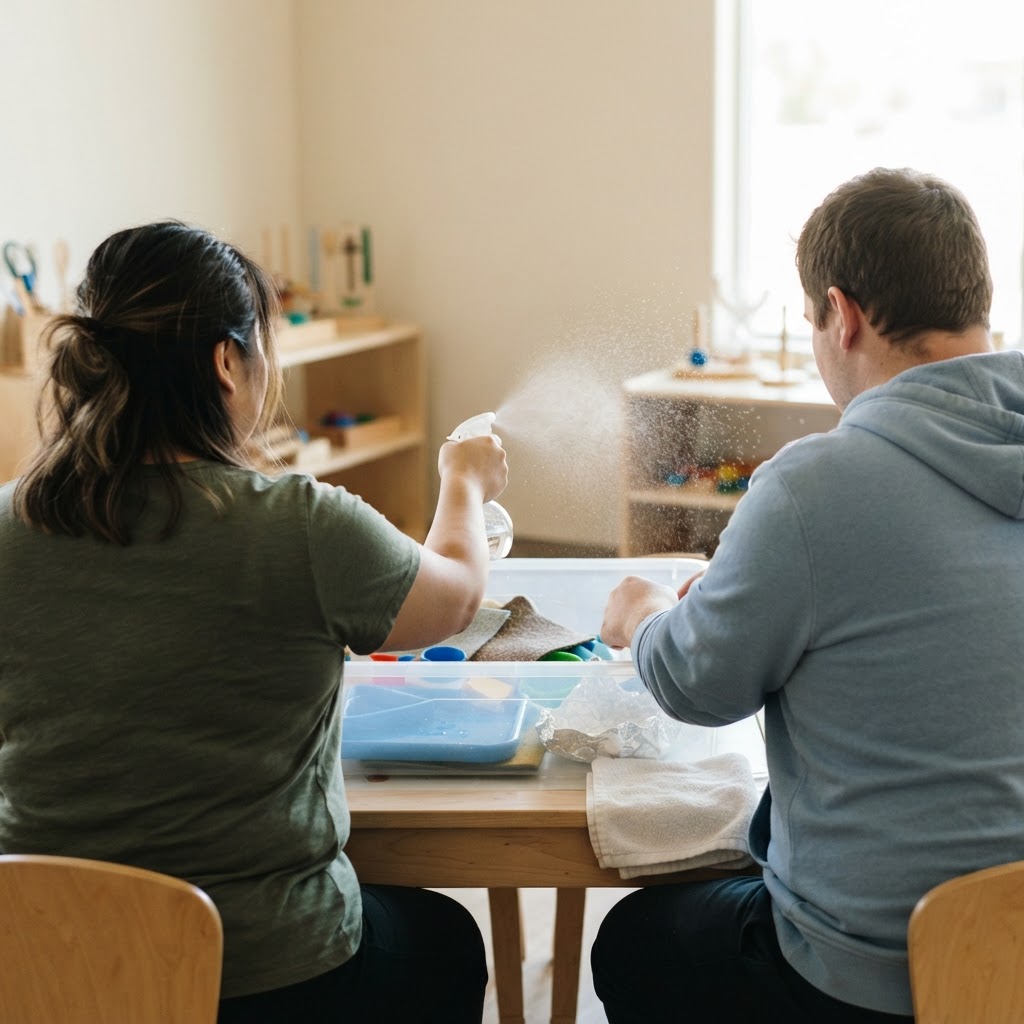
💦 Spray Bottle Fun
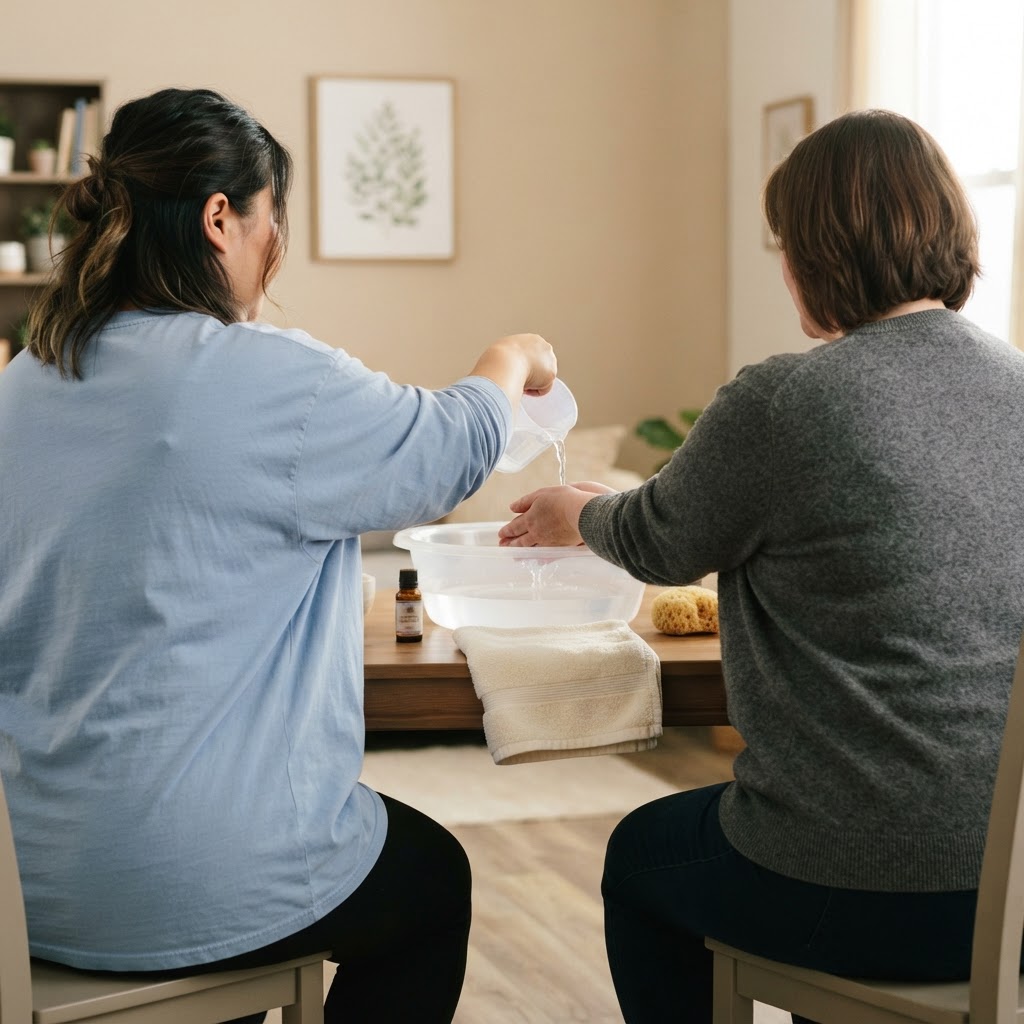
💦 Waterfall Hands
🫧 Bubble Catchers
10 Pin Bowling

Alternating Textures
Alternating Textures
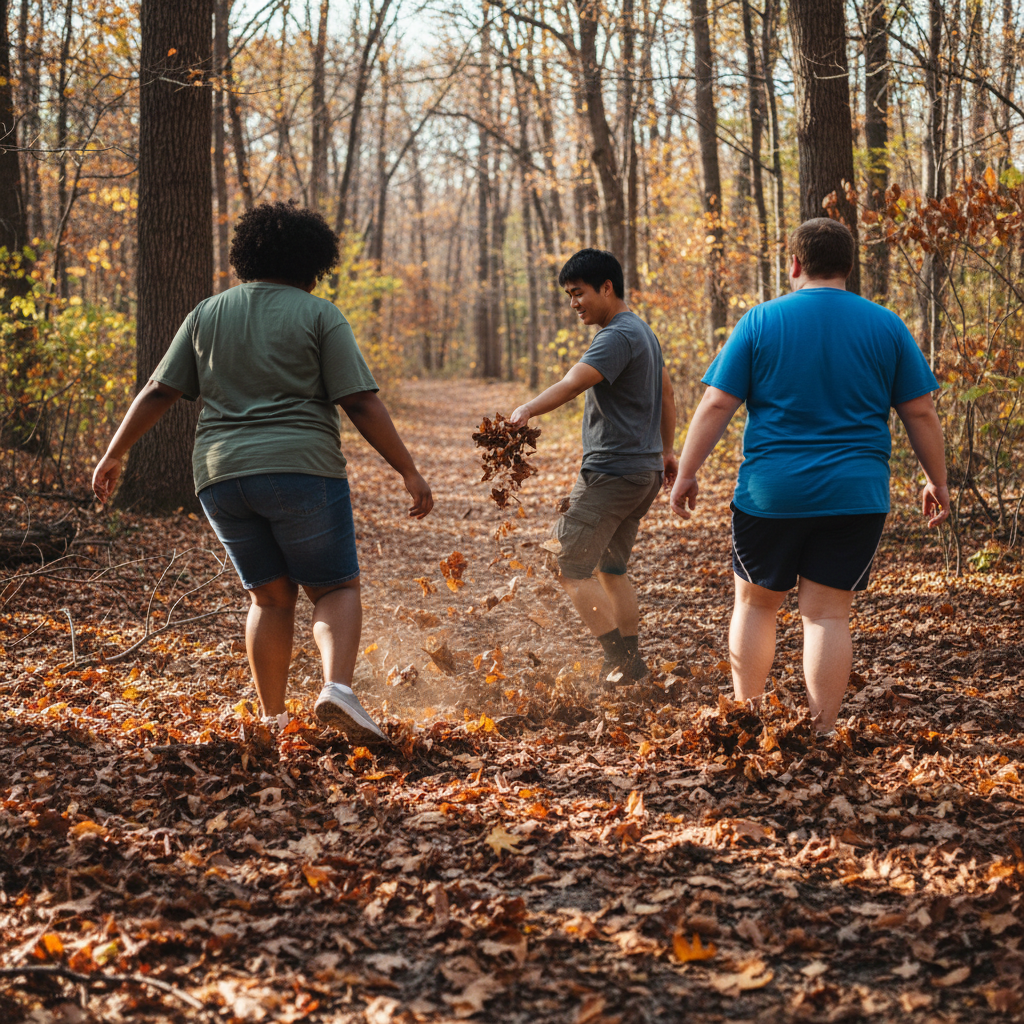
Autumn Leaves

Autumn Leaves
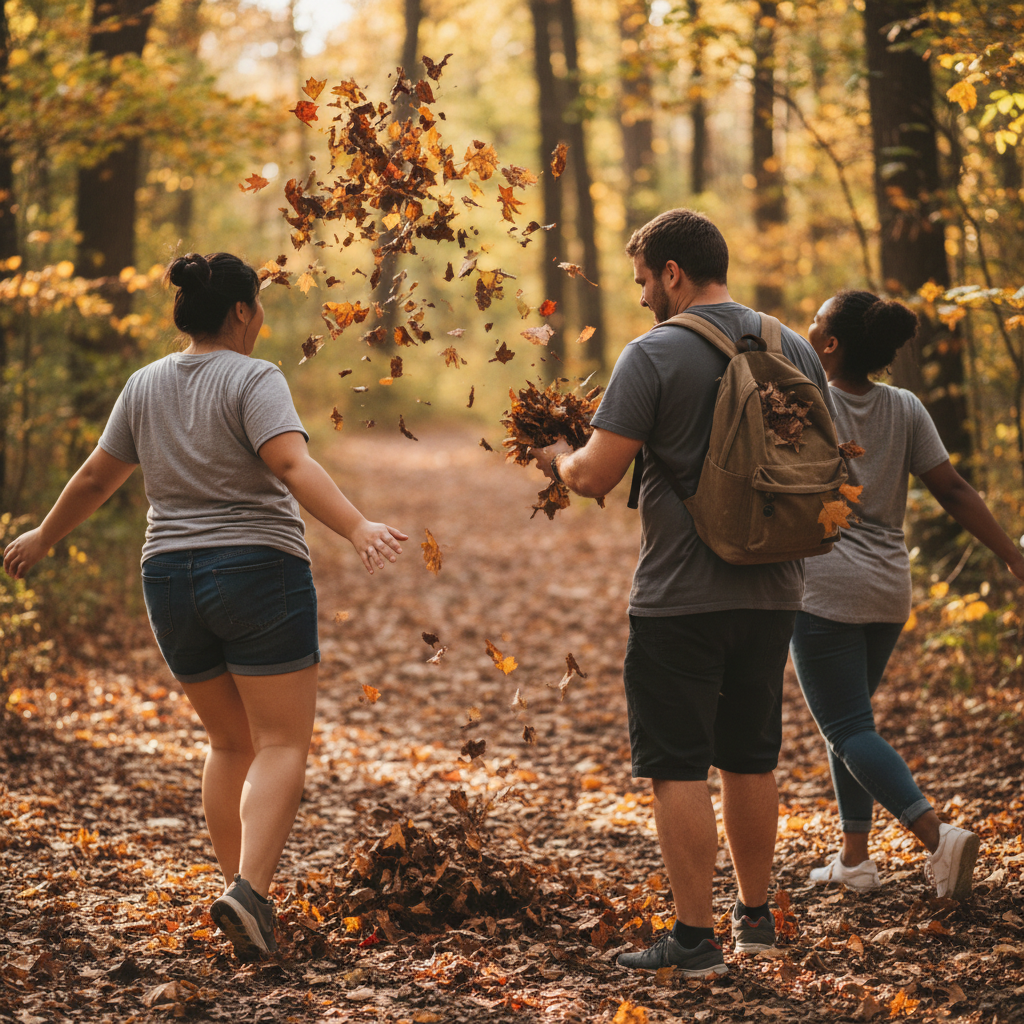
Autumn Leaves
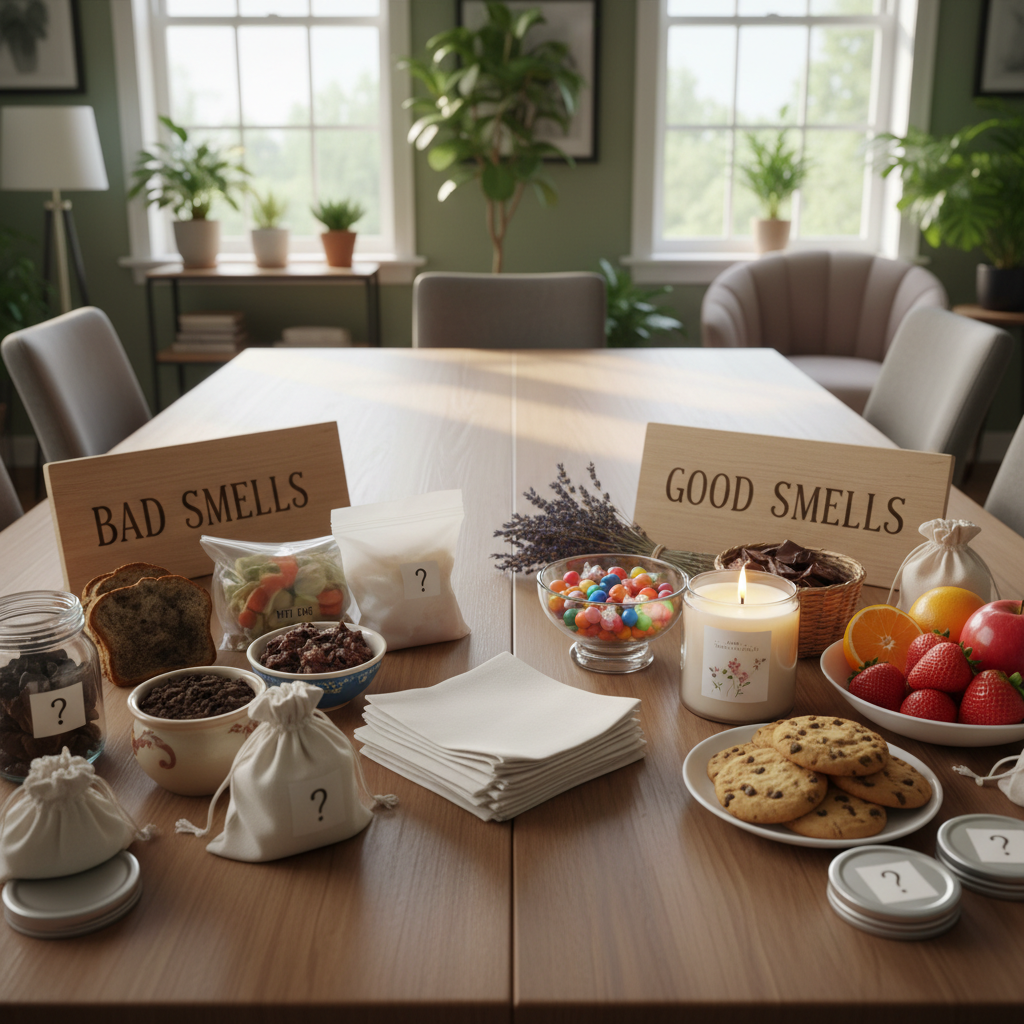
Bad VS Good Scents
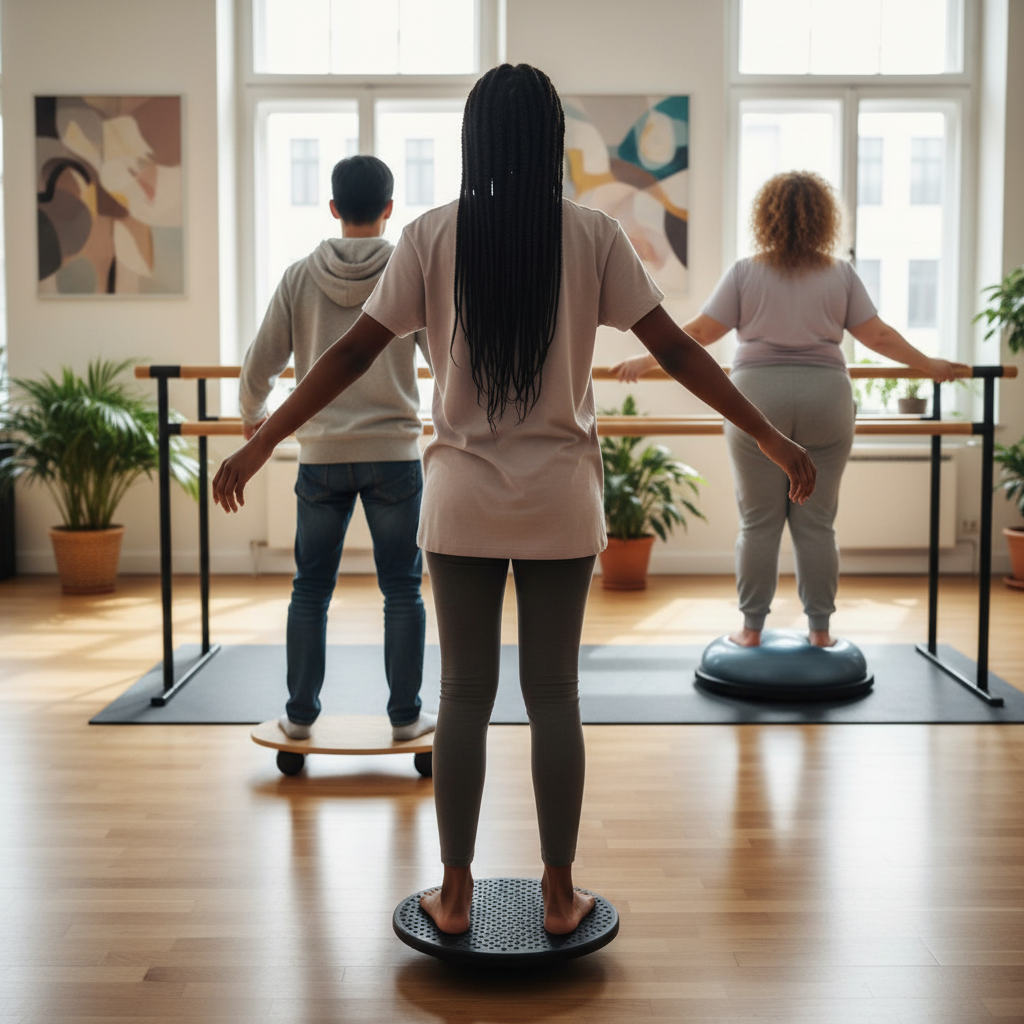
Balance Board
Balloons
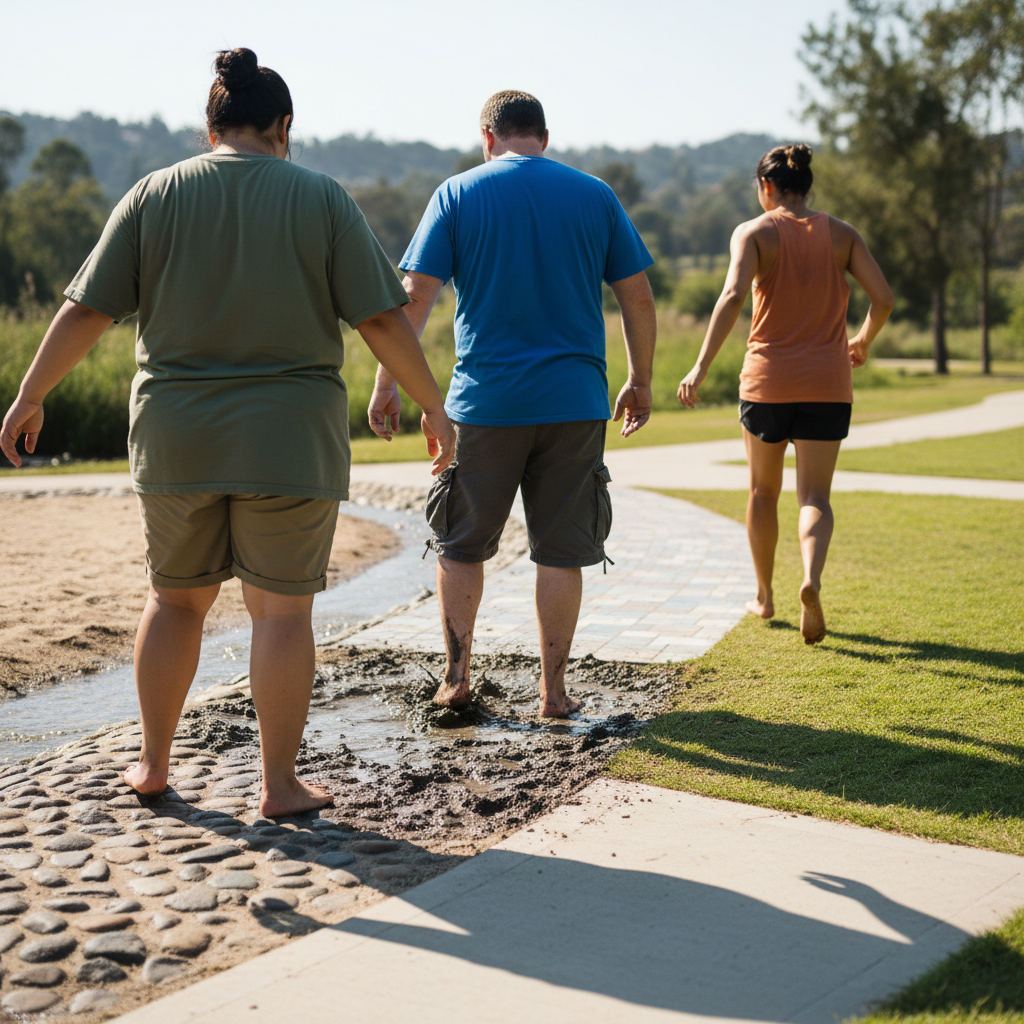
Barefoot Adventures
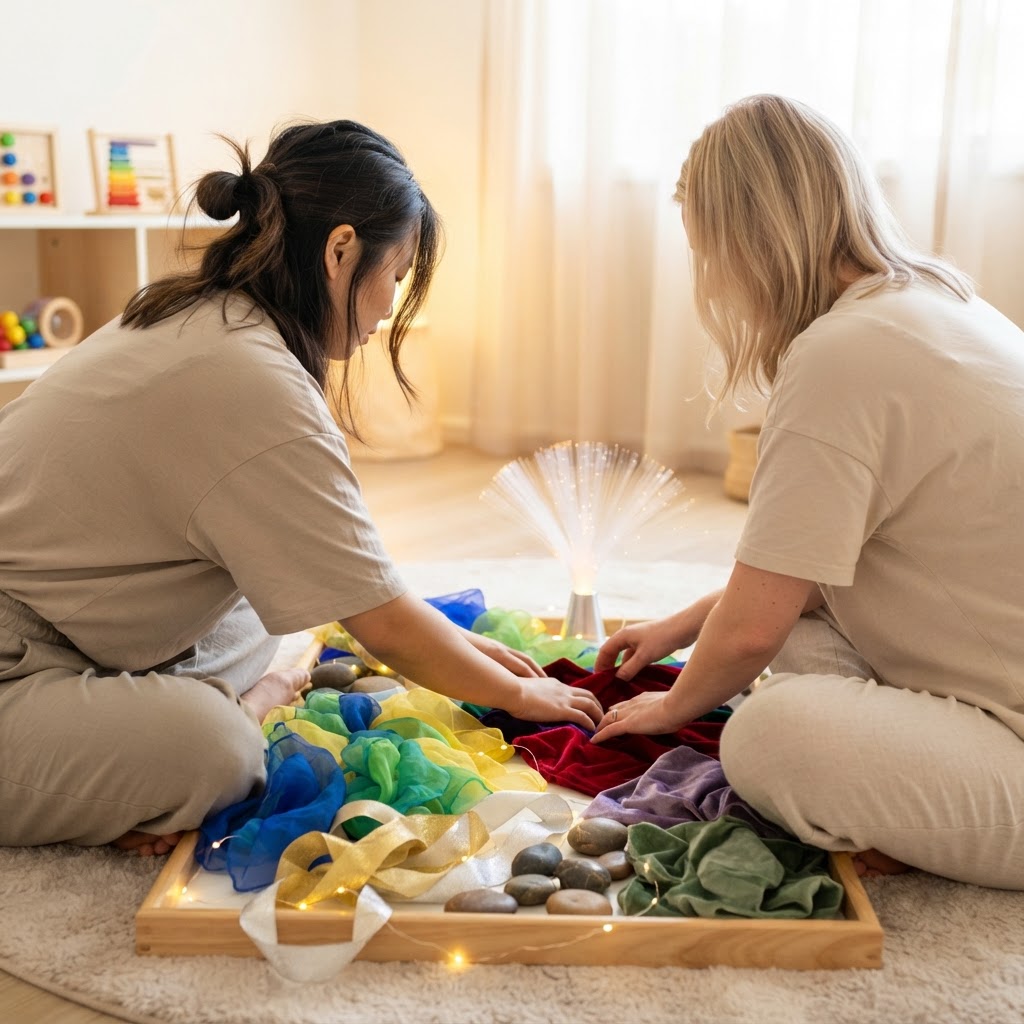
Beautiful Things
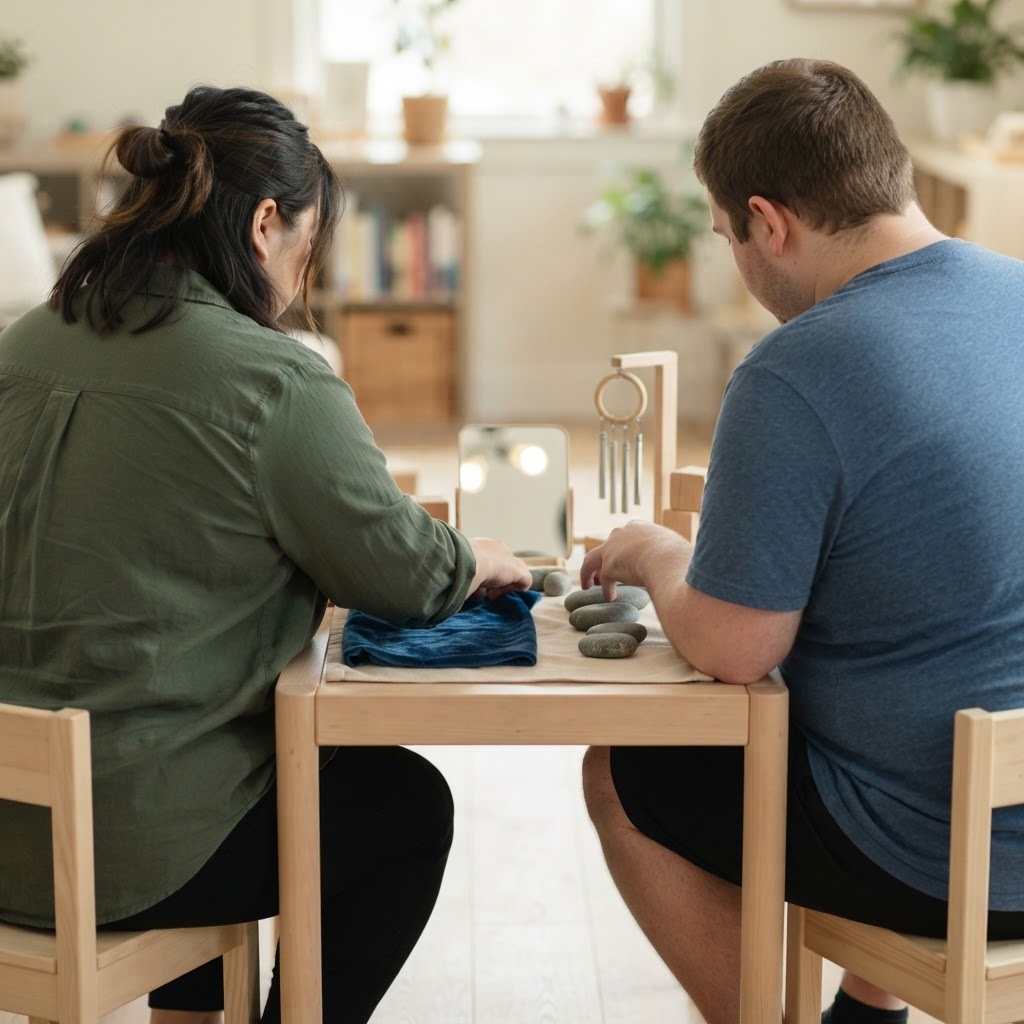
Beautiful Things

Bike Ride
Bird Watching

Body Brush
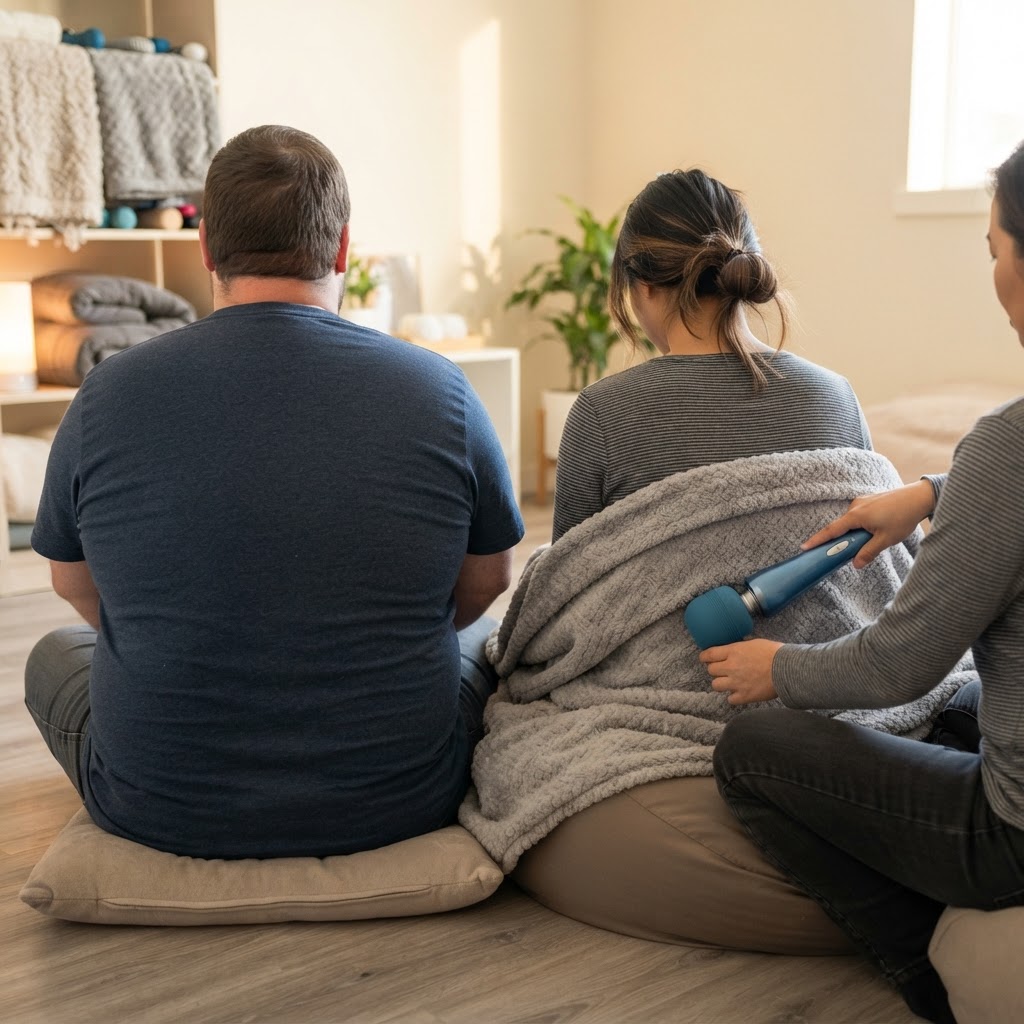
Body Buzz Journey
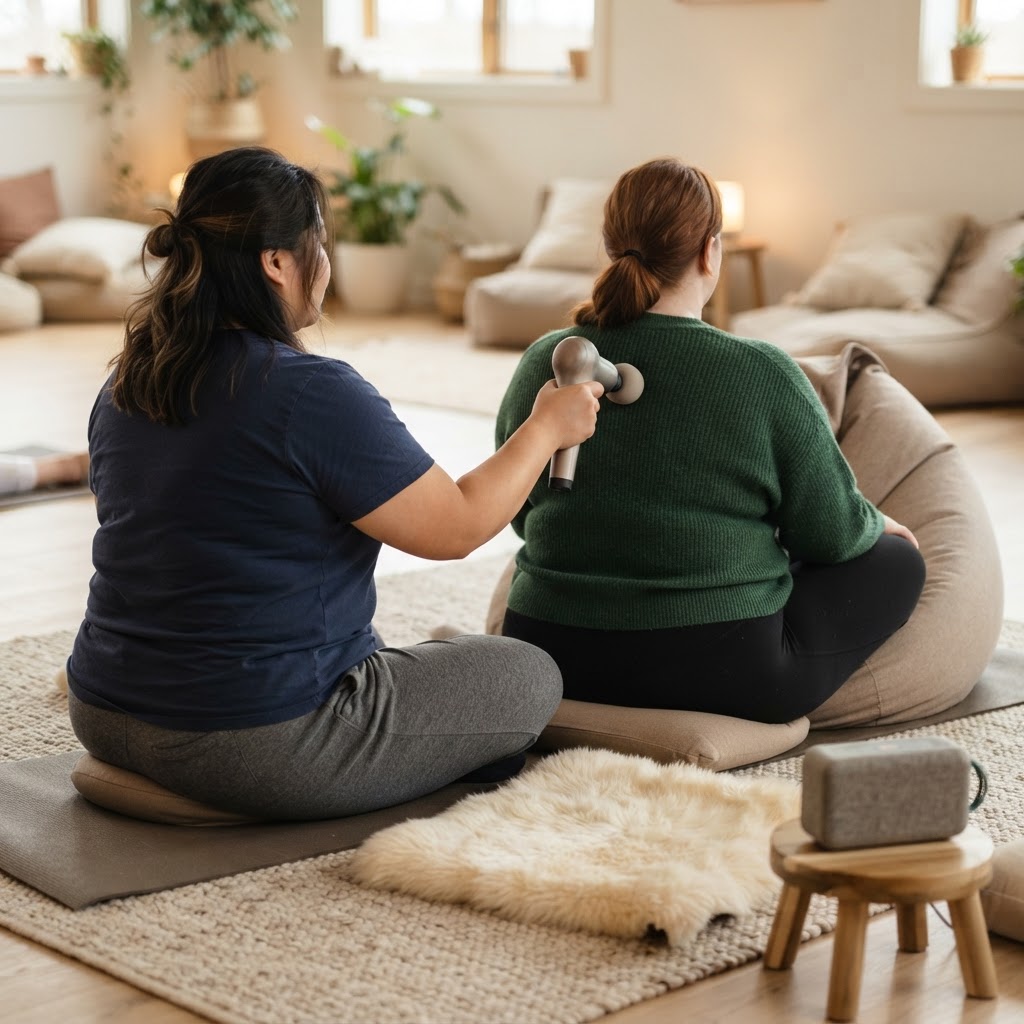
Body Buzz Journey

Bread Making
Bubble and balloon games
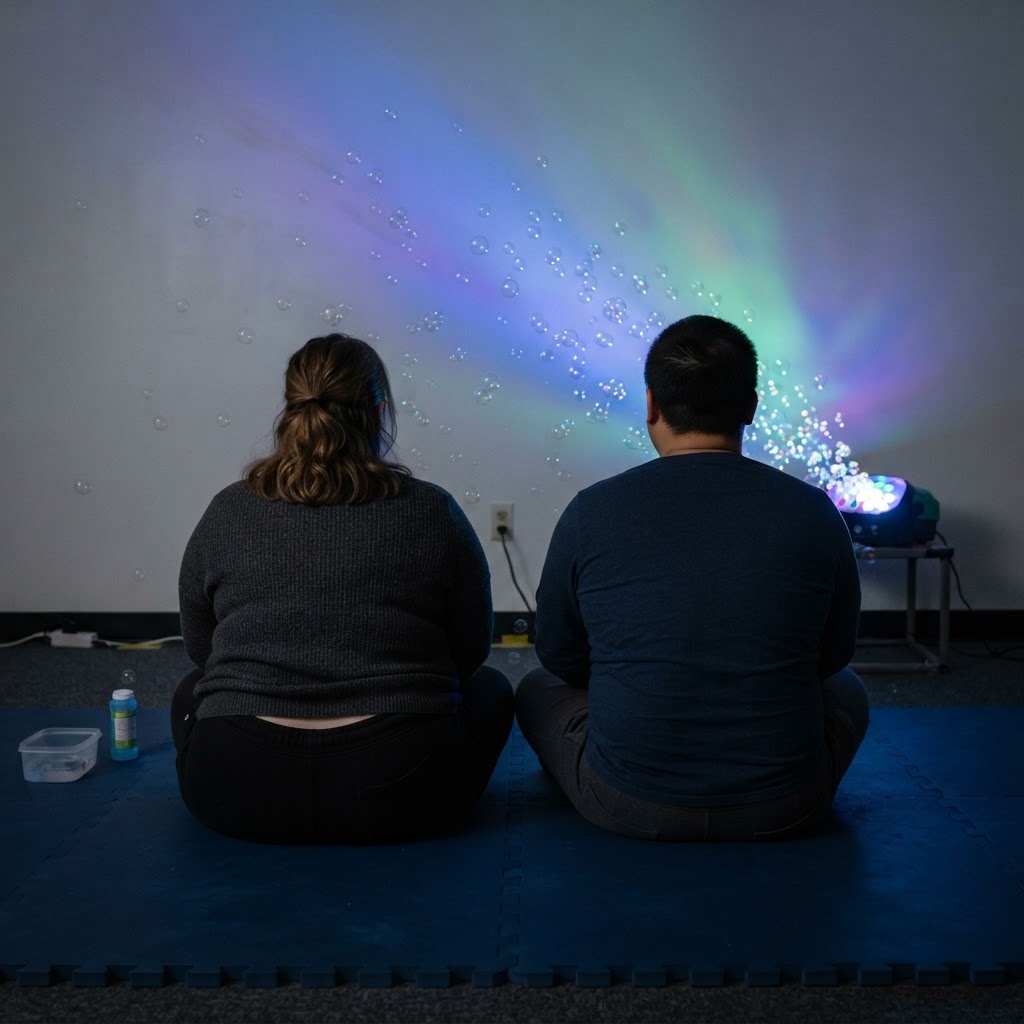
Bubble Light Show
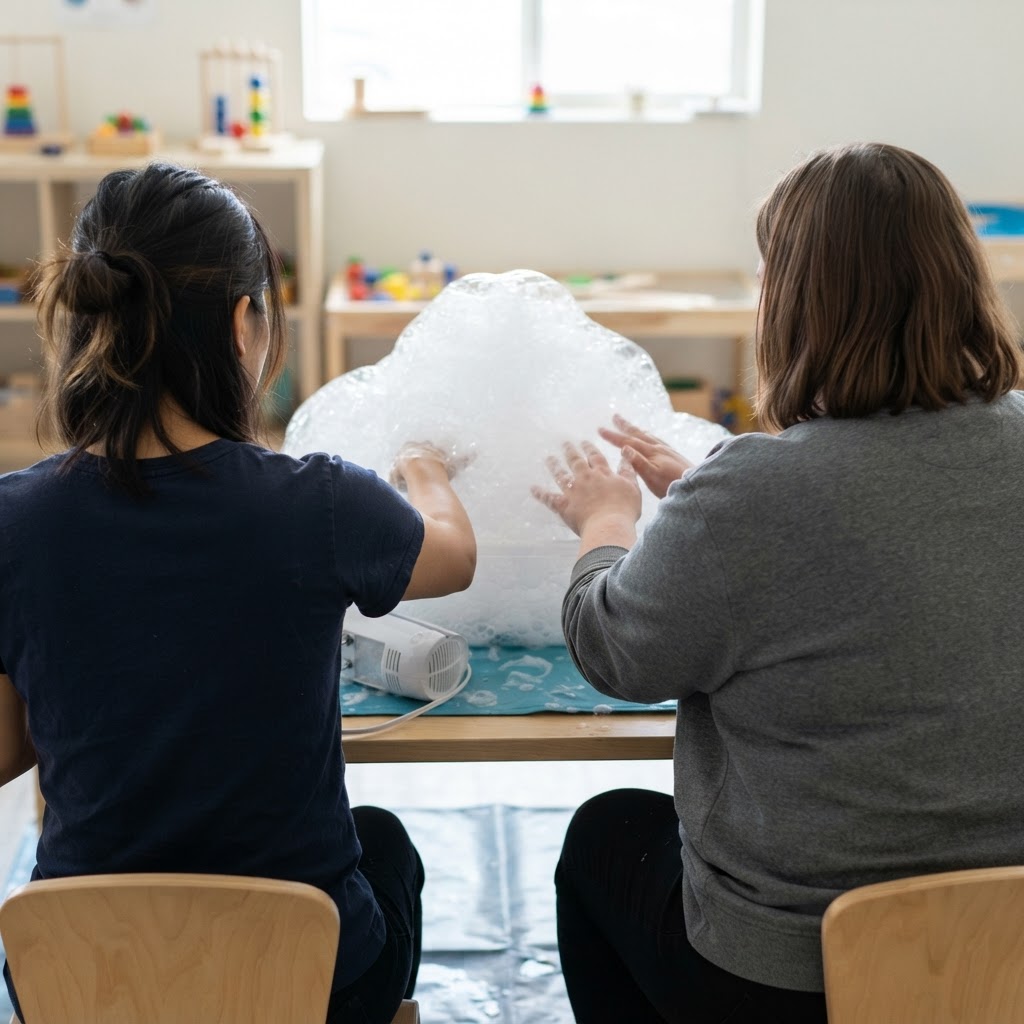
Bubble Mountain
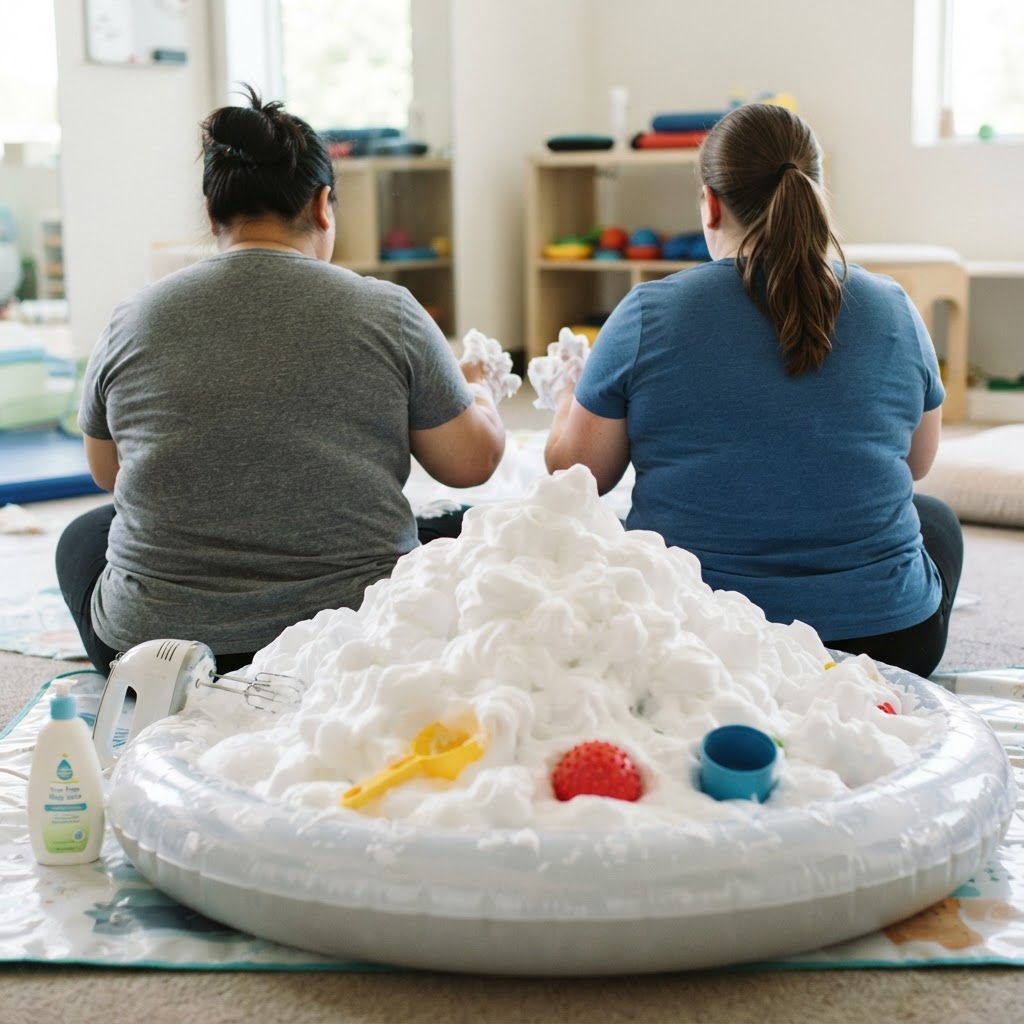
Bubble Mountain
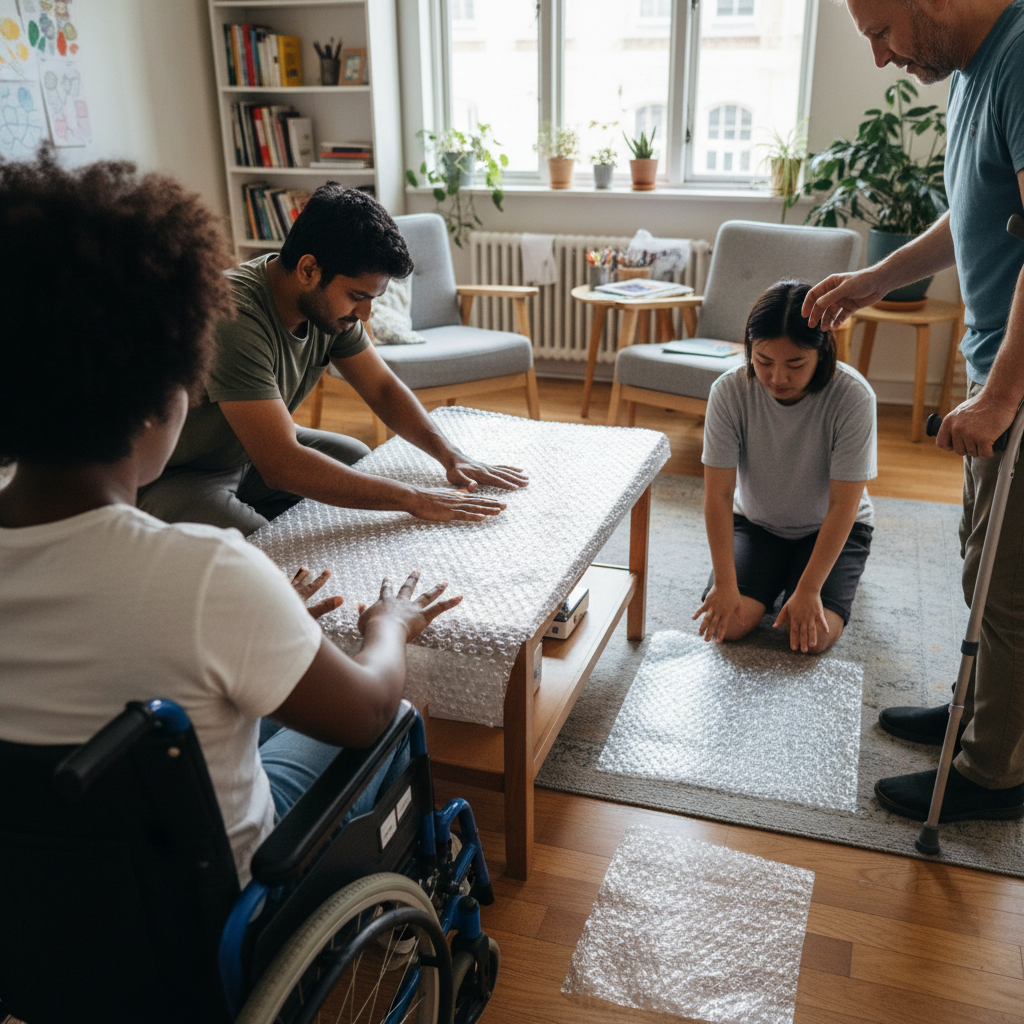
Bubble Wrap Games
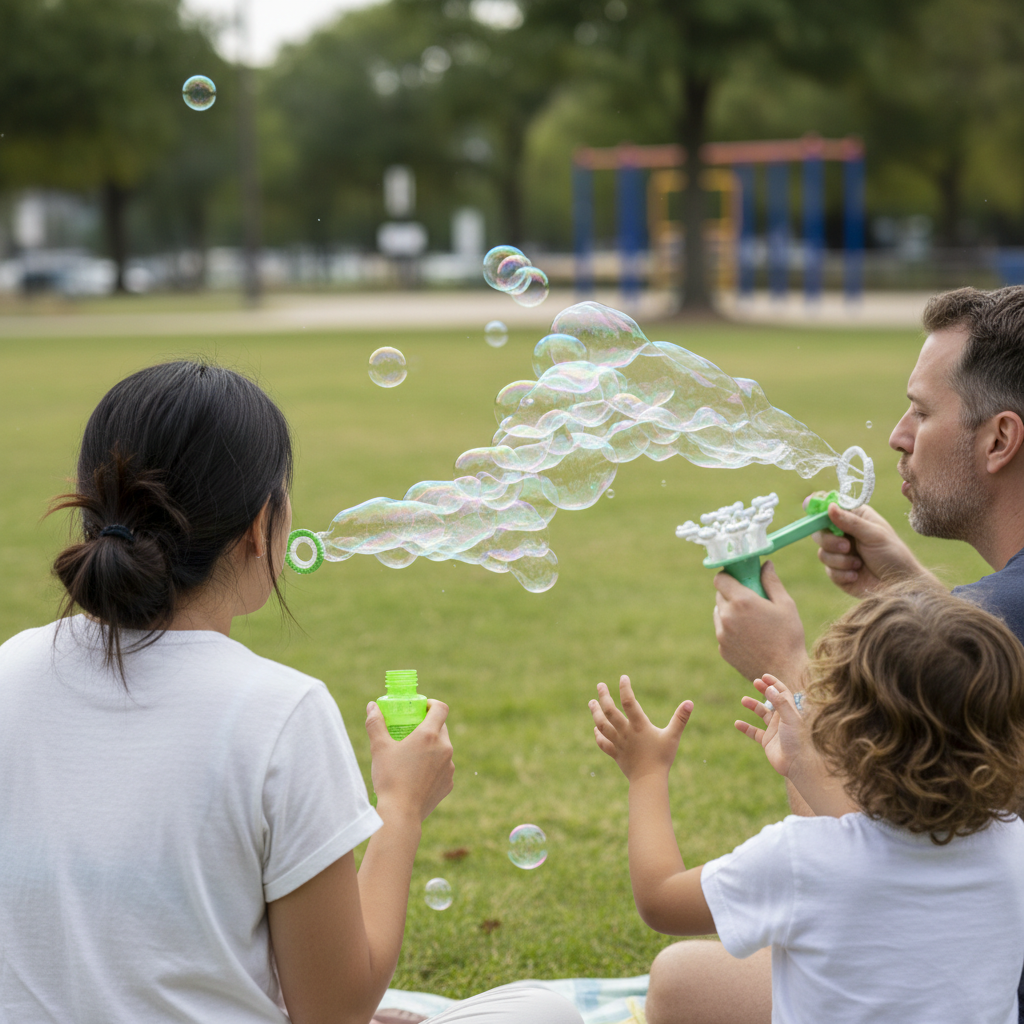
Bubbles
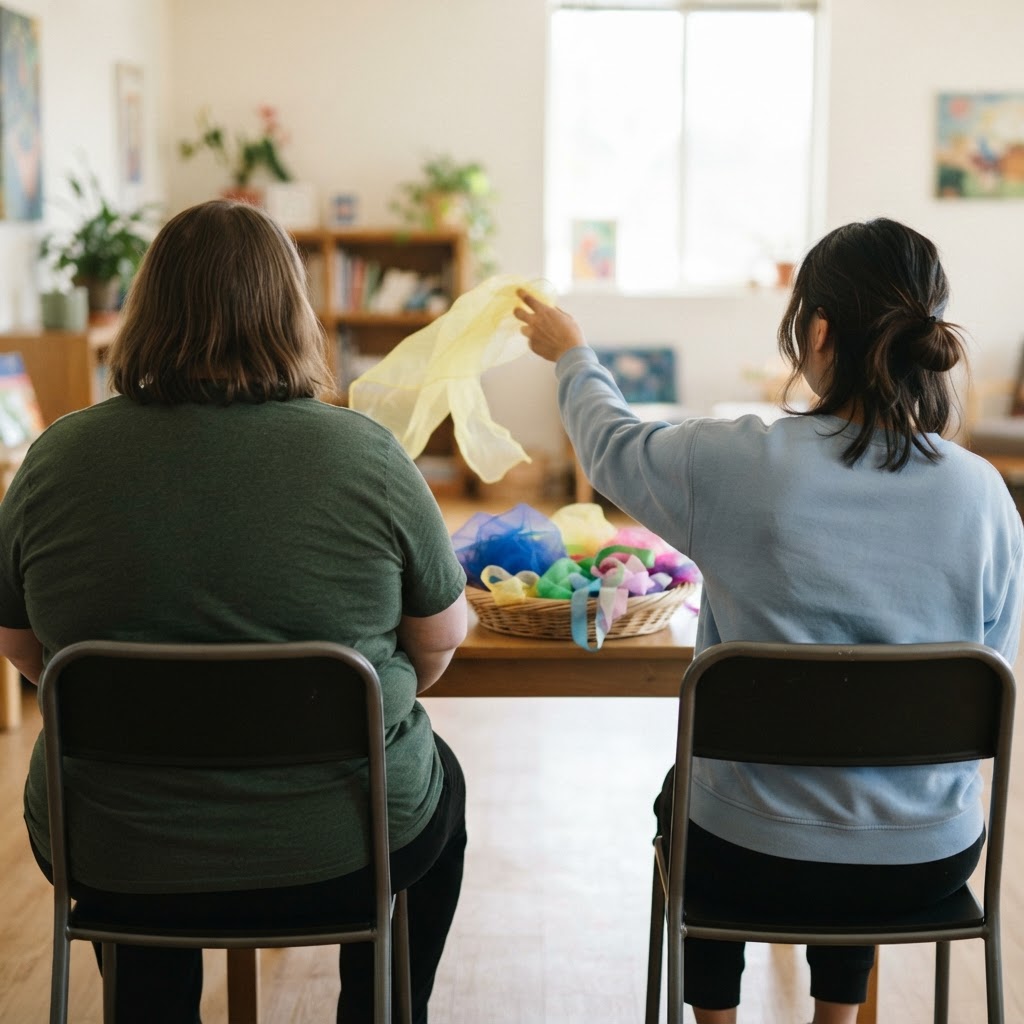
Butterfly Basket
Candles
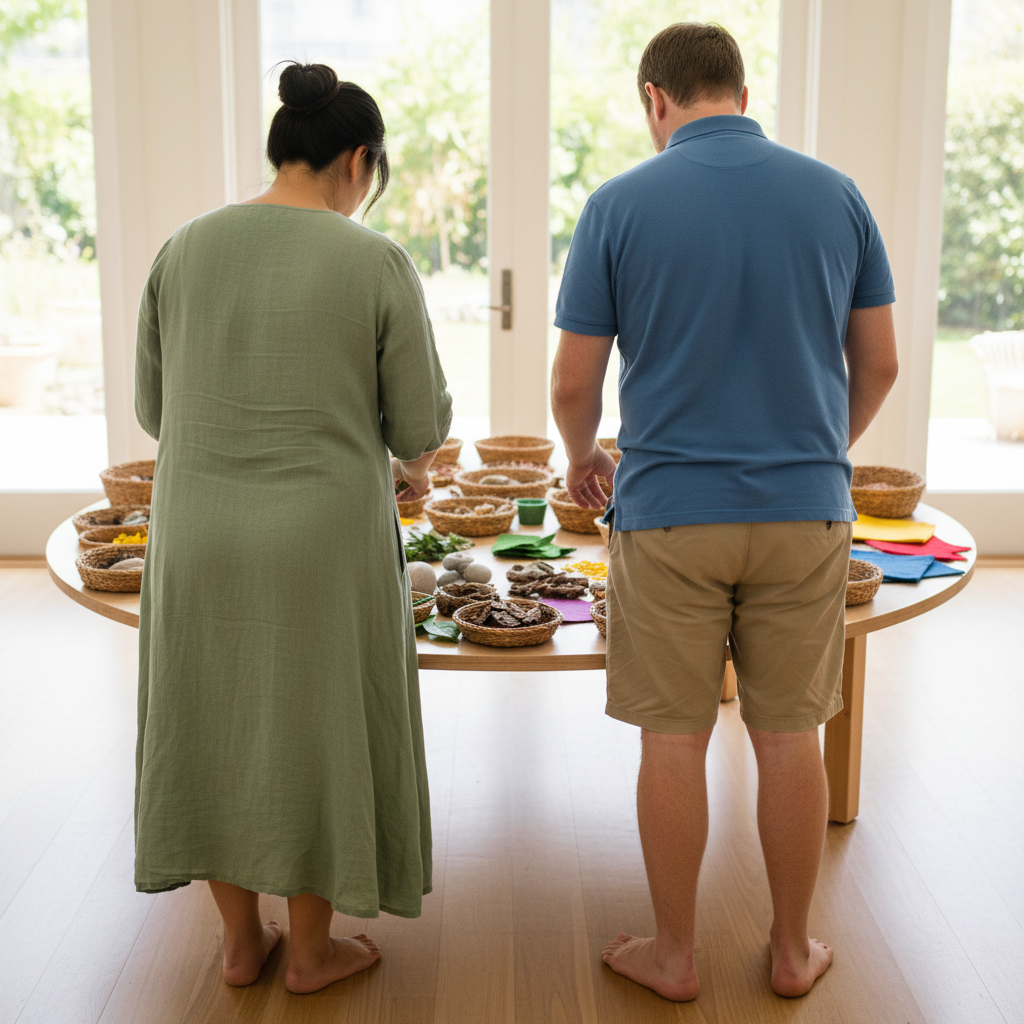
Category Sorting
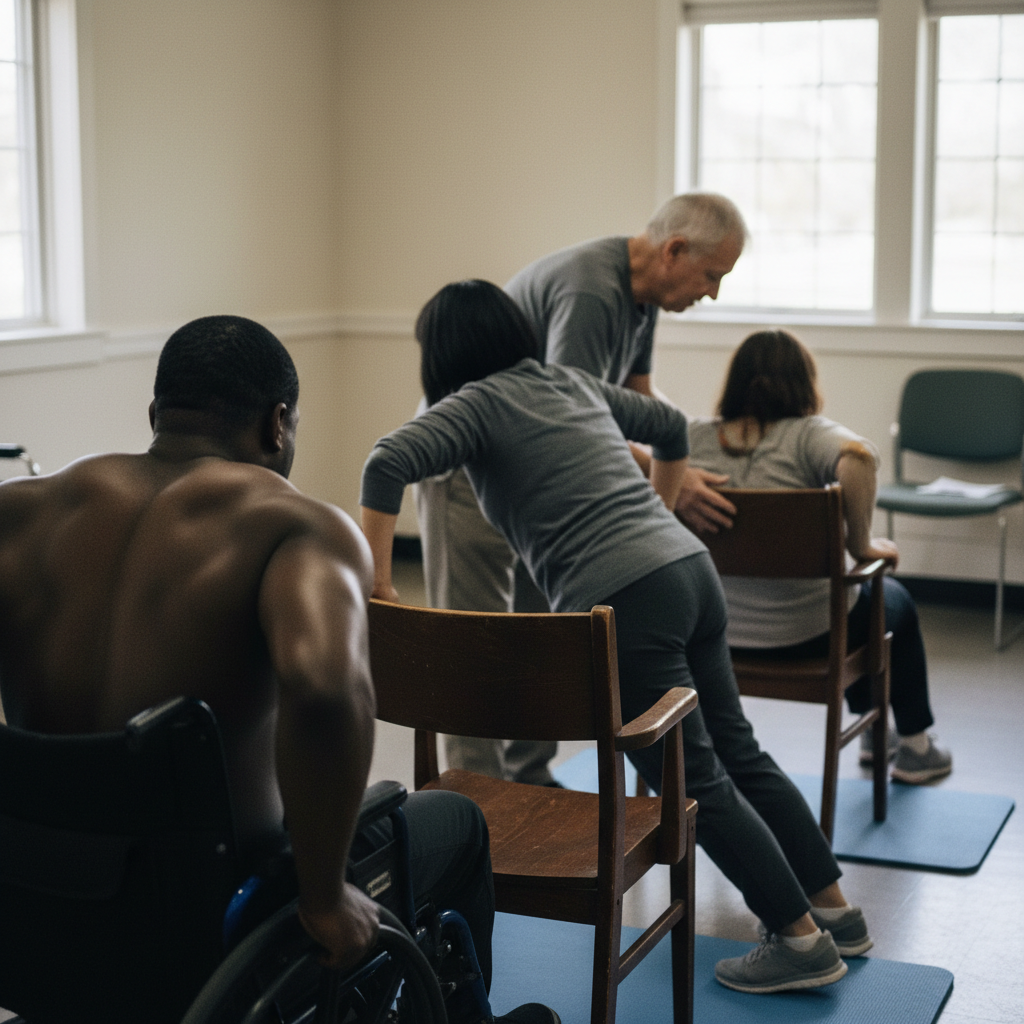
Chair Push Ups

Chewy Foods
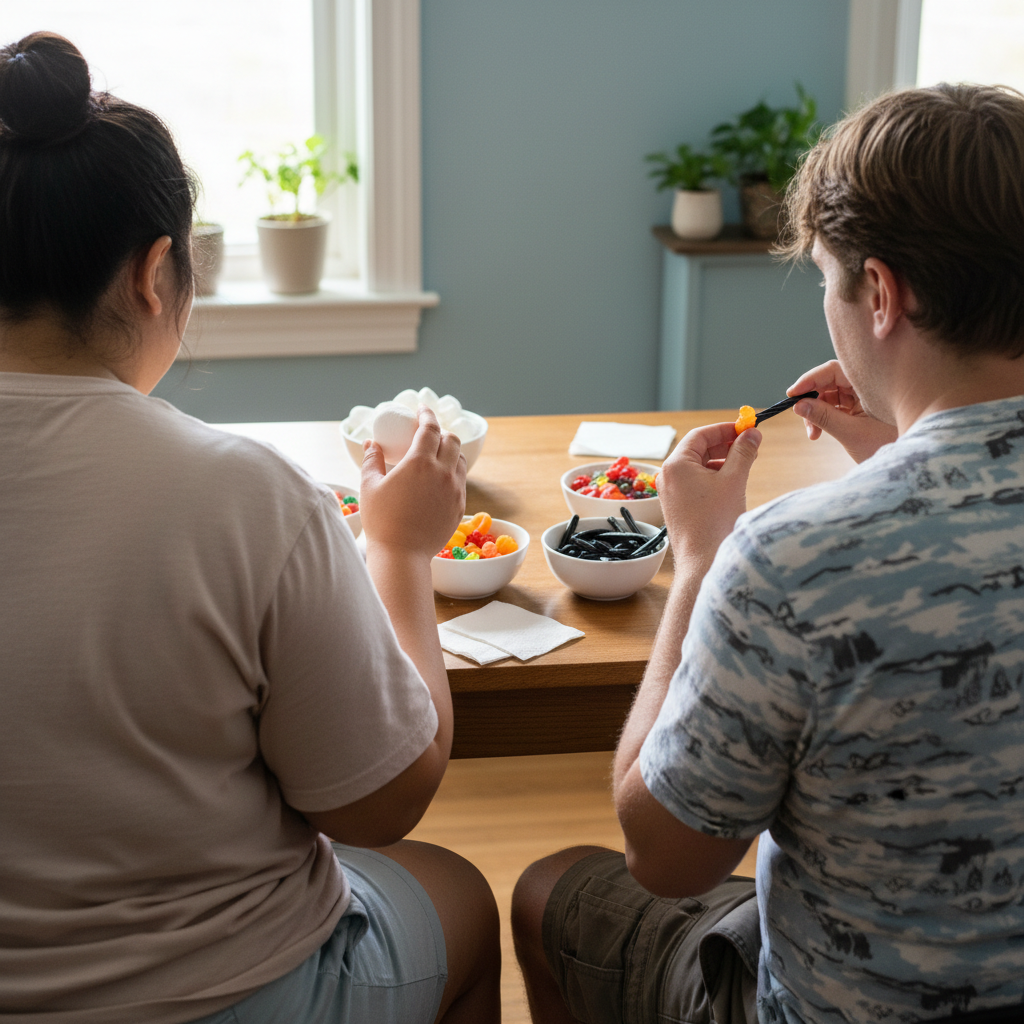
Chewy Foods
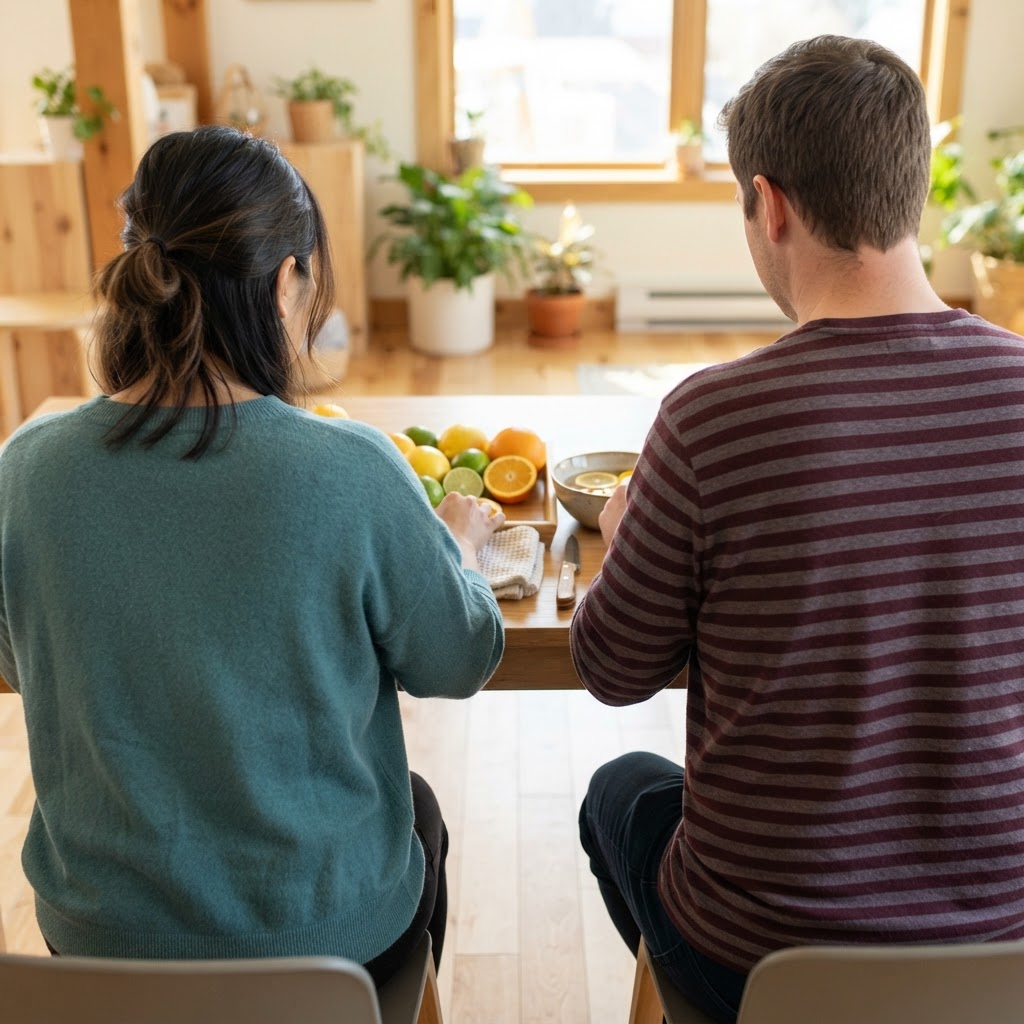
Citrus & Fresh Things
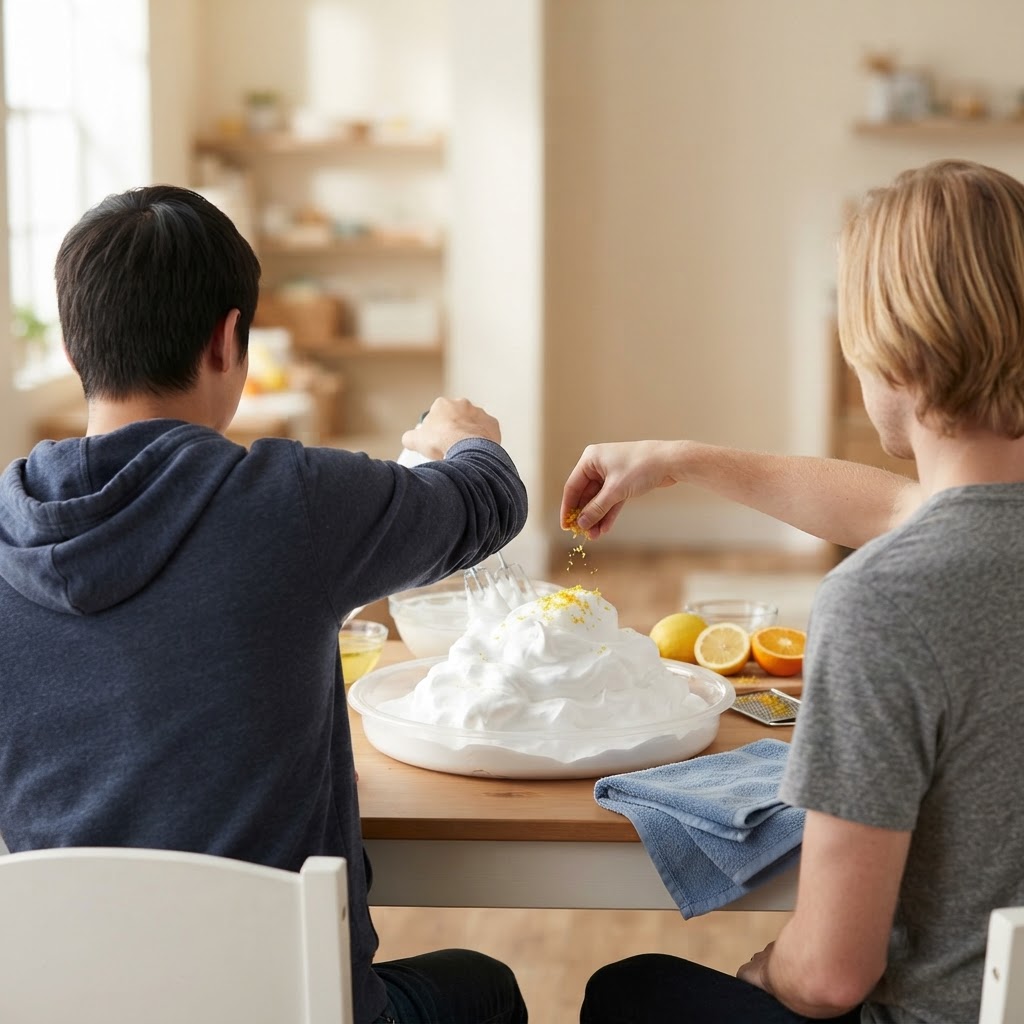
Citrus Cloud
Clean Cupboards
Clean the Fridge
Clean Windows
Cloud Scanning
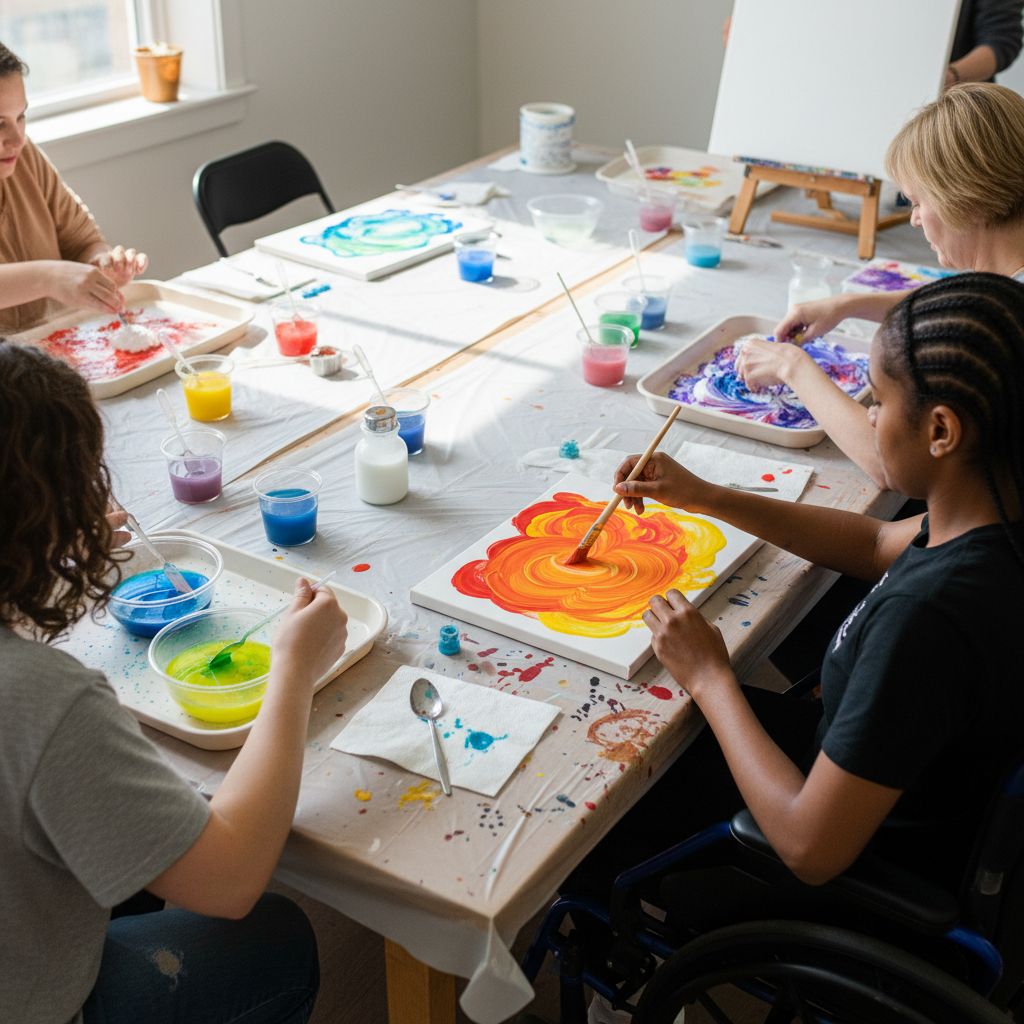
Colour Mixing
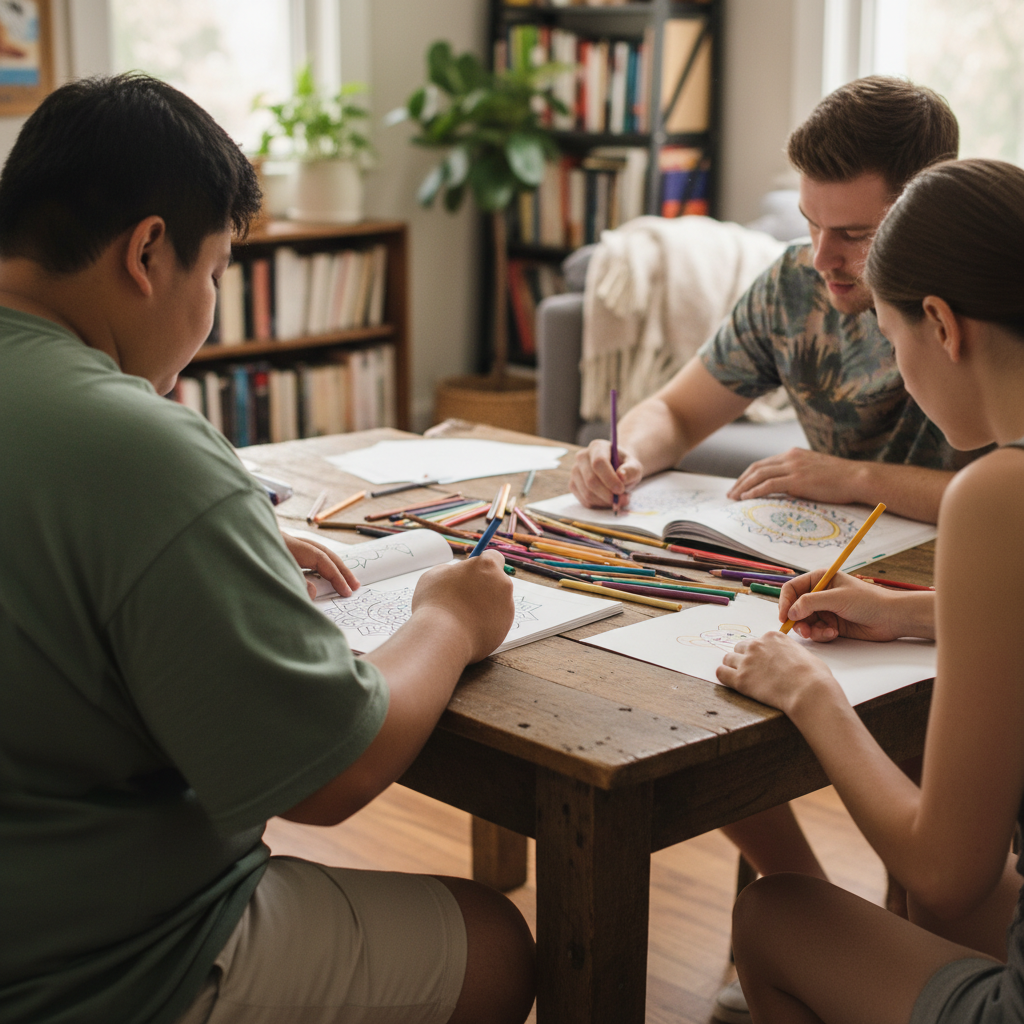
Colouring
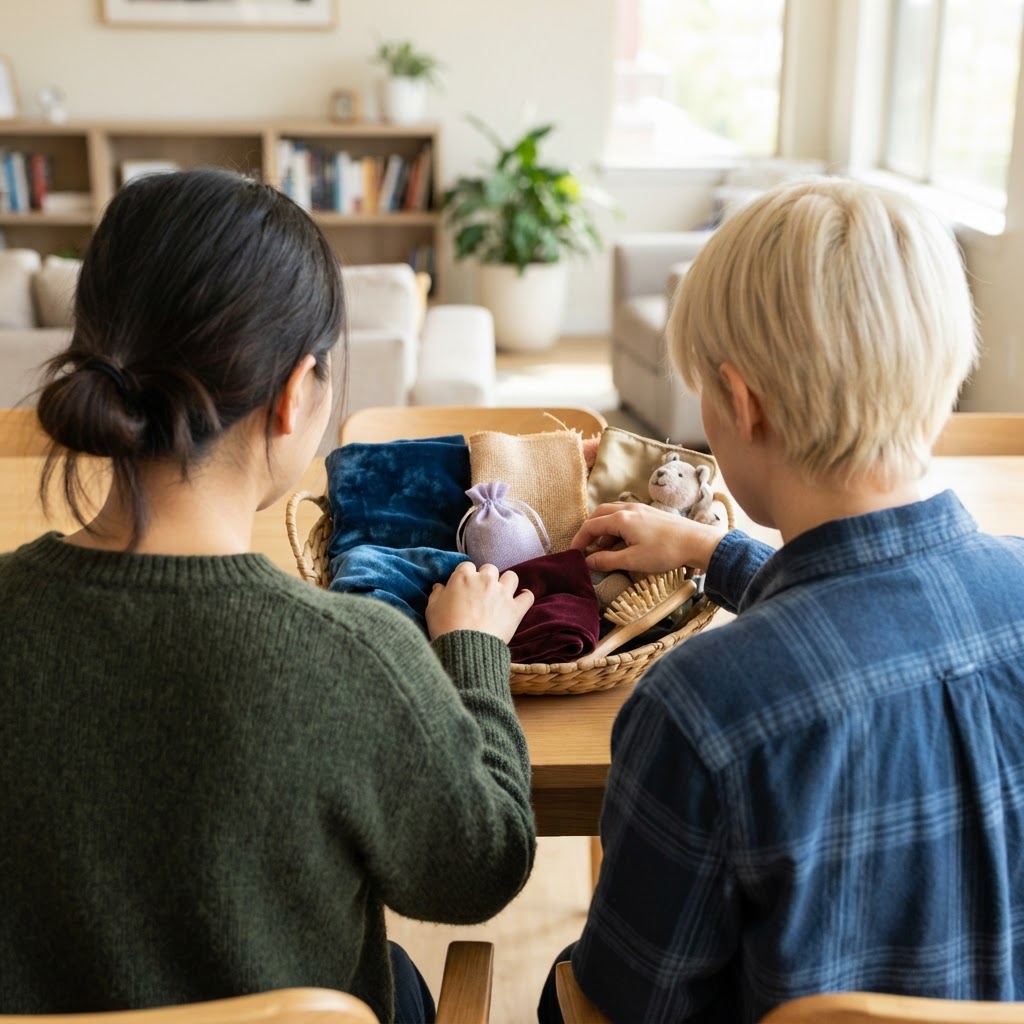
Comfort Basket
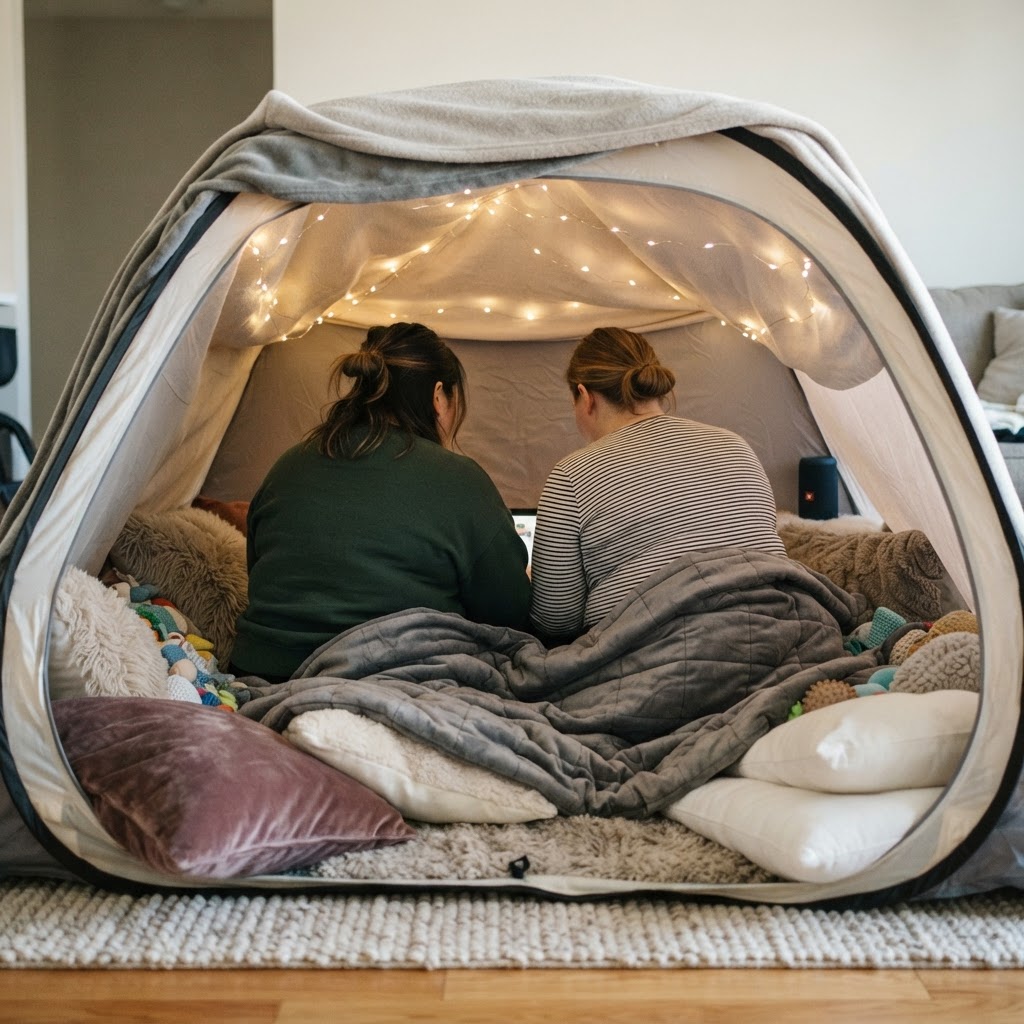
Comfort Cave
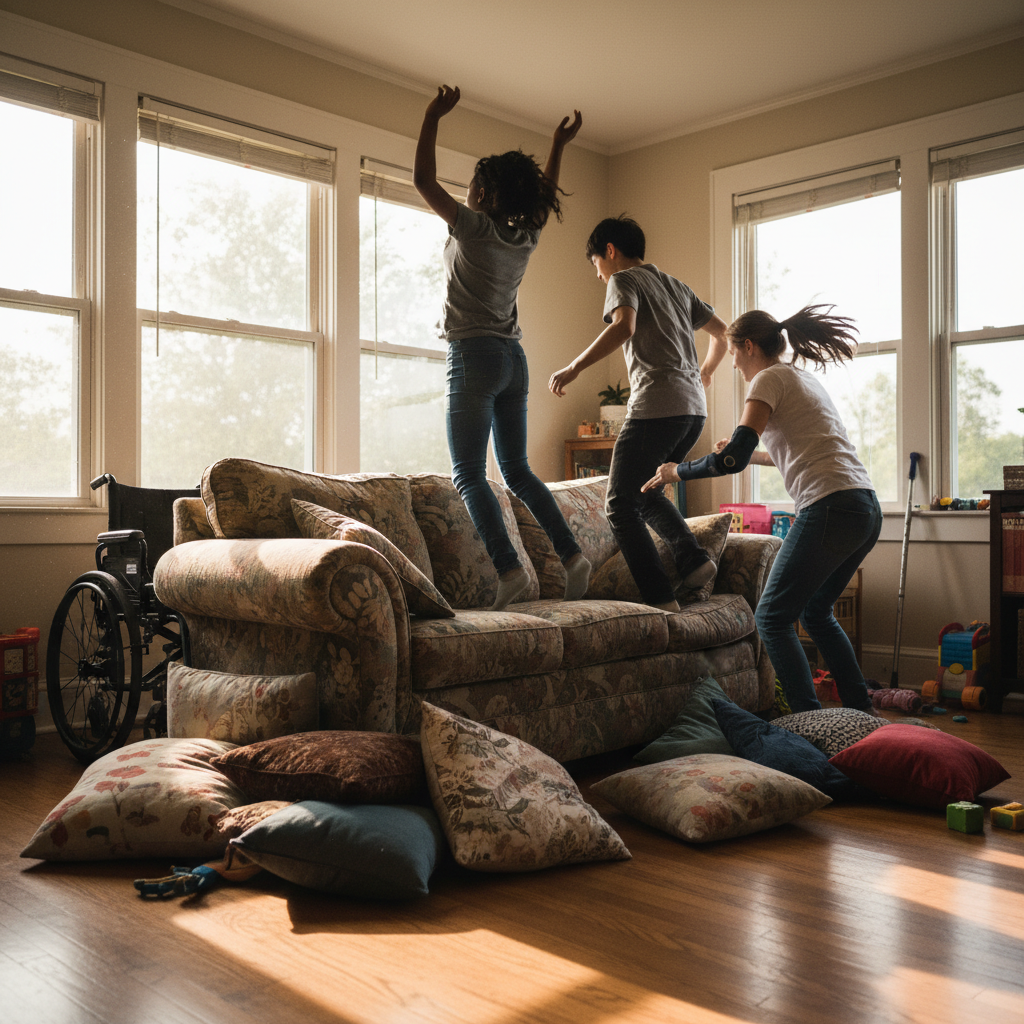
Couch Jumping
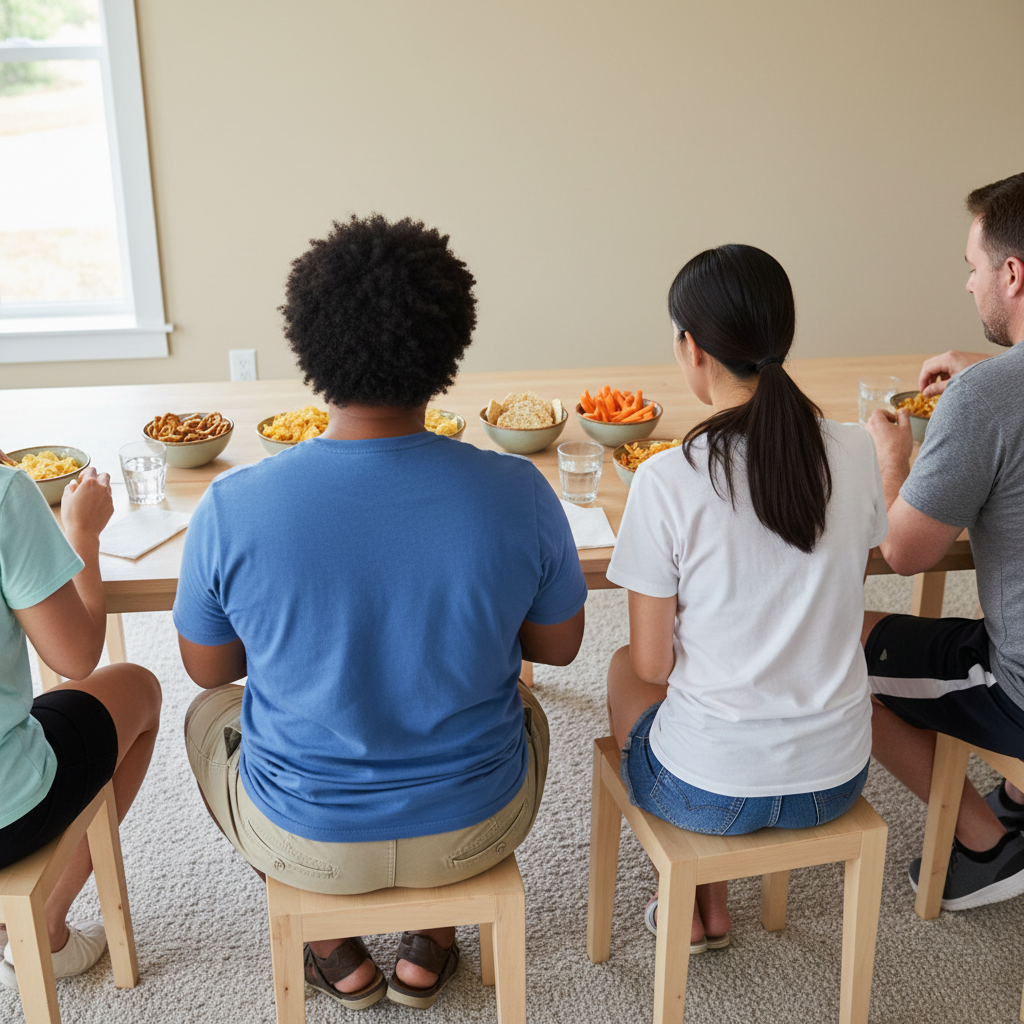
Crunchy Foods

Crunchy Foods
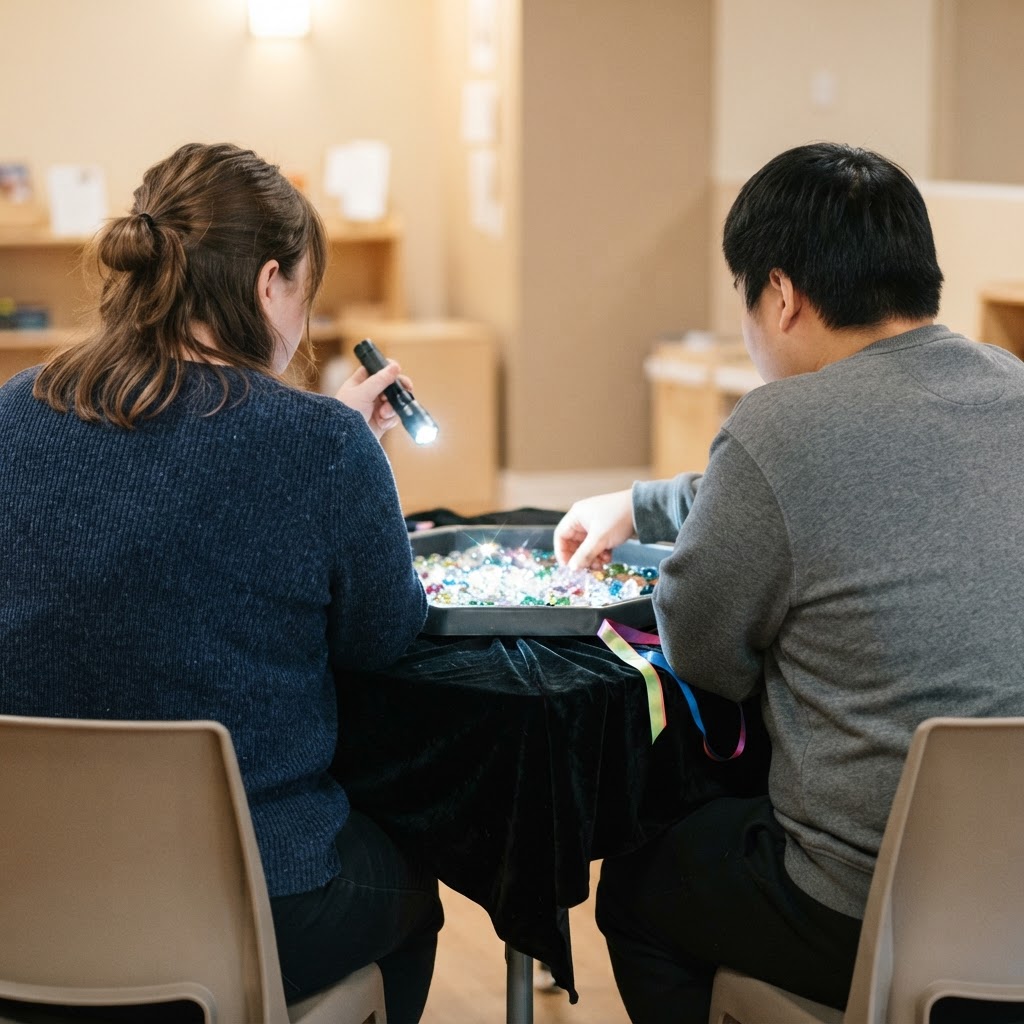
Crystal Catchers
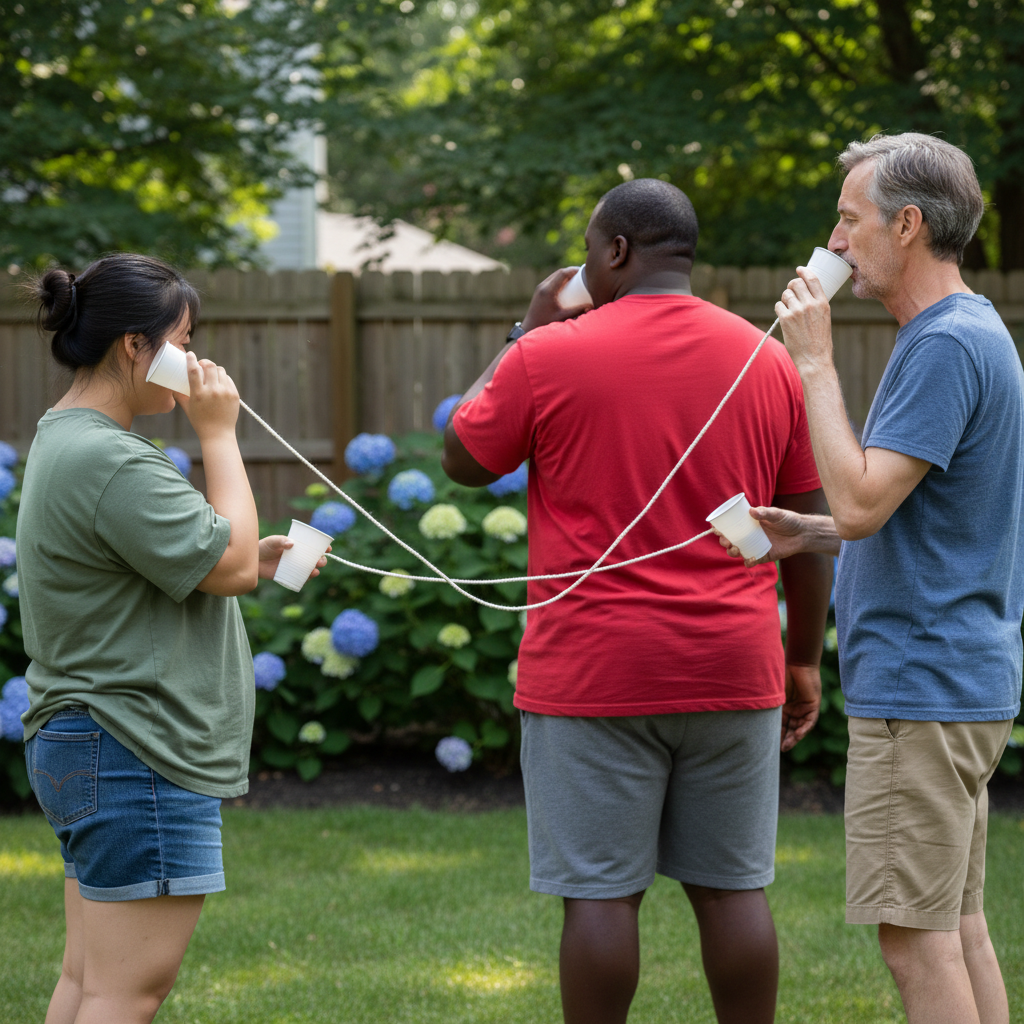
Cup Telephone
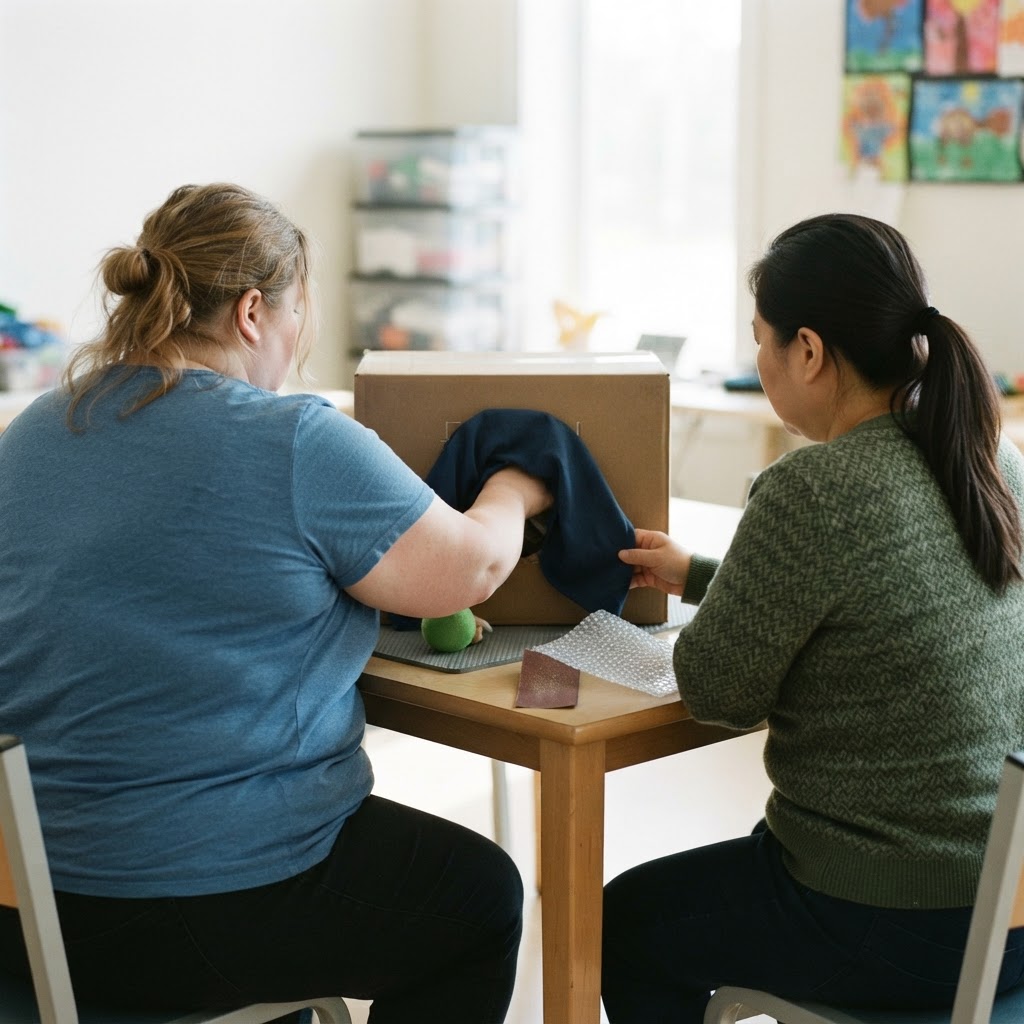
Curiosity Box
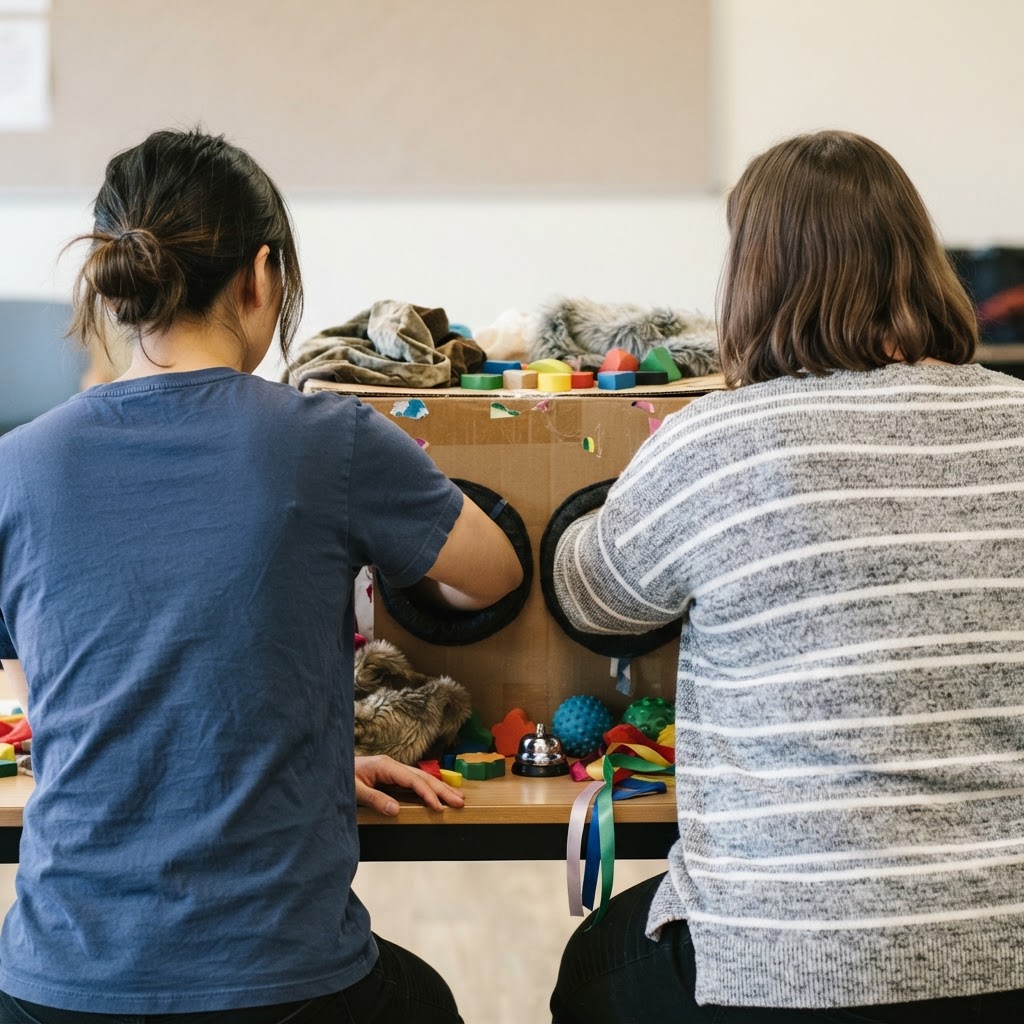
Curiosity Box
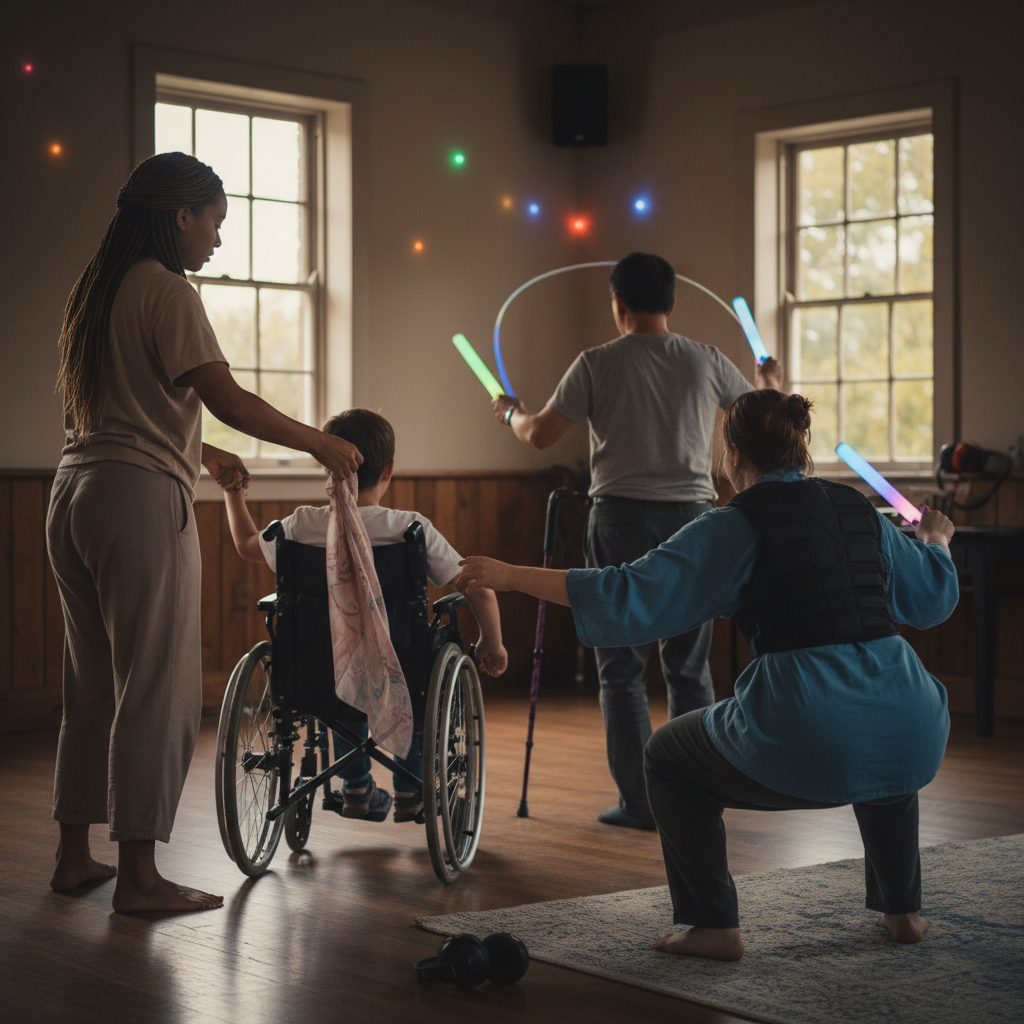
Dancing

Dancing
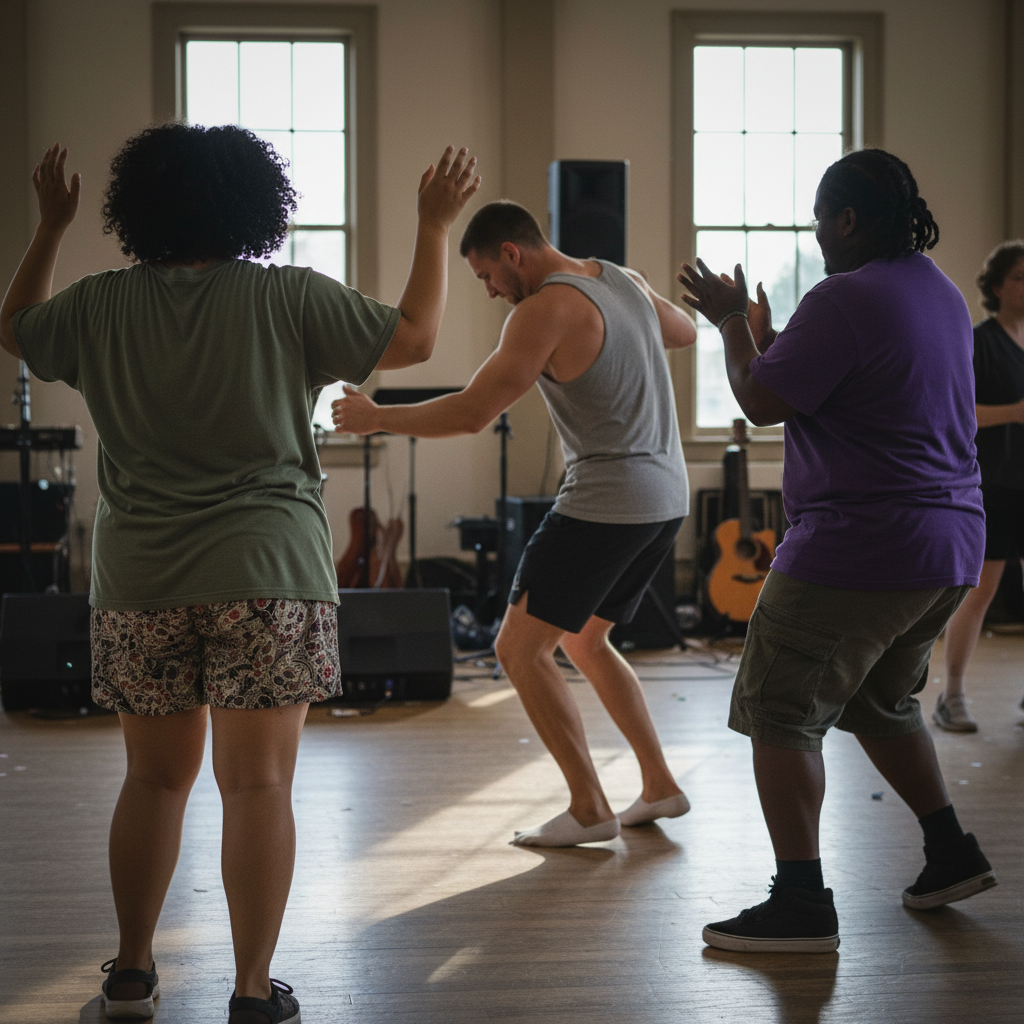
Dancing

Dandelion Blowing
Deep Pressure Massage
Deep Pressure Squeeze Grounding Technique
Dot To Dot

Dream Tent

Dress Ups
Drums
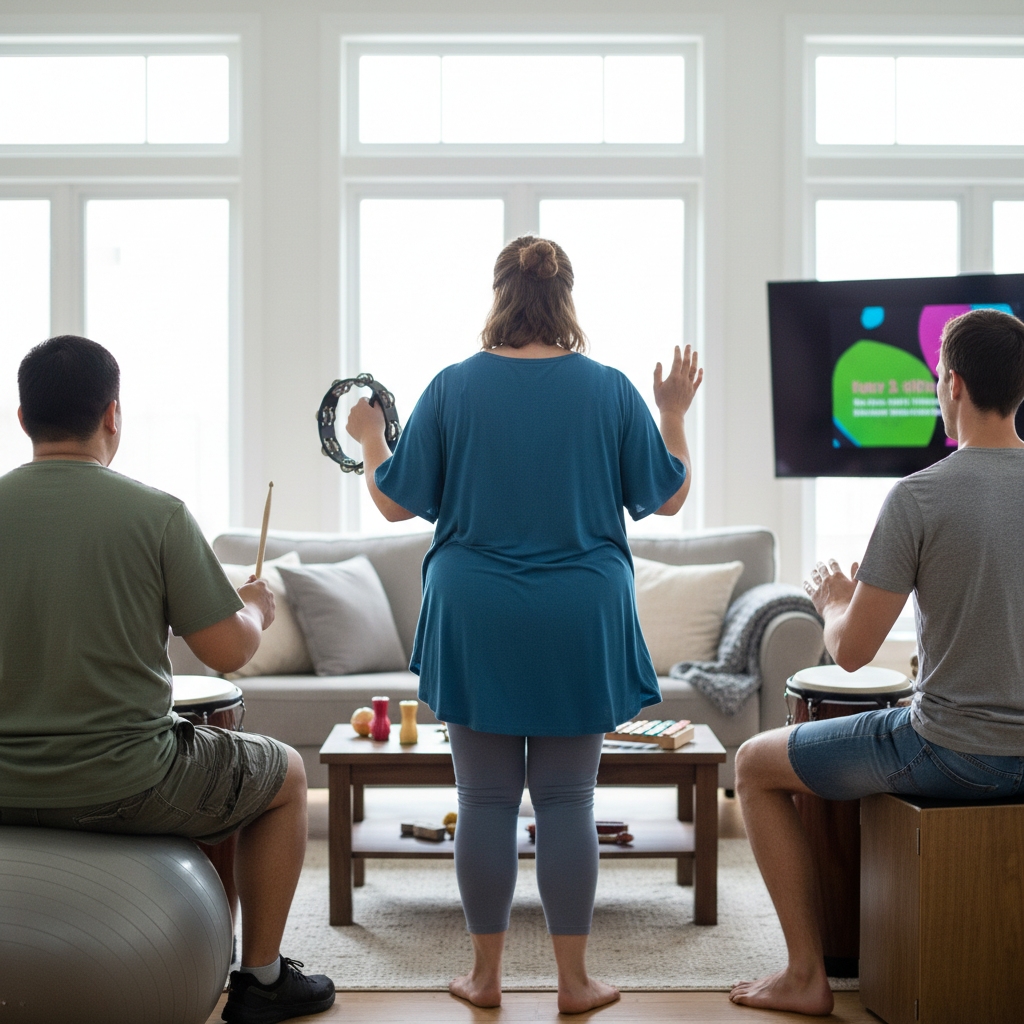
Drums and Percussion
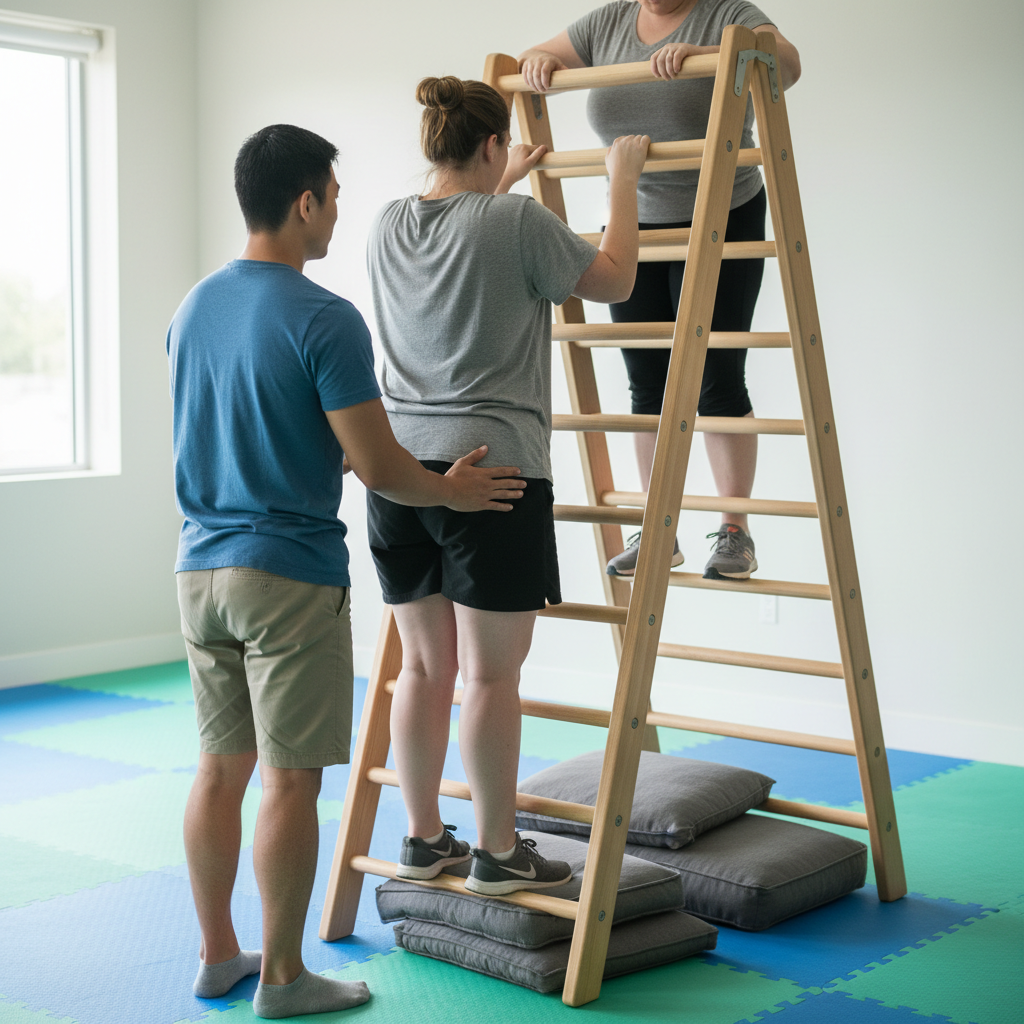
Easy Ladder Climbing
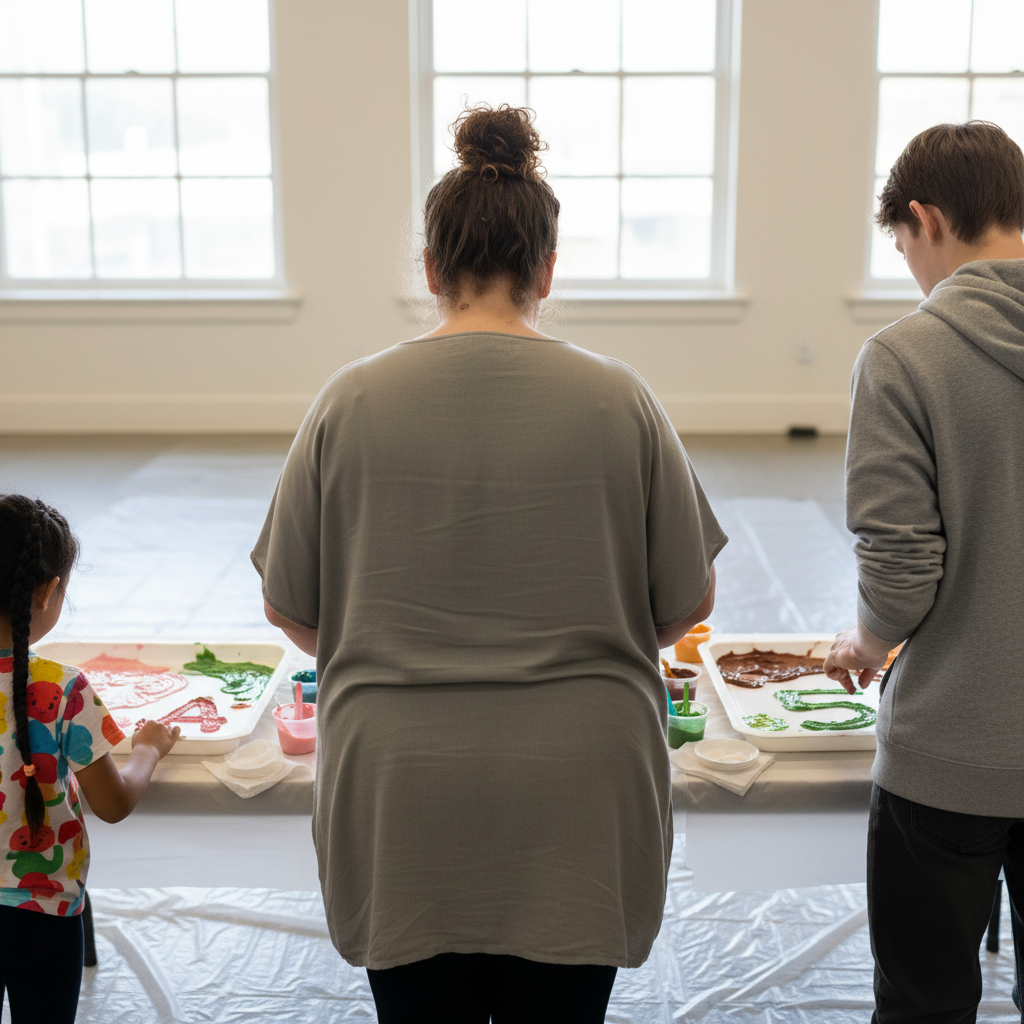
Edible Finger Painting
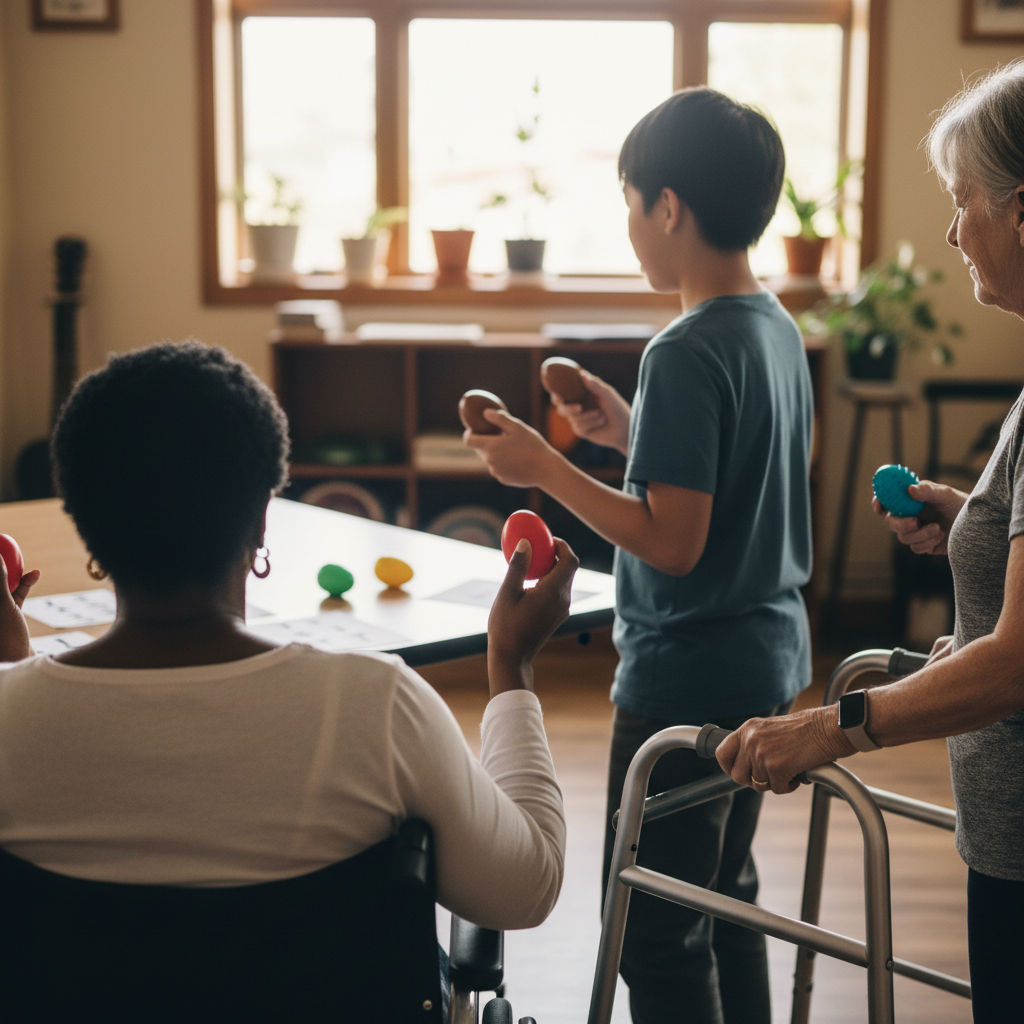
Egg Shaker
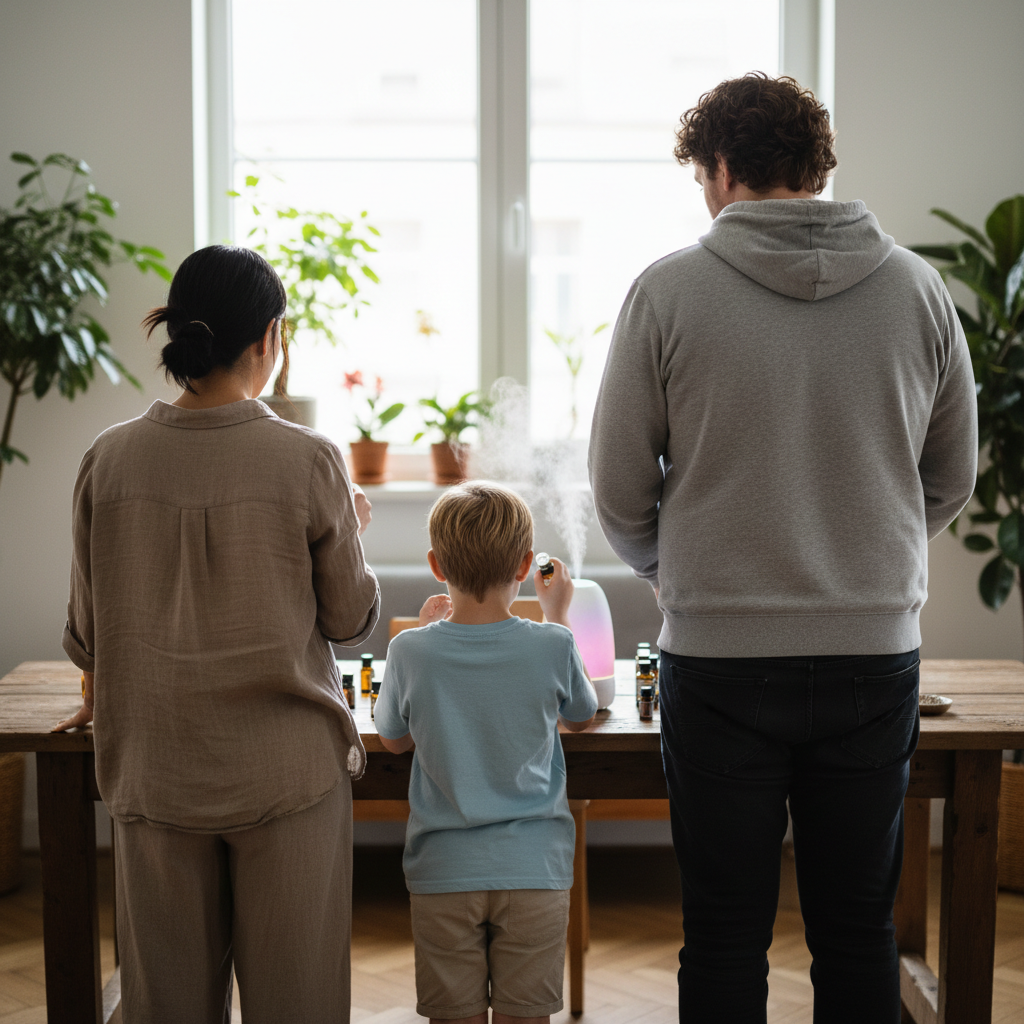
Essential Oils
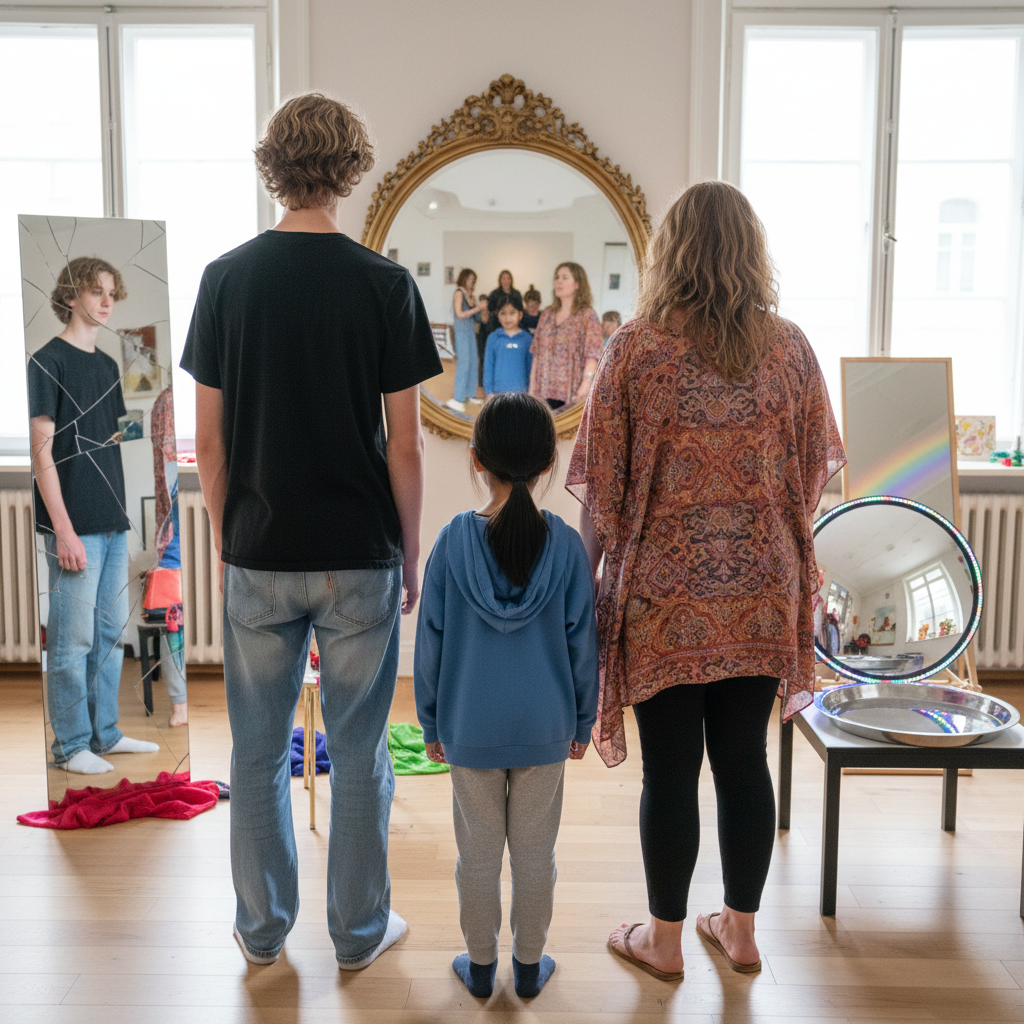
Explore Reflections
Exploring Sour Foods
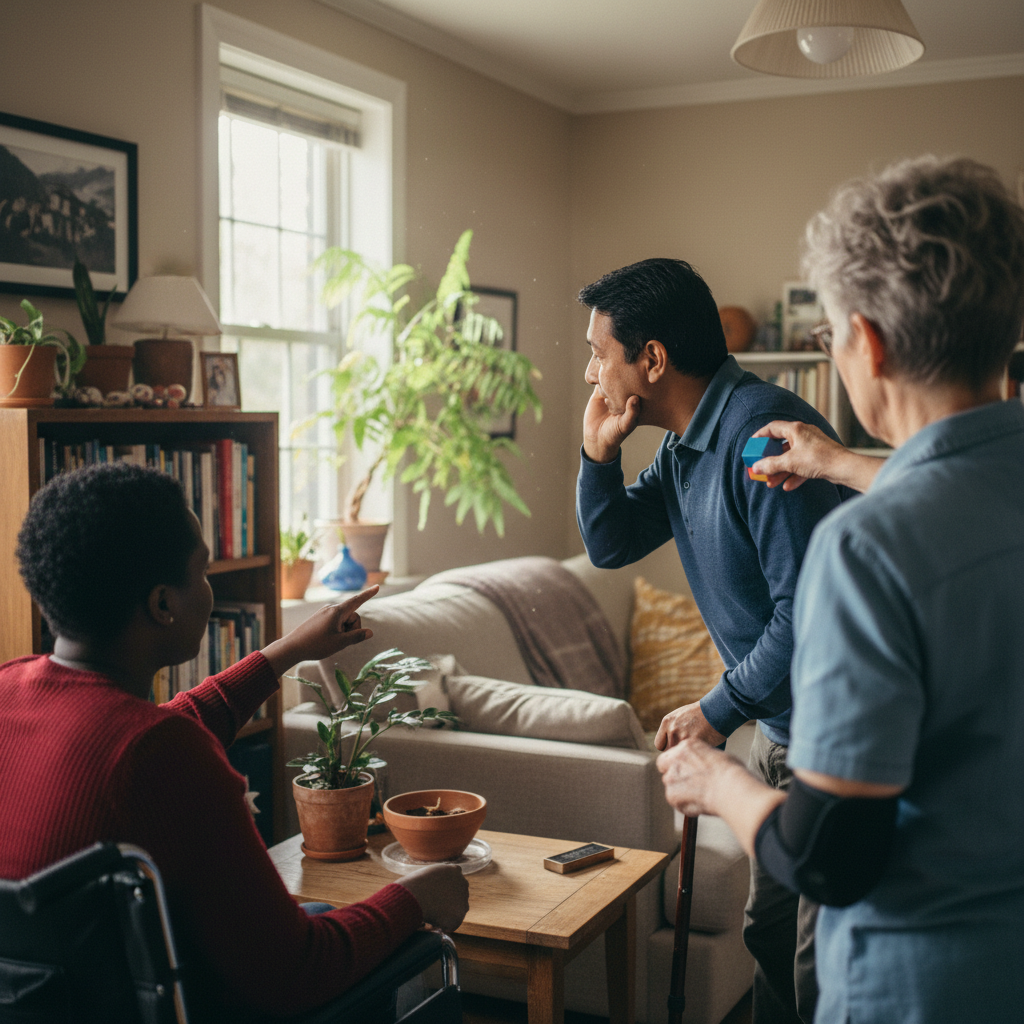
Eye Spy
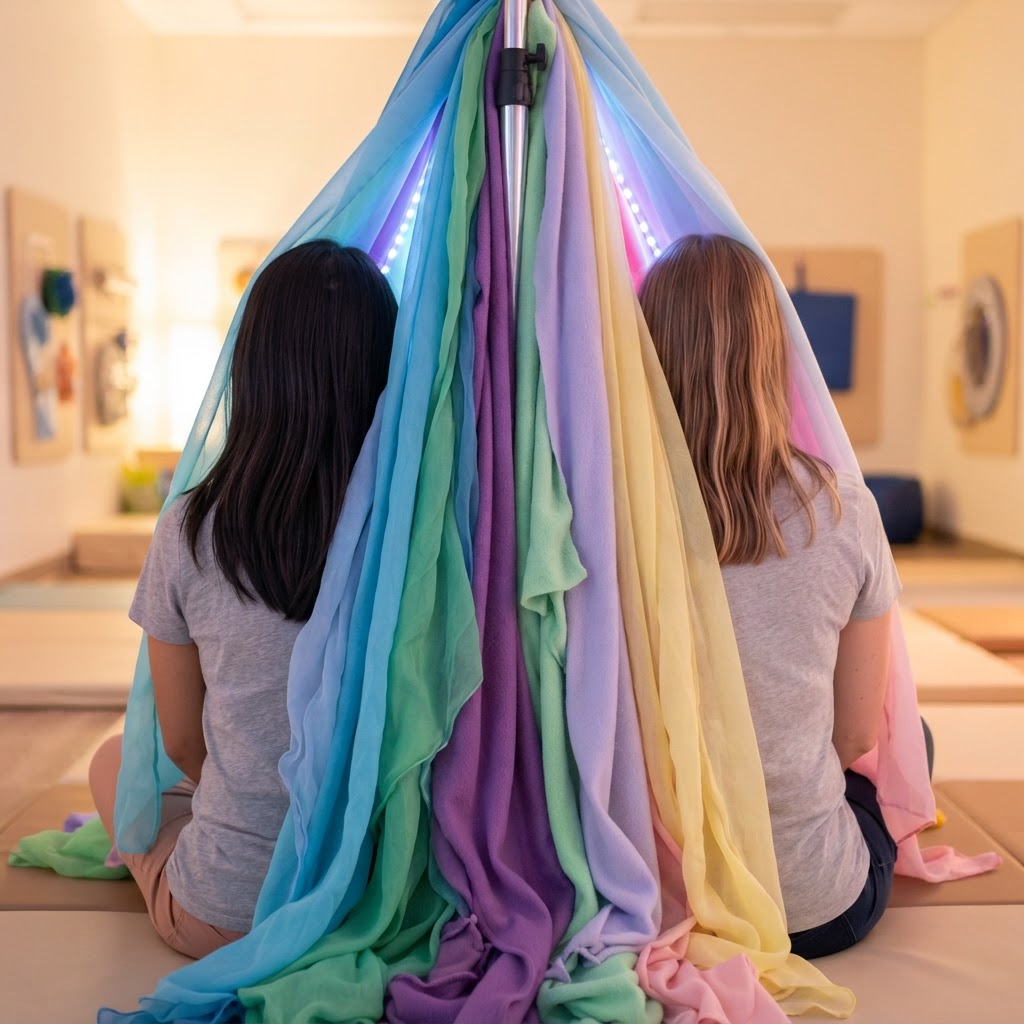
Fabric Waterfall
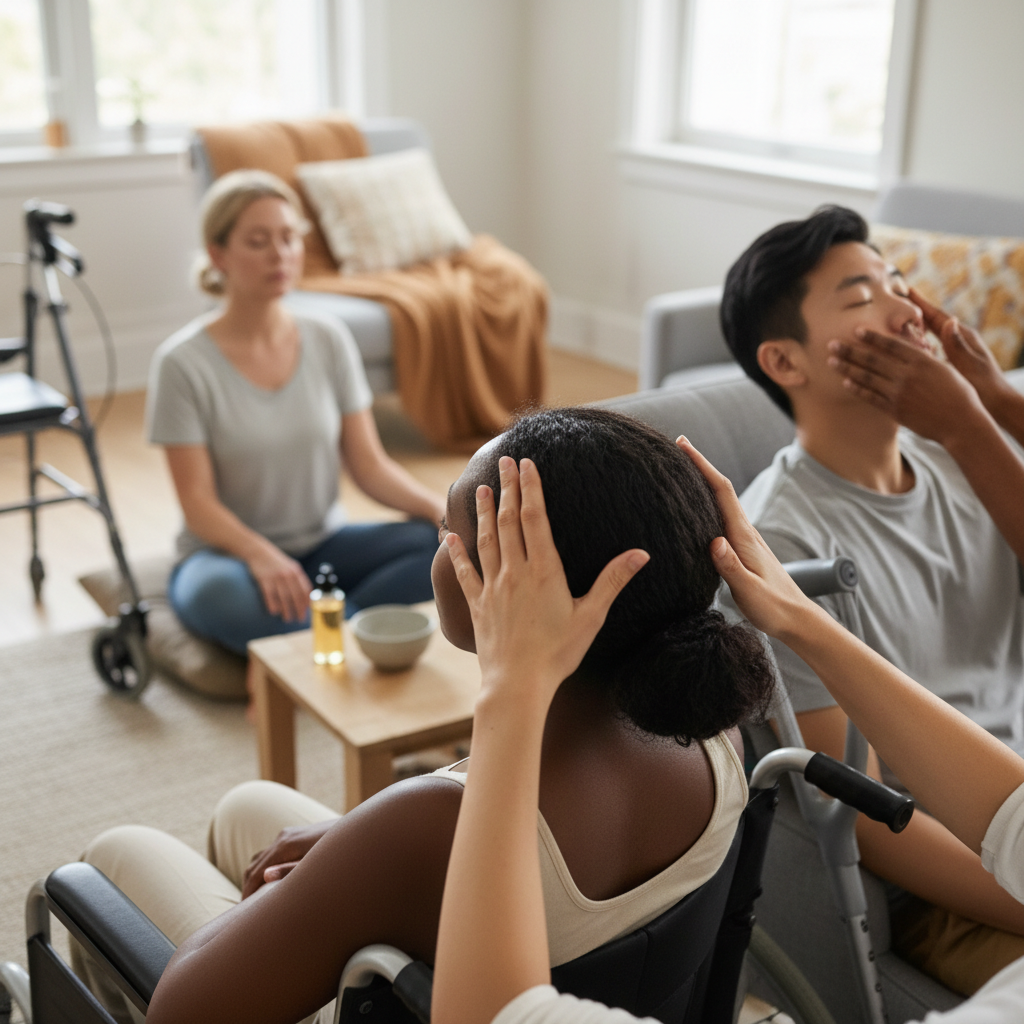
Face Massage
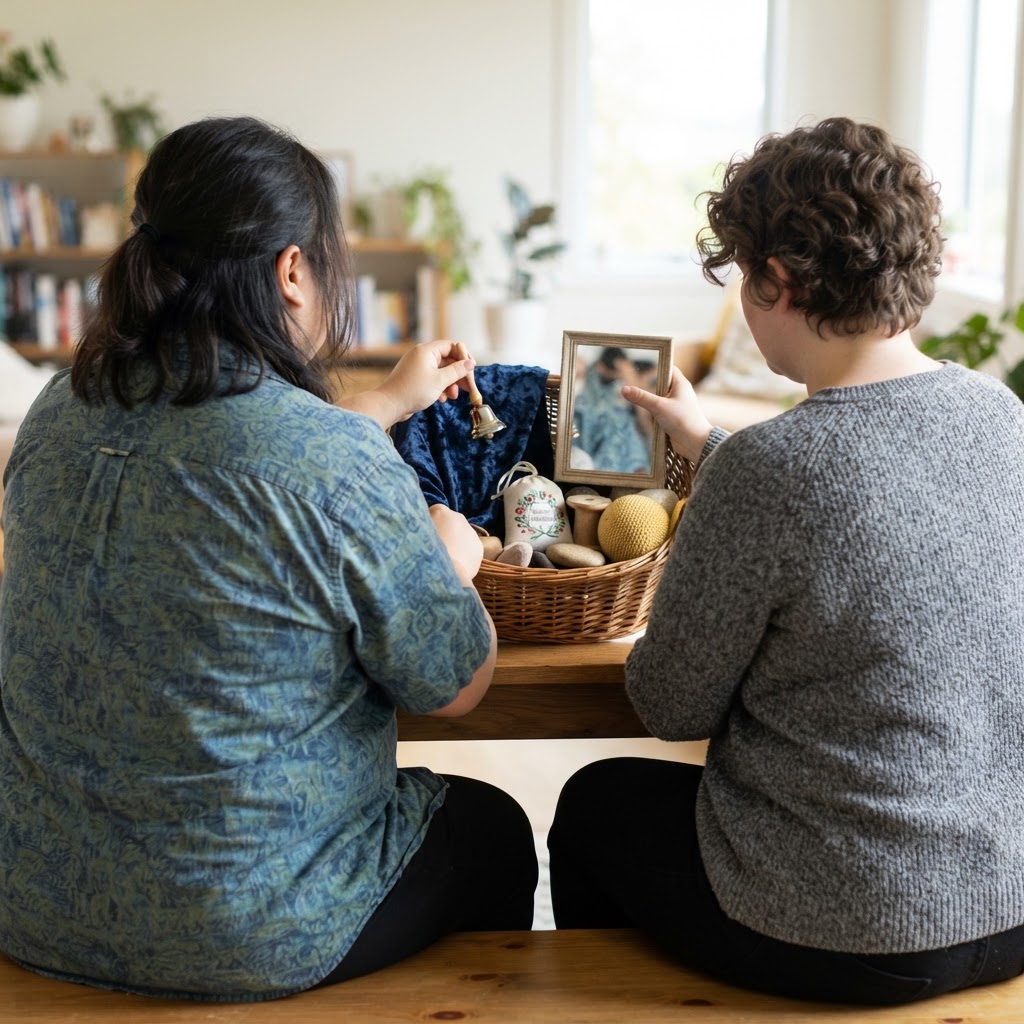
Favourite Things Basket
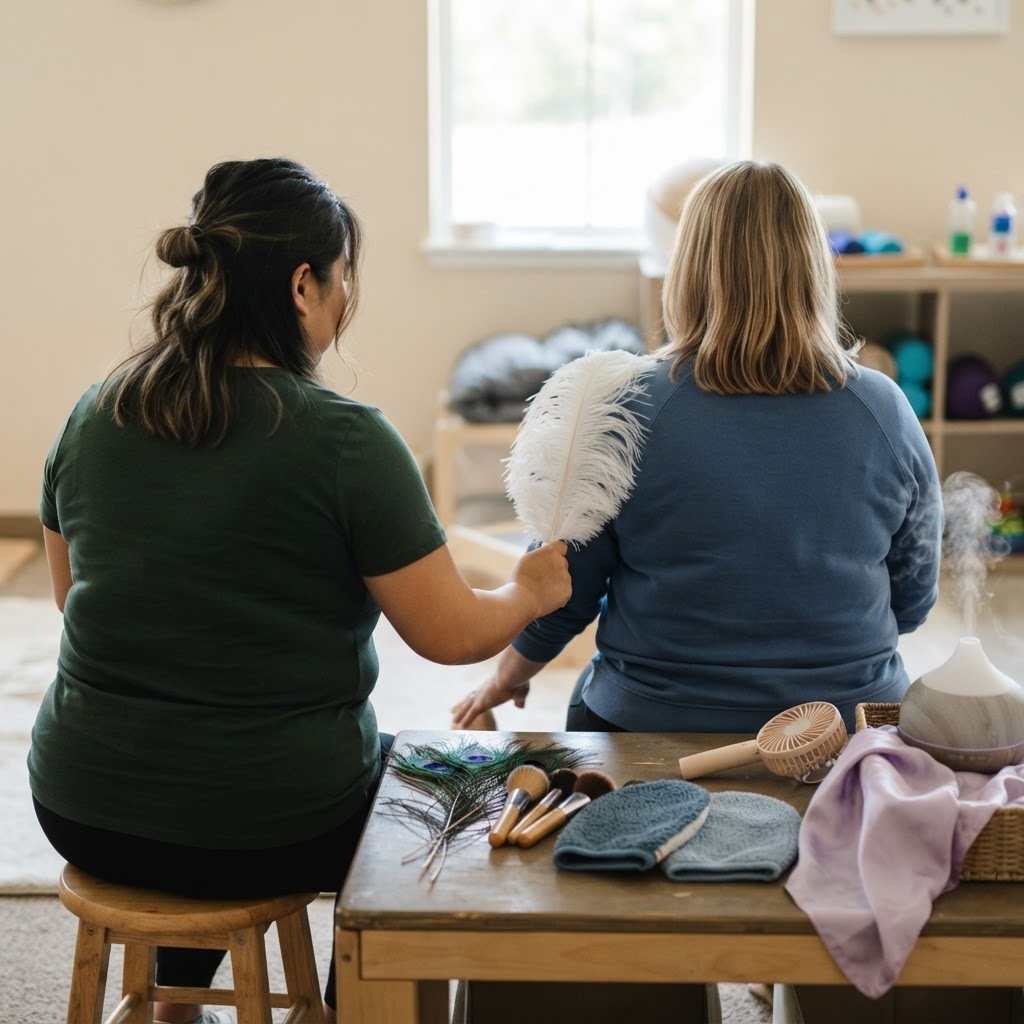
Feather Forest
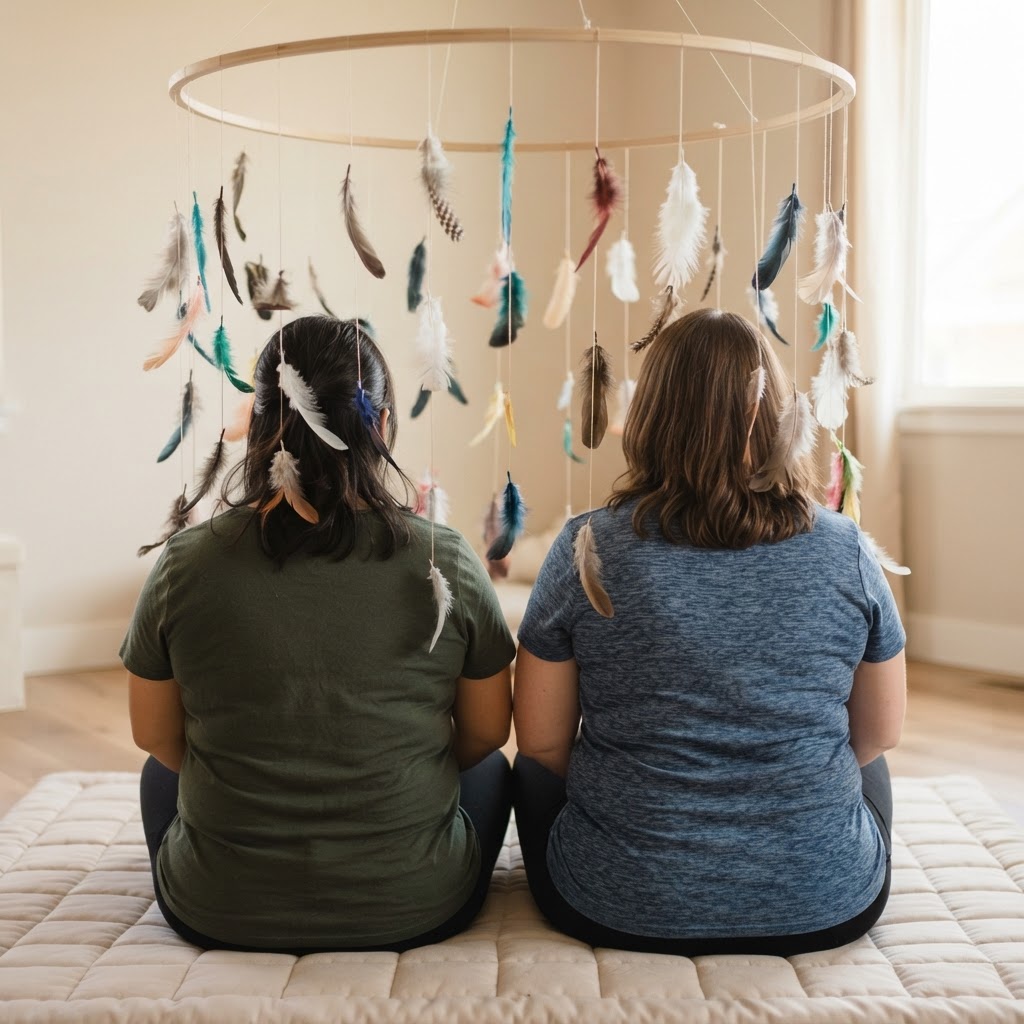
Feather Forest
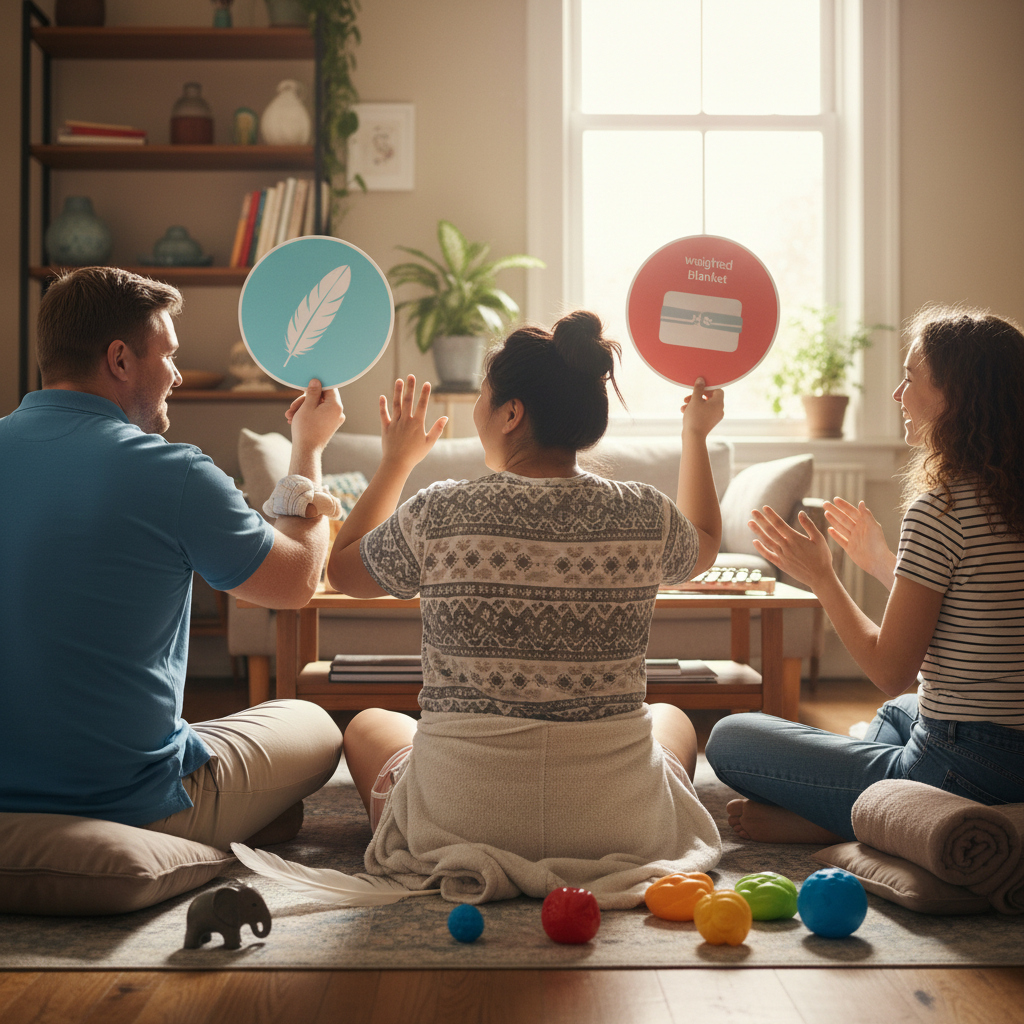
Feeling firm vs light touch
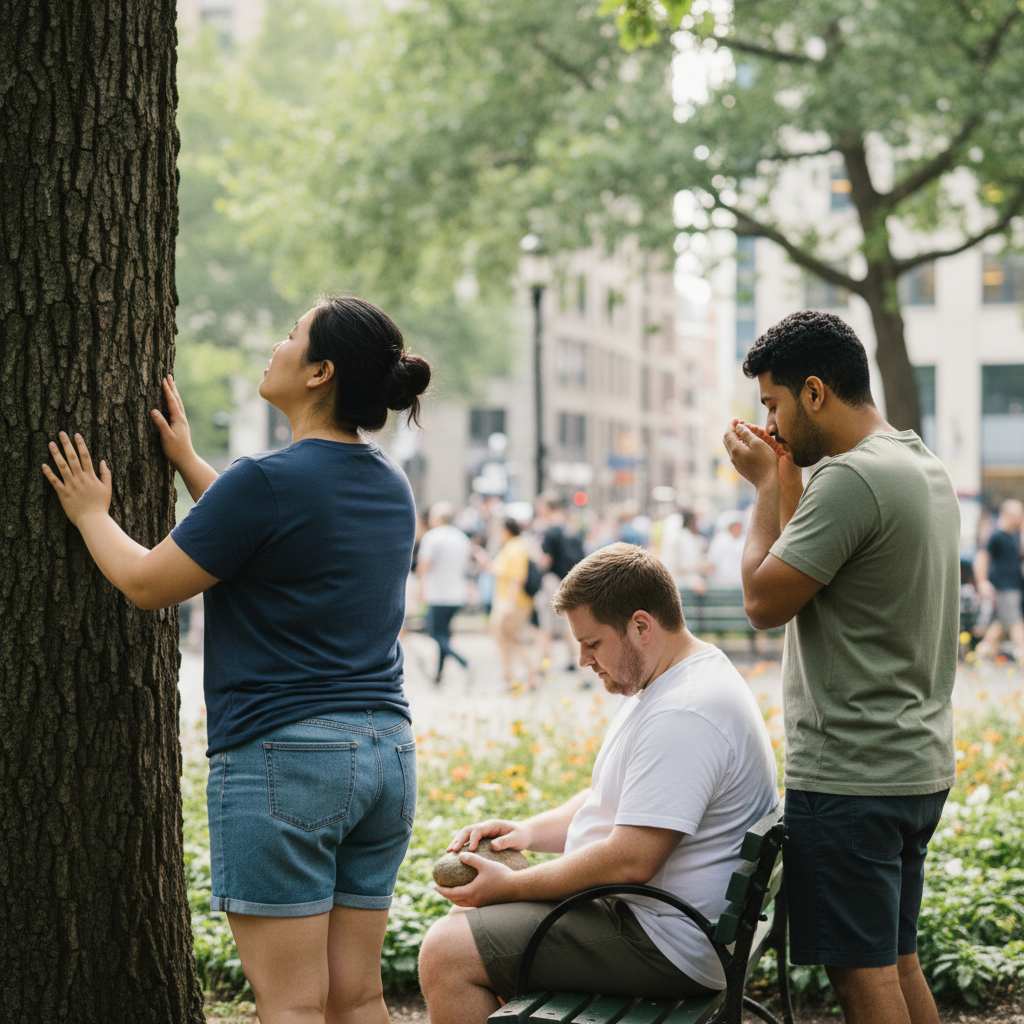
Feeling Grounded
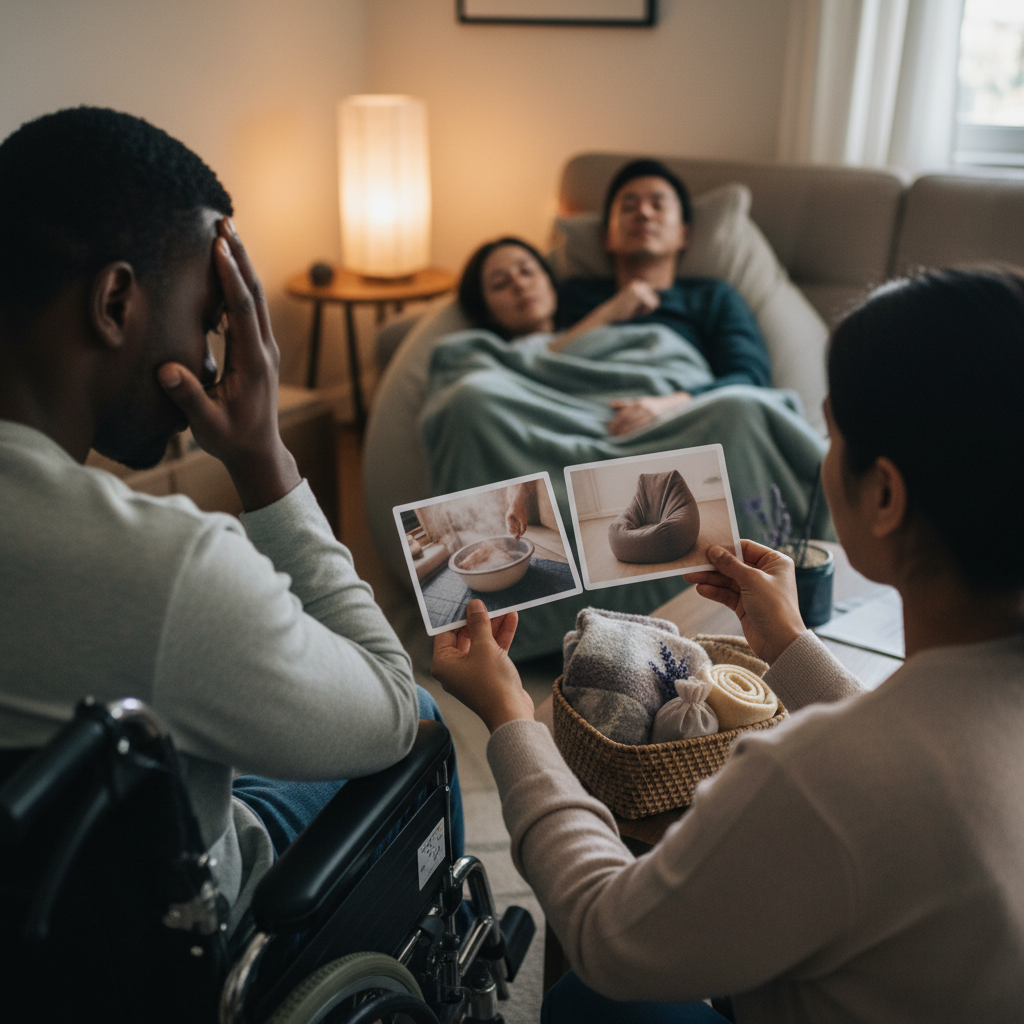
Feeling Tired
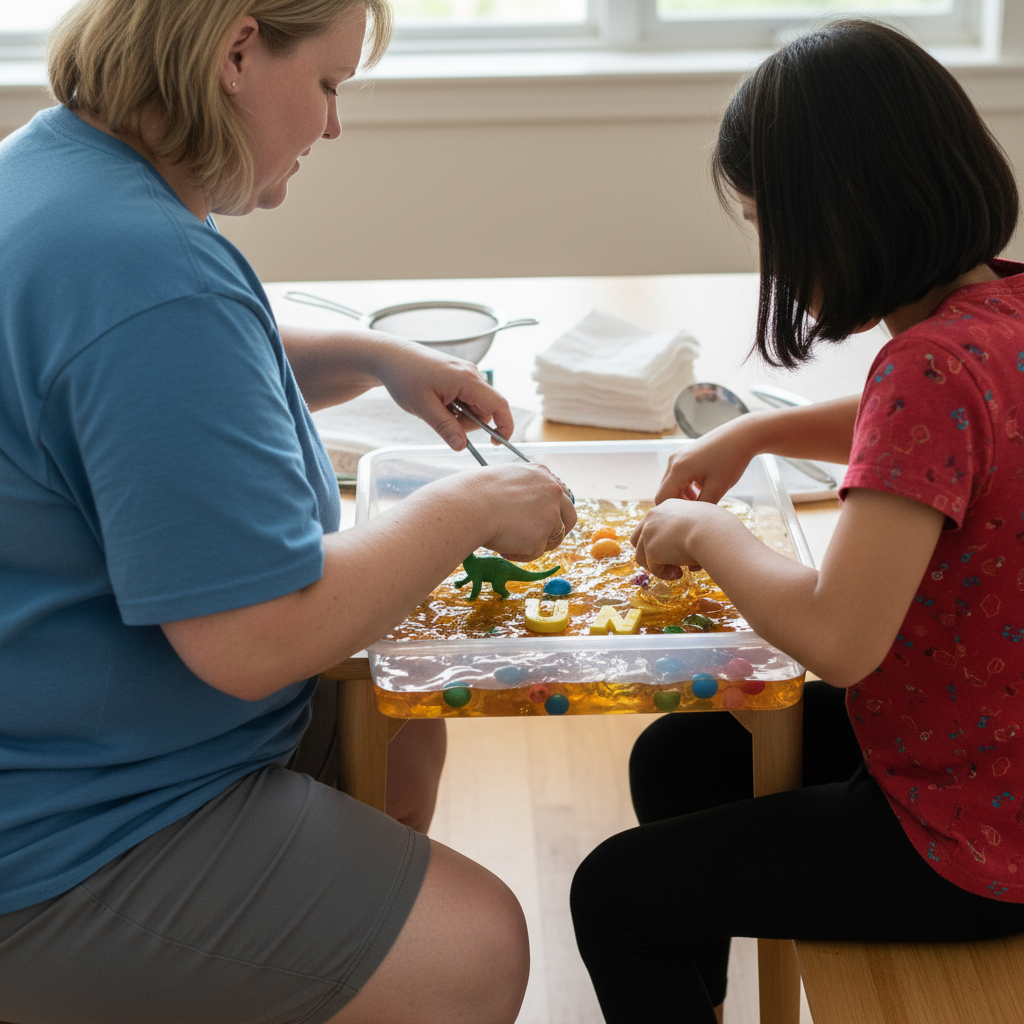
Find Objects in Jelly
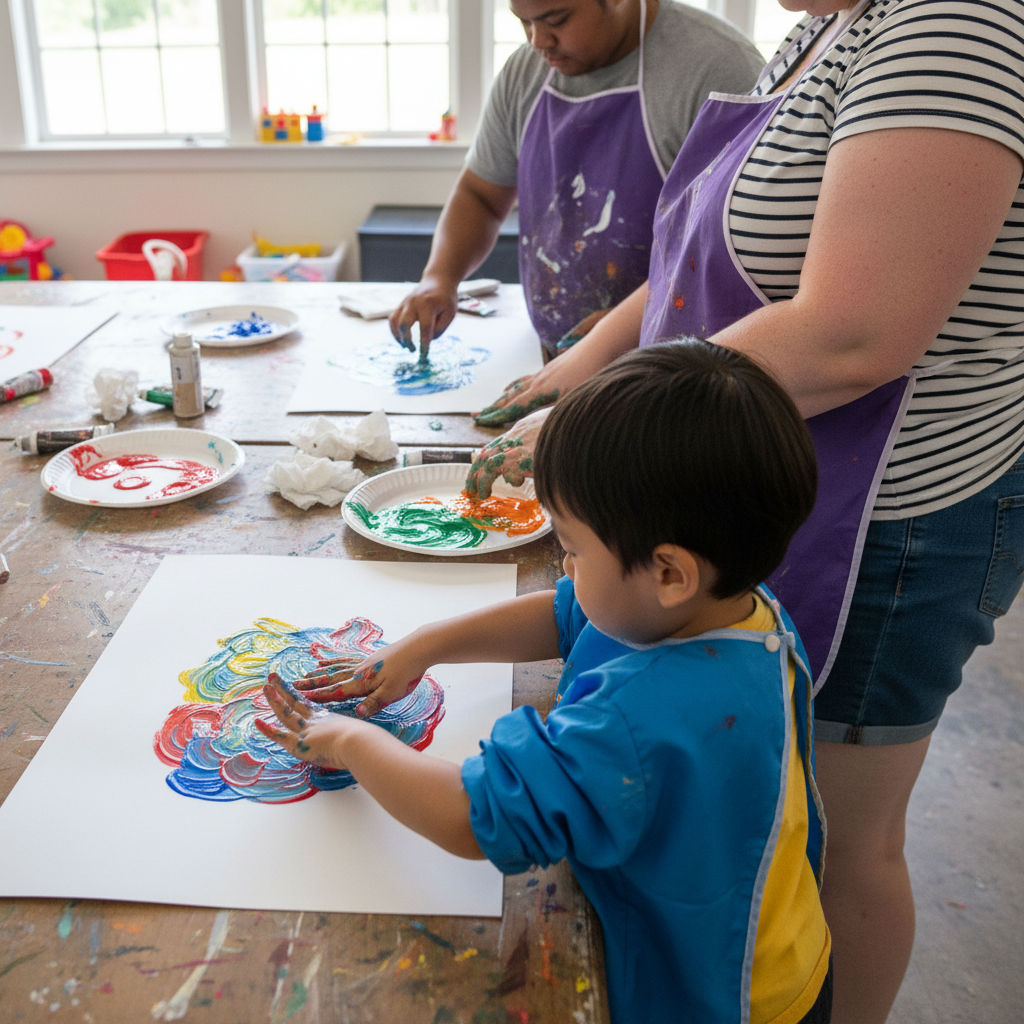
Finger Painting
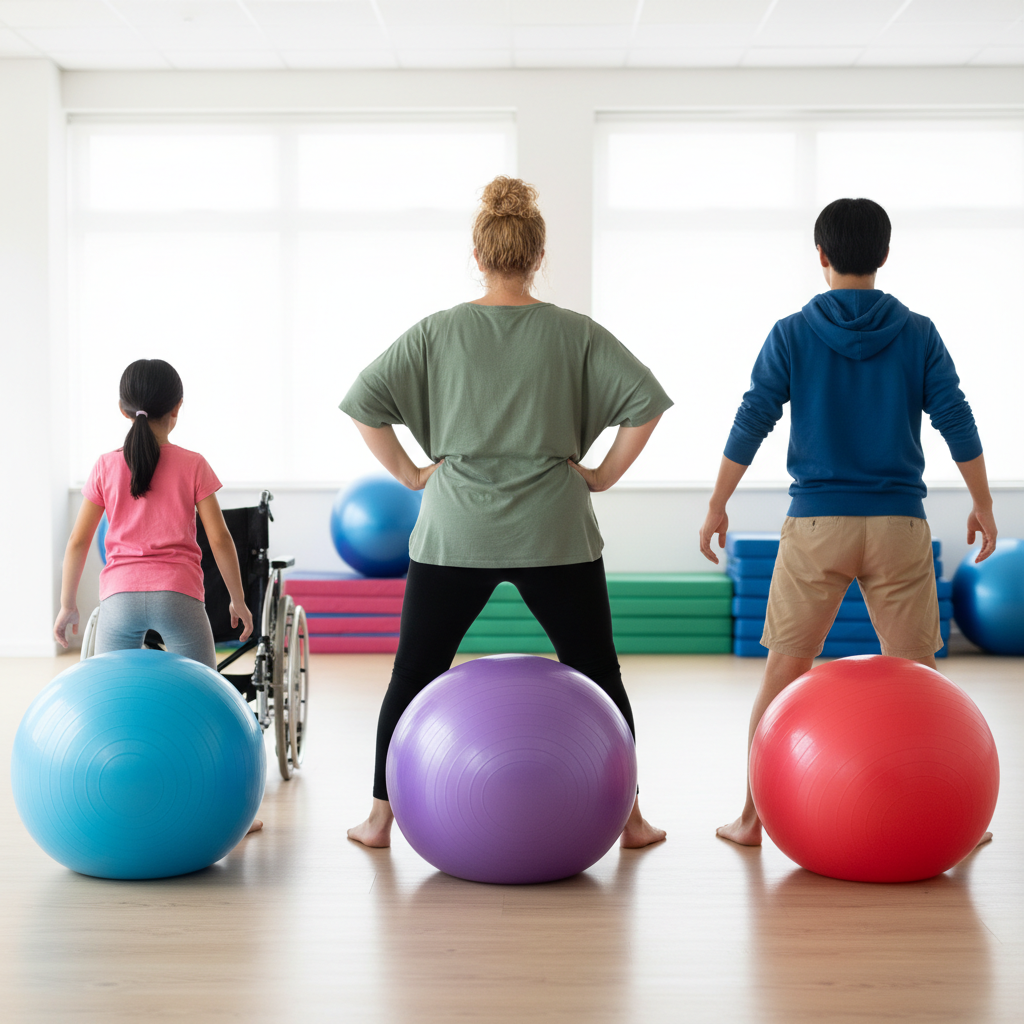
Fit-Ball Bouncing
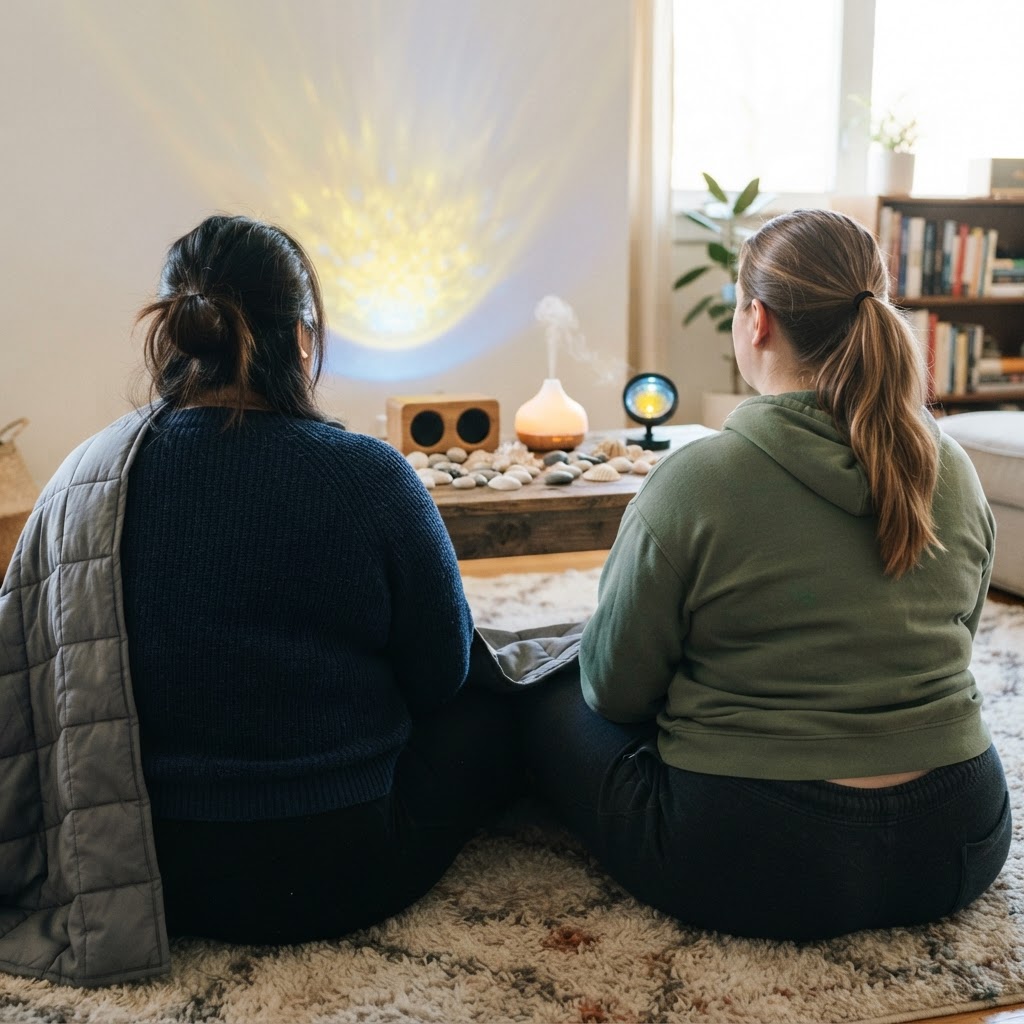
Five Minute Holiday
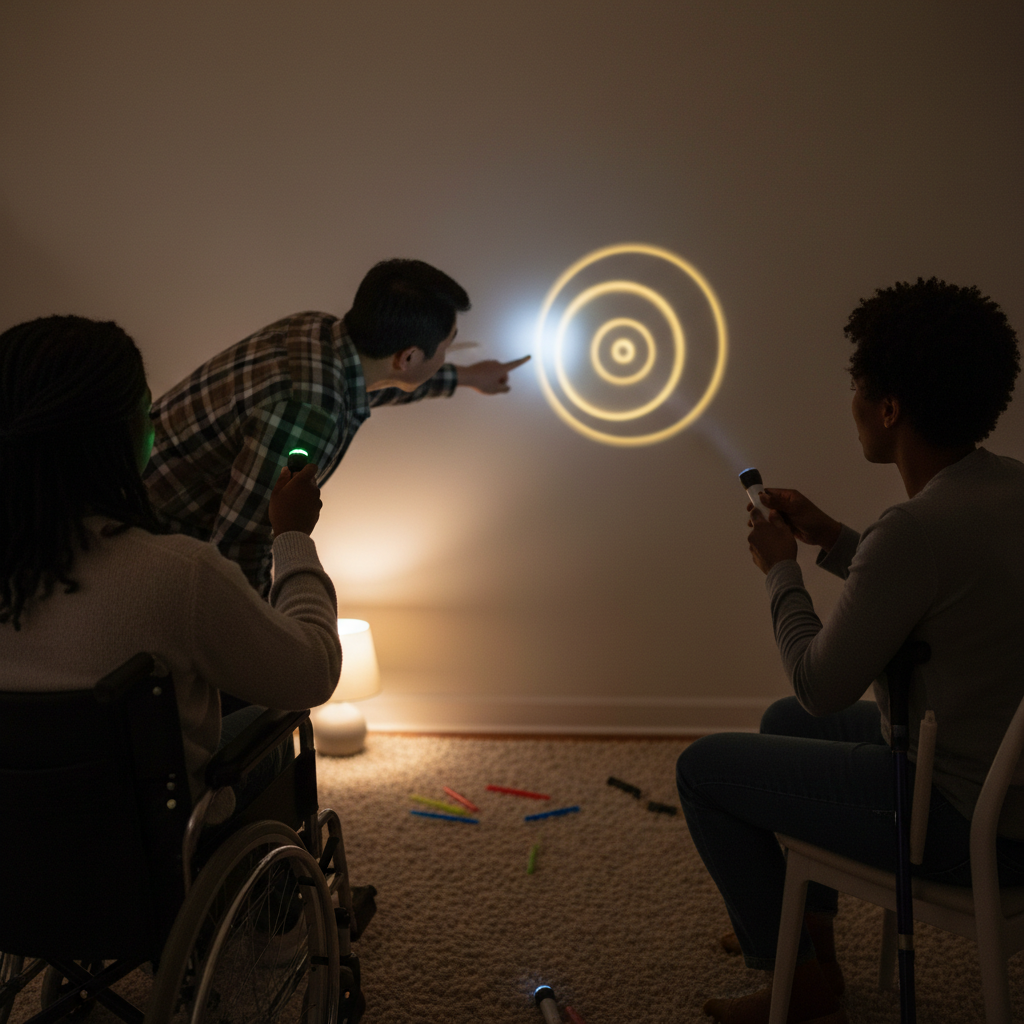
Flashlight Tag
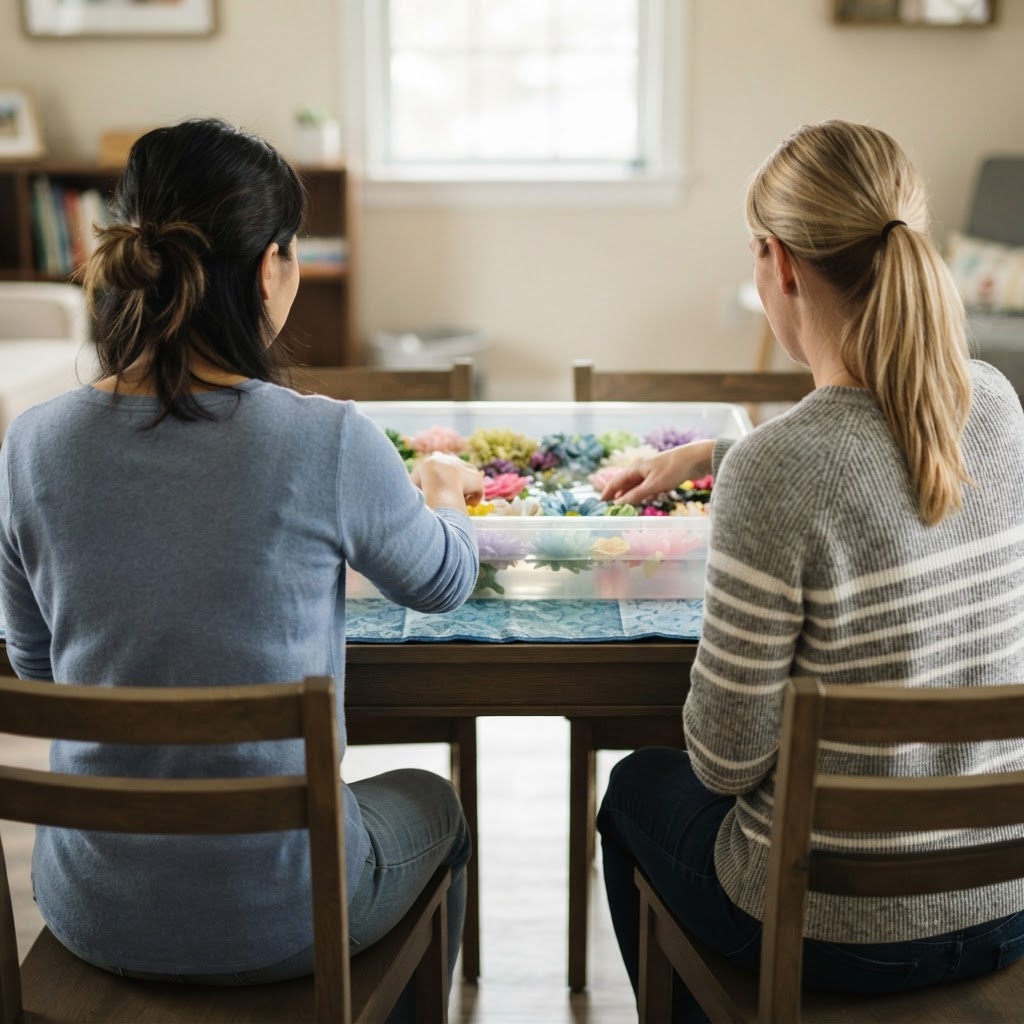
Floating Flowers

Floating Petals
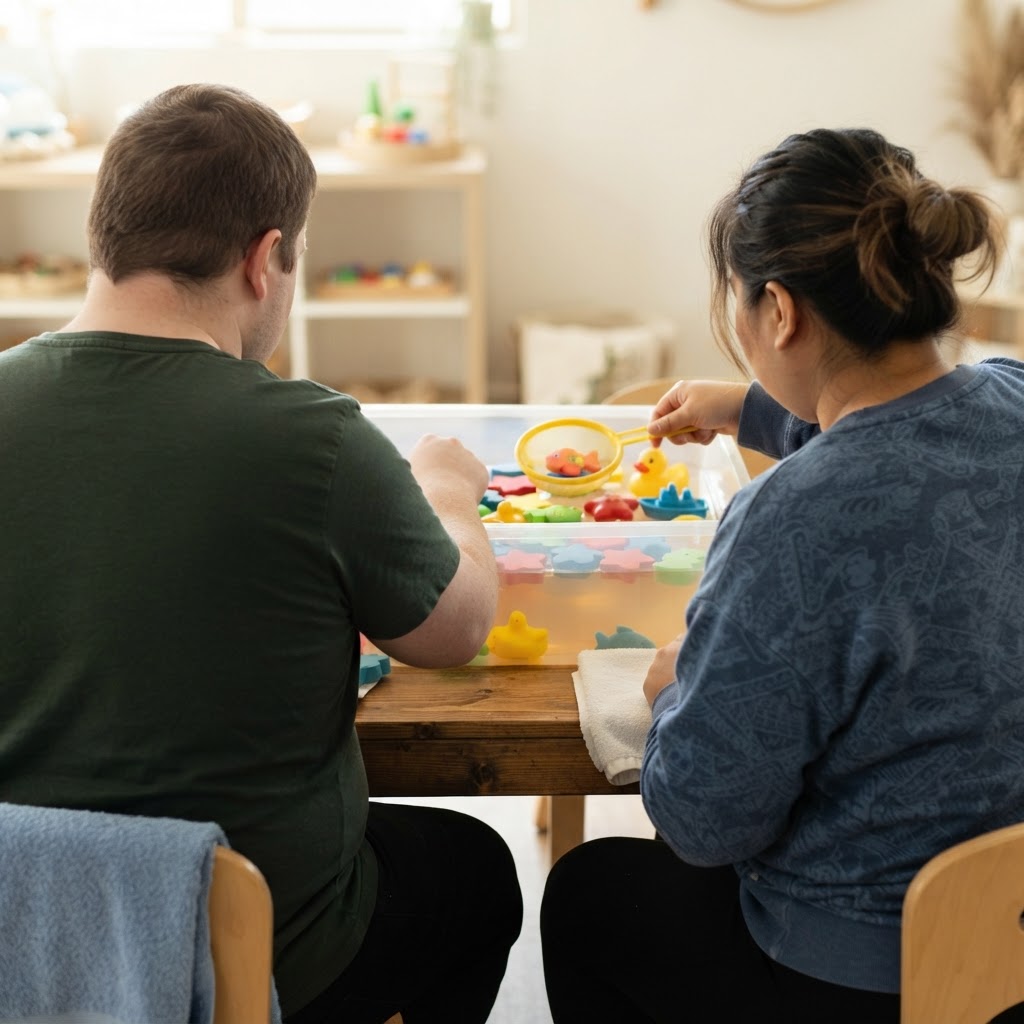
Floating Treasure Hunt
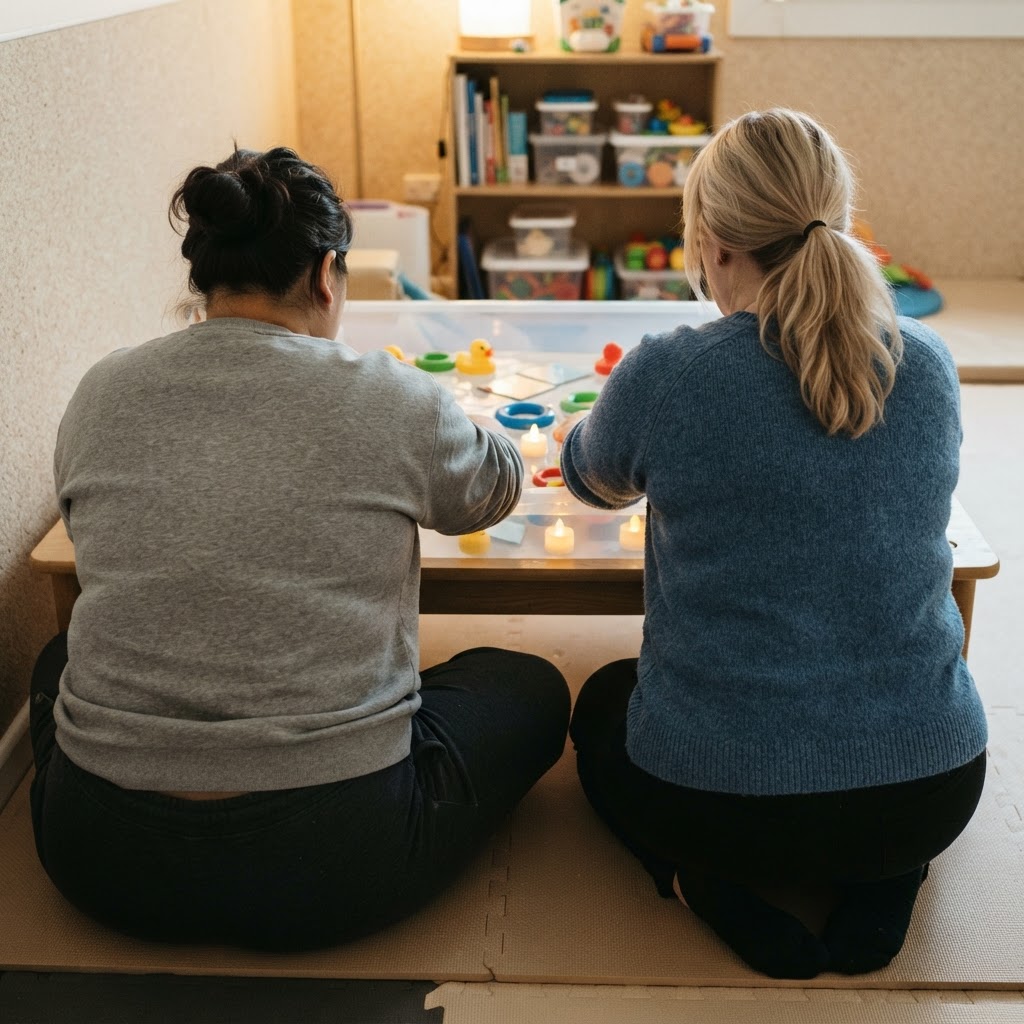
Floating Treasure Hunt
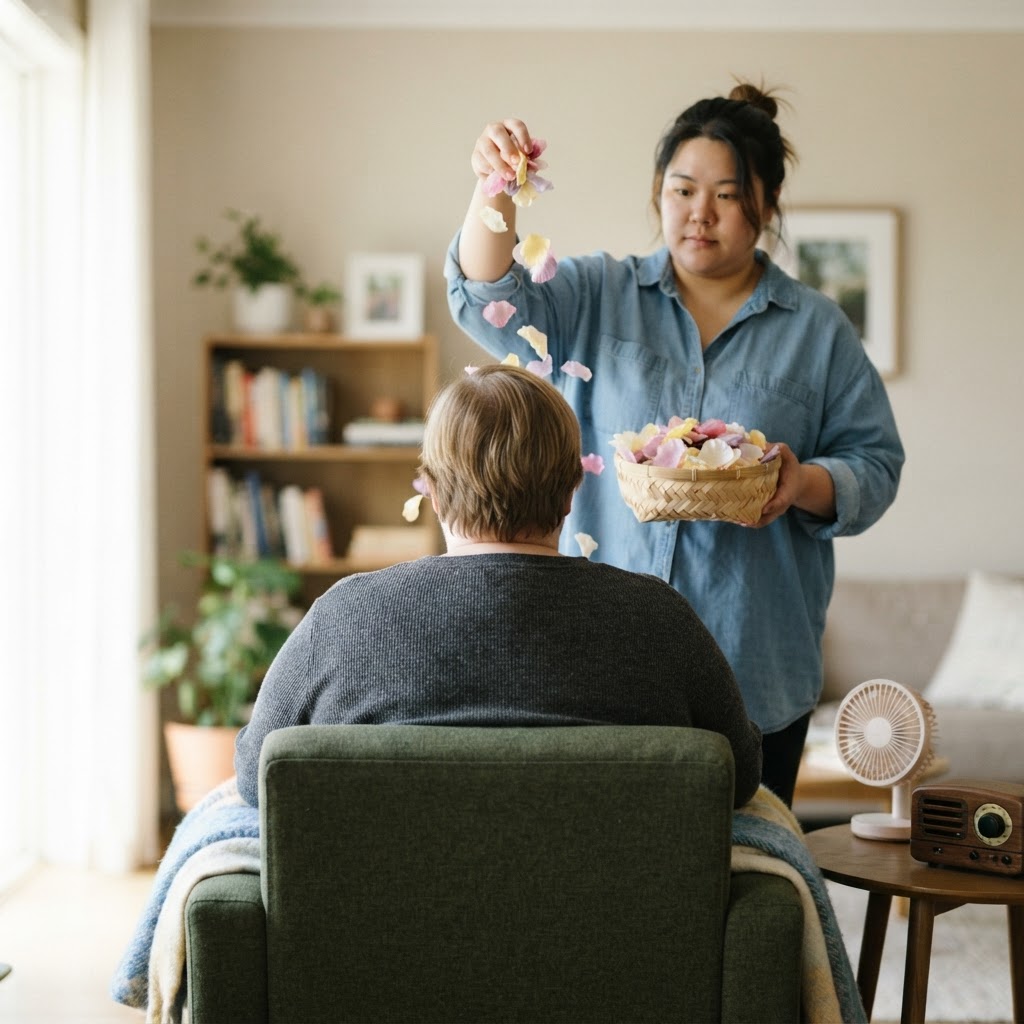
Flower Rain

Food Preparation
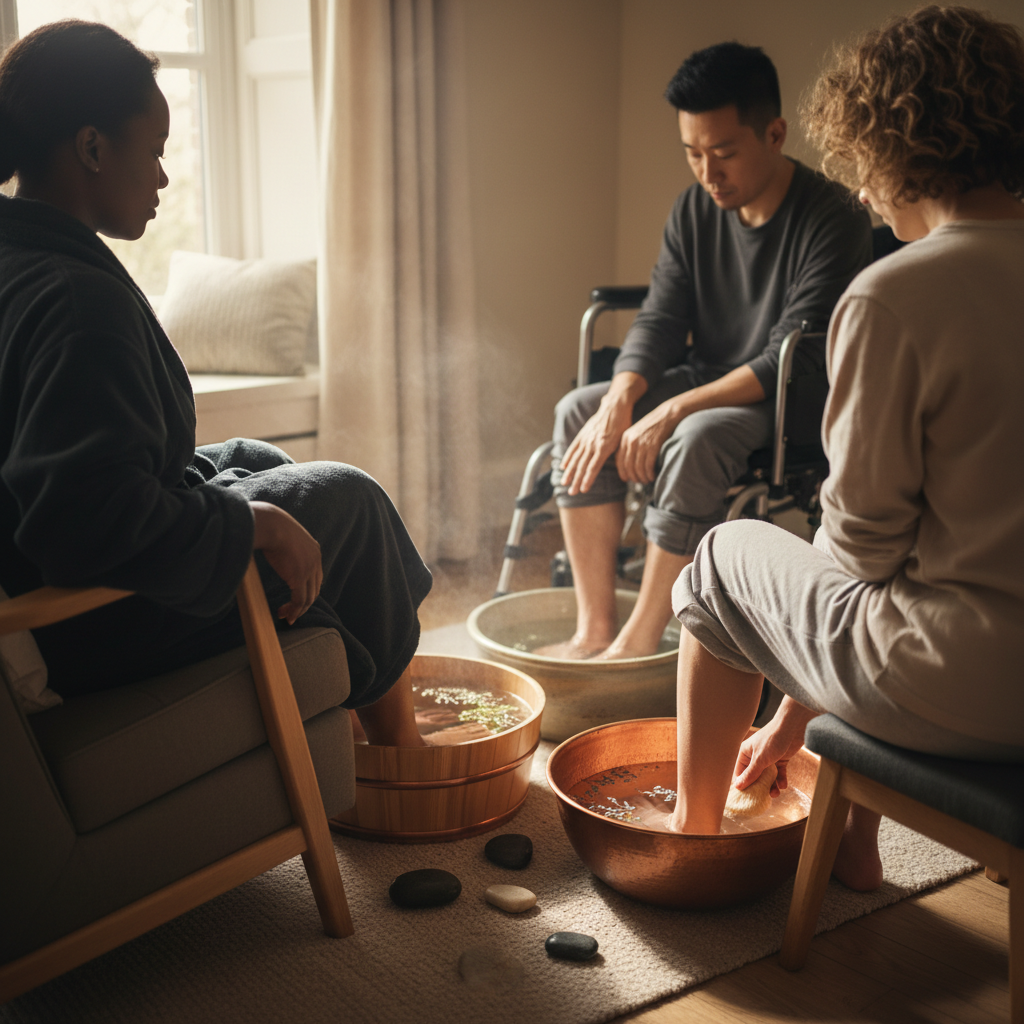
Foot Bath
Foot Massage
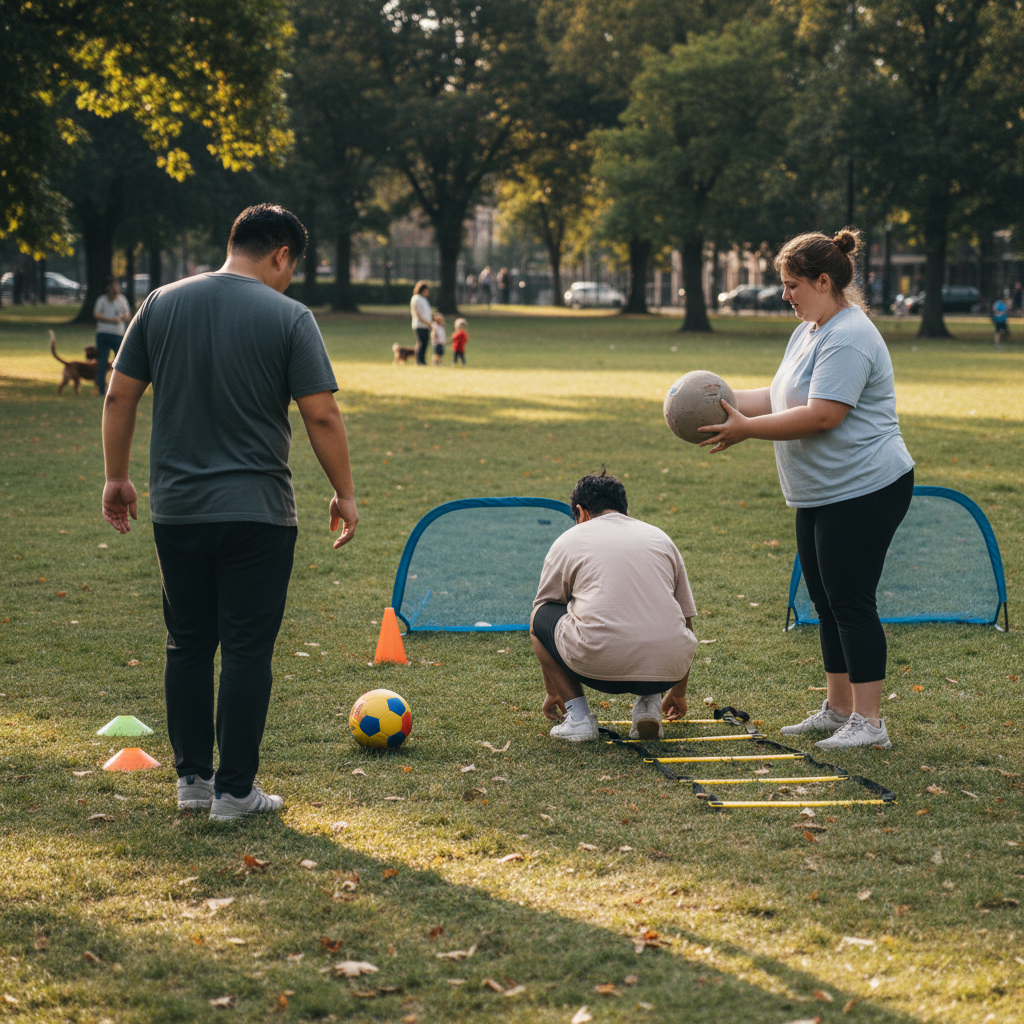
Footy
Fresh Bread Morning
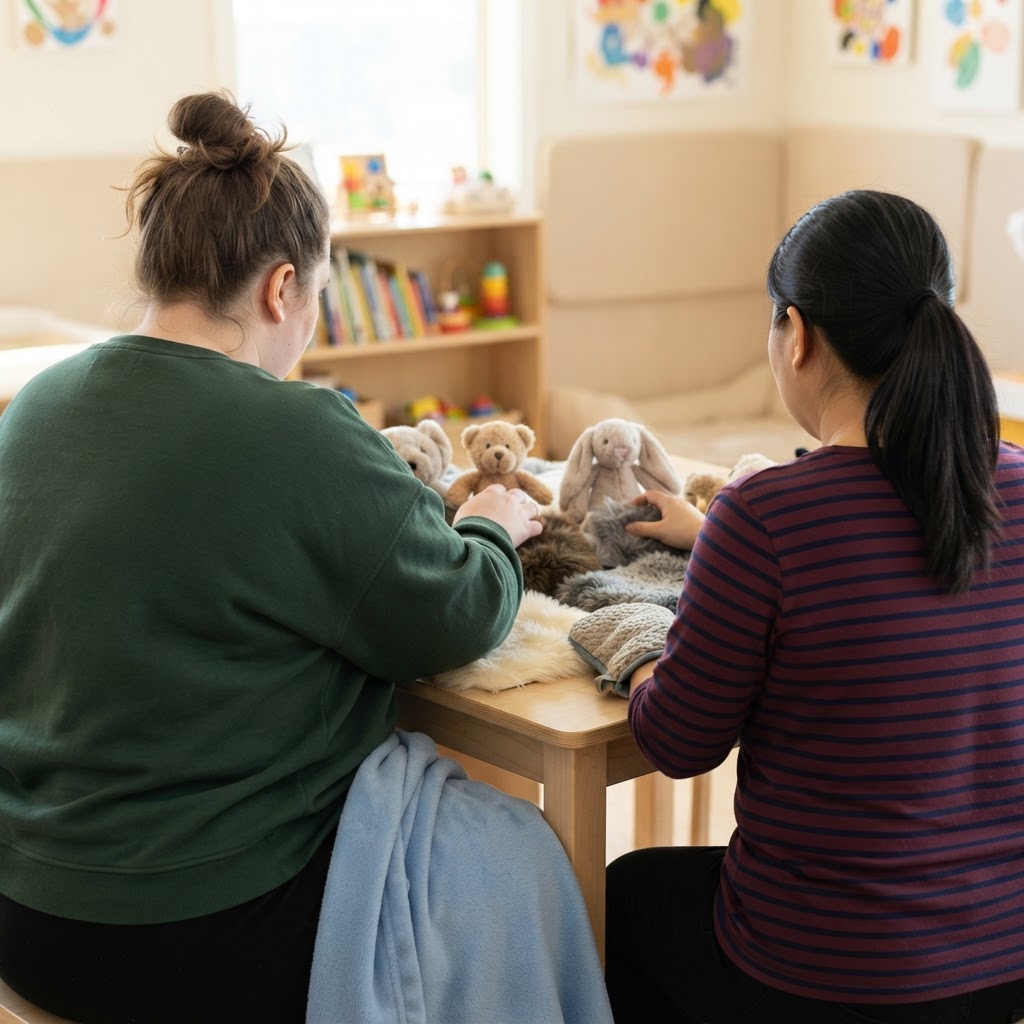
Furry Friends
Gardening
Gathering Flowers and Display
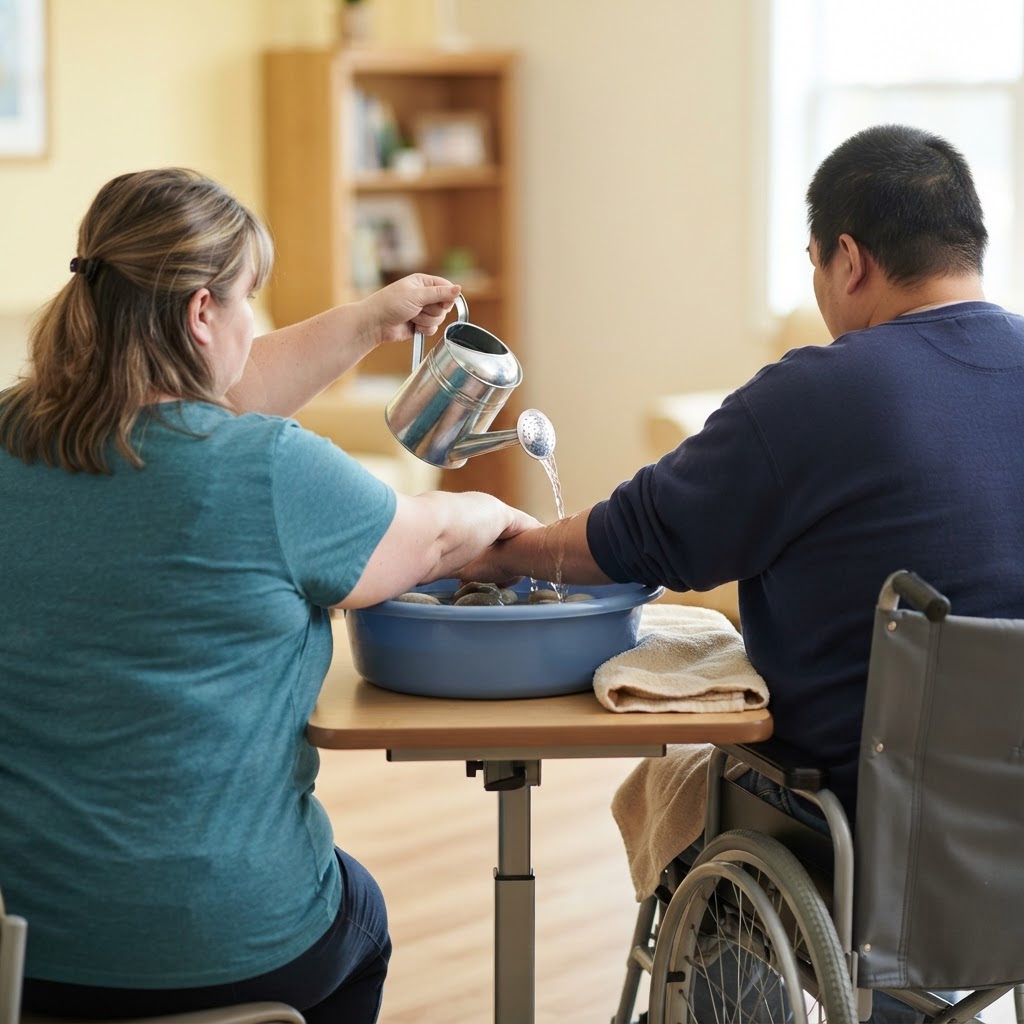
Gentle Waterfall
Gentle Weight Training
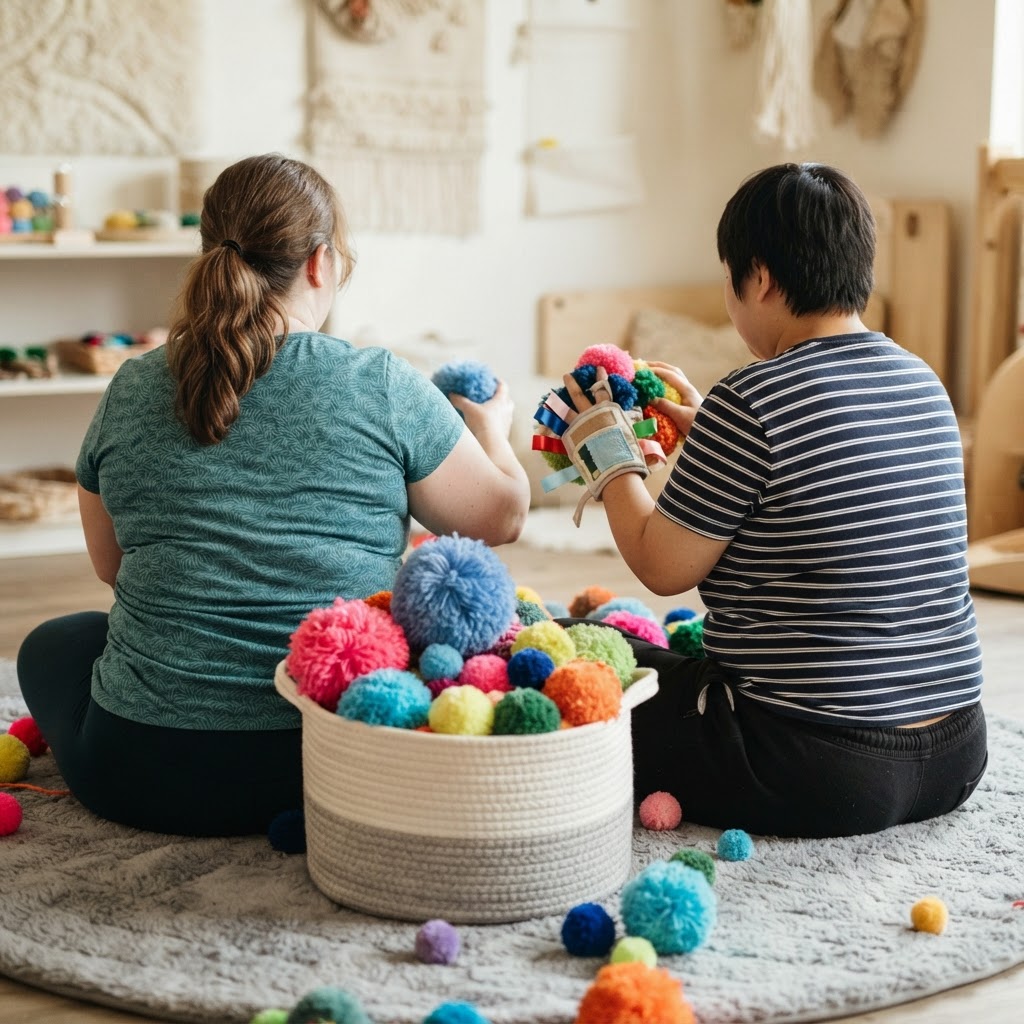
Giant Pom Pom Adventure
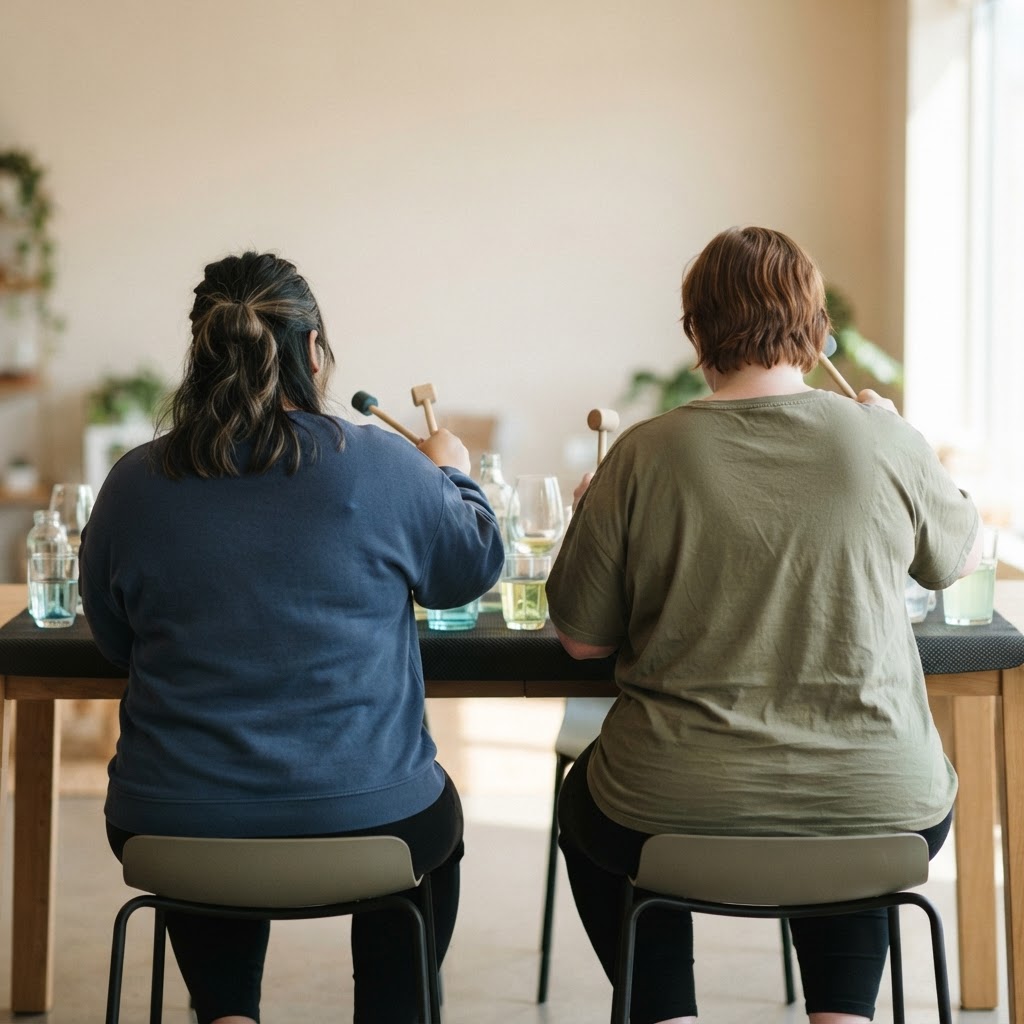
Glass Symphony
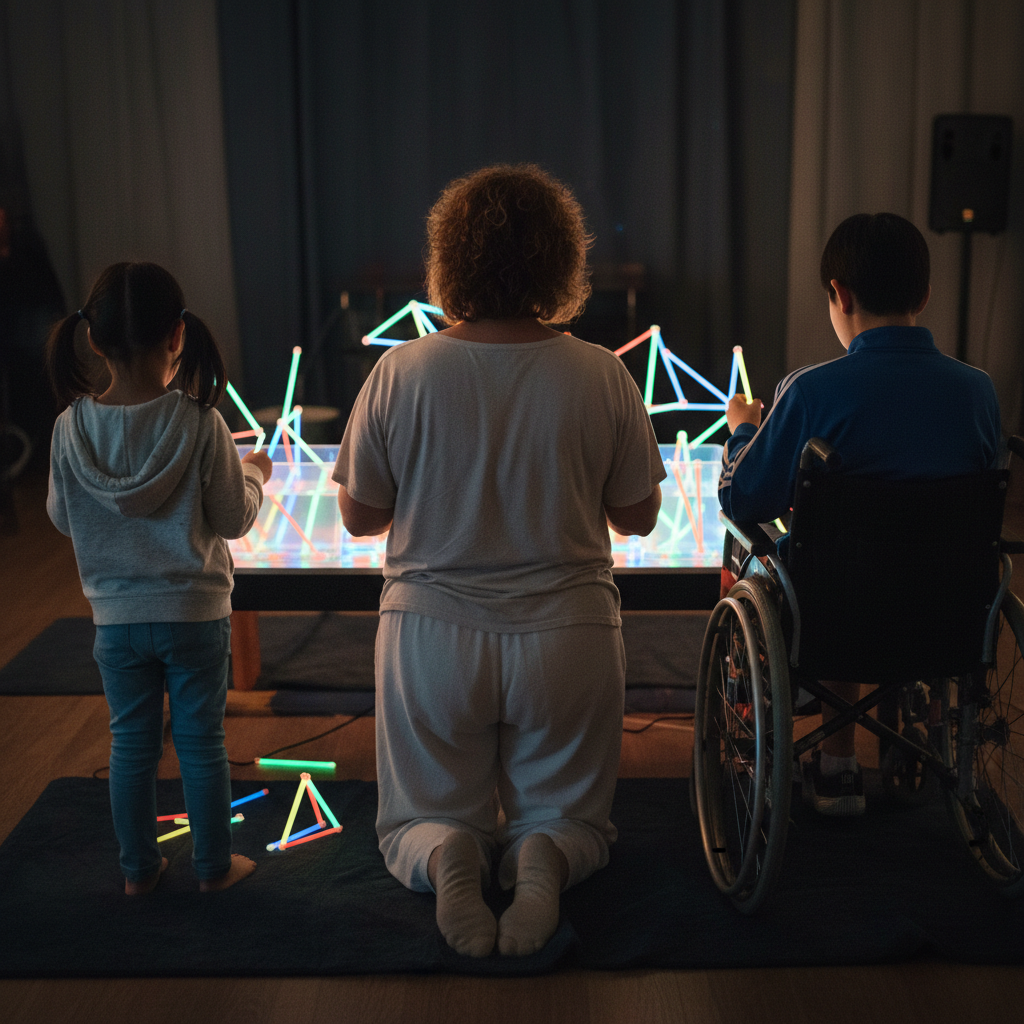
Glow Sticks
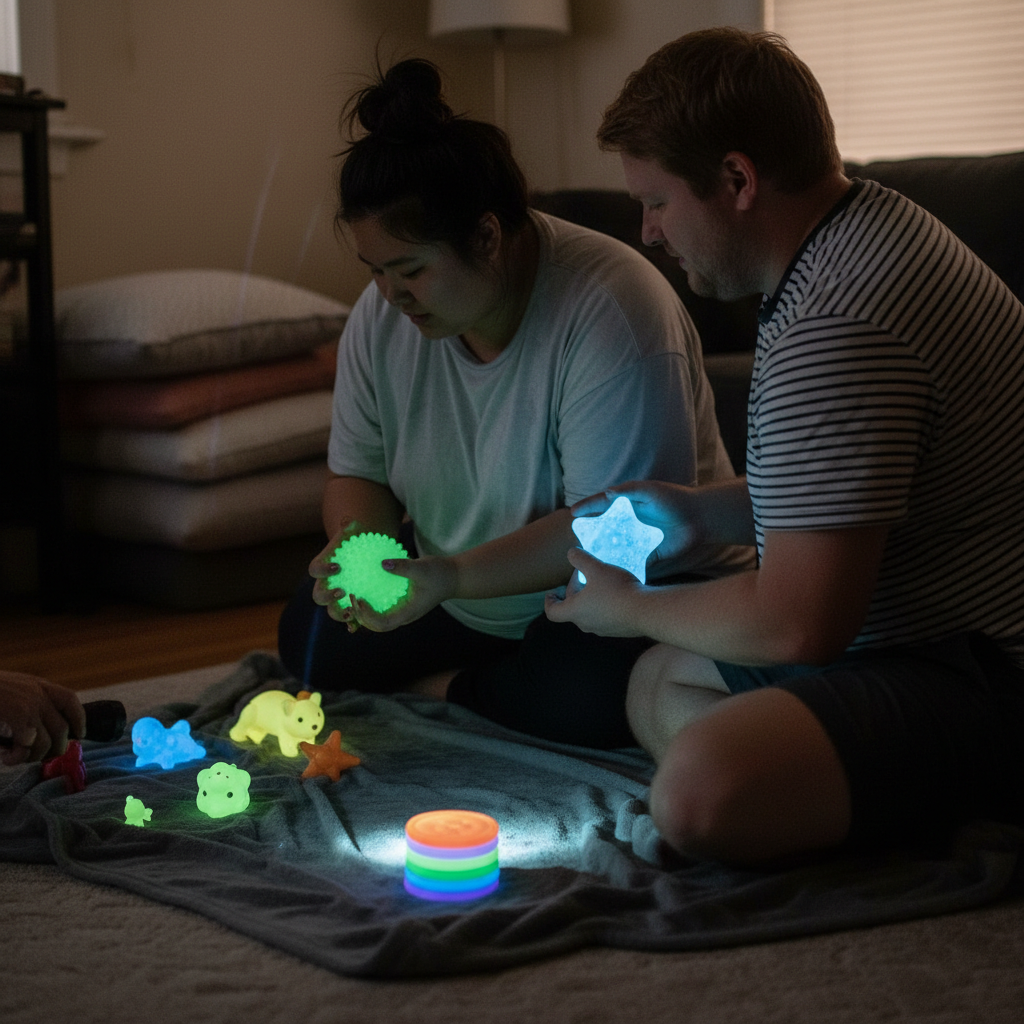
Glow Toys
Go-Round
Golf
Golf Cart
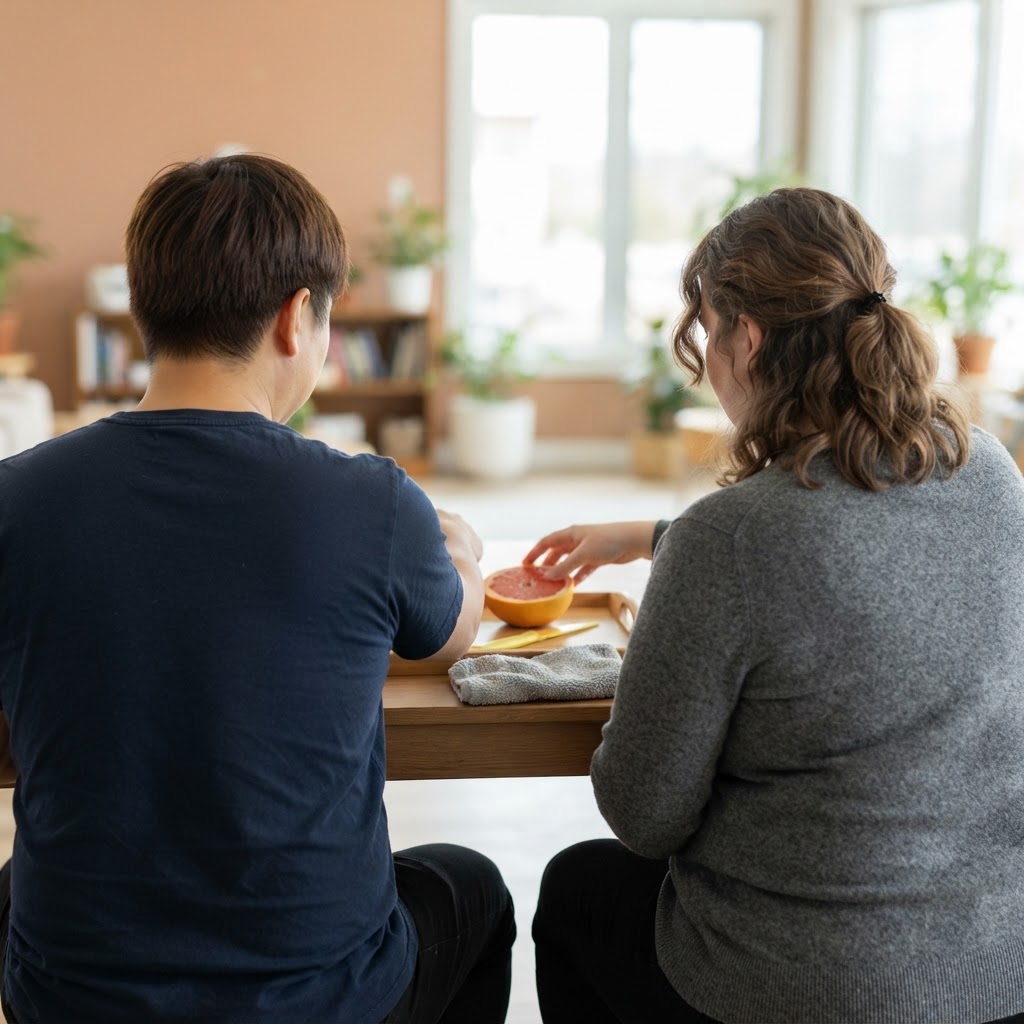
Grapefruit Discovery
Grass Play
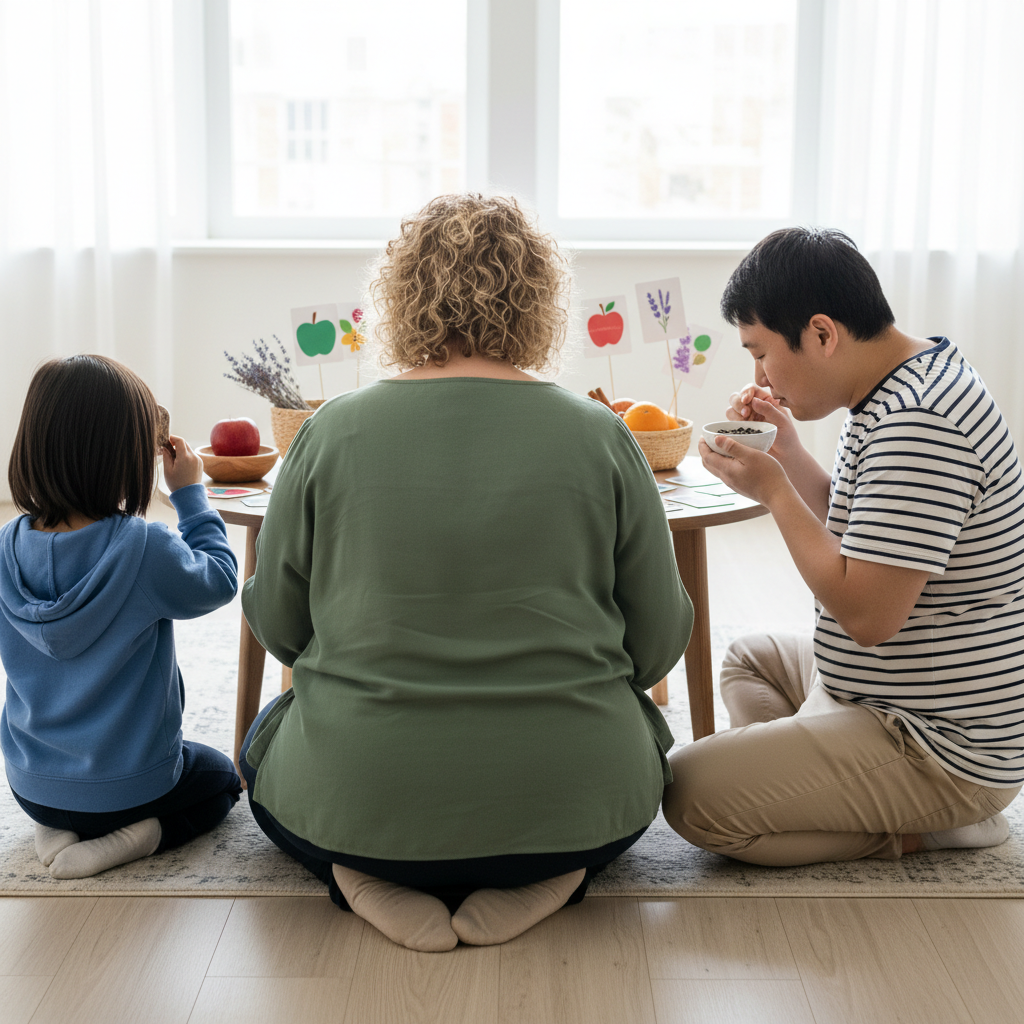
Guess The Scent
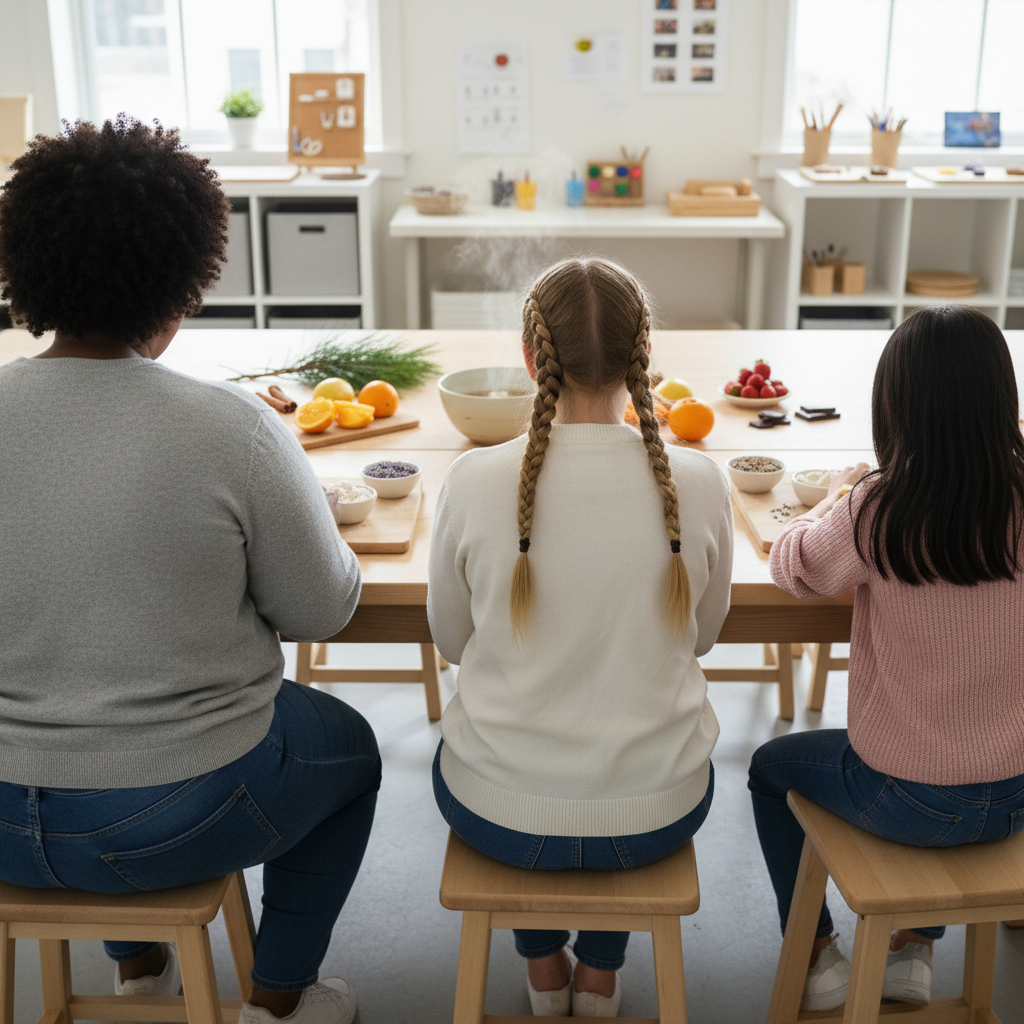
Guess the Scent Play Dough
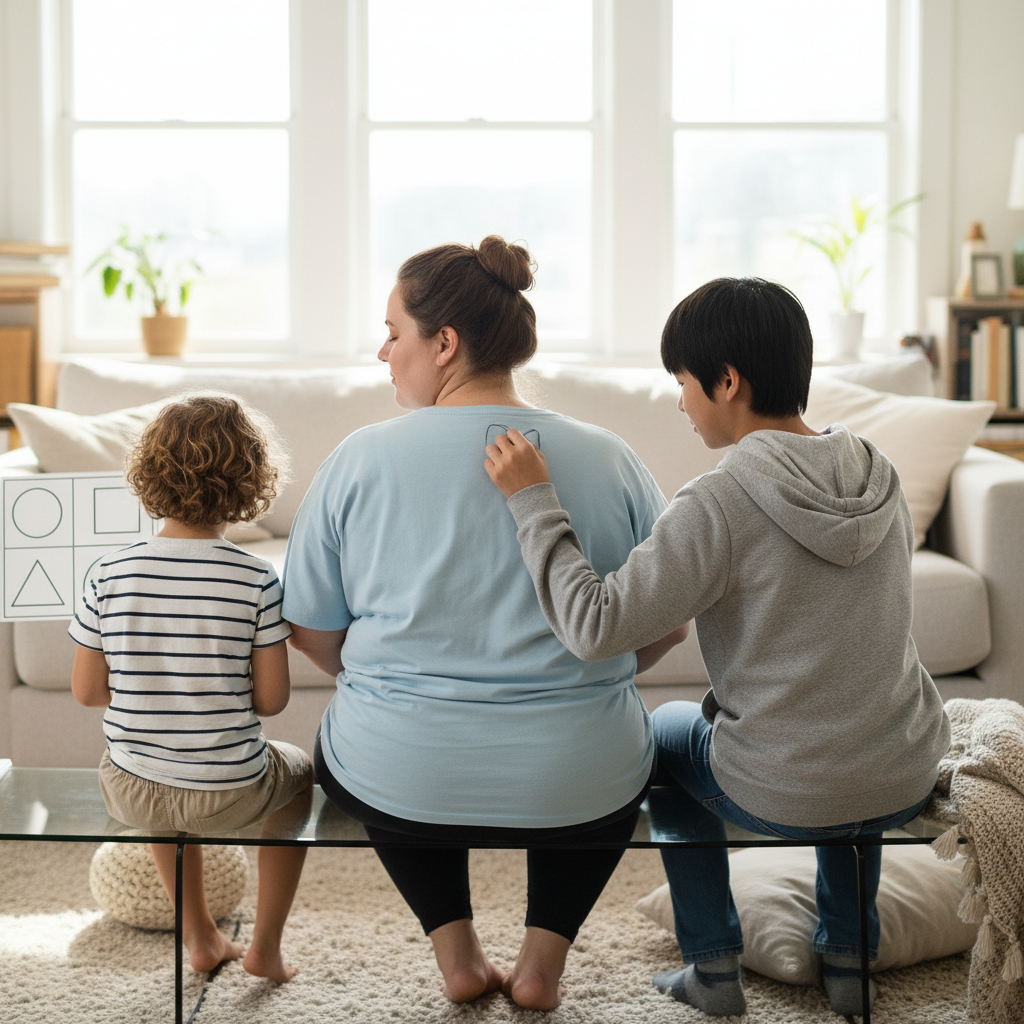
Guess the Shape
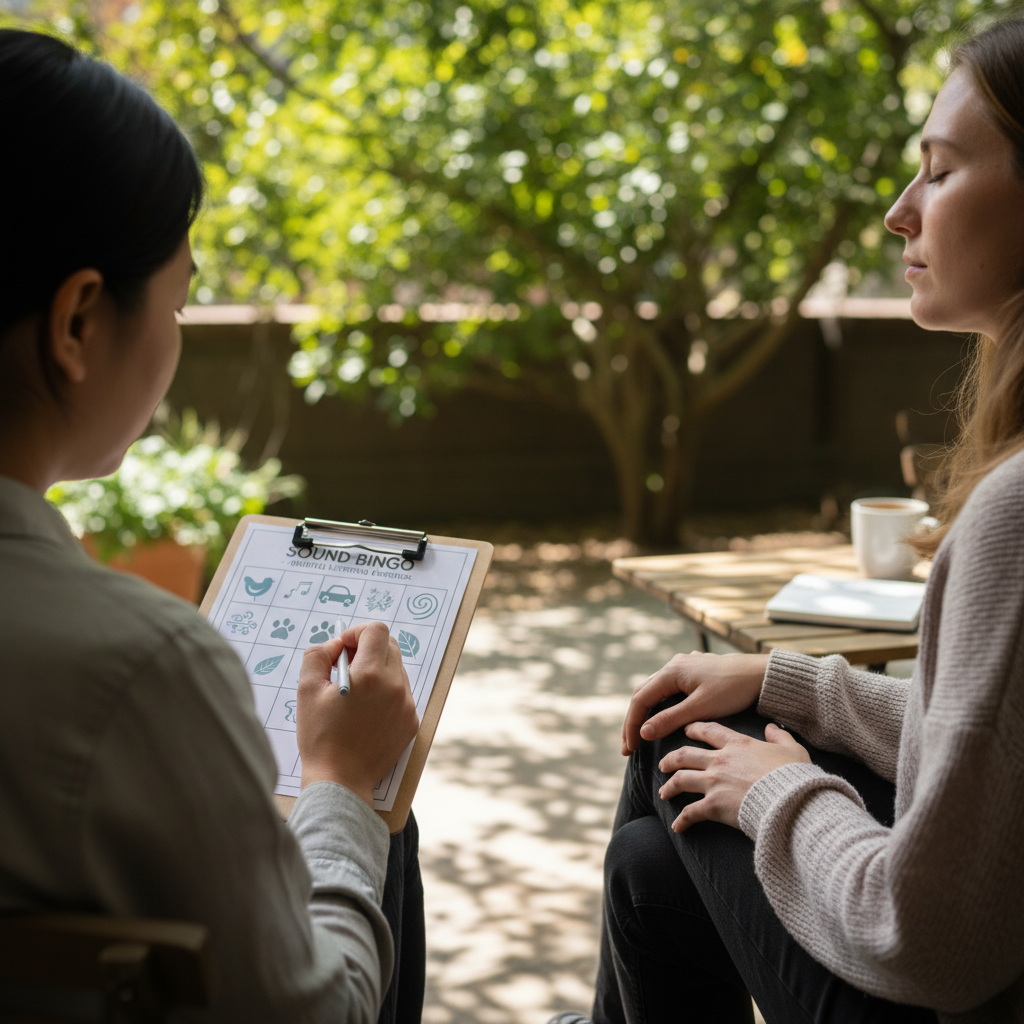
Guess the Sound
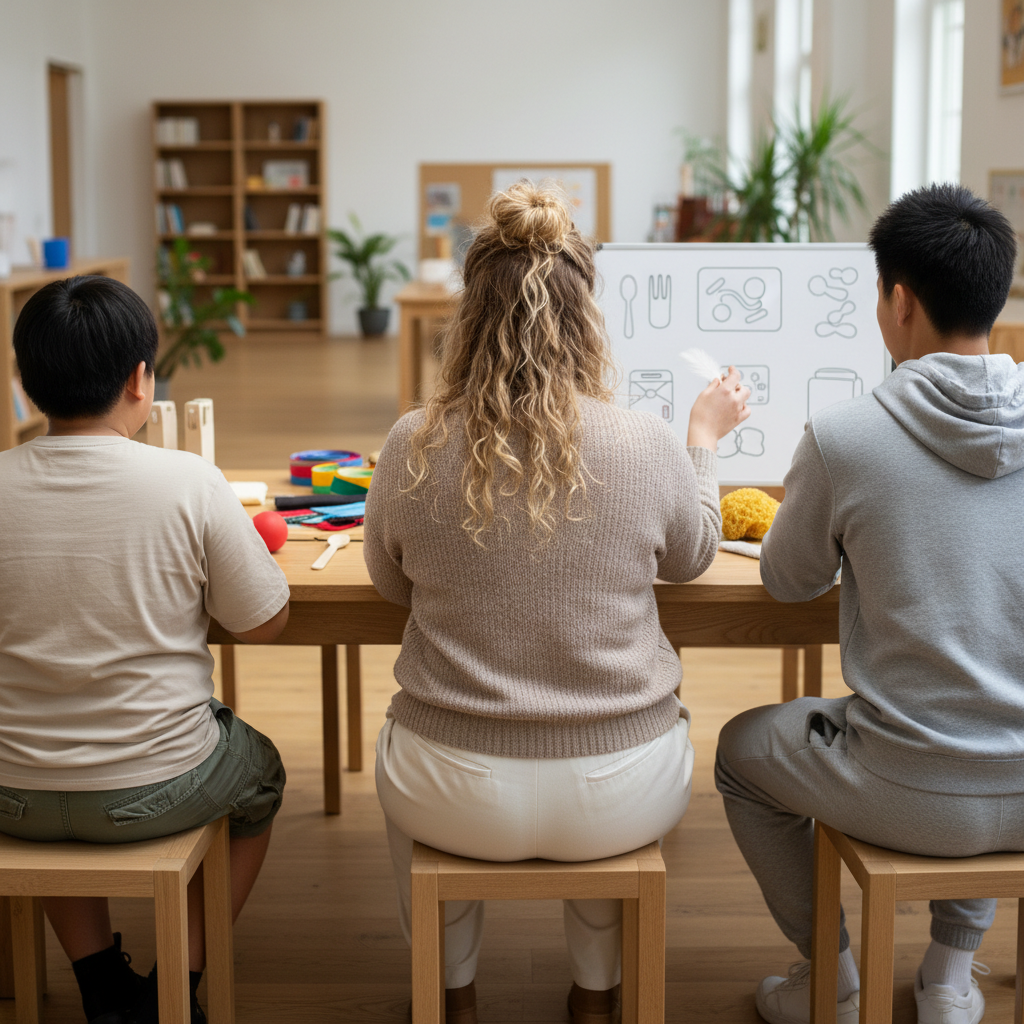
Guess the Touch
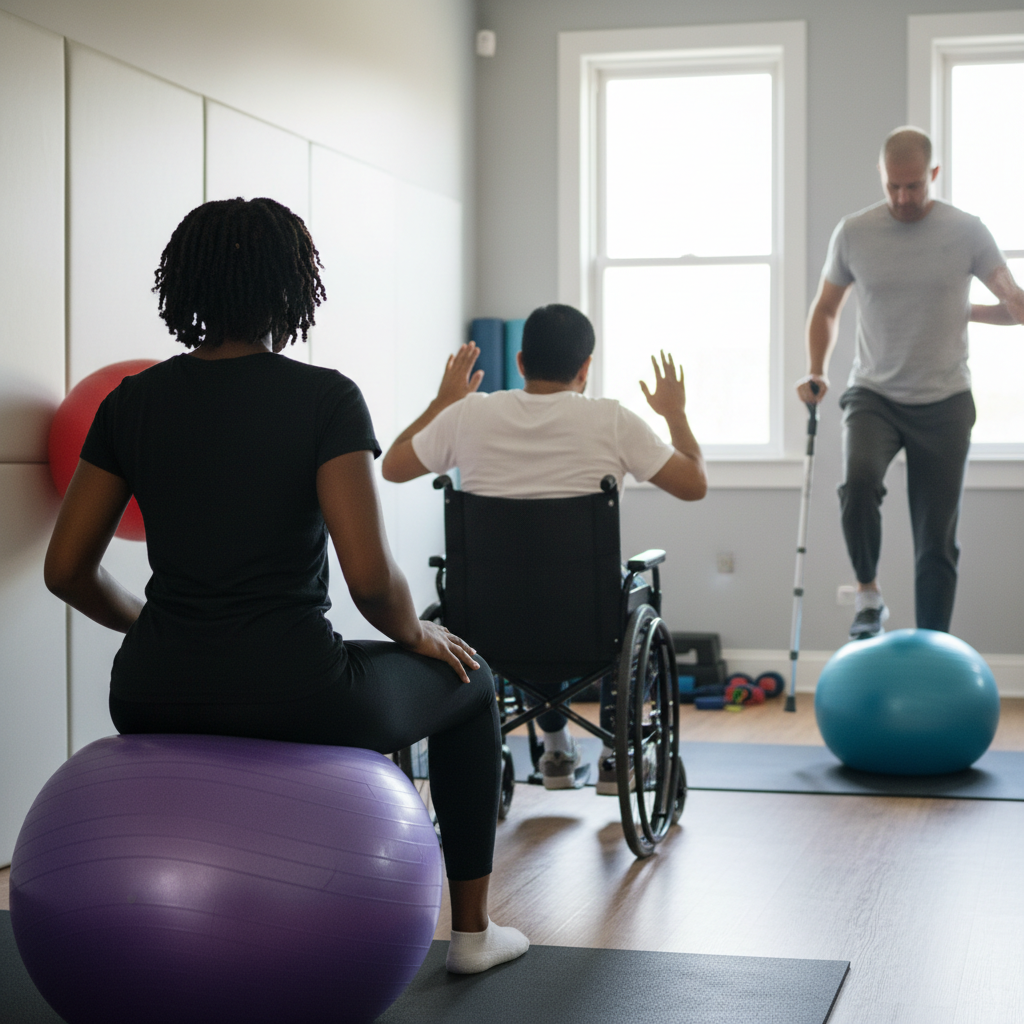
Gym Ball Bounces
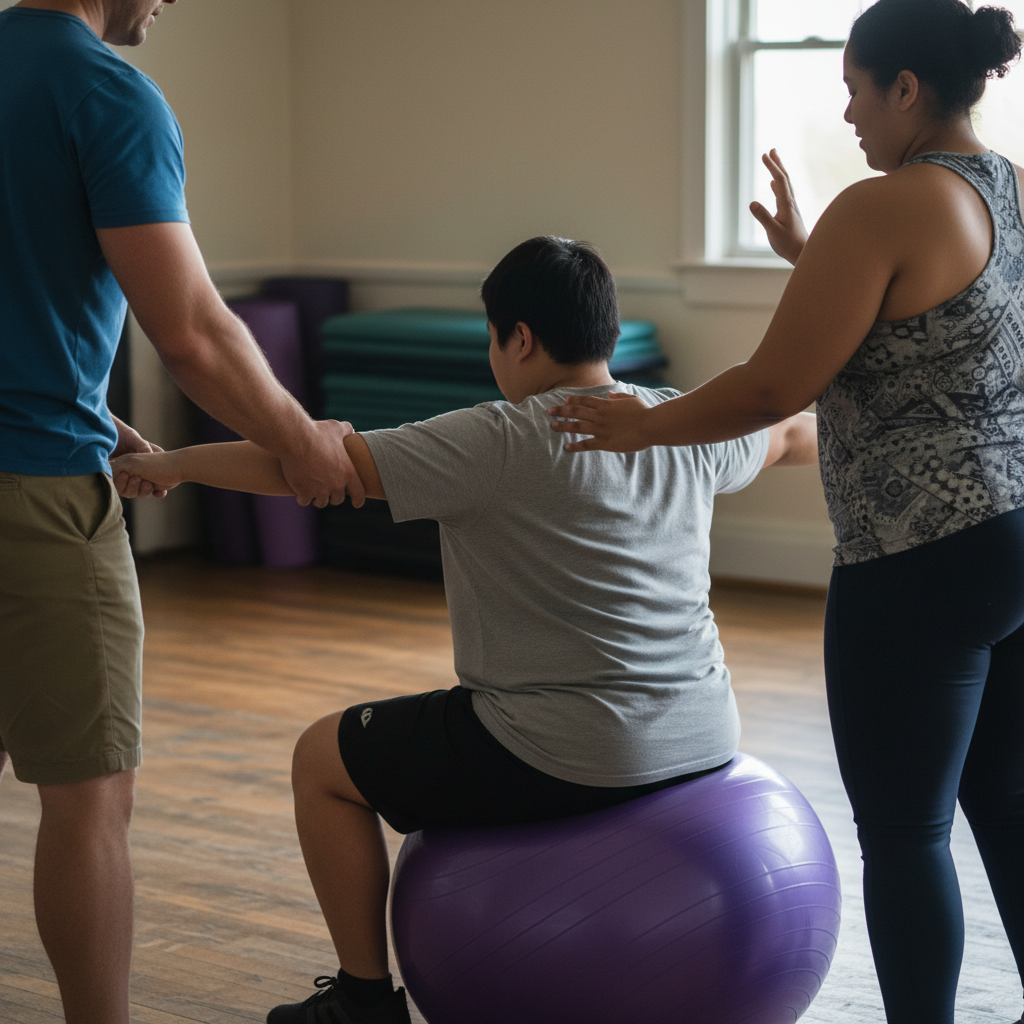
Gym Ball Bounces
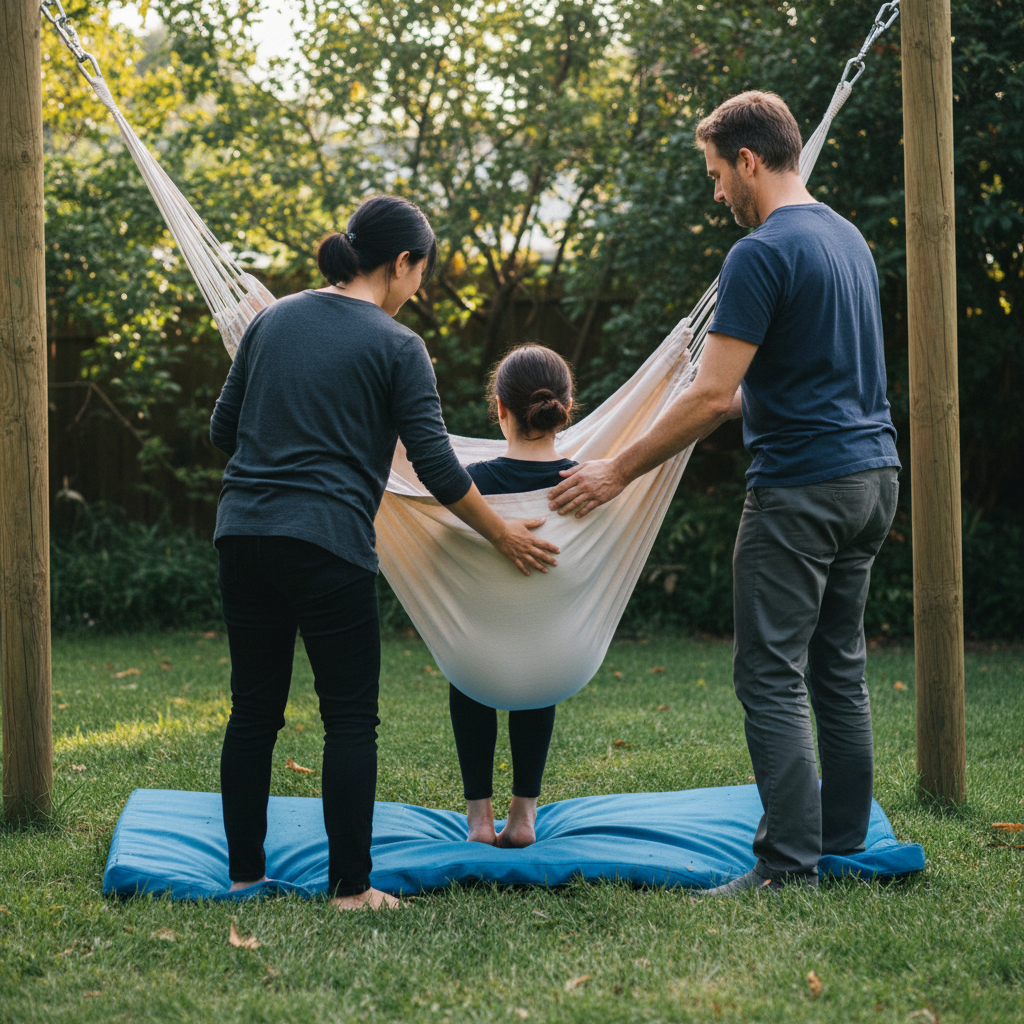
Hammock
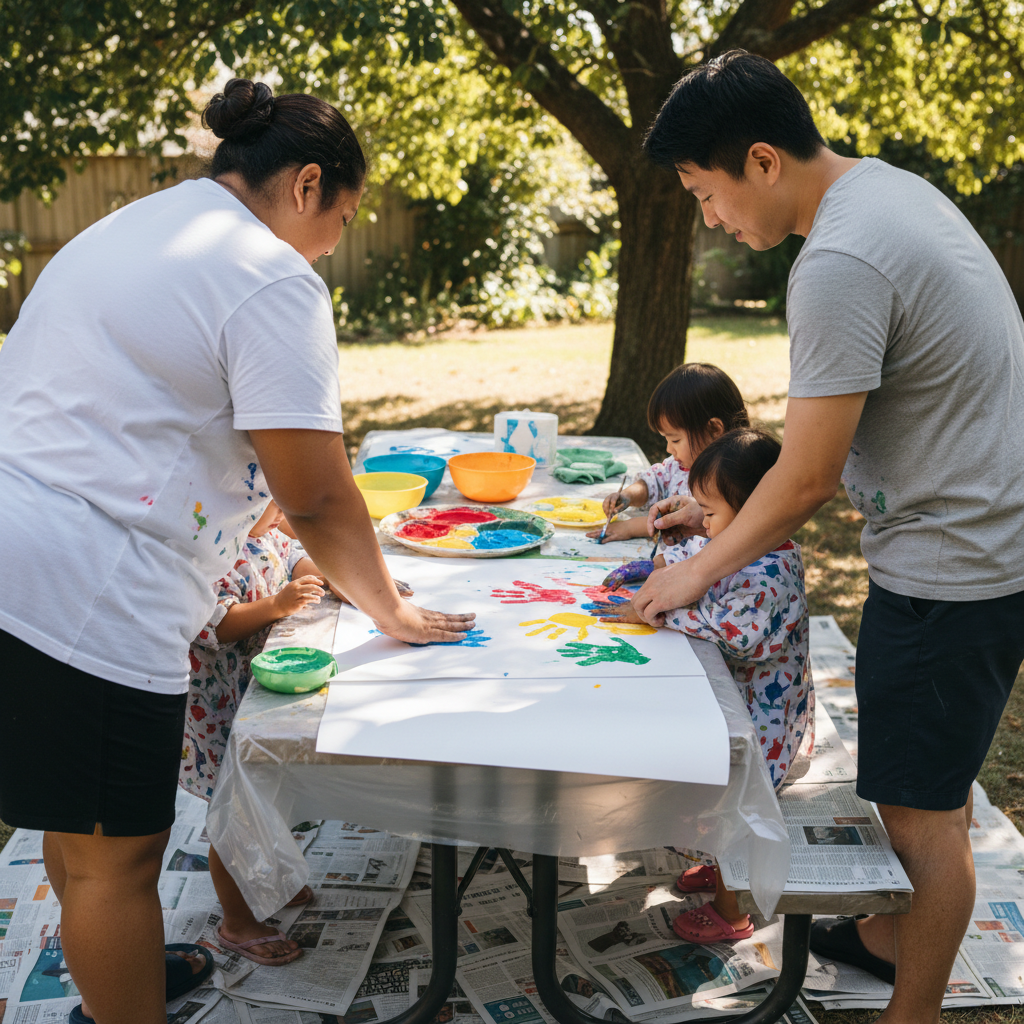
Hand and Foot Prints
Hand Massage

Hand Wash Clothes
Handball
Hang Washing
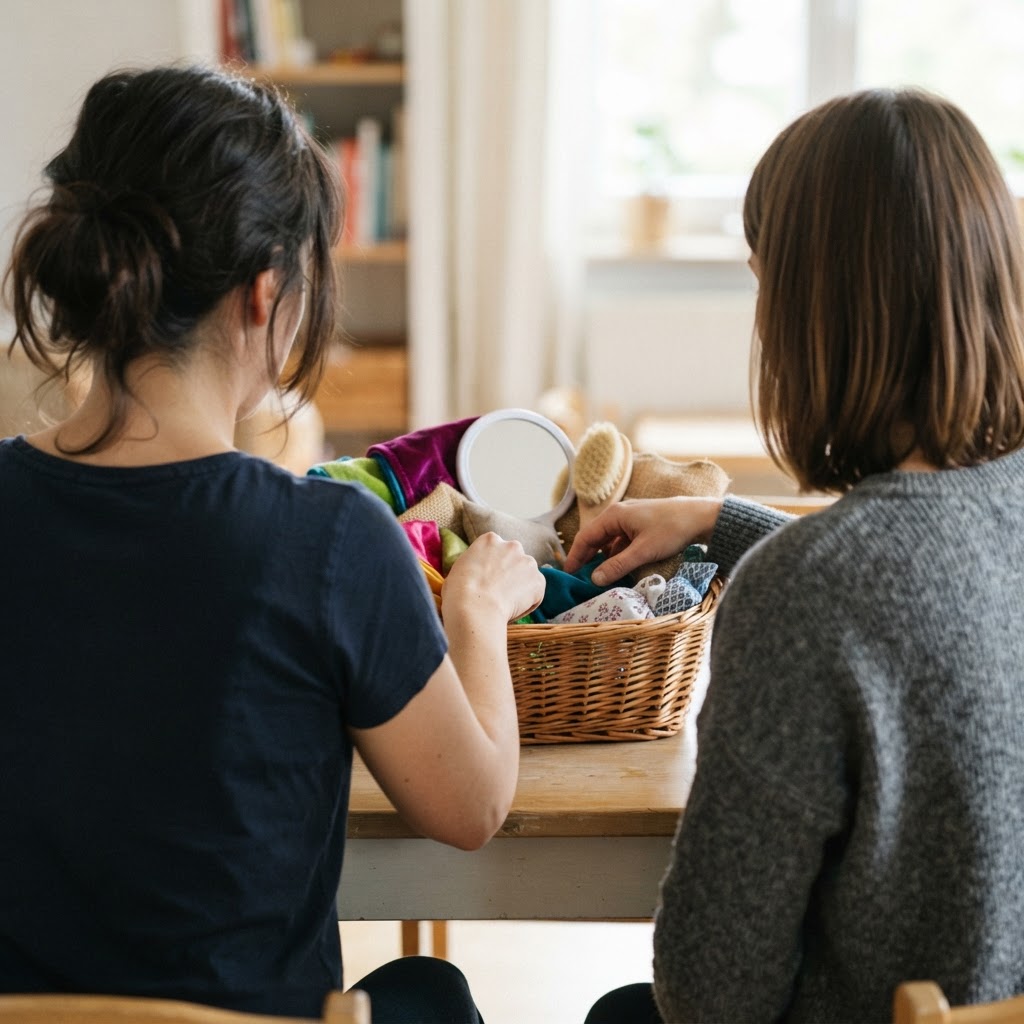
Happiness Basket
Head Massage
Heavy Work
Herb Garden
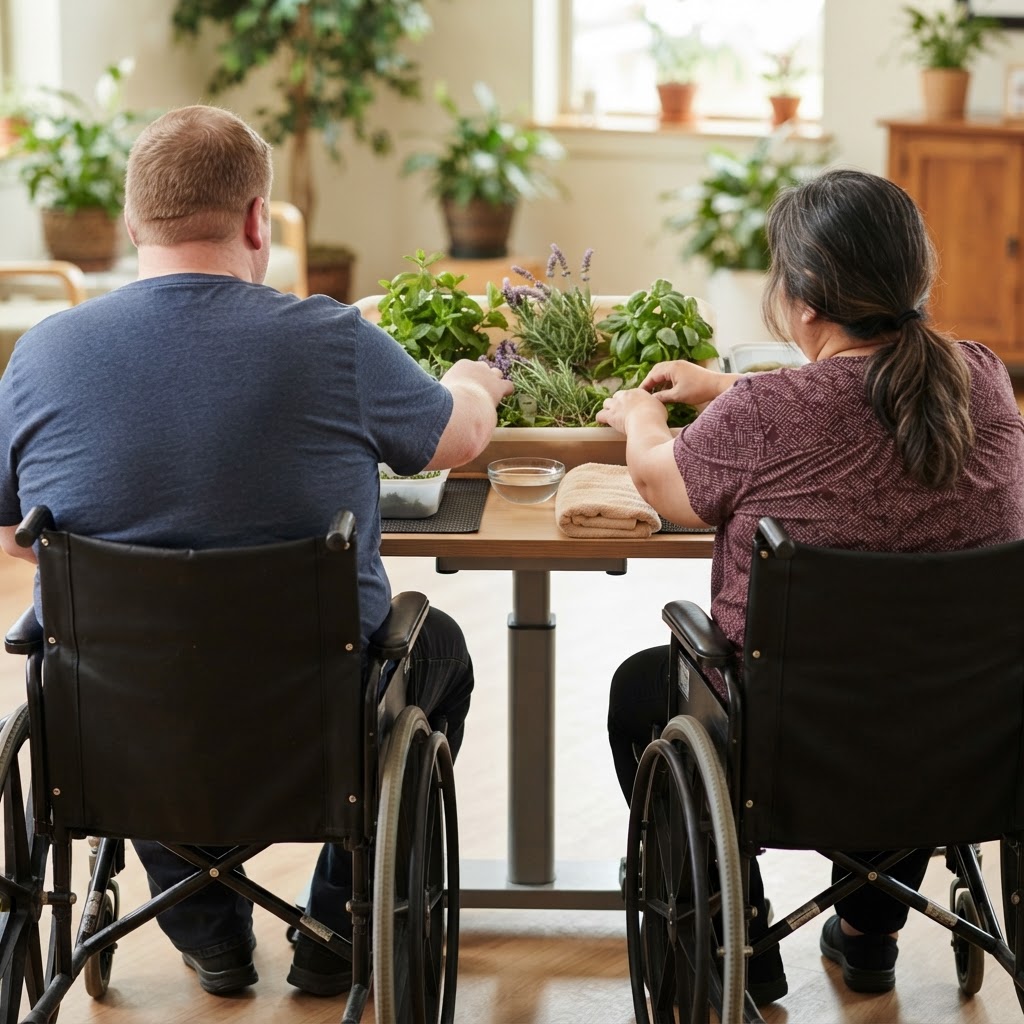
Herb Garden Hands
High-5 Games
High-5 Games
Historical Sites
Homemade Clay
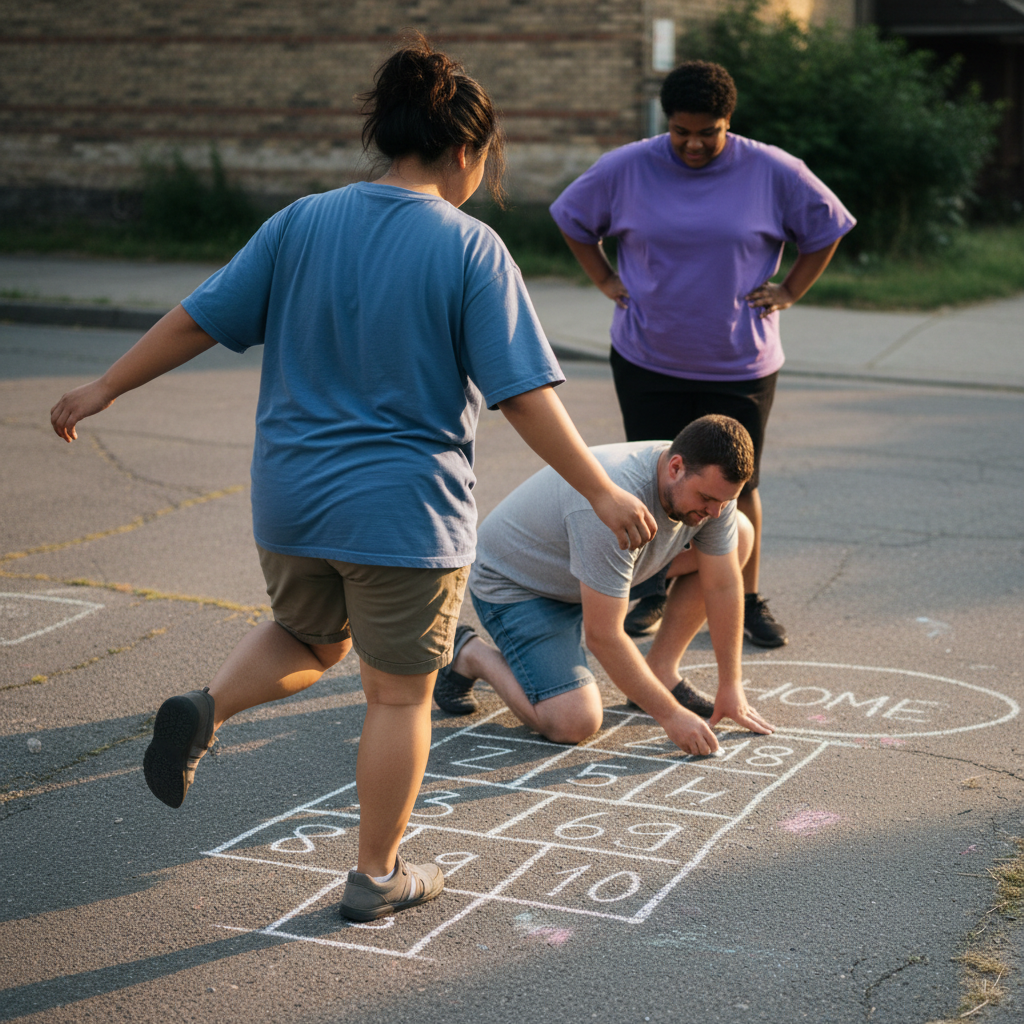
HopScotch
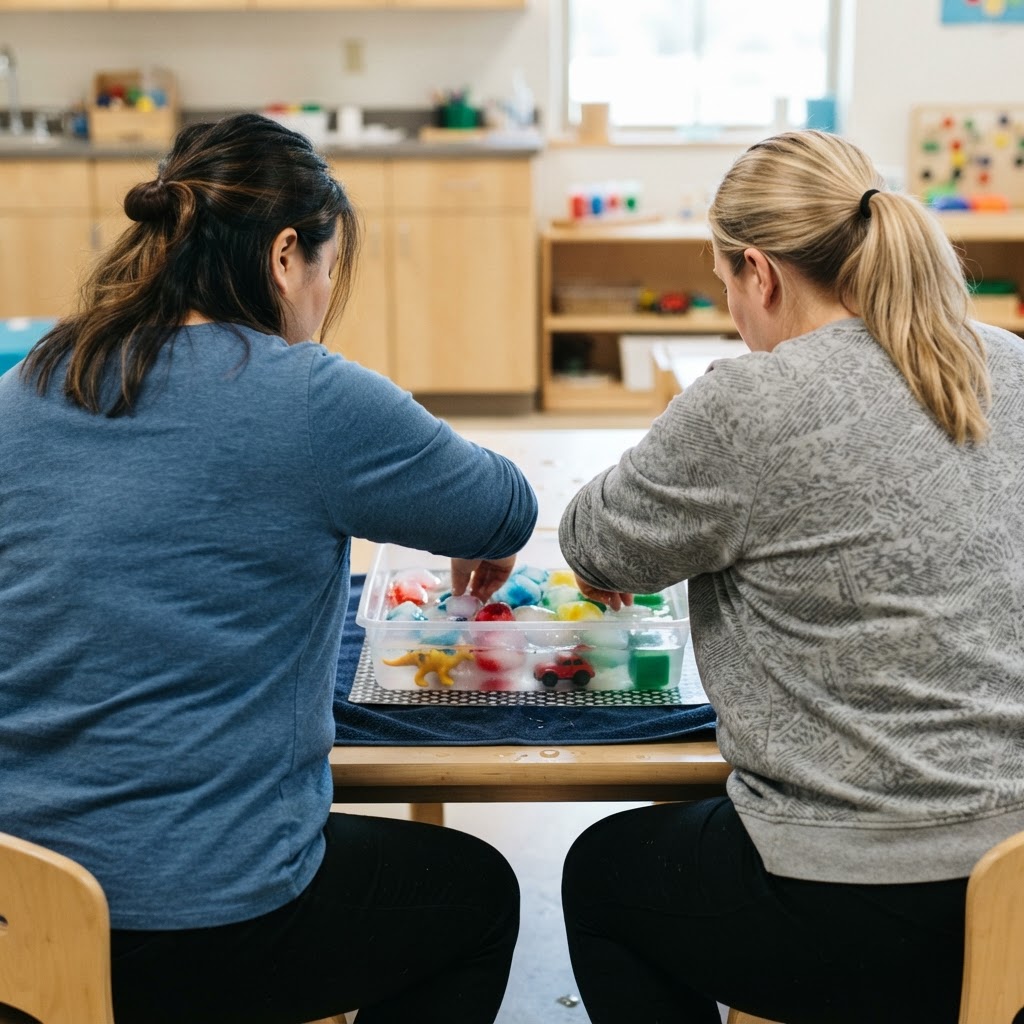
Ice Discovery
Identify Sounds
Indoor Balloon Tennis
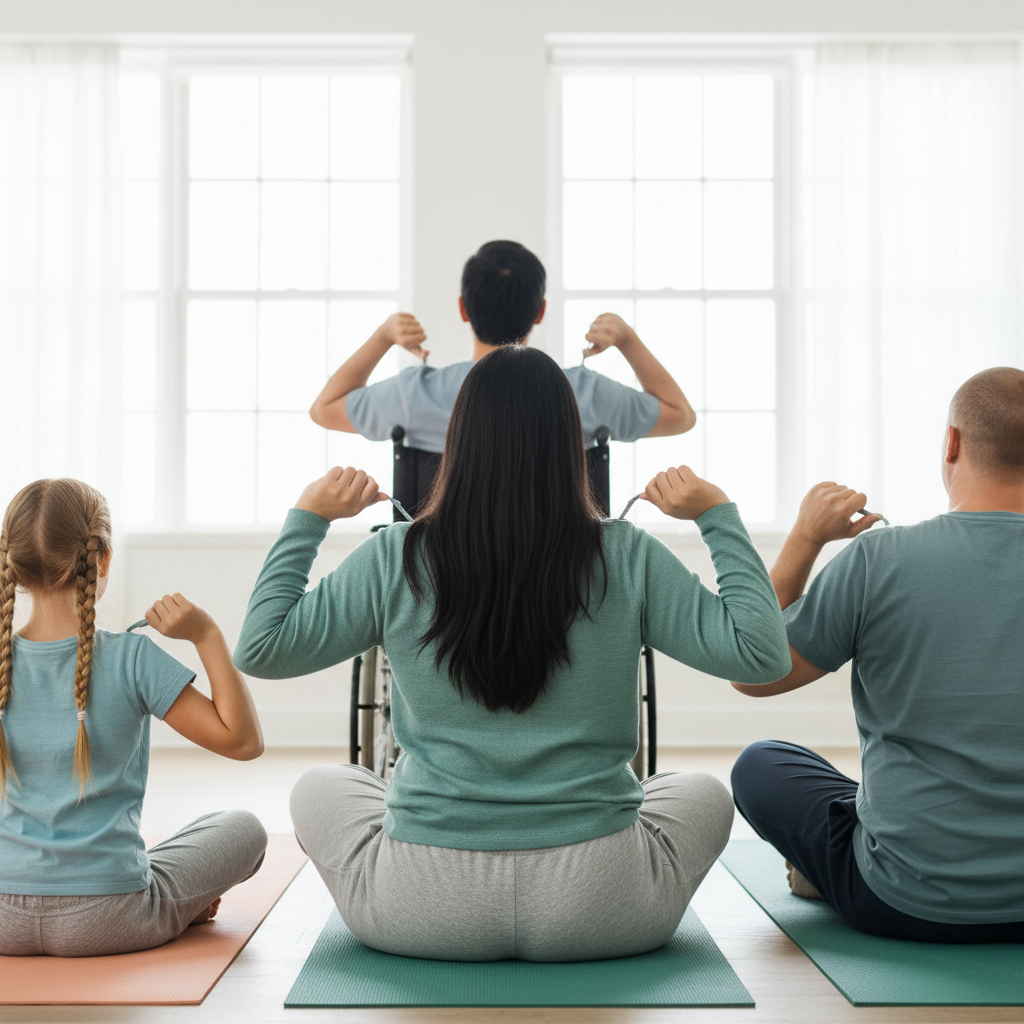
Jacobson Muscle Relaxation
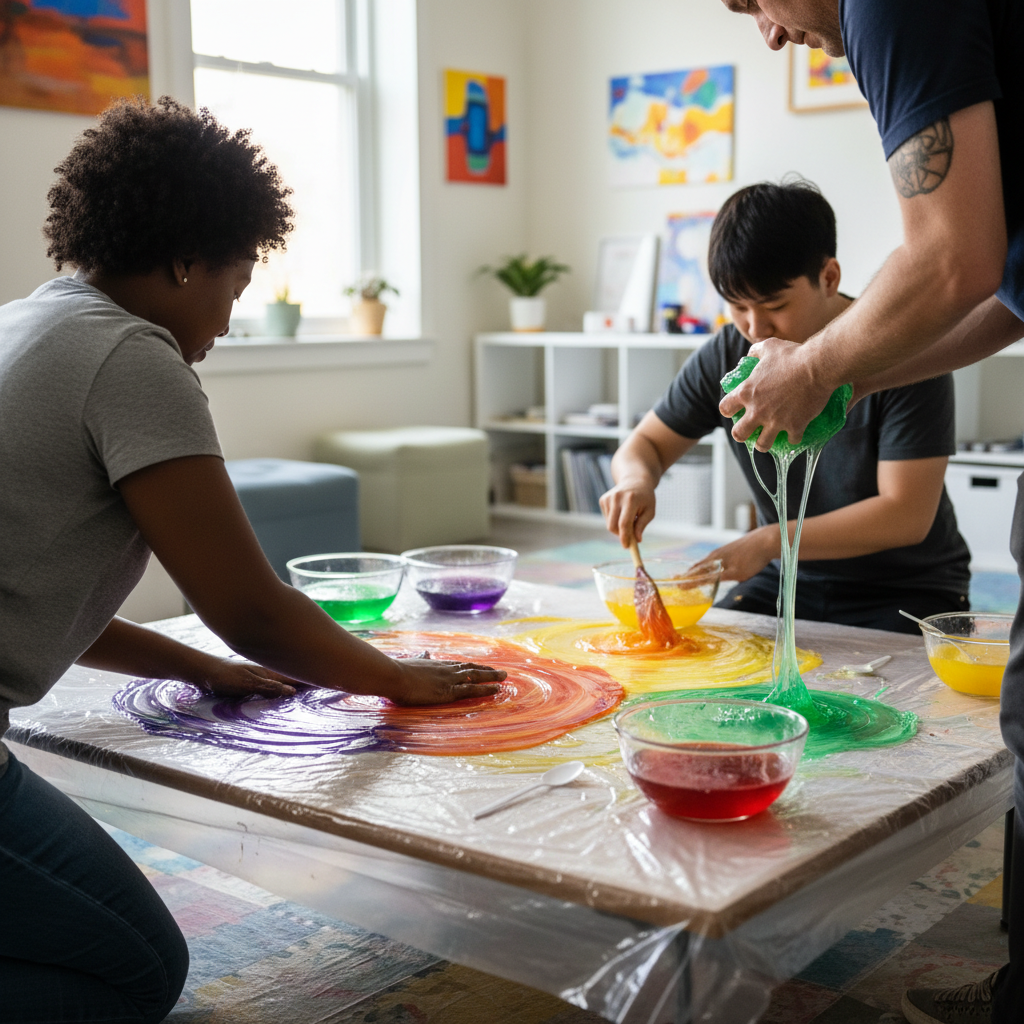
Jelly Painting
Joint Mobilisation

Jumping Jacks
Karaoke
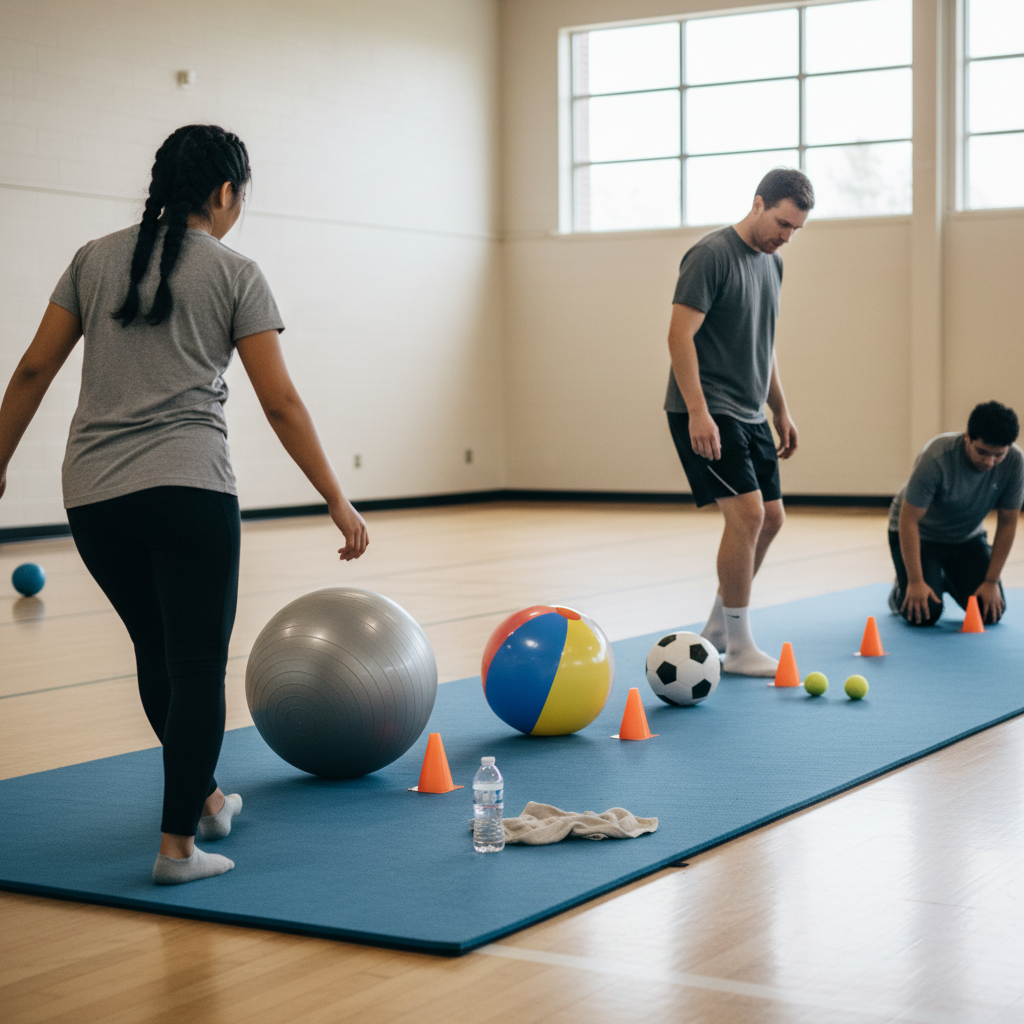
Kicking Station
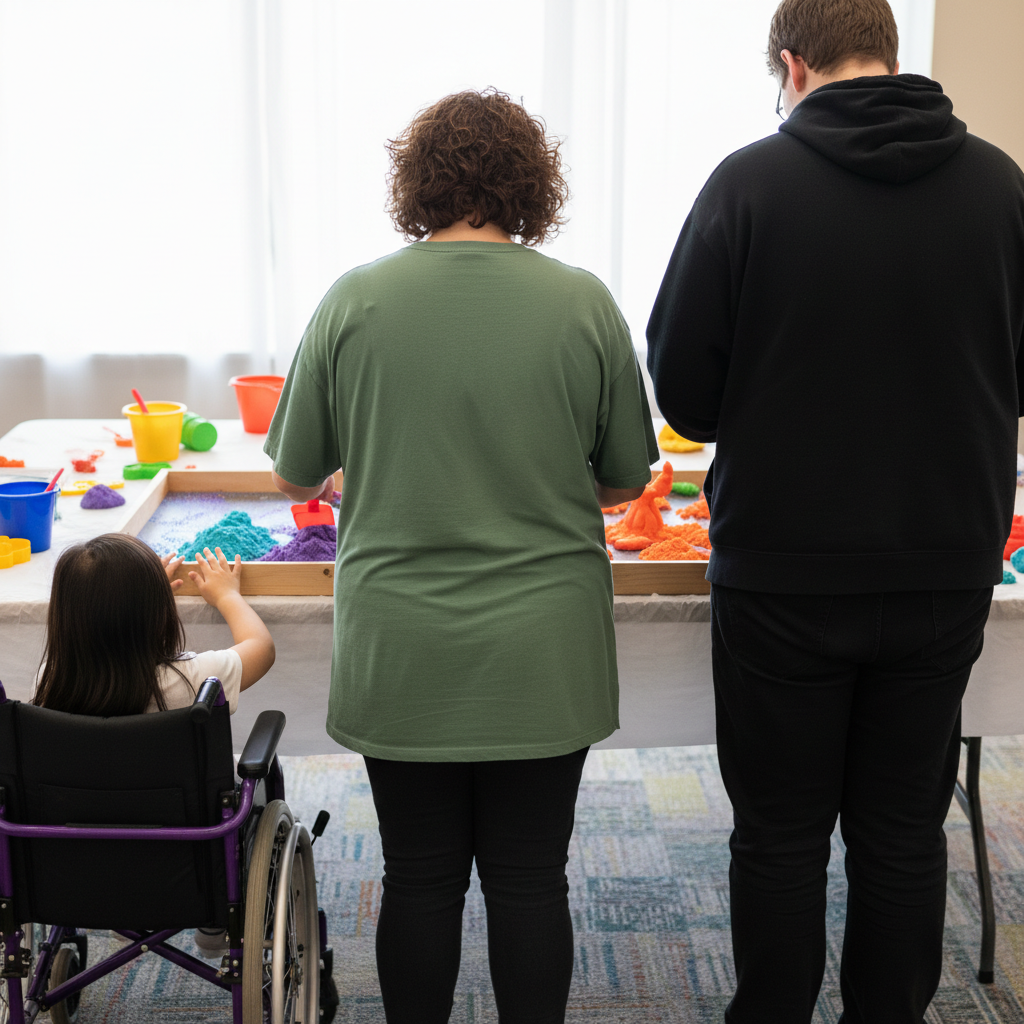
Kinetic Sand
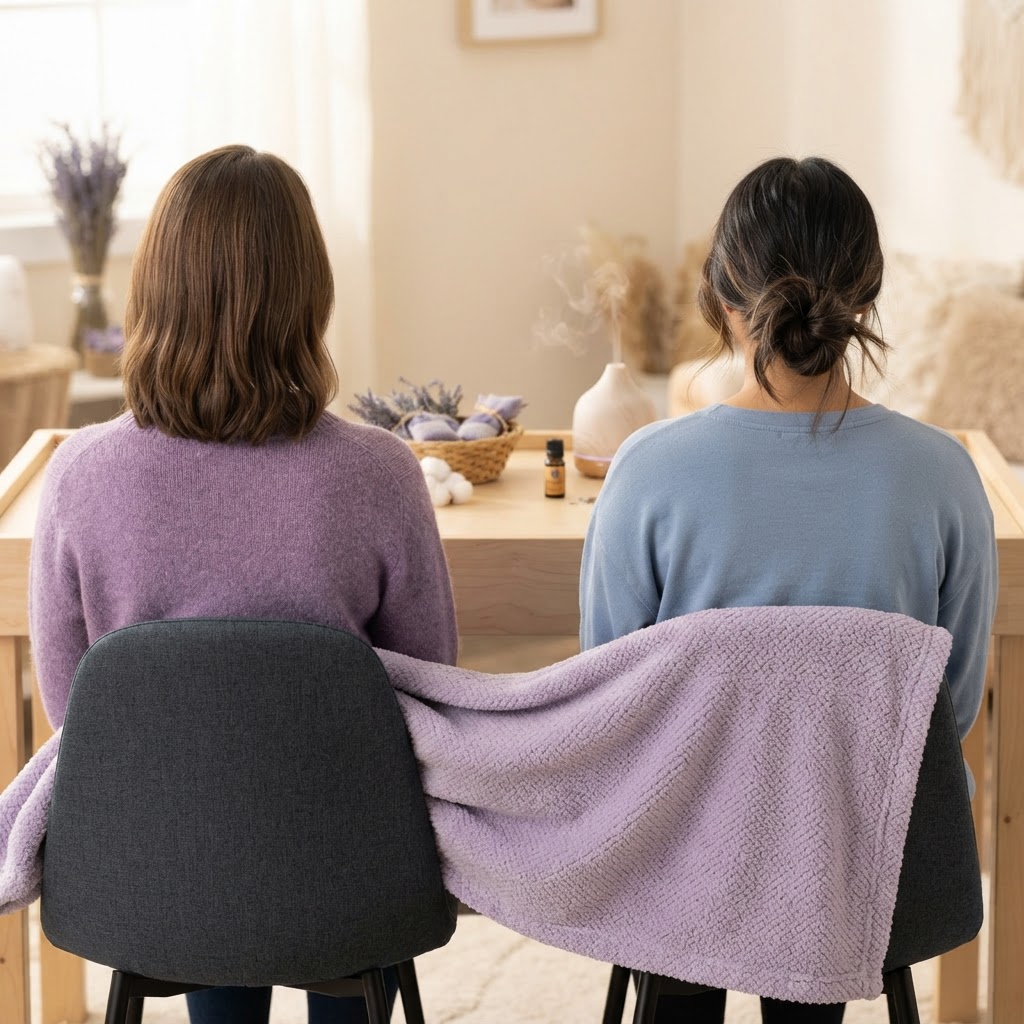
Lavender Journey
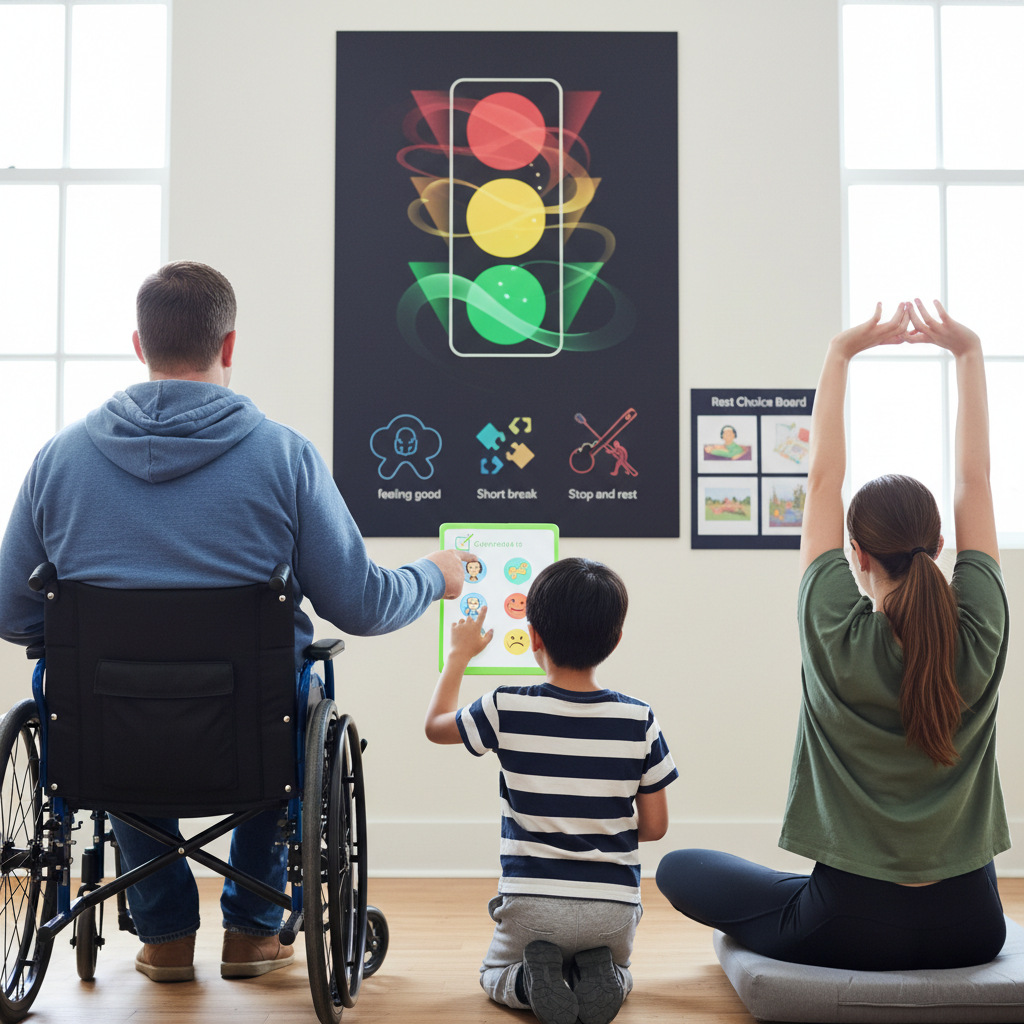
Learning When to Rest

Lemon Experiment
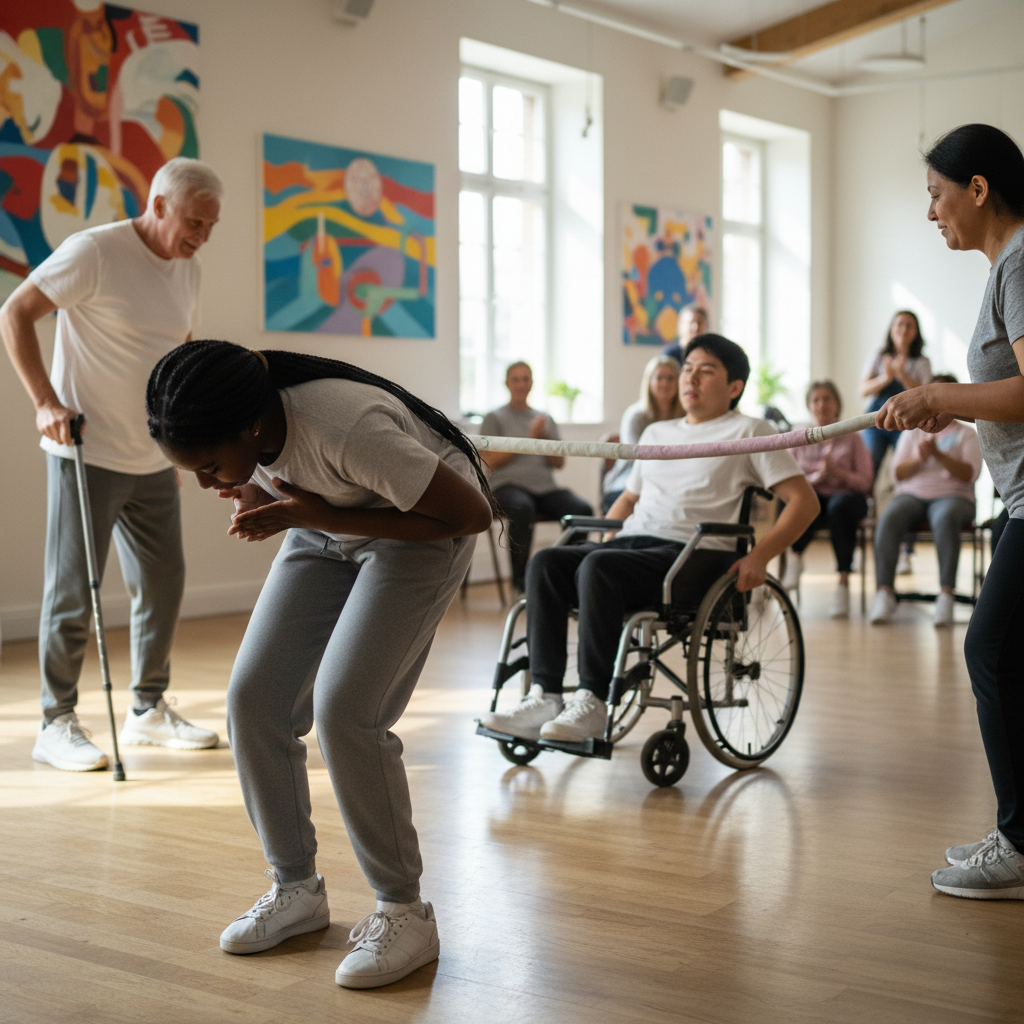
Limbo
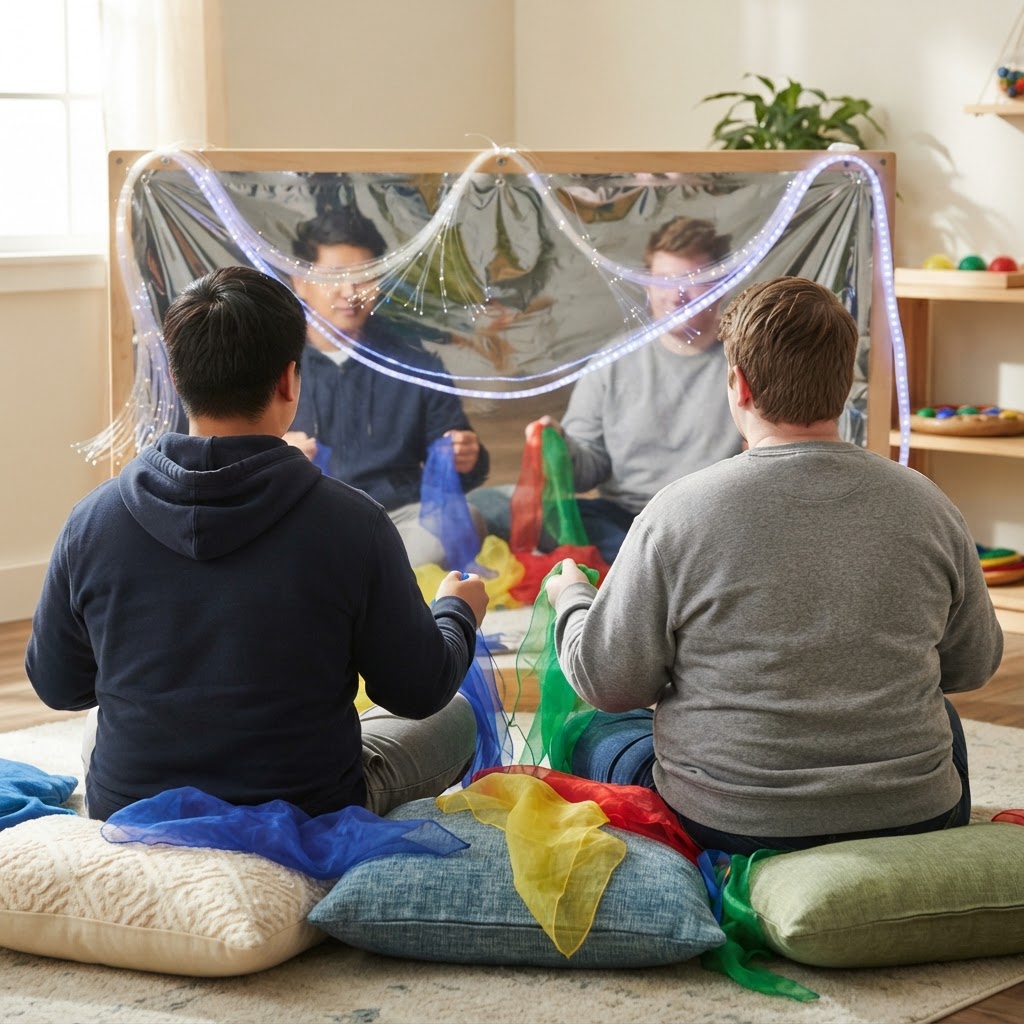
Magic Mirror
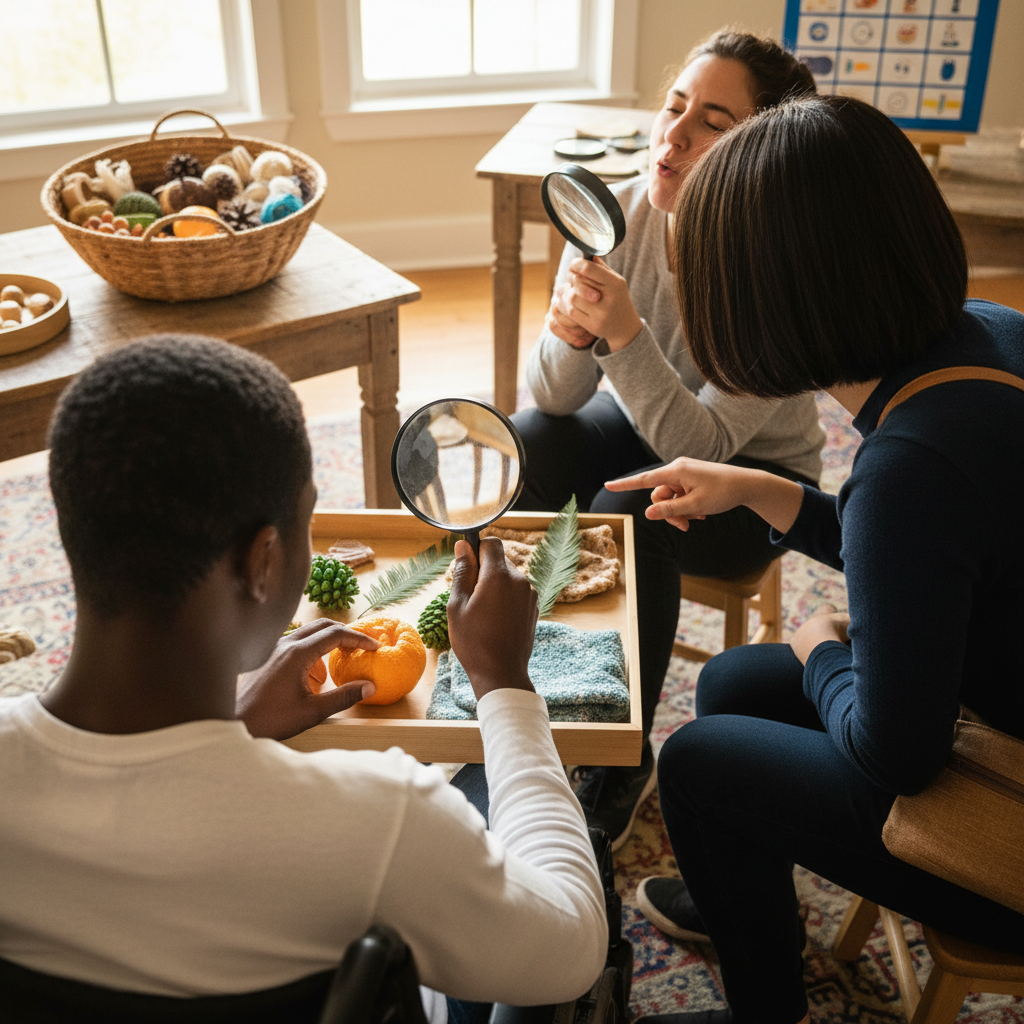
Magnifying Glasses
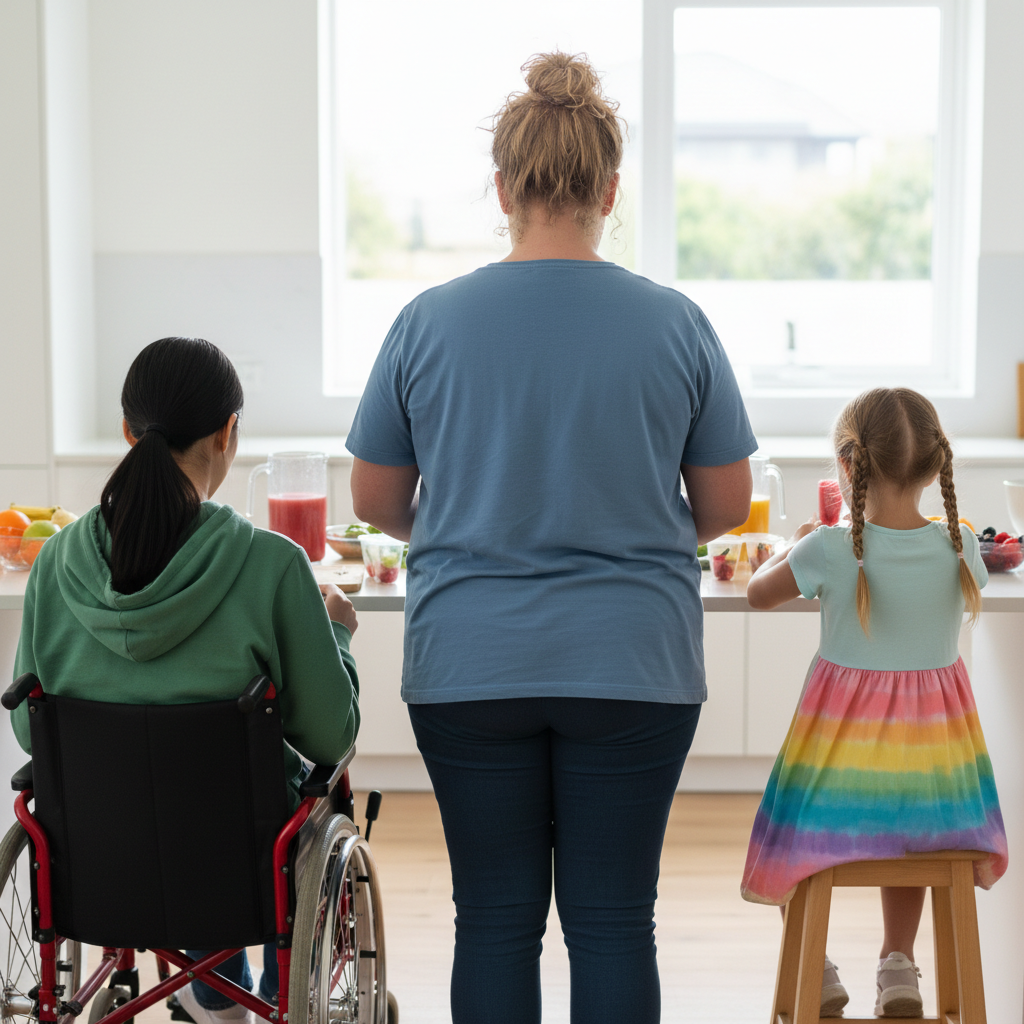
Make Icy Poles
Marshmallow Towers
Masking Tape Balance Beam
Matching Pairs
Mazes
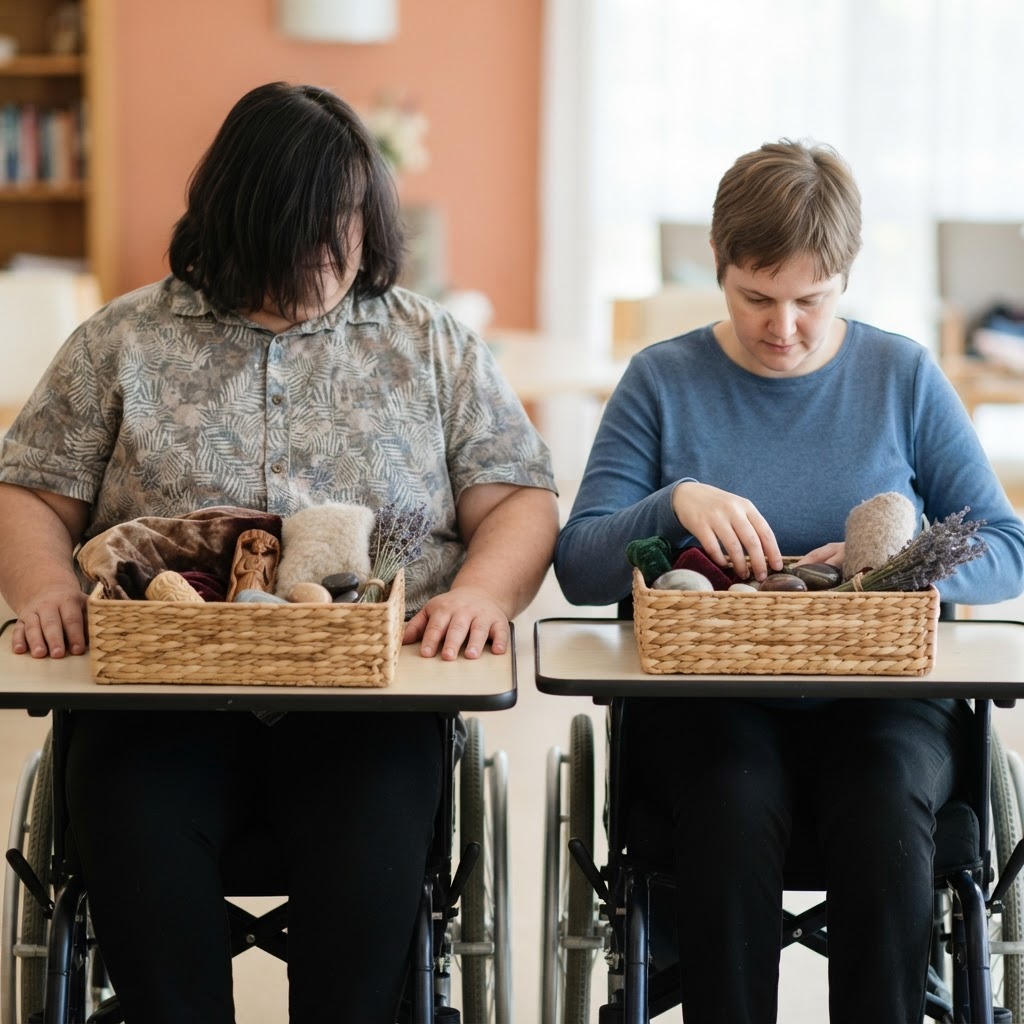
Memory Basket
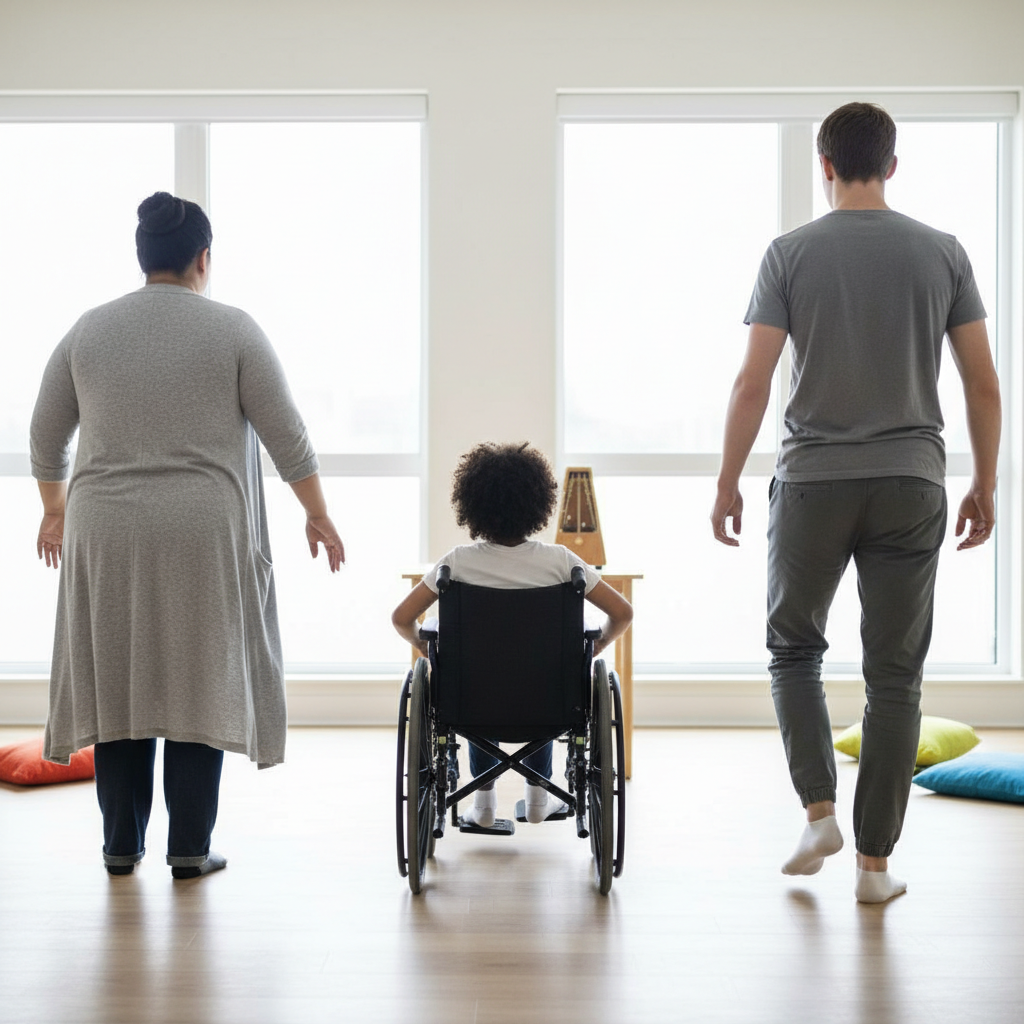
Metronome
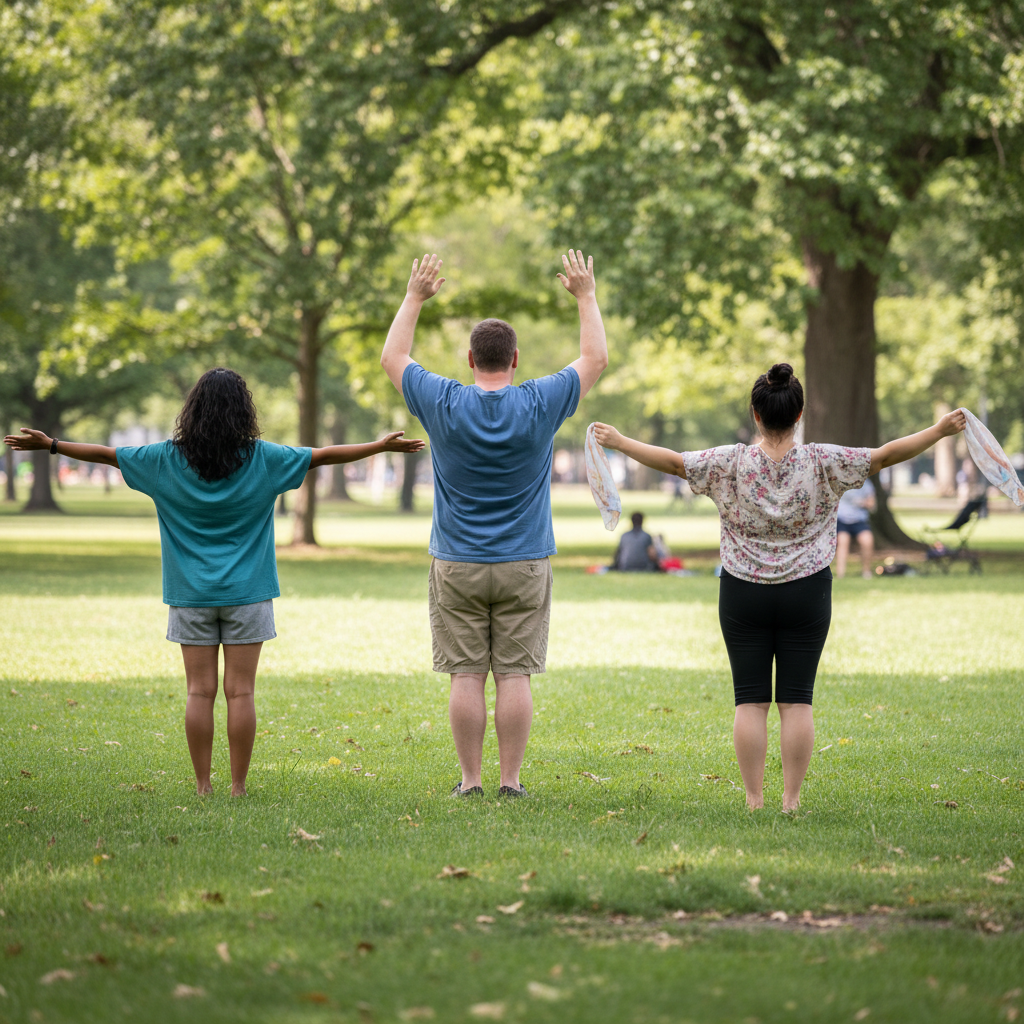
Mexican Waves
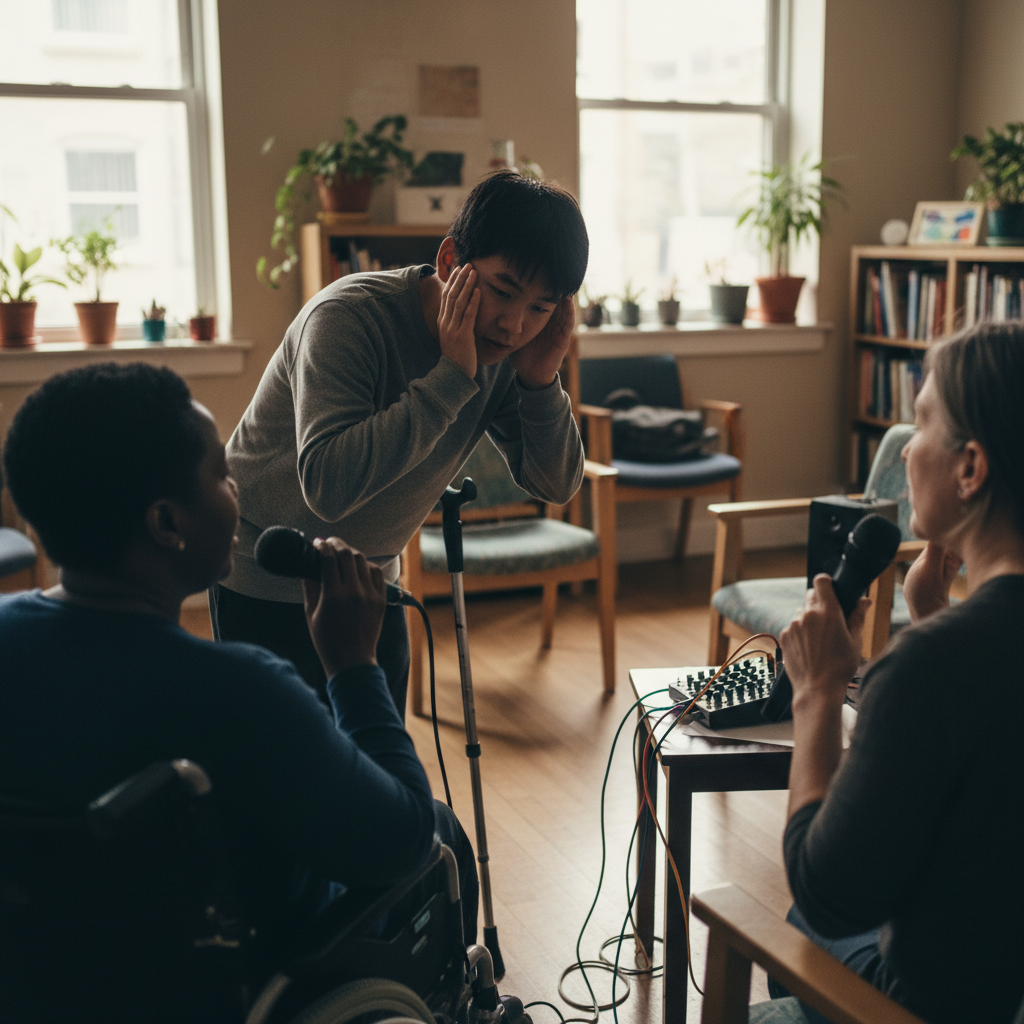
Microphone
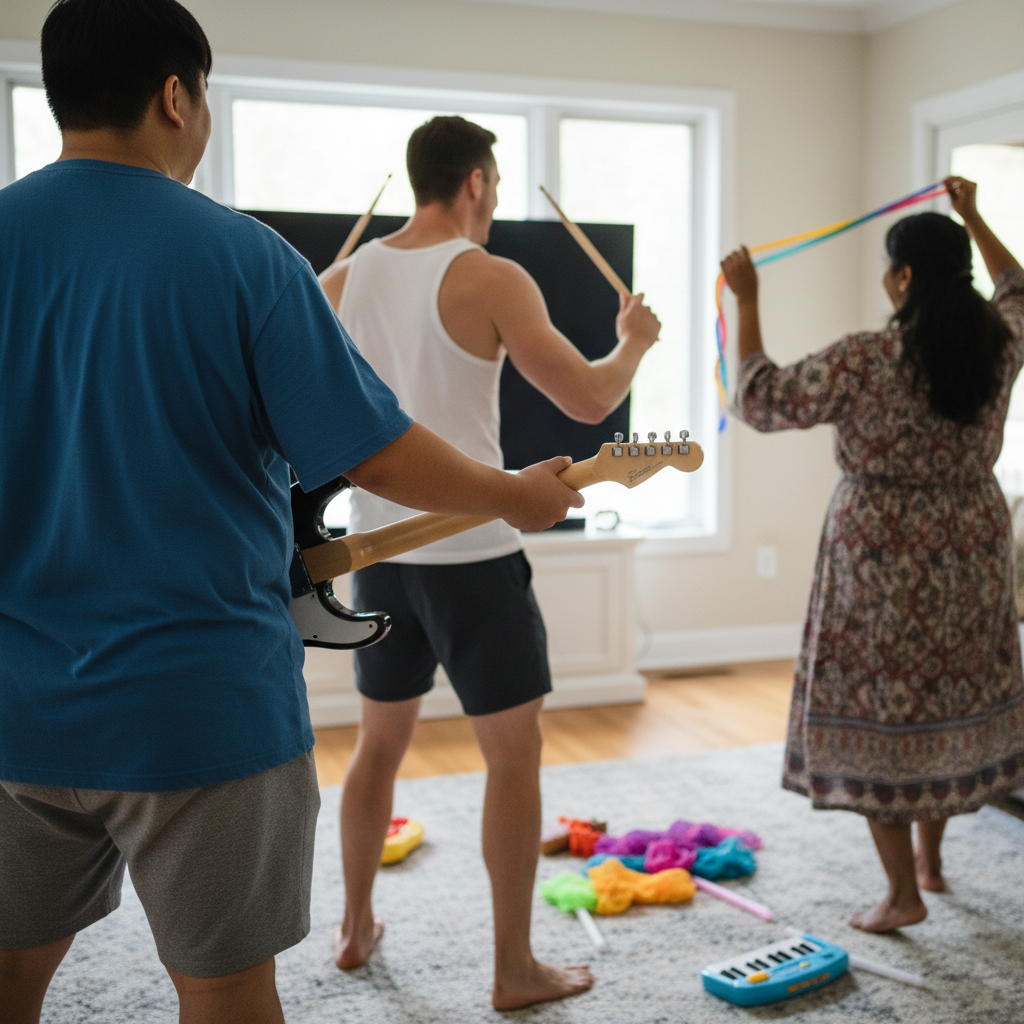
Miming with Musical Instruments
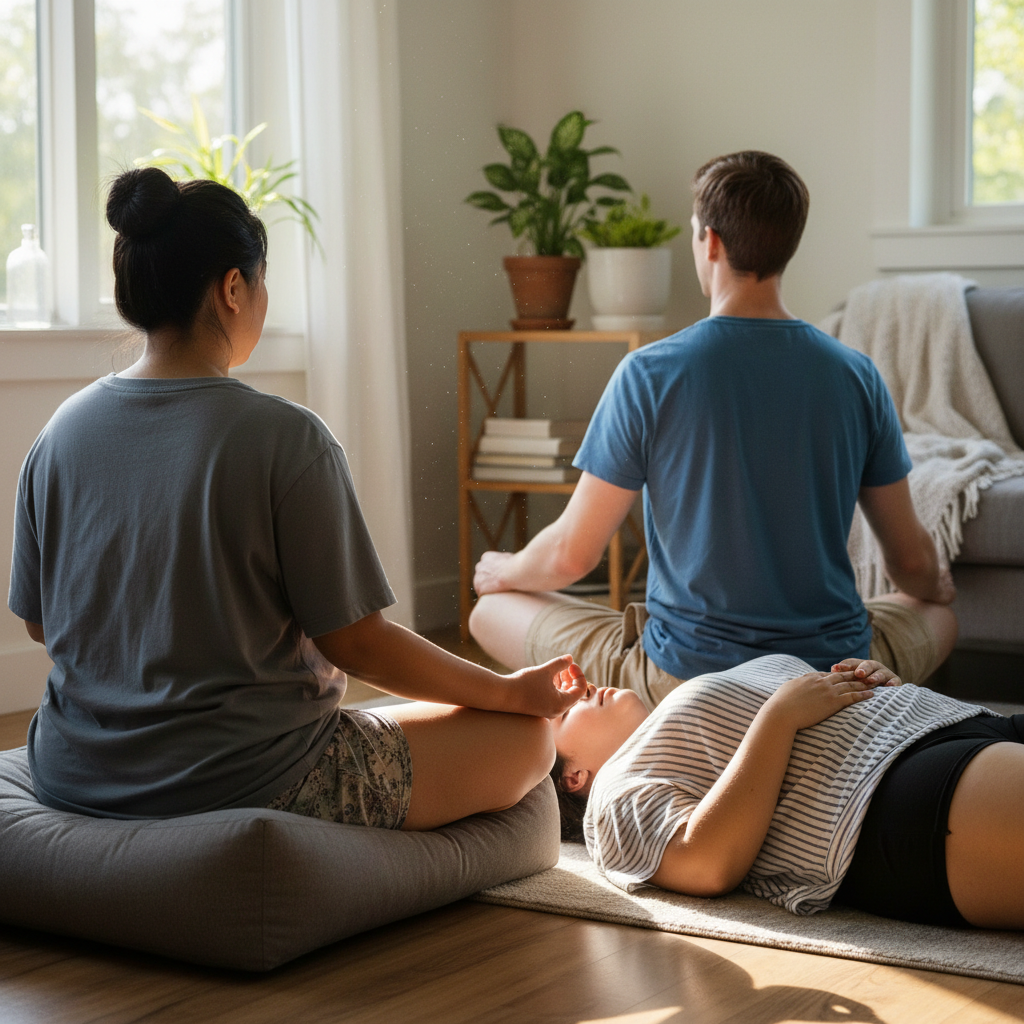
Mindful Breathing
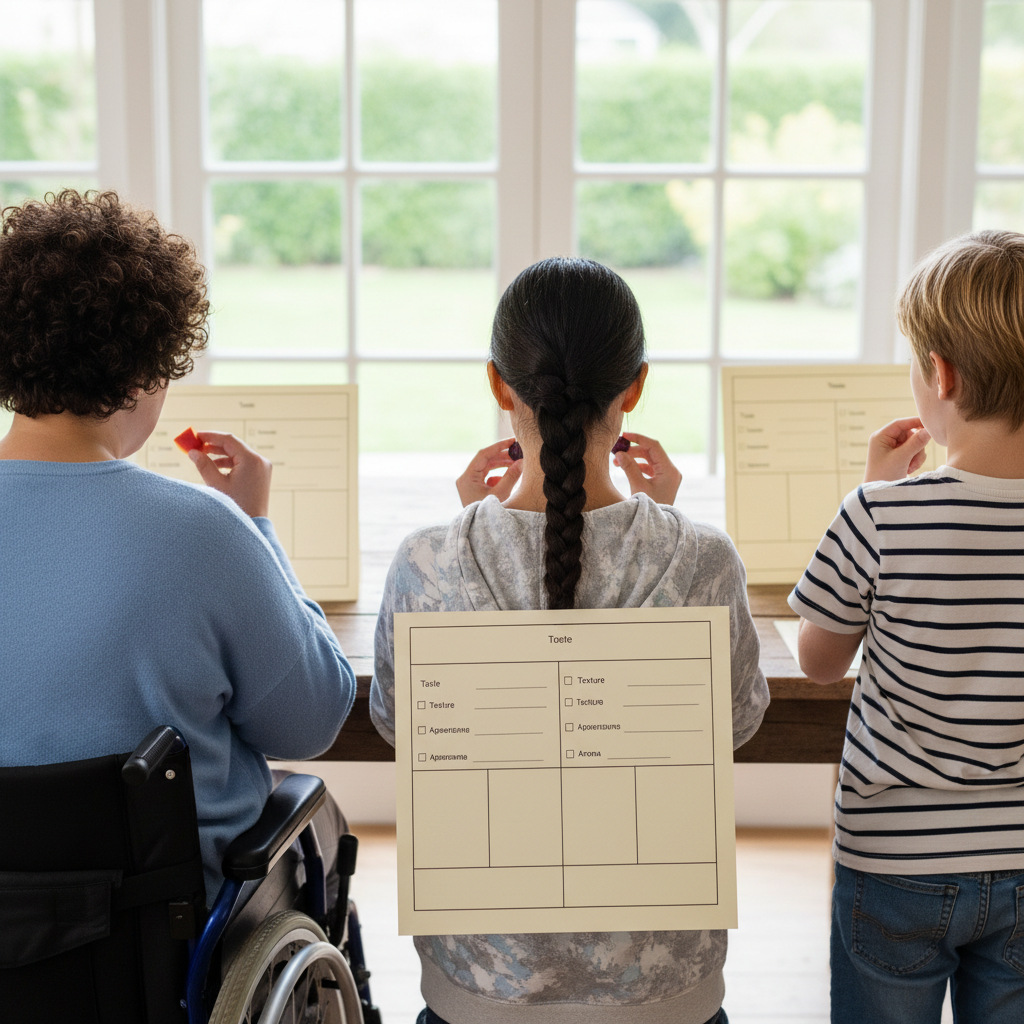
Mindful Food Tasting

Mint Morning
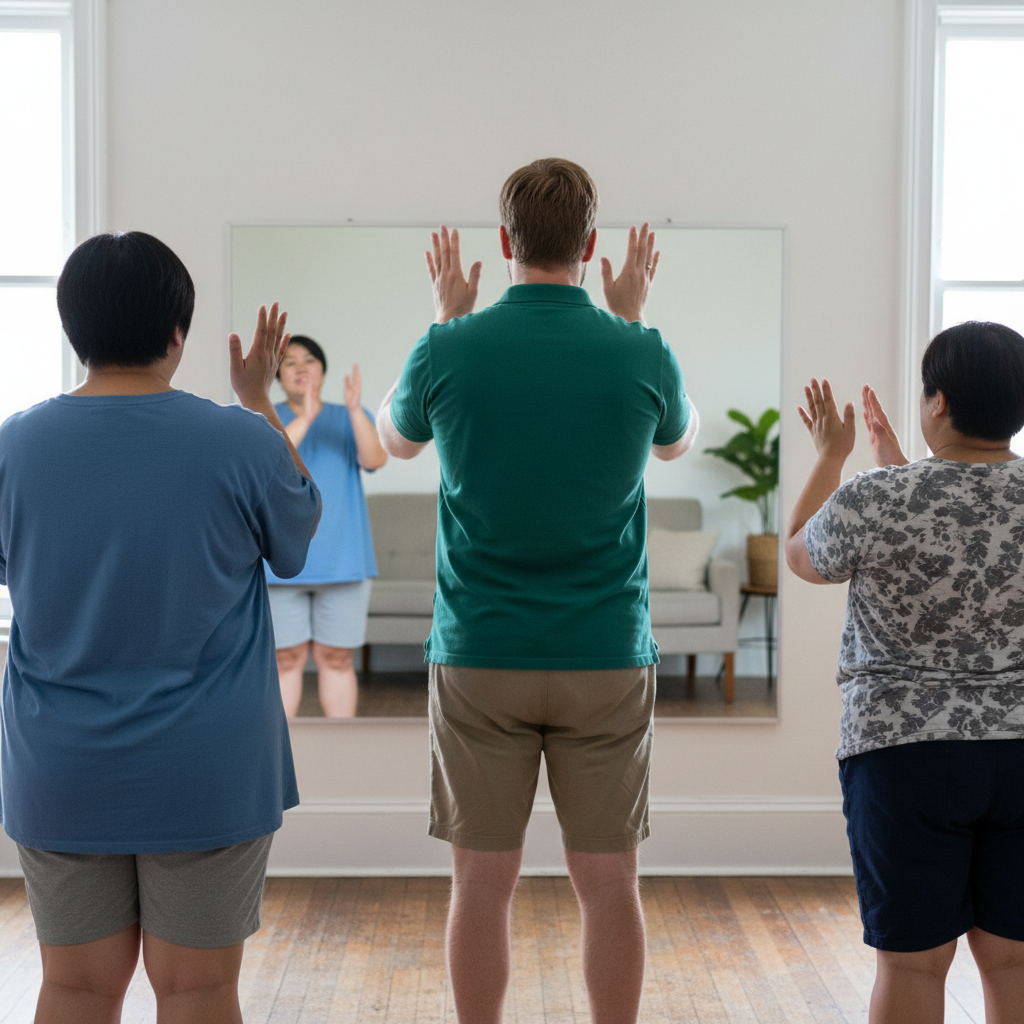
Mirror Clapping
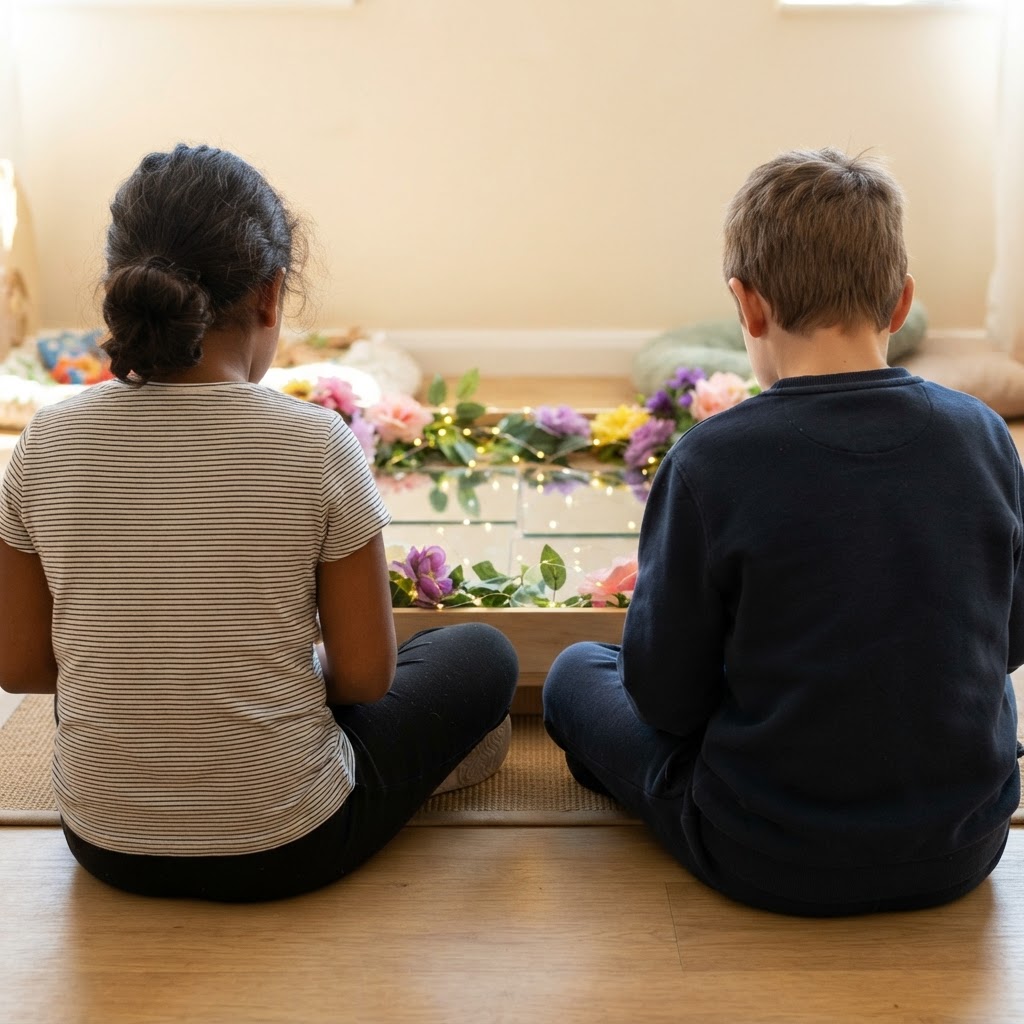
Mirror Garden
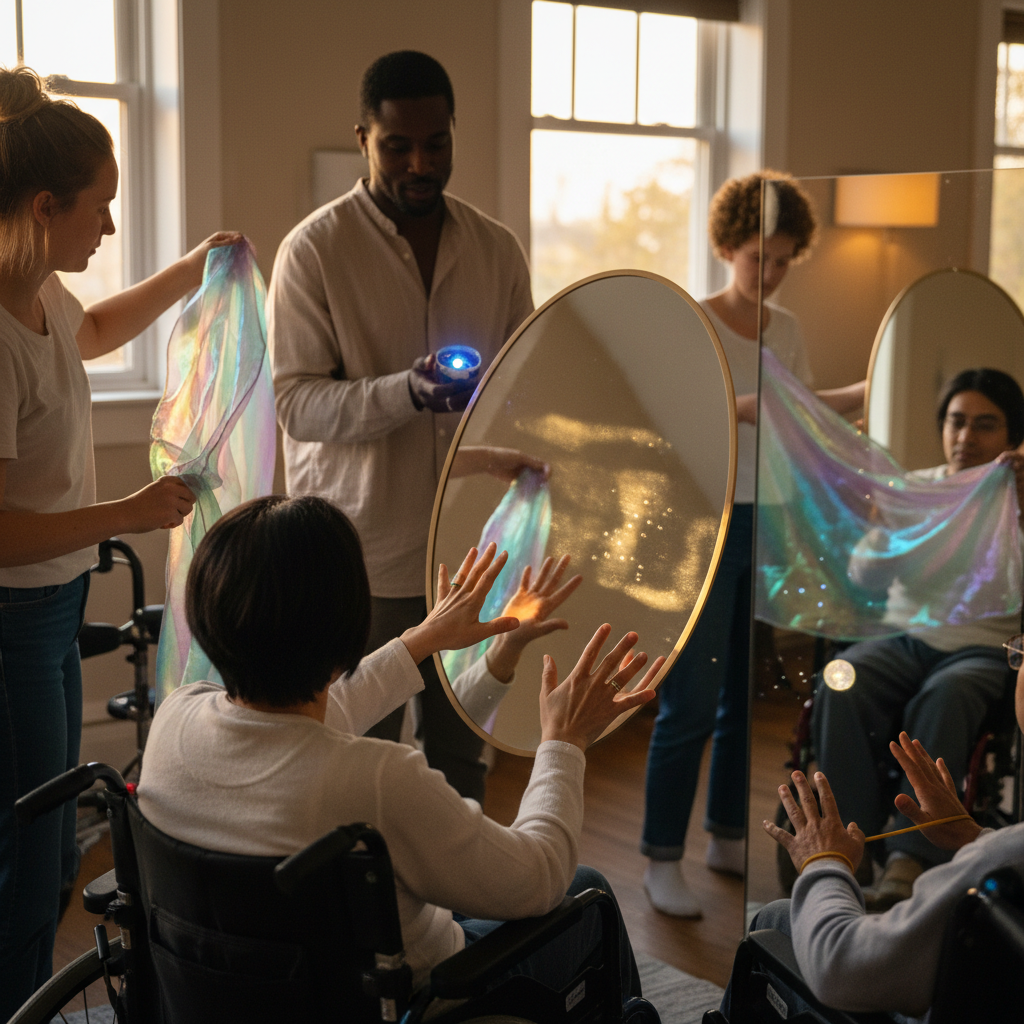
Mirror Play
Mirror Reflections
Modified Basketball
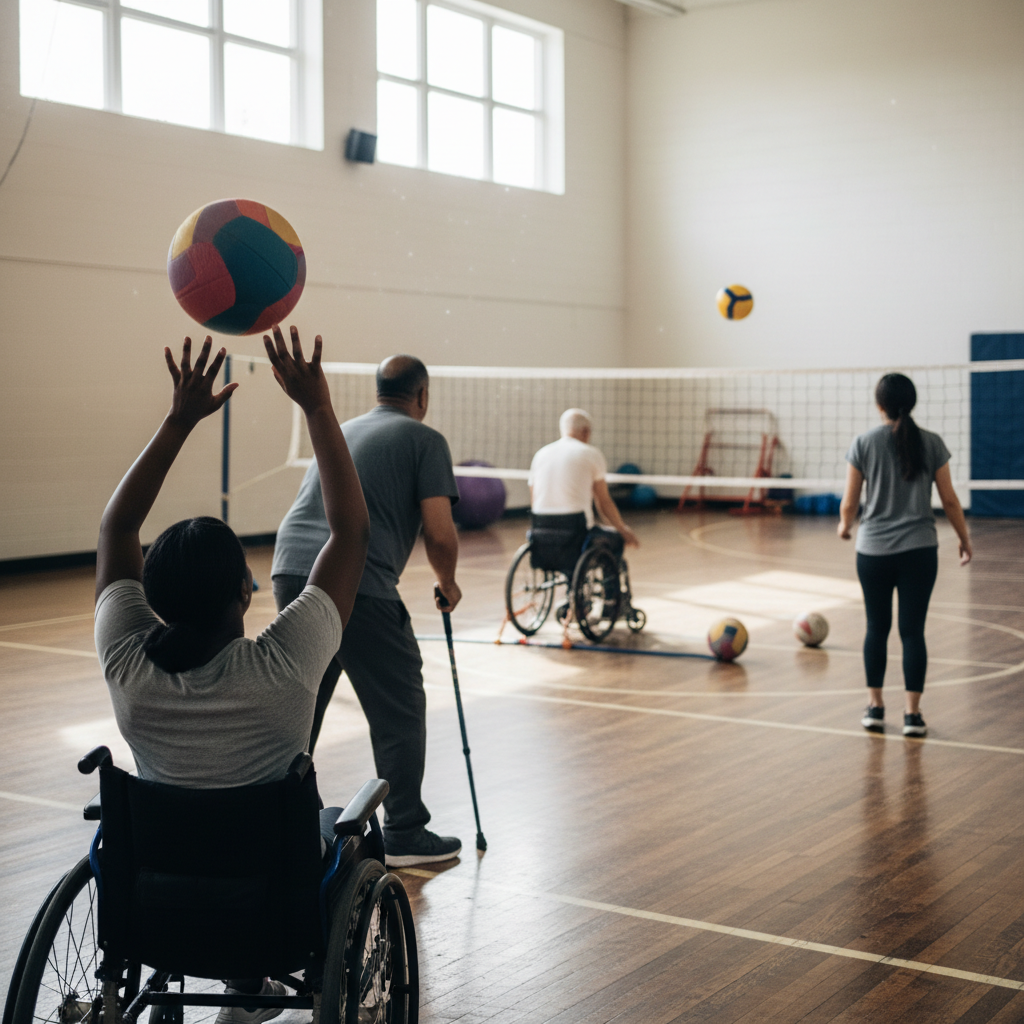
Modified Volleyball
Monkey Bars
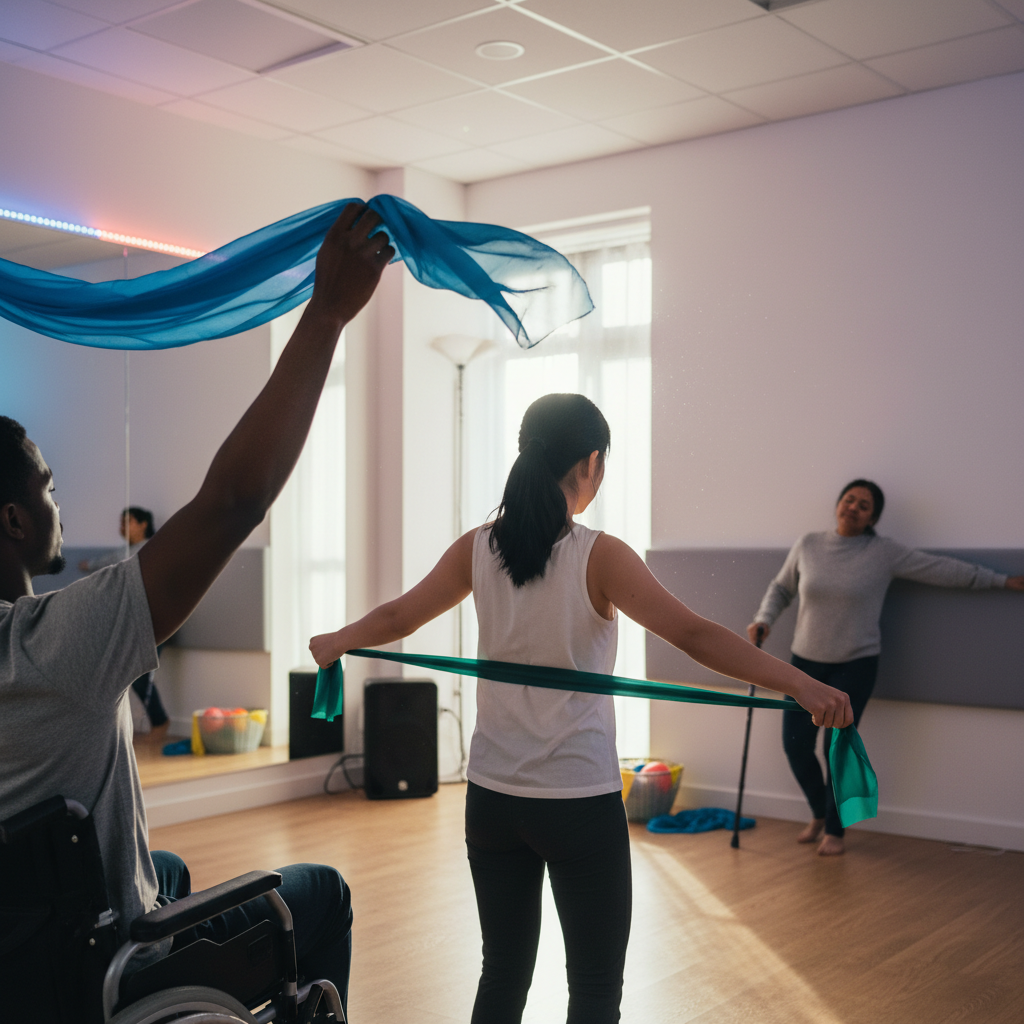
Movement to Music
Movement to Music

Moving To Music
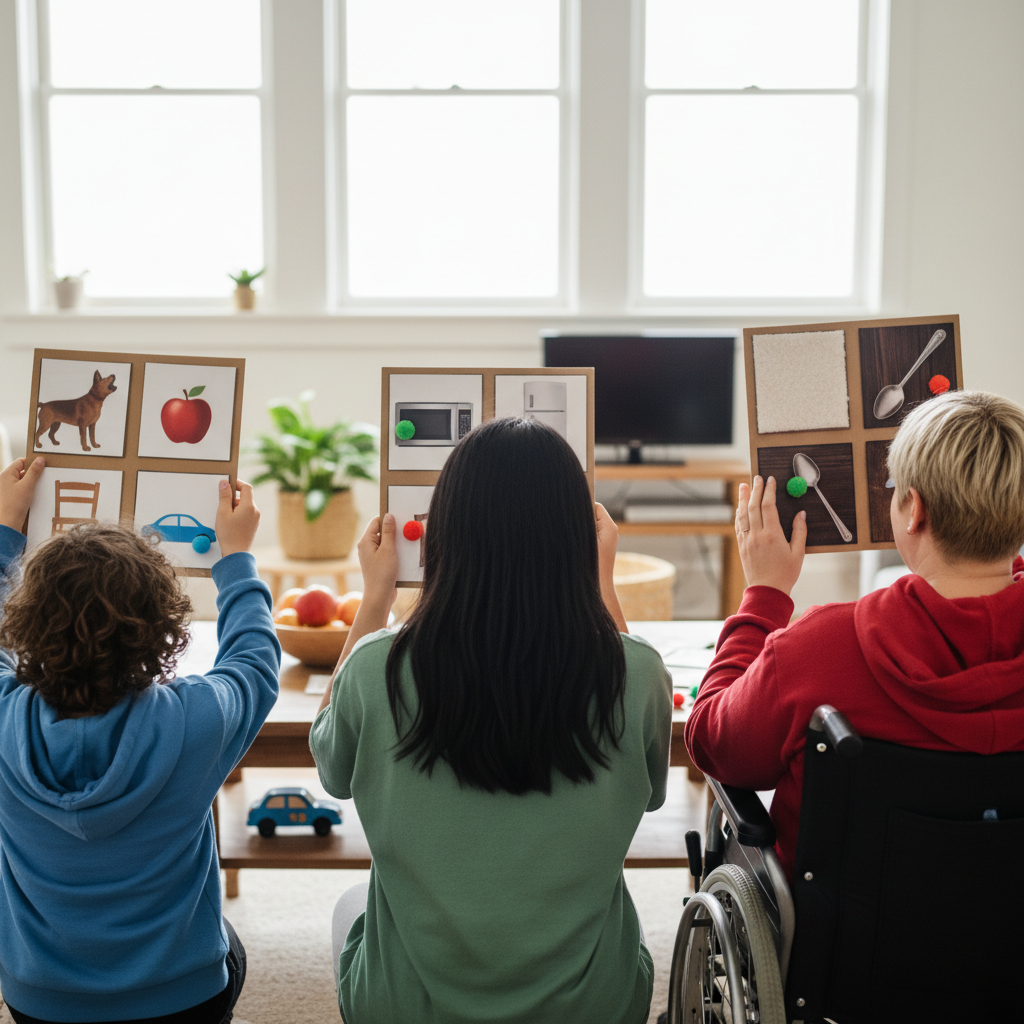
Multisensory 'Bingo'
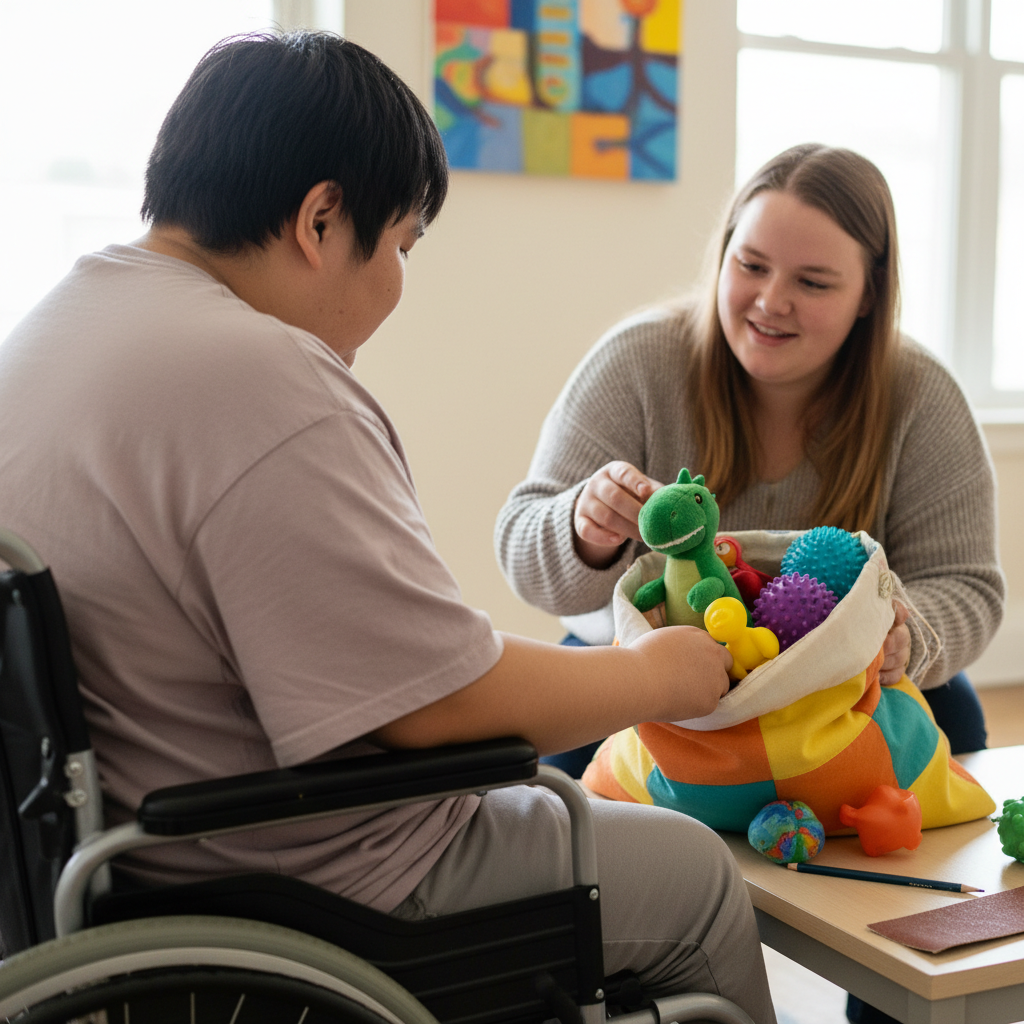
Mystery Bag
Name The Mistake
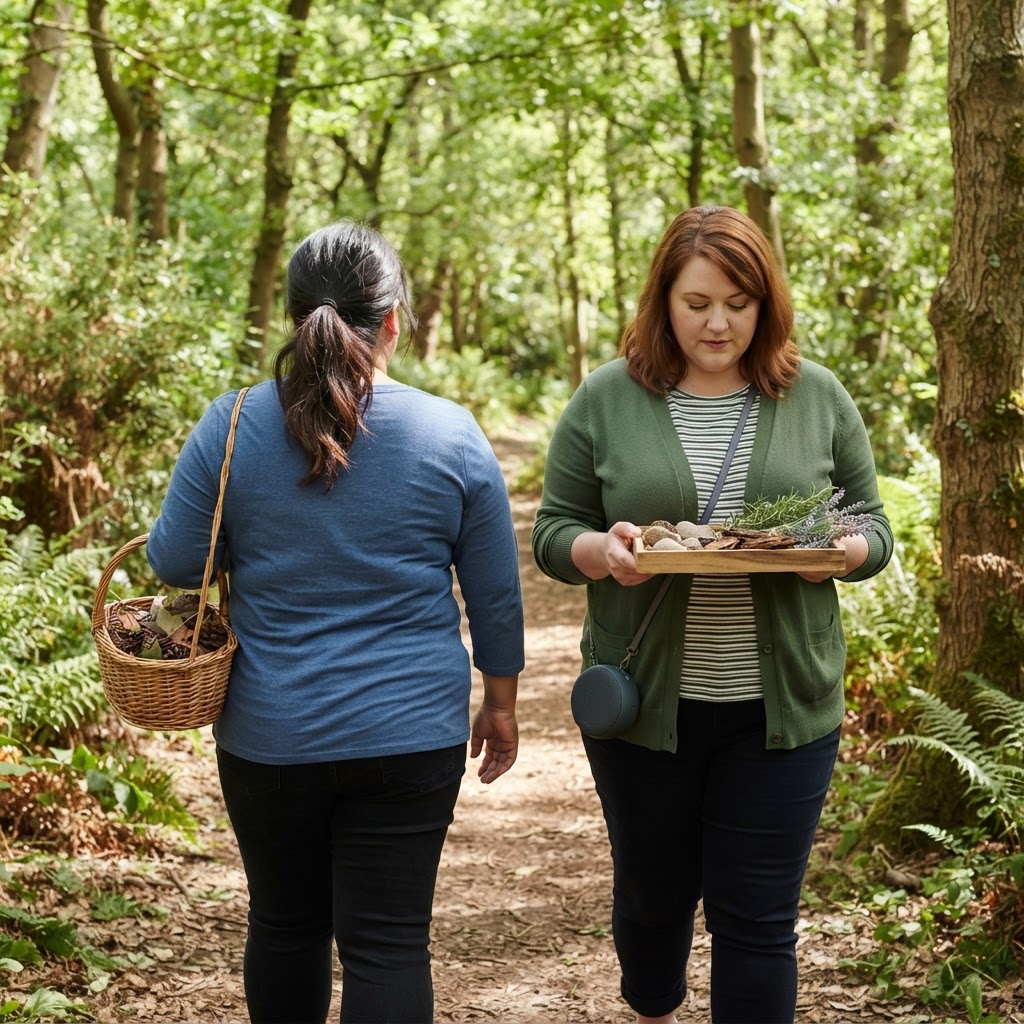
Nature Treasure Trail

Neighborhood Walk
Netball
Newspaper Dress Up
Noodle Play
Obstacle Course
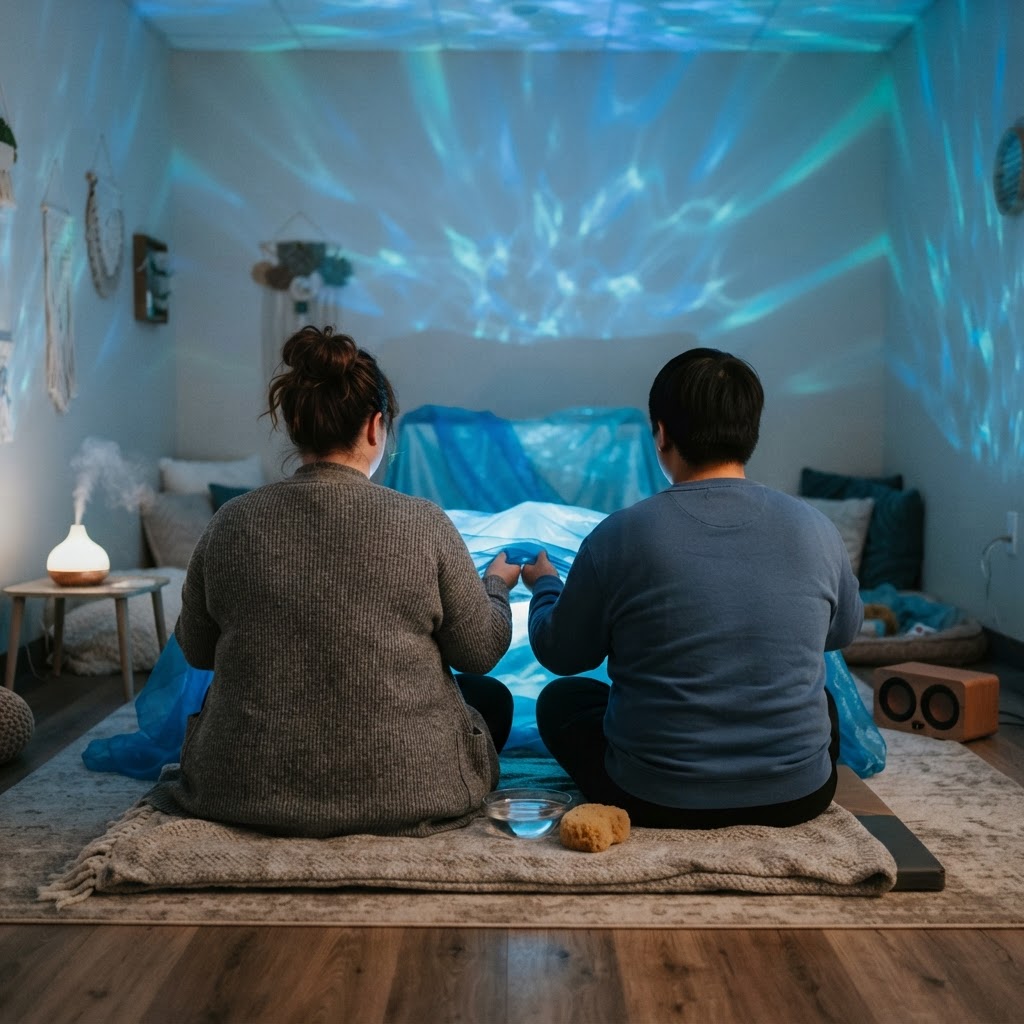
Ocean Escape
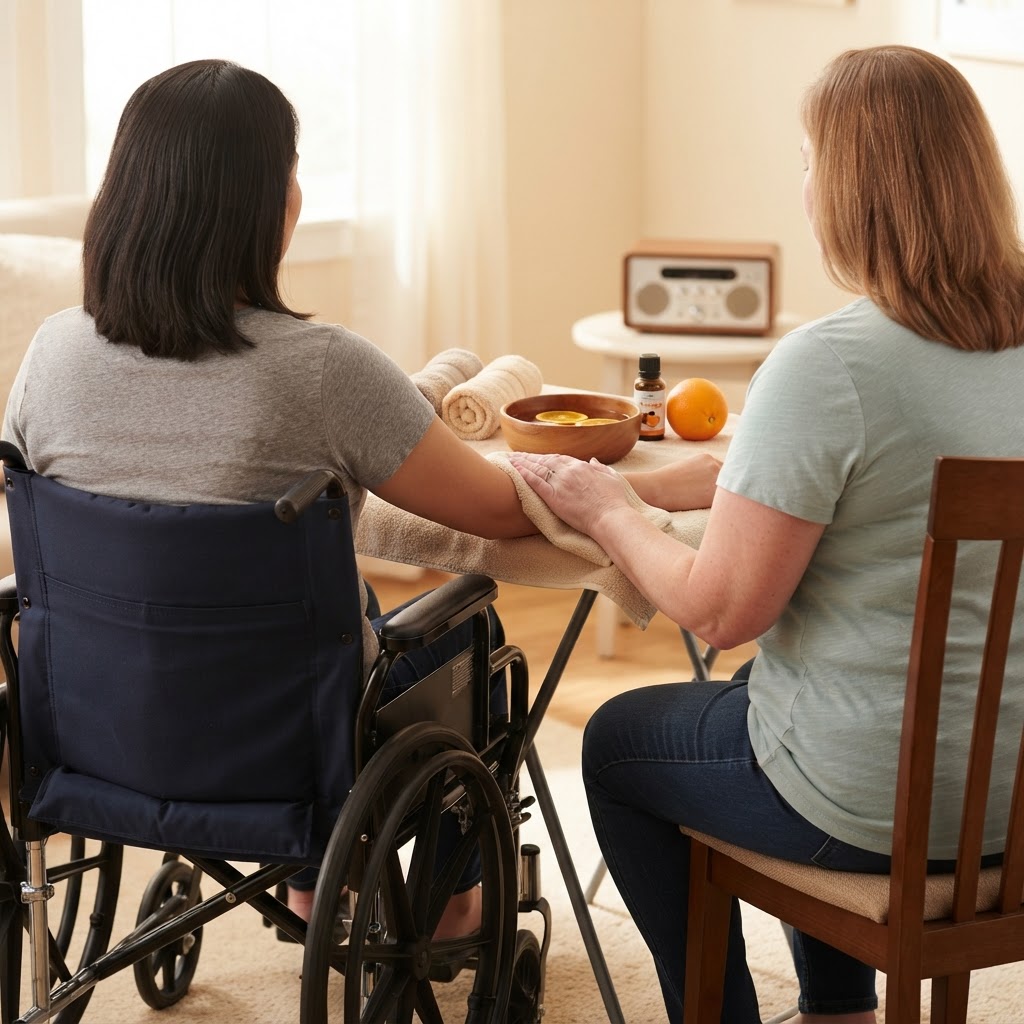
Orange Spa
P Protocol
P Protocol
Paddling
Paddling
Paper Sculpting
Perfume Counters
Pillow Fight
Pillow Fight
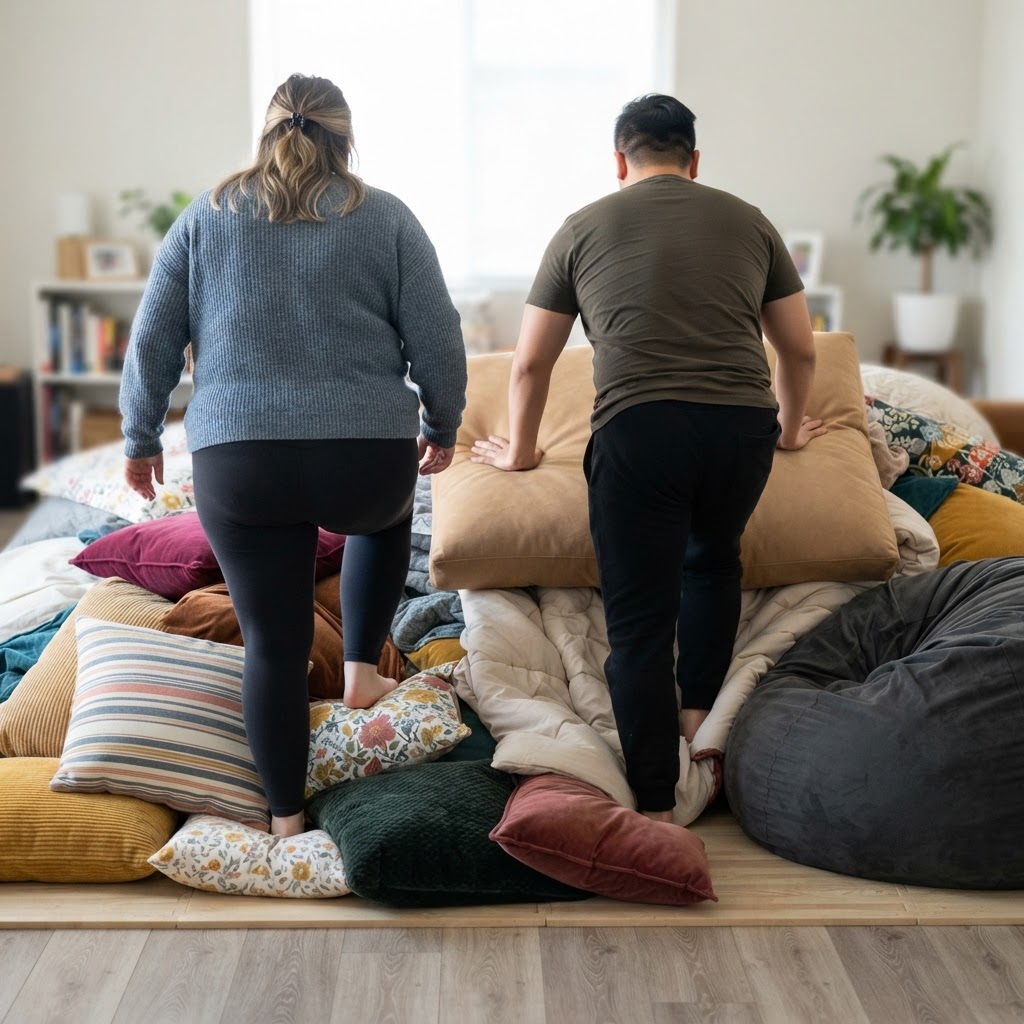
Pillow Mountain
Play with Reaction Ball
Playlist
Pocket of Calm
Polaroids
Pool Exercises
Portrait Gallery
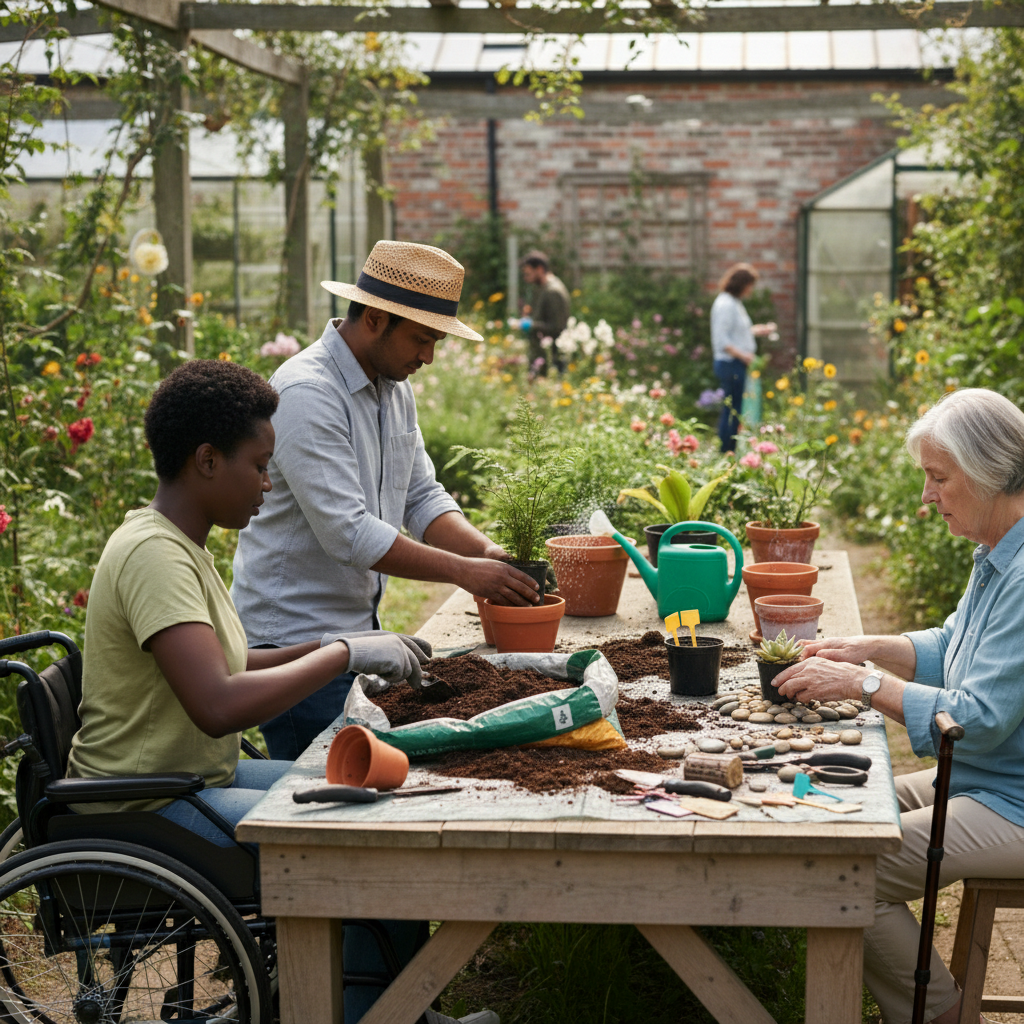
Potting Plants
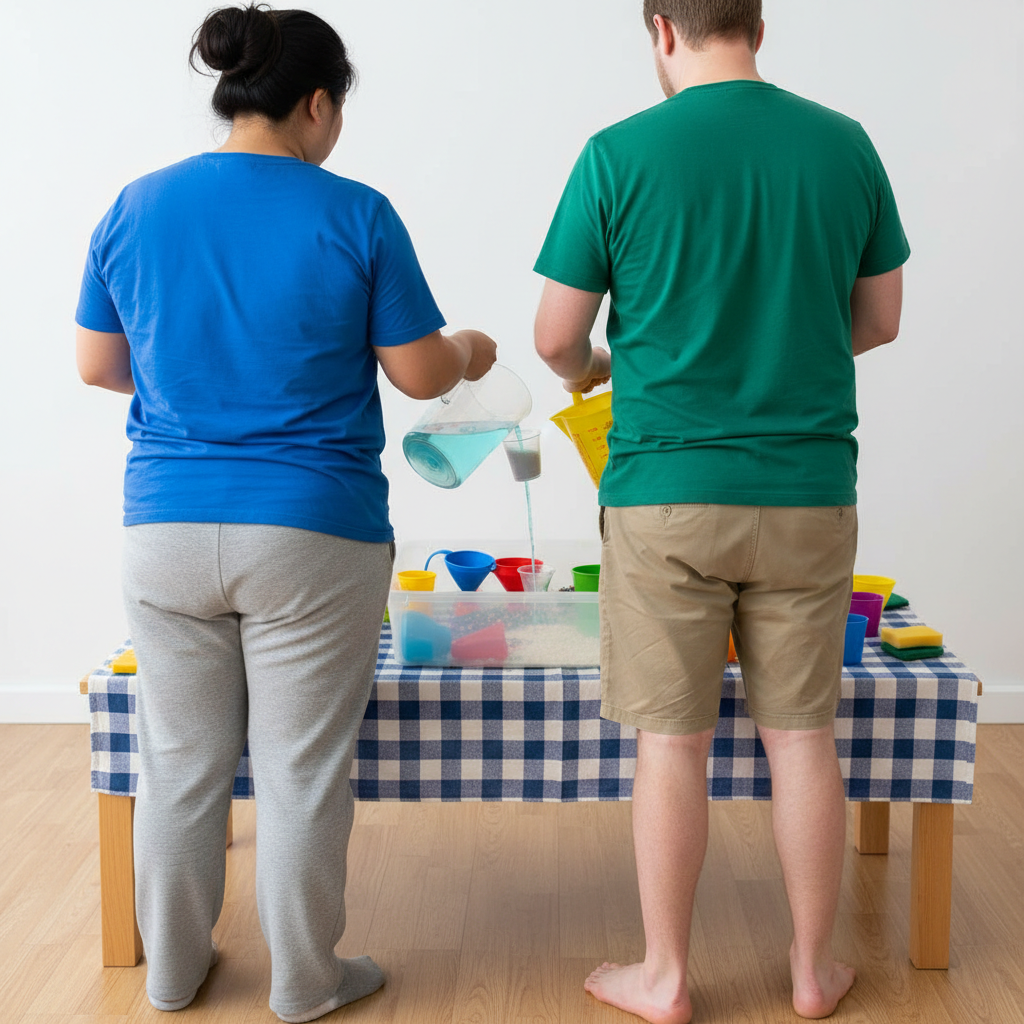
Pouring station
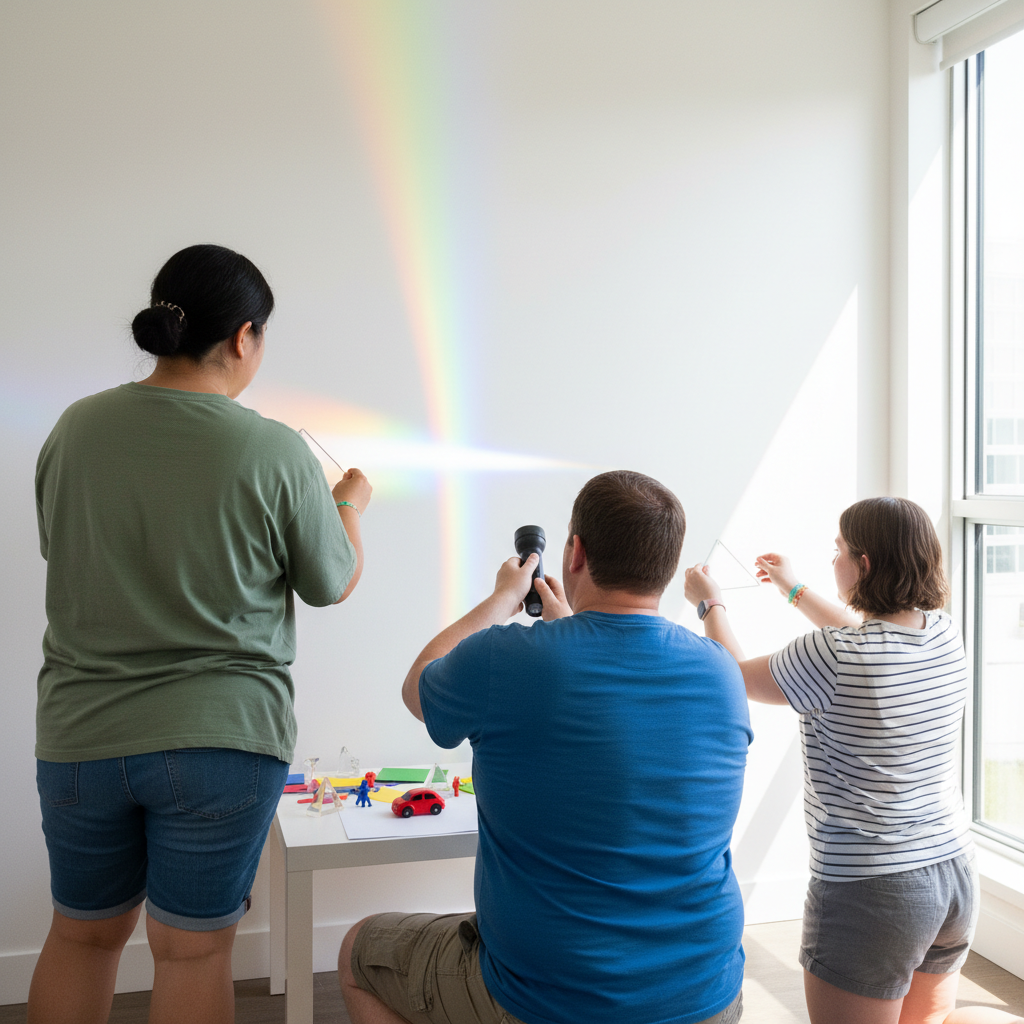
Prisms
Pull Up Bar
Puzzles
Rain Shakers
Raking
Relaxation
Rhythmic Body Massage
Rhythmic Body Tappin to Music
Rocket Jumps
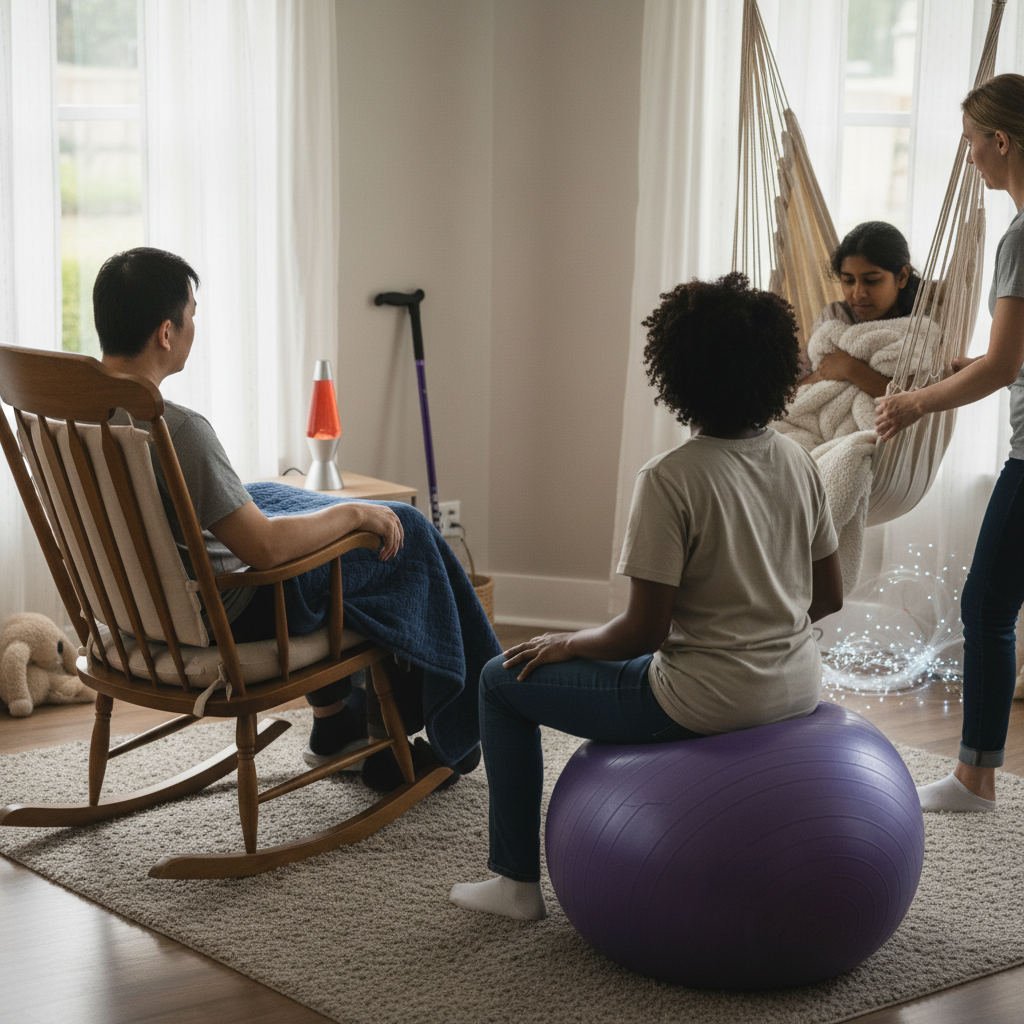
Rocking
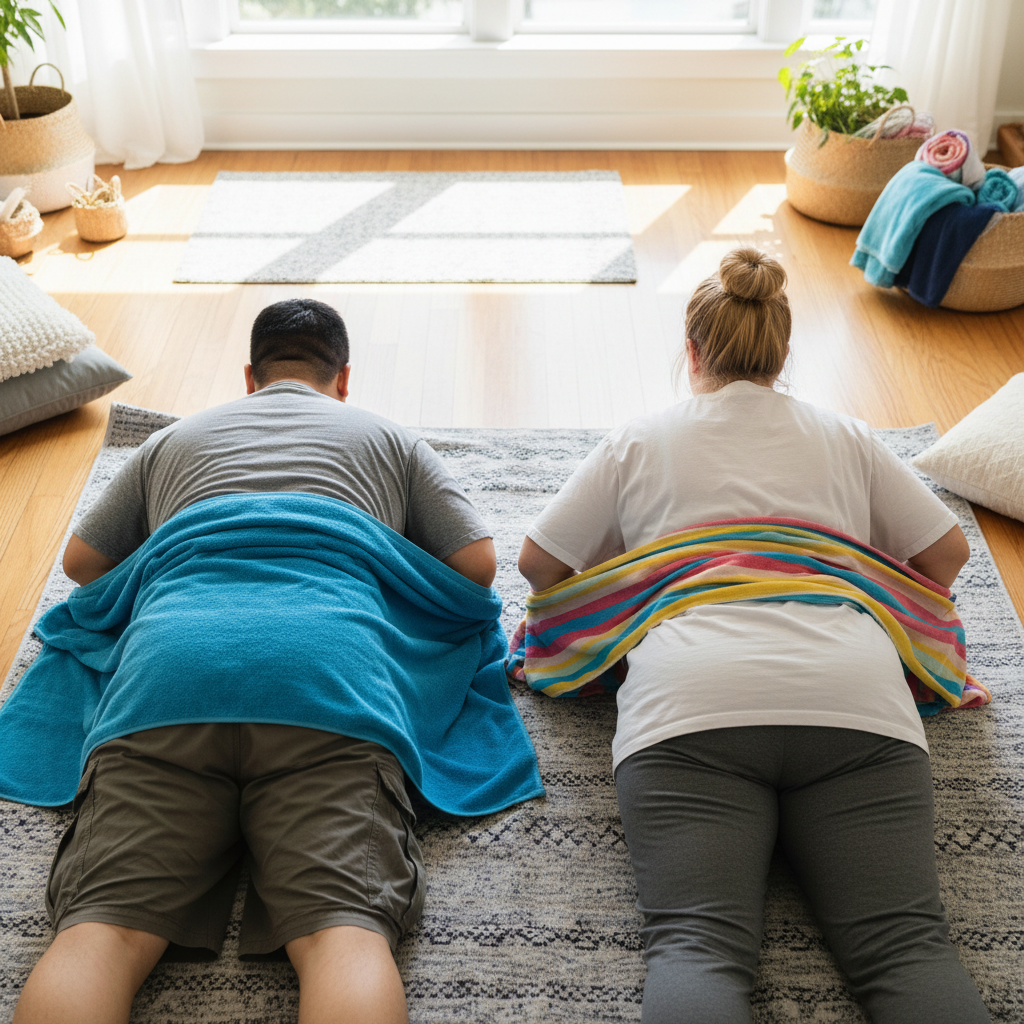
Rolled Up
Roller-skating
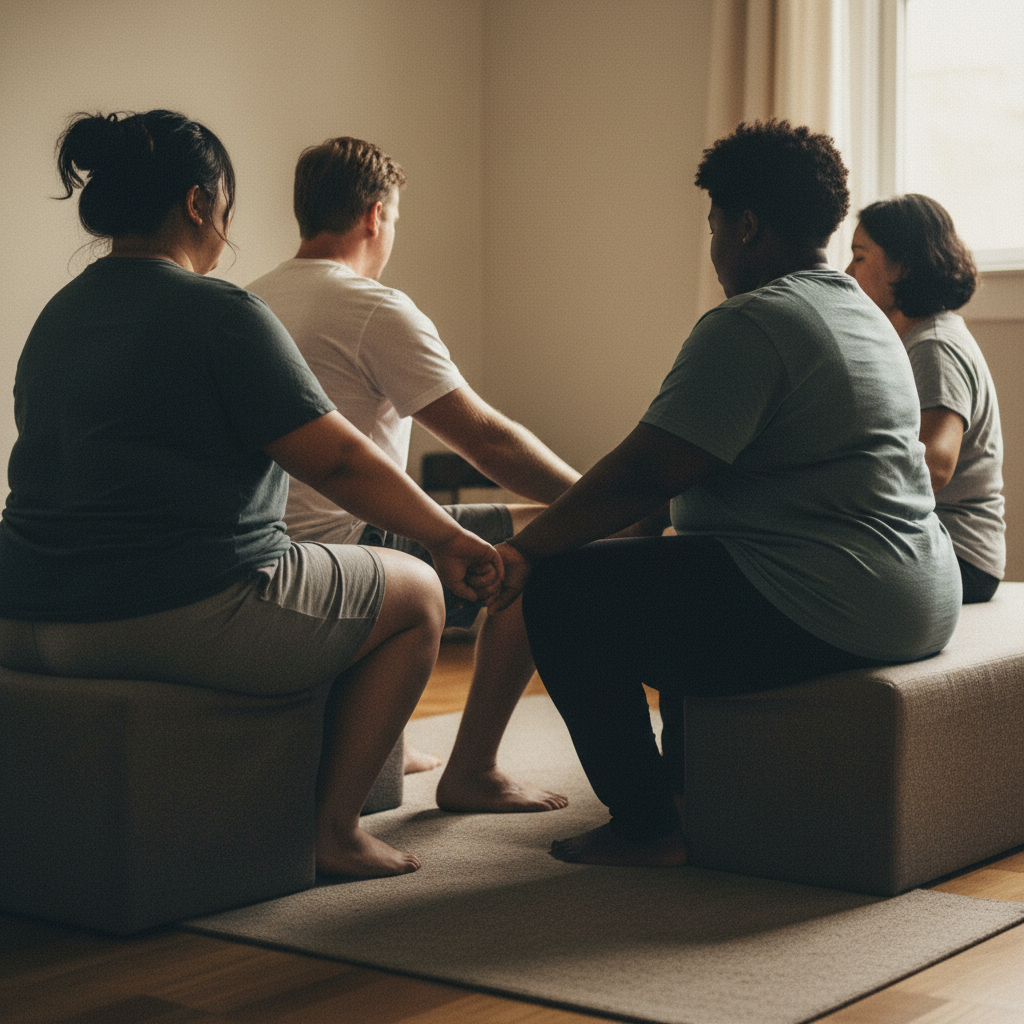
Row Your Boat” Duet
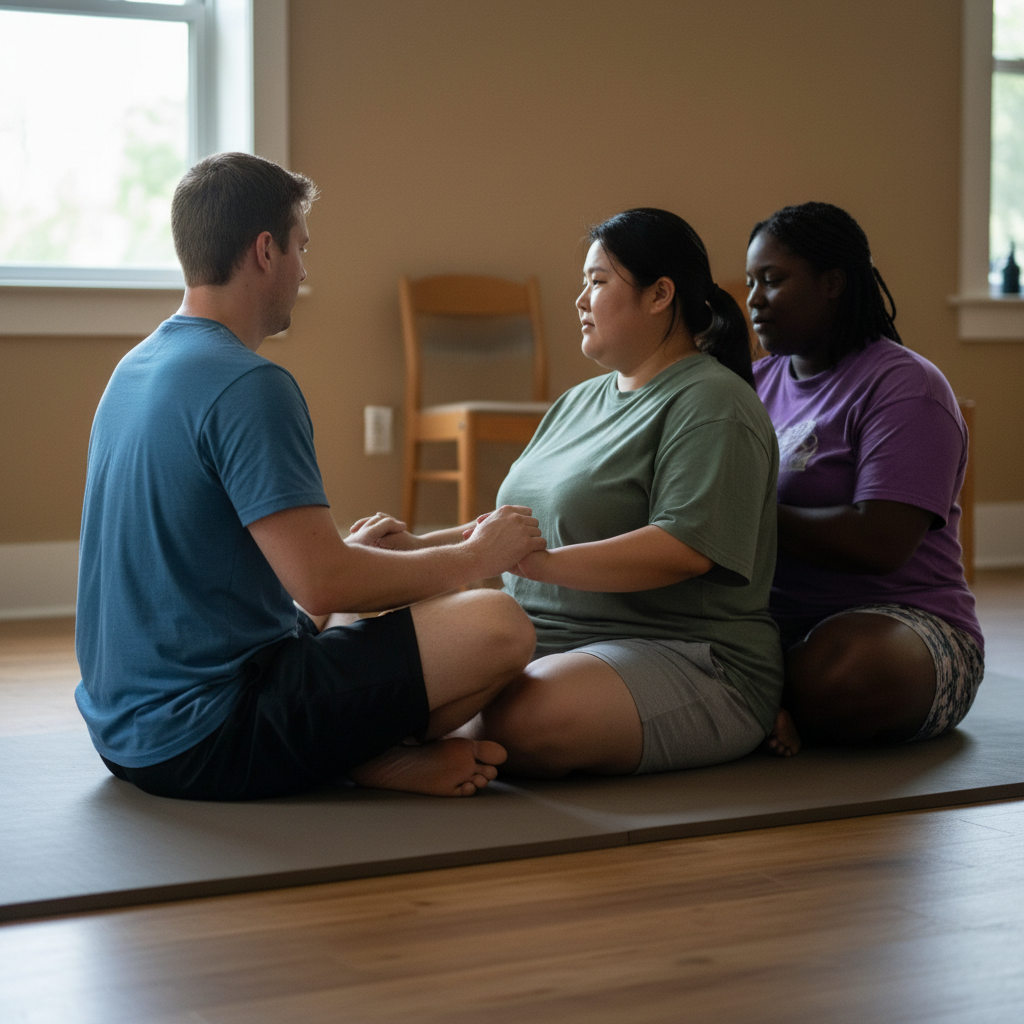
Row Your Boat” Duet
Sailing
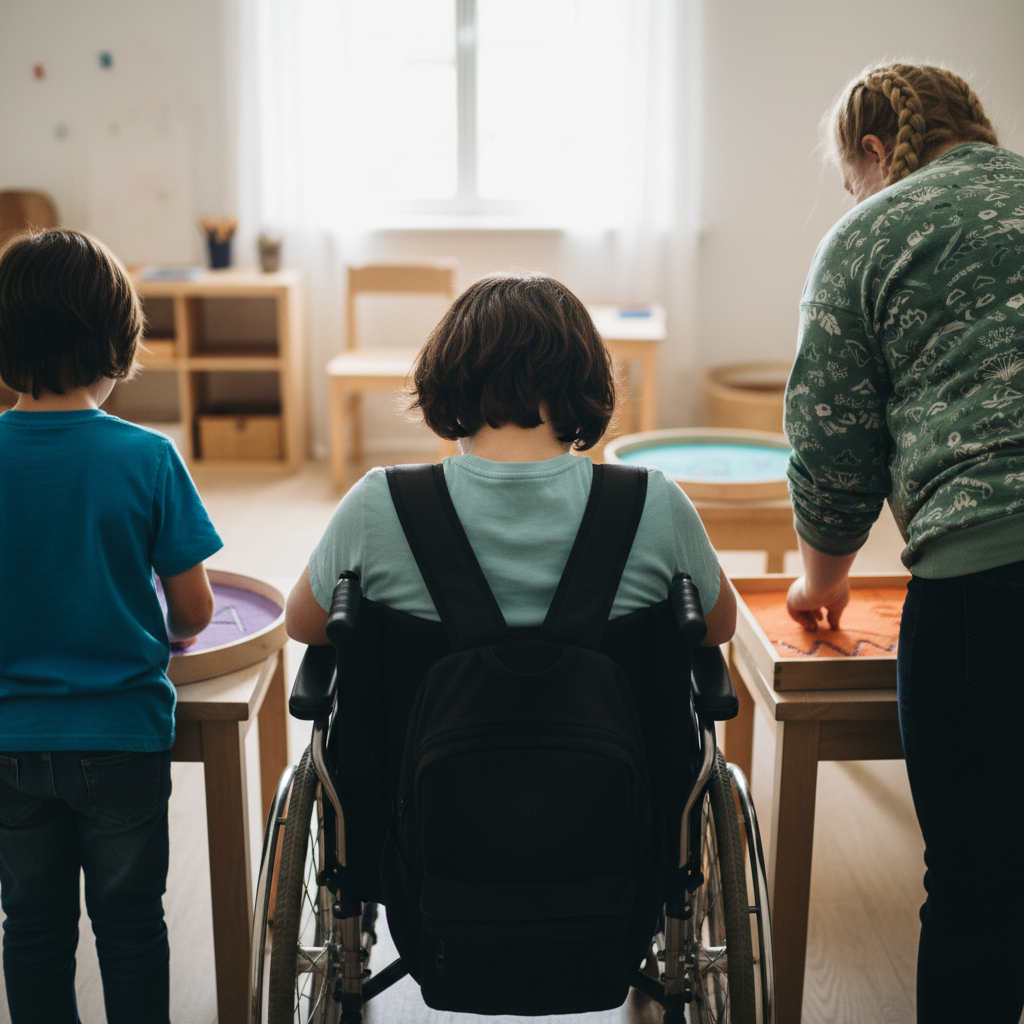
Salt Alphabets

Salty Foods
Salty Foods
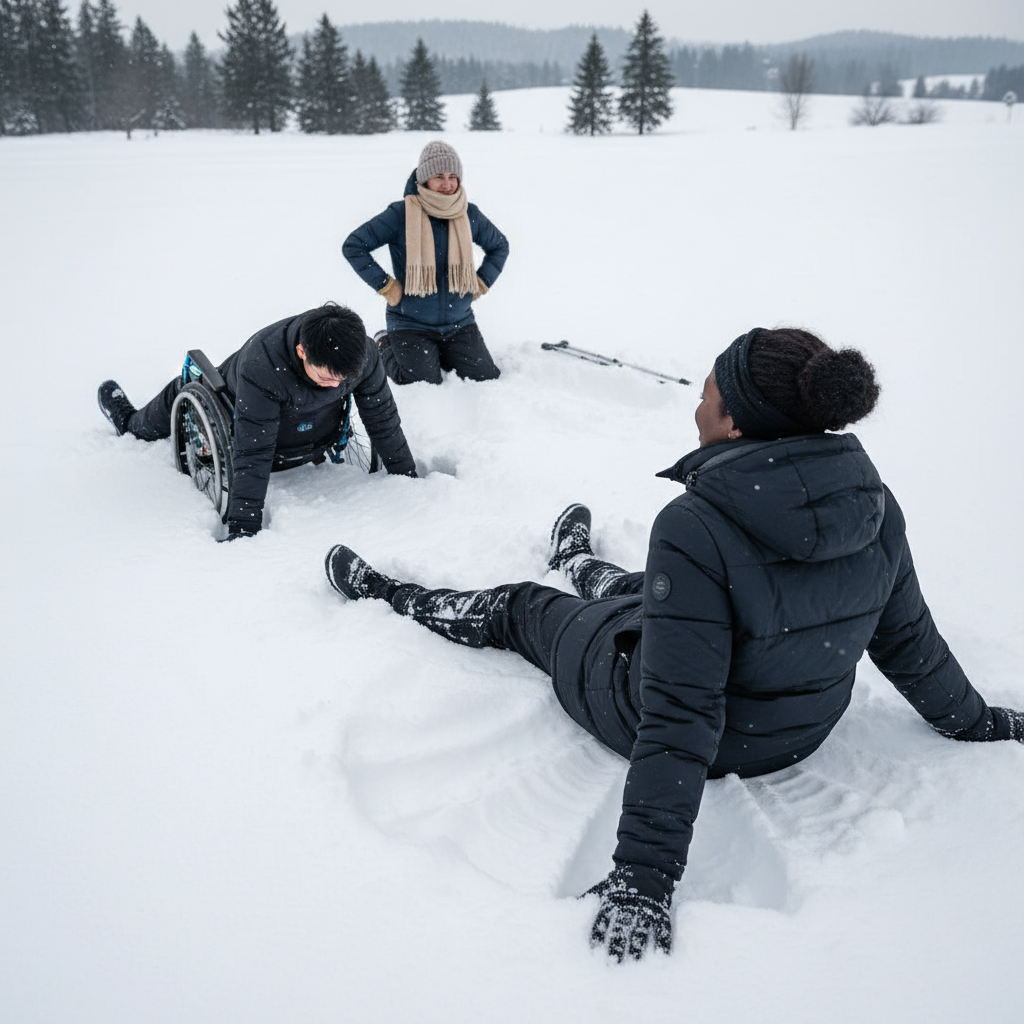
Sand or Snow Angels
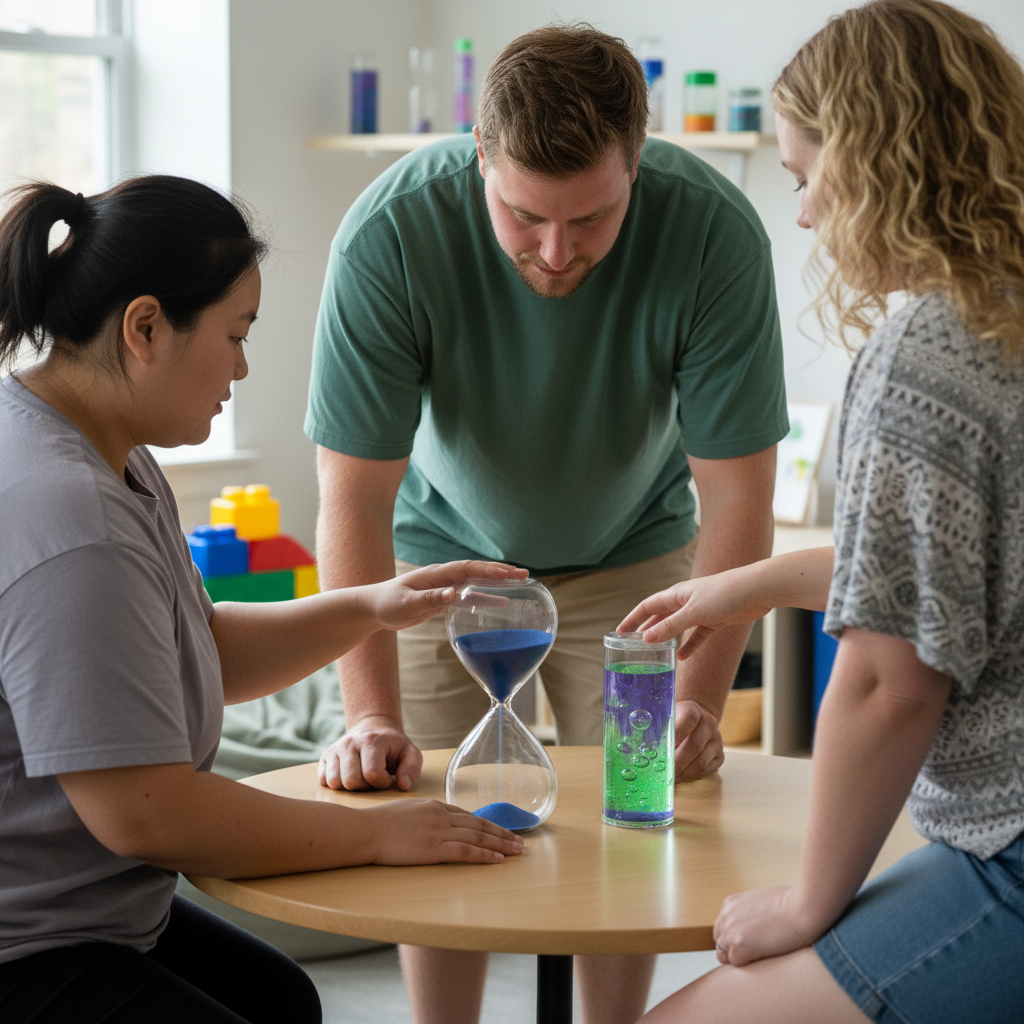
Sand Timer
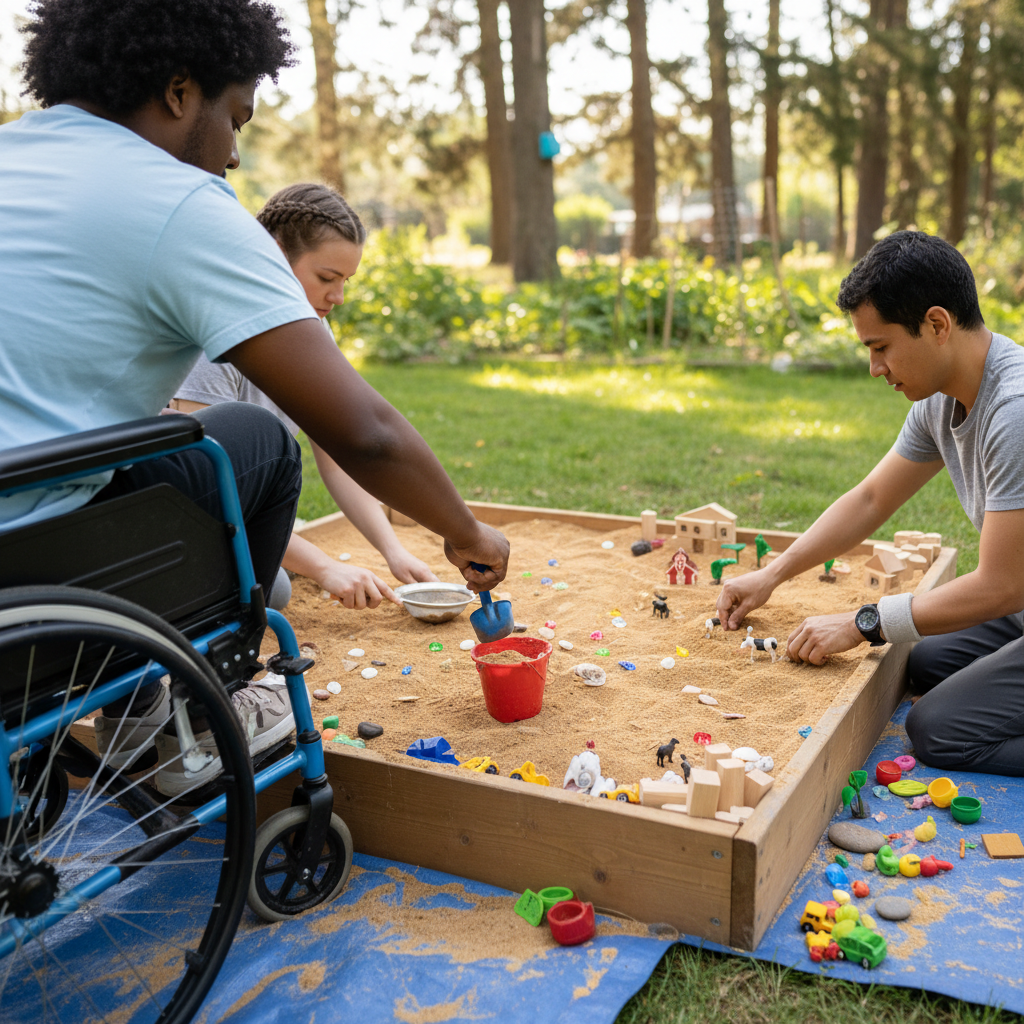
Sandbox
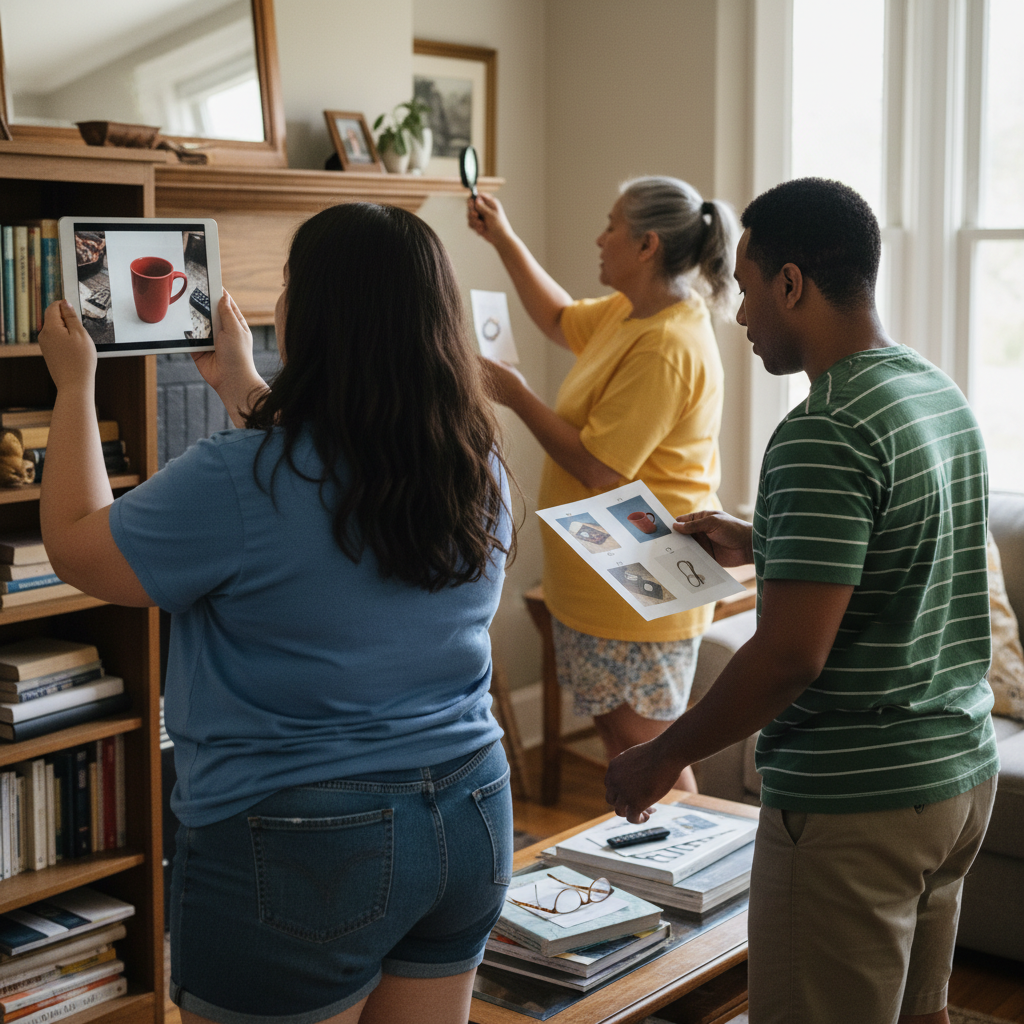
Scavenger Hunt
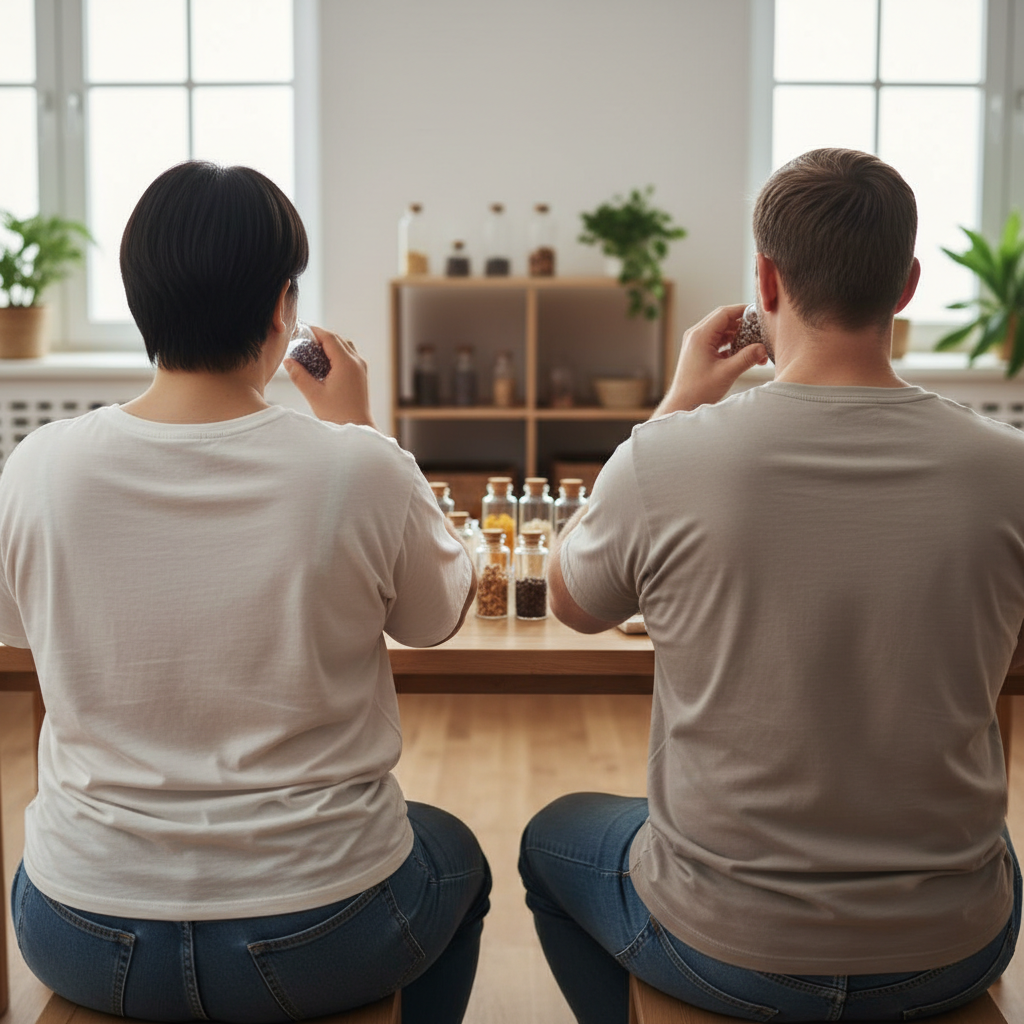
Scent Bottles
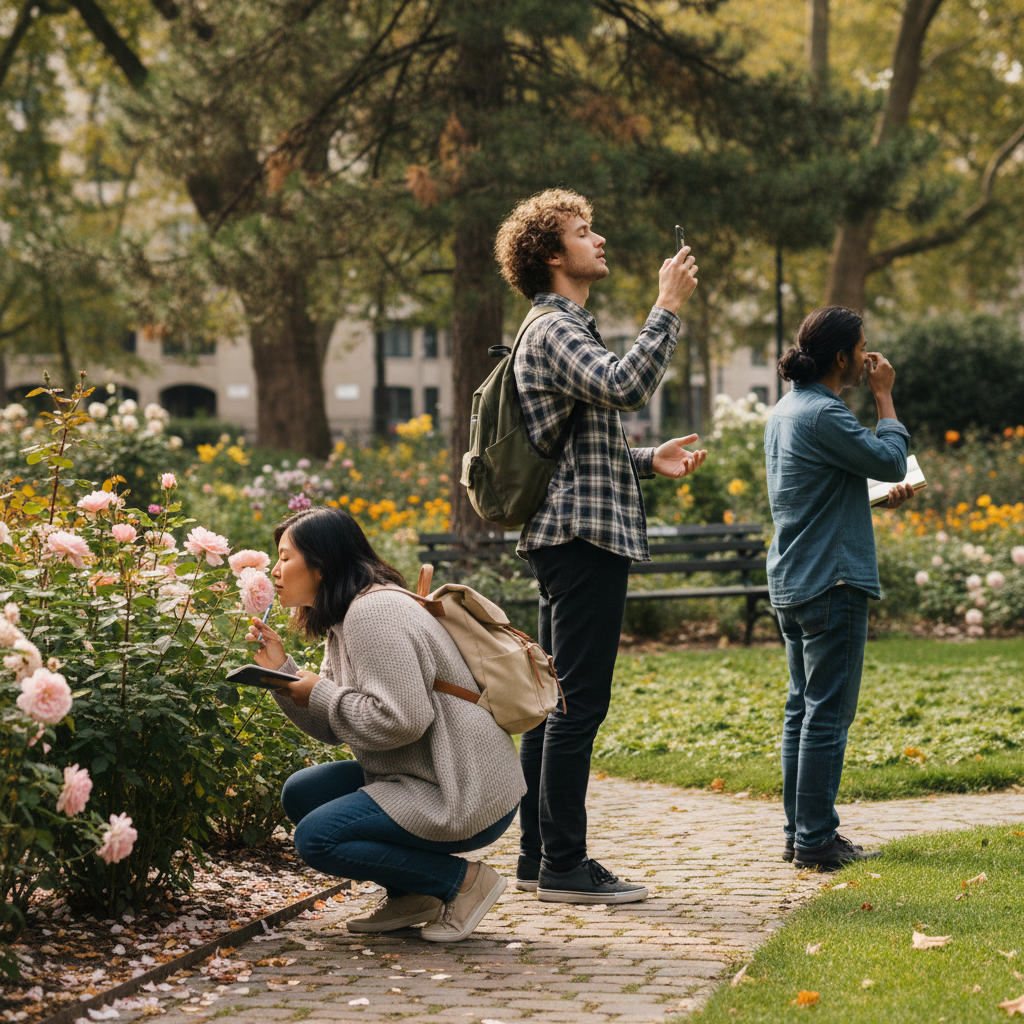
Scent Hunt
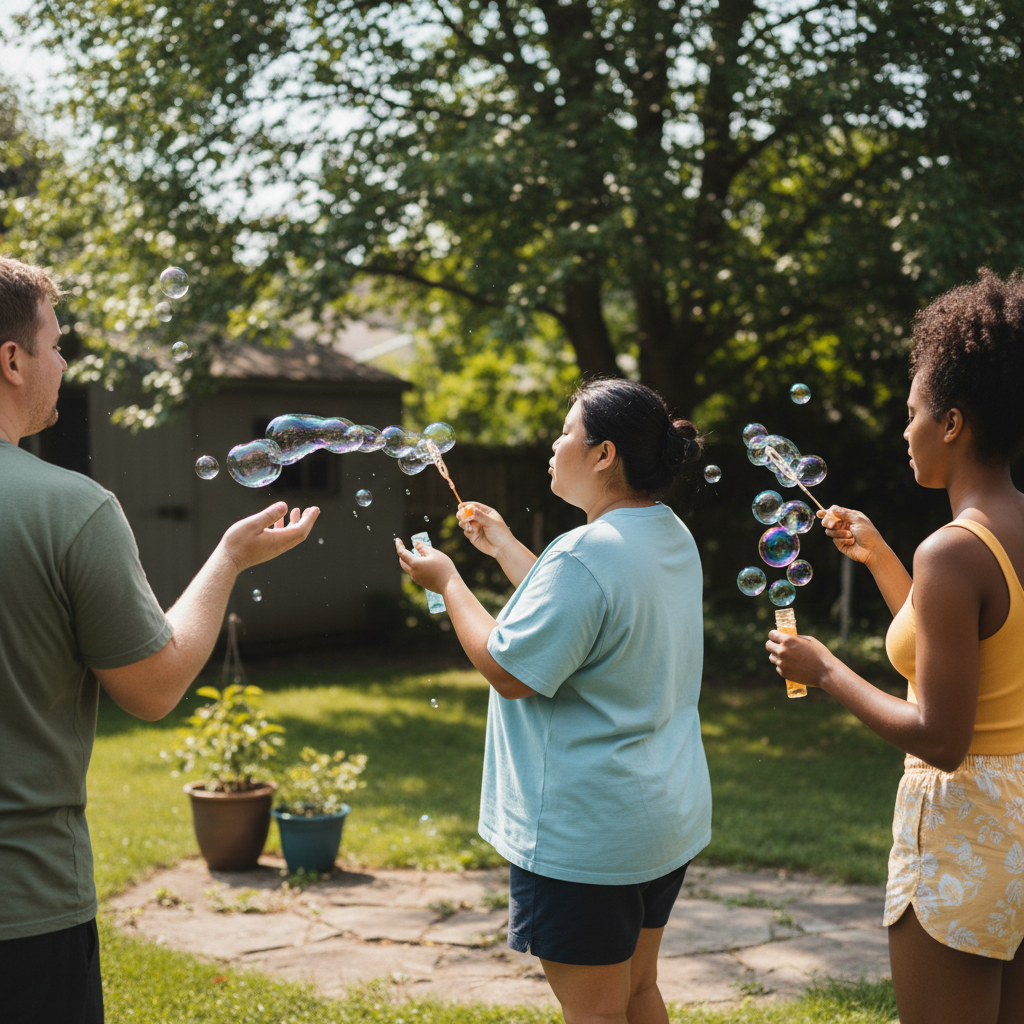
Scented Bubbles

Scented Cooking
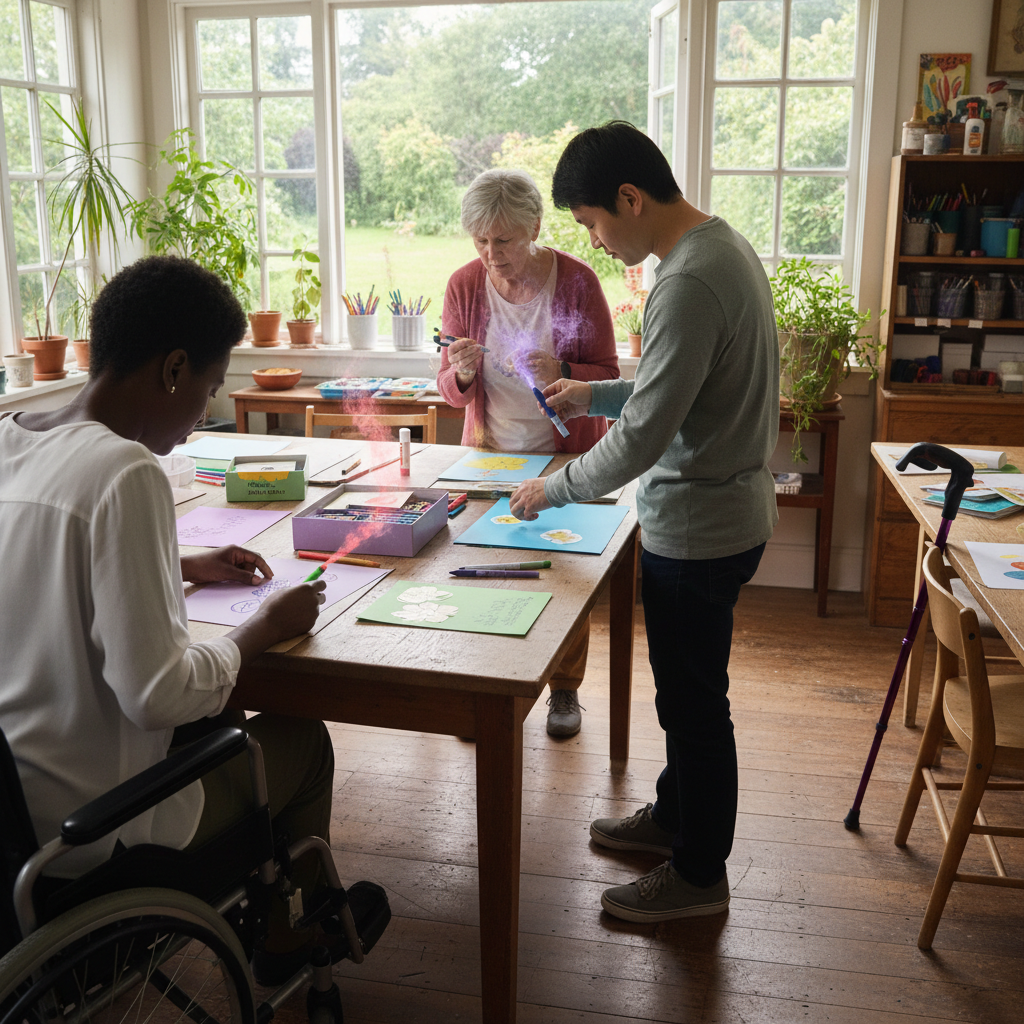
Scented Crafts

Scented Hand Massage
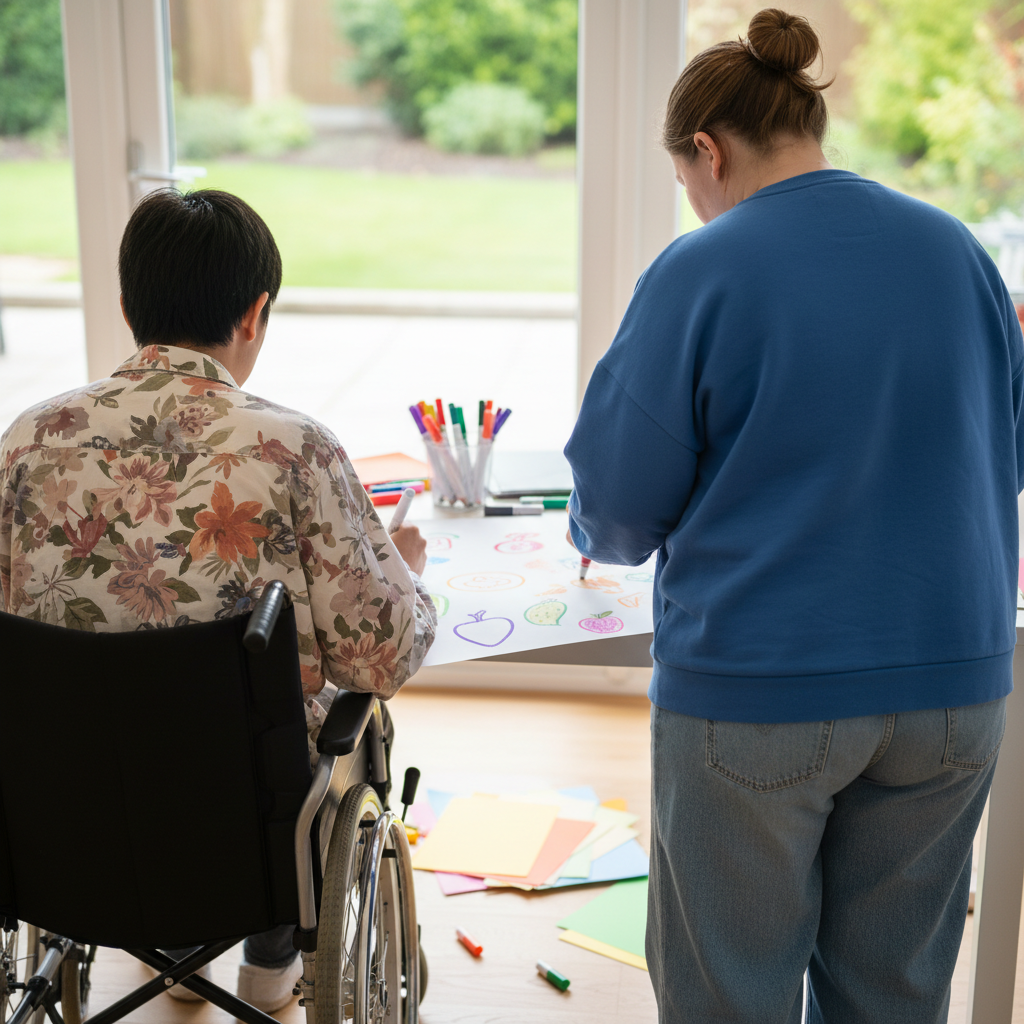
Scented Markers
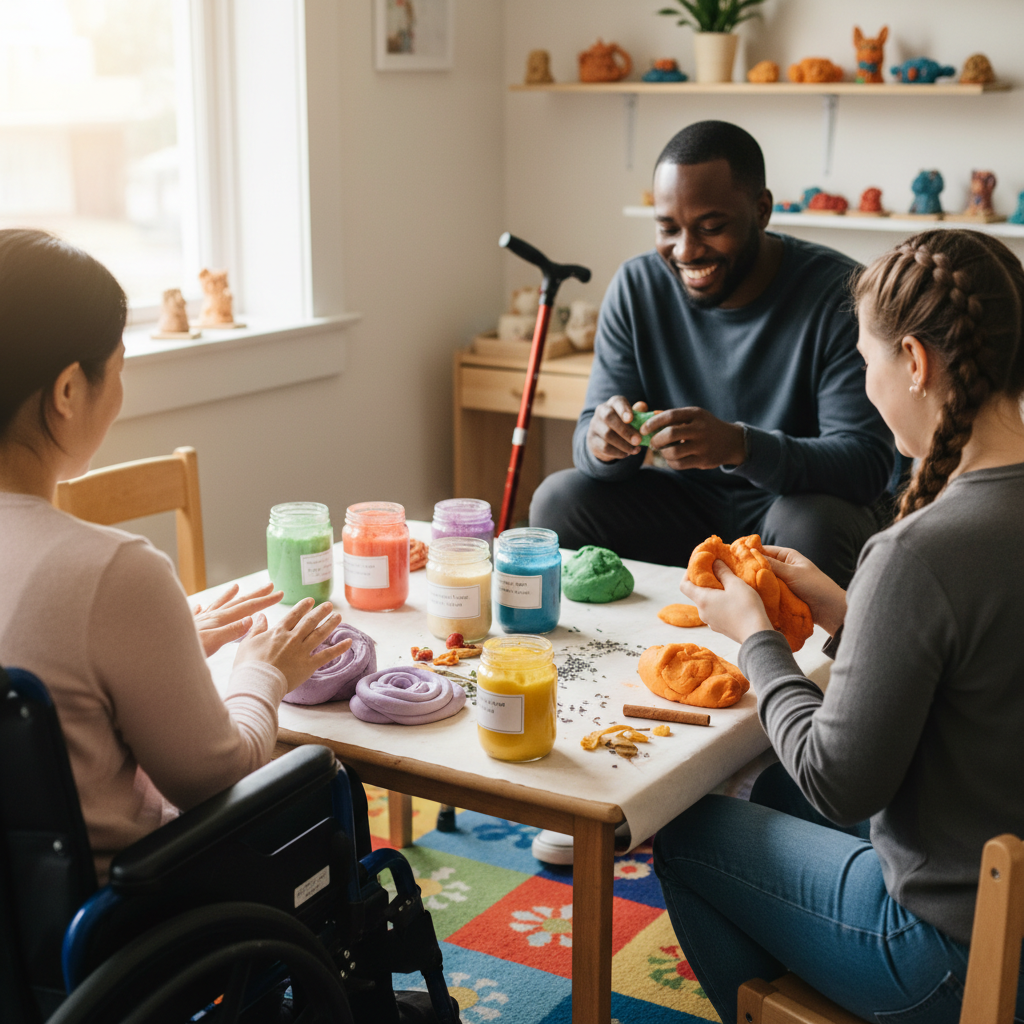
Scented Play Dough
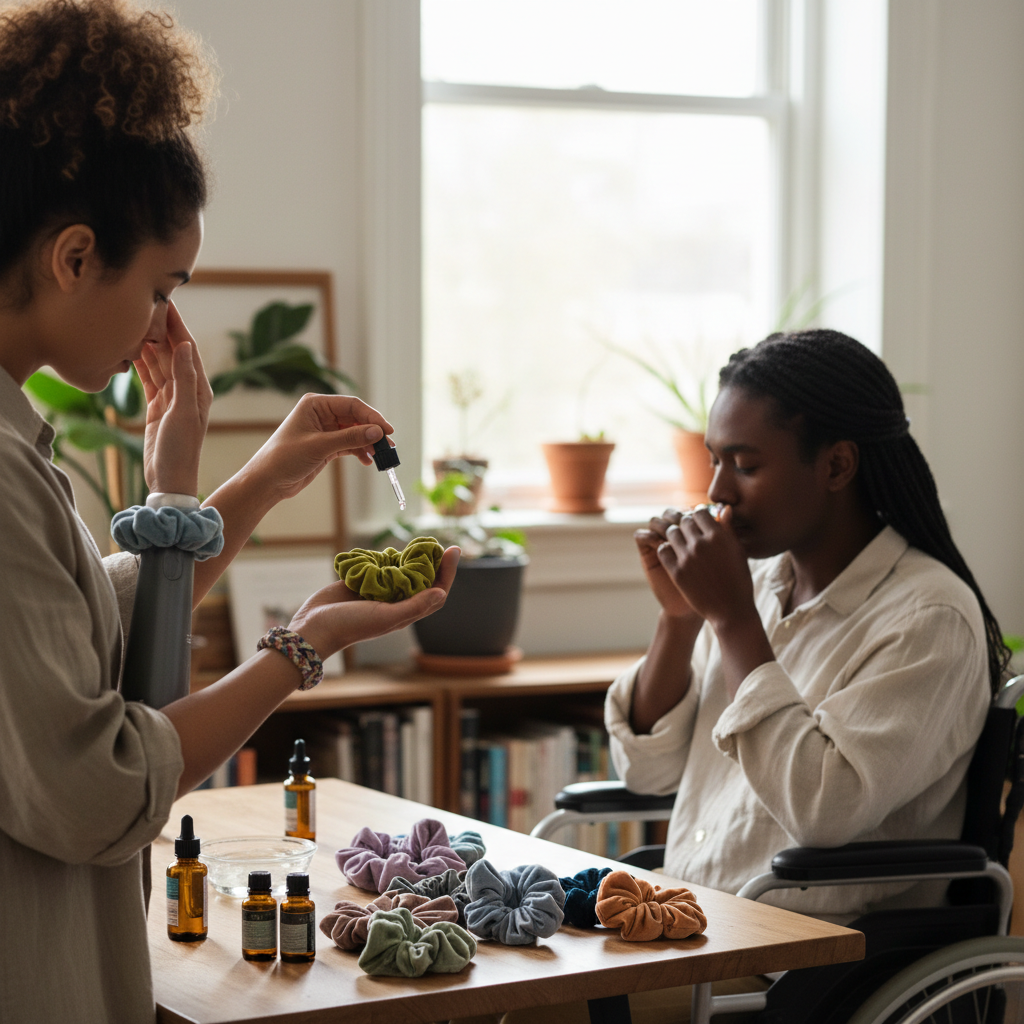
Scented Scrunchies
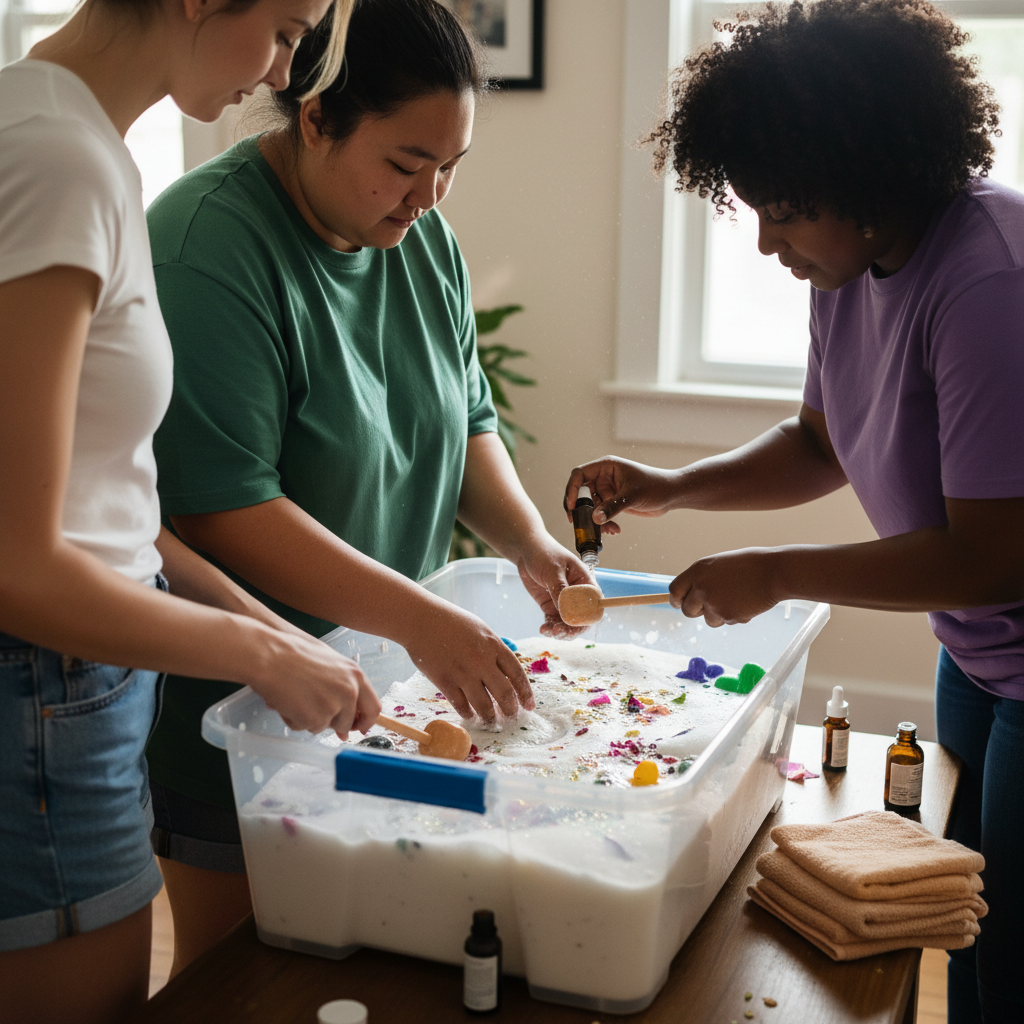
Scented Sensory Bin
Scented Water
Scooter
Scratch and Smell Stickers

Secret Garden
See-Saw
Sensory Barbecue
Sensory Barbecue
Sensory Bath
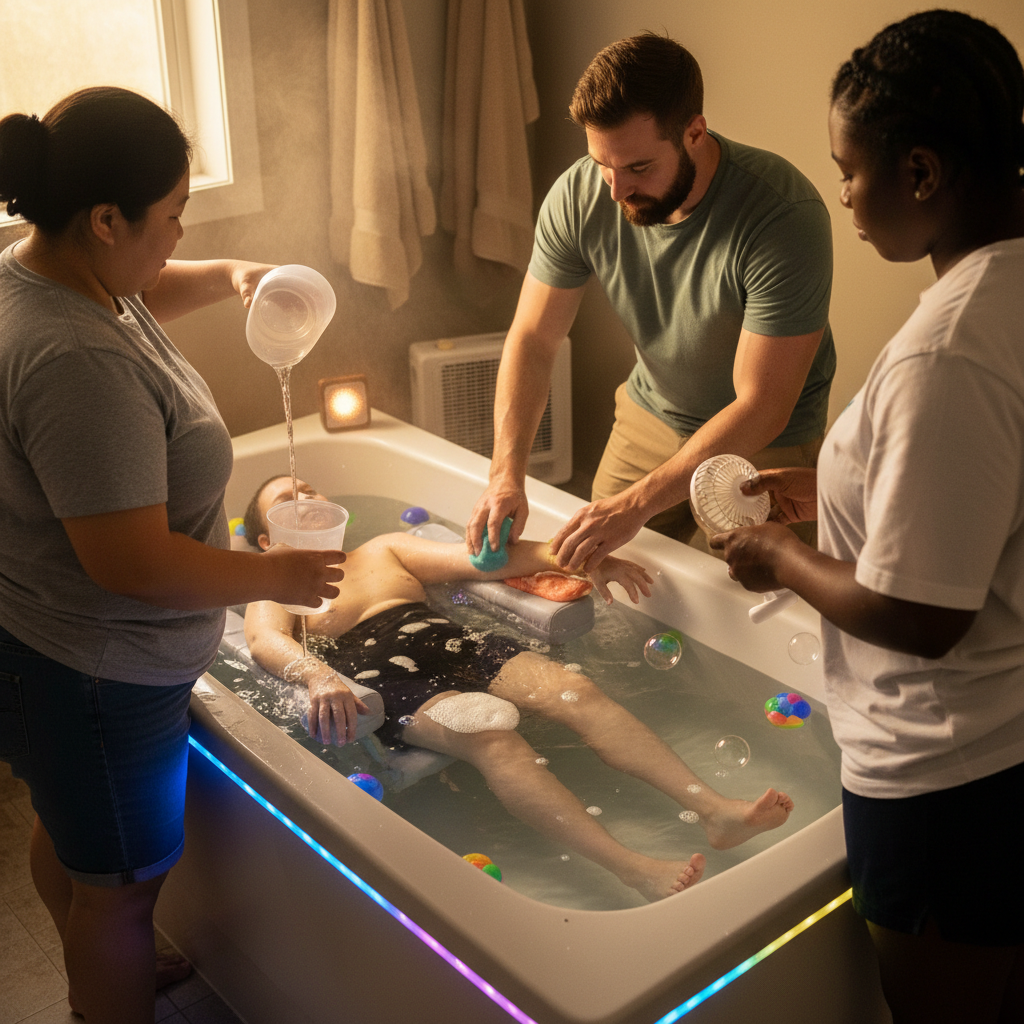
Sensory Bath
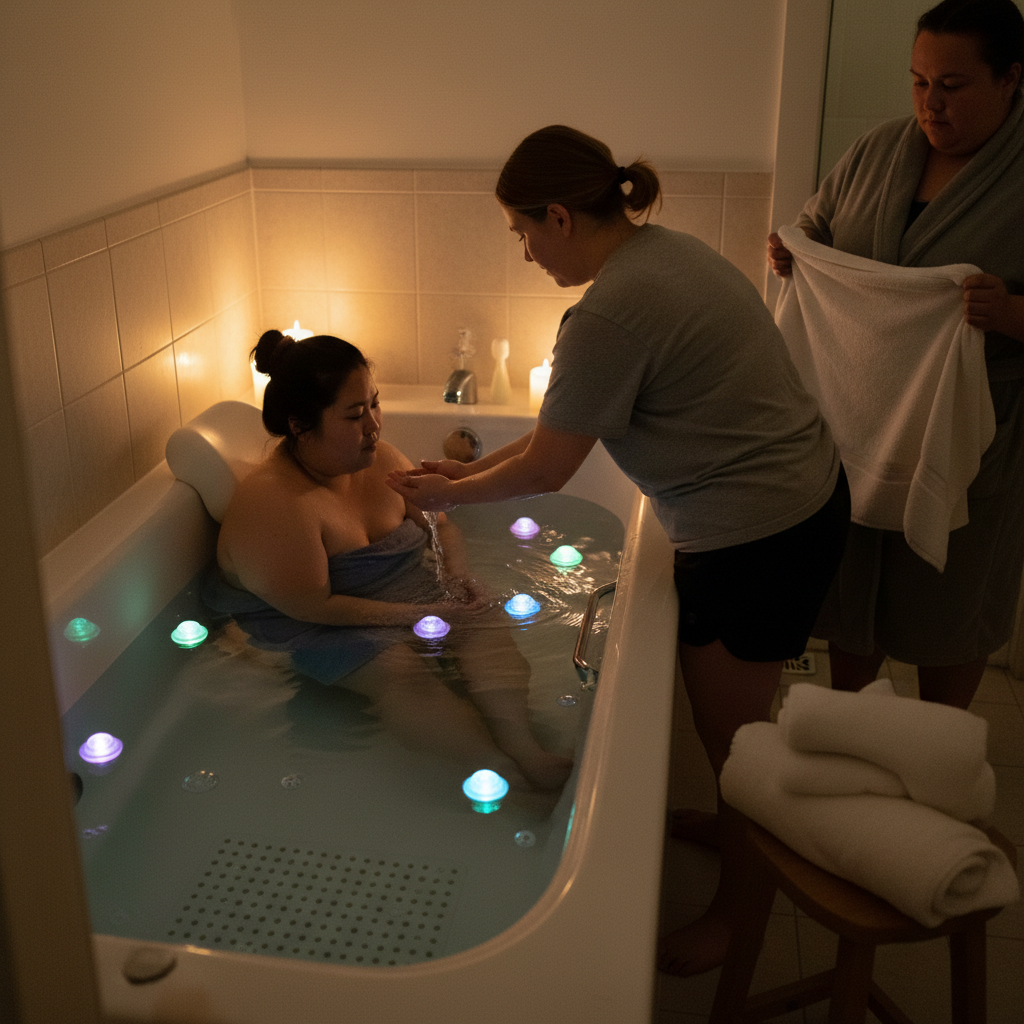
Sensory Bath
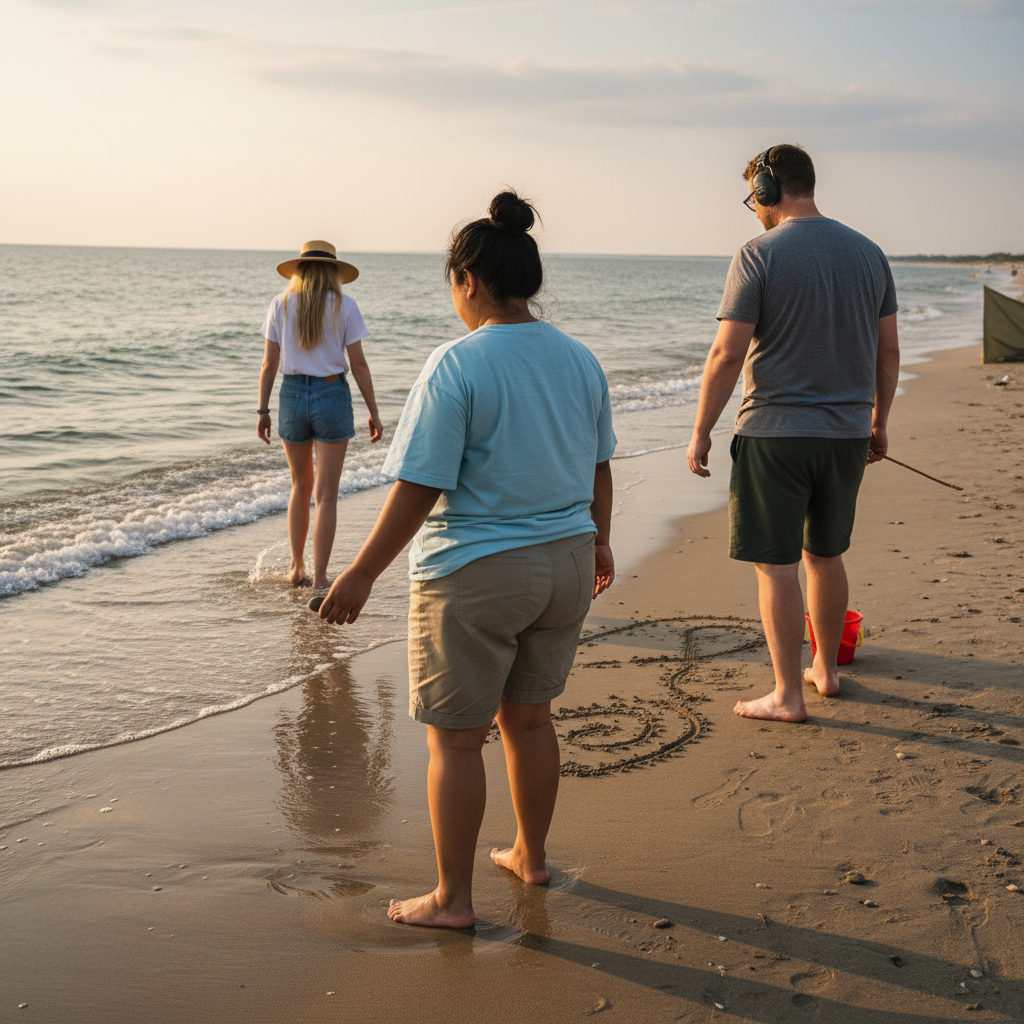
Sensory Beach Walk
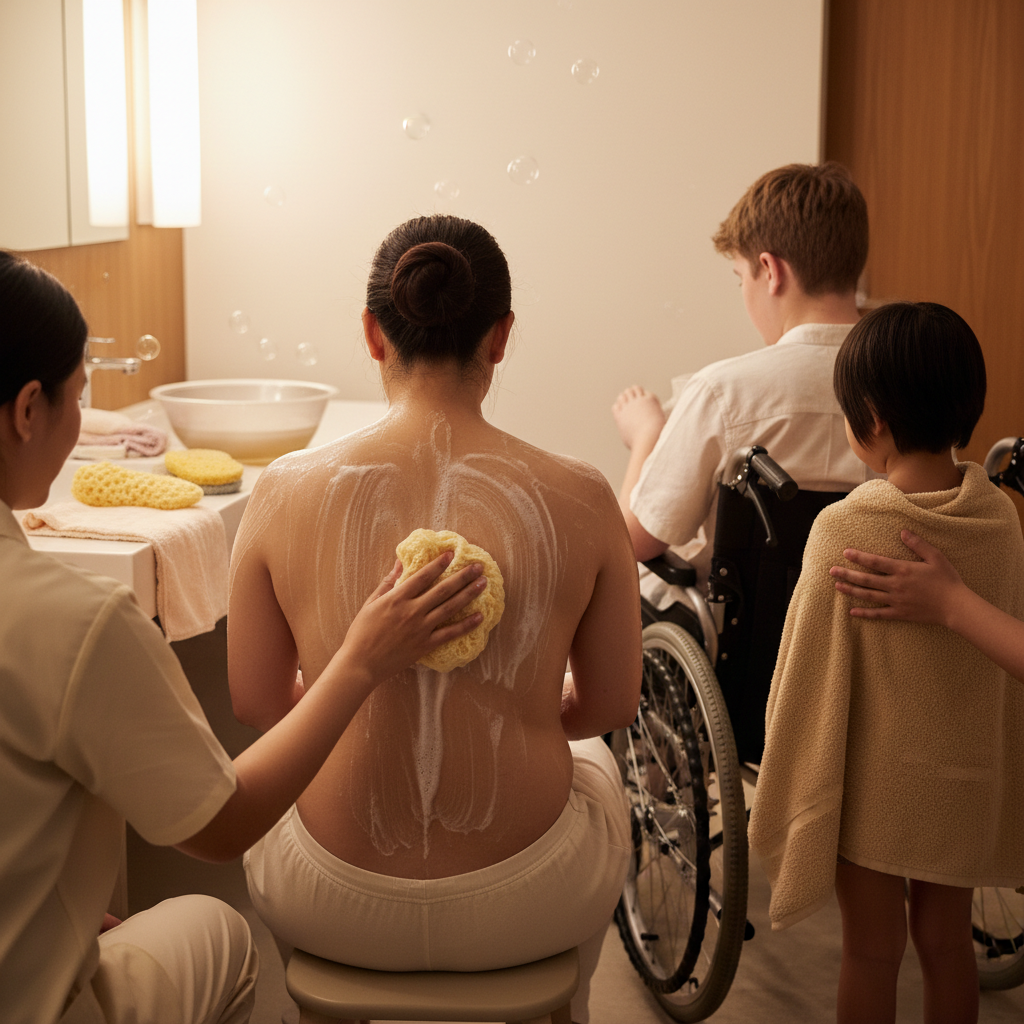
Sensory Body Wash
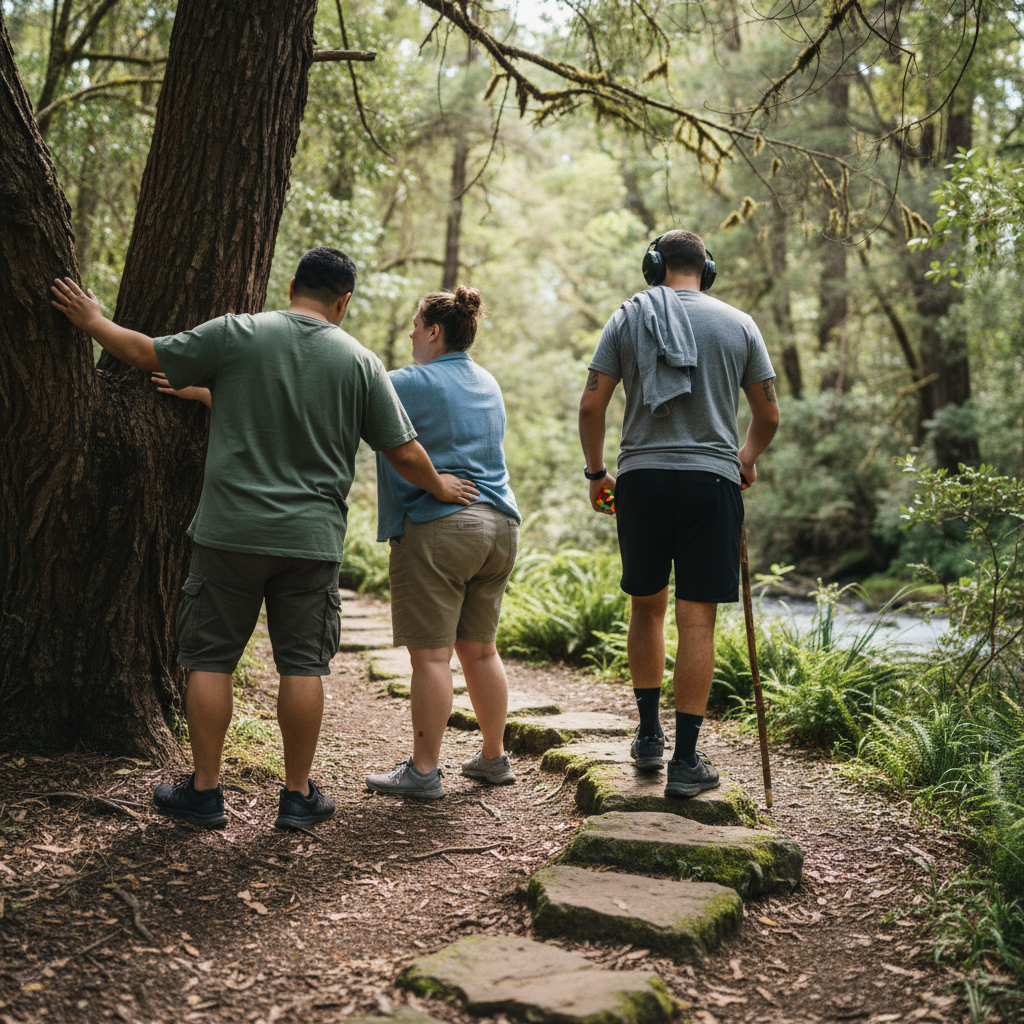
Sensory Bush Walk
Sensory Bush Walk
Sensory Car Ride
Sensory Cleaning

Sensory Cleaning
Sensory Cleaning
Sensory Cooking
Sensory Cooking

Sensory Cooking

Sensory Cooking
Sensory Cooking
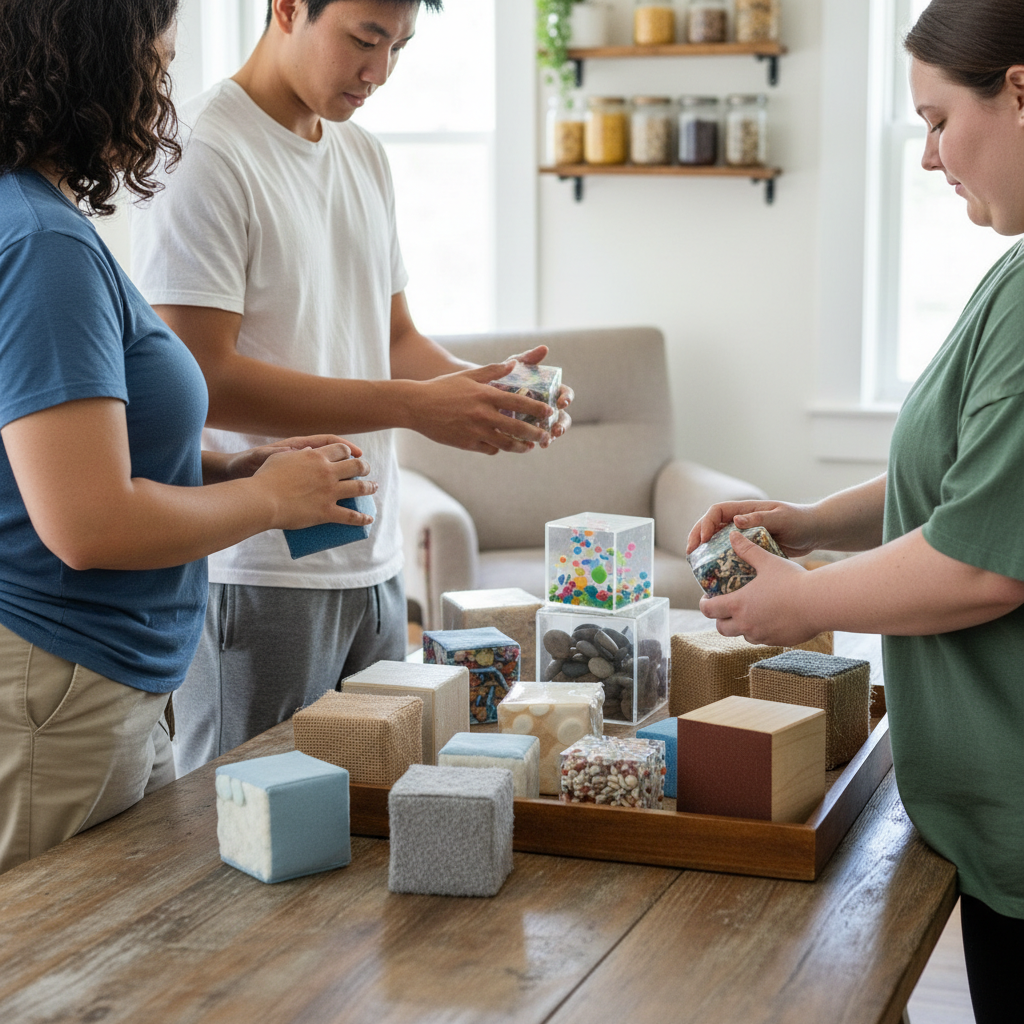
Sensory Cube

Sensory Dressing
Sensory Face Mask
Sensory Face Painting

Sensory Feeding
Sensory Grooming
Sensory Hair Care
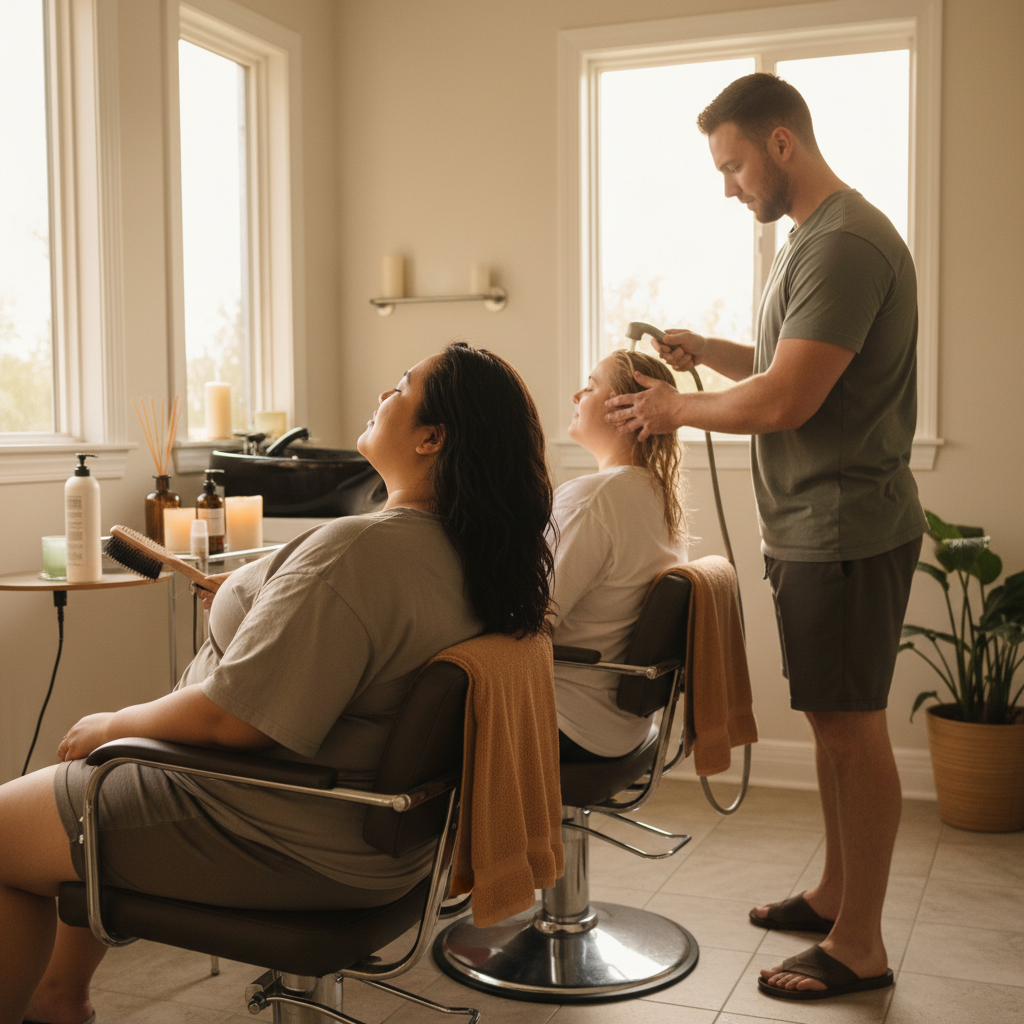
Sensory Hair Care
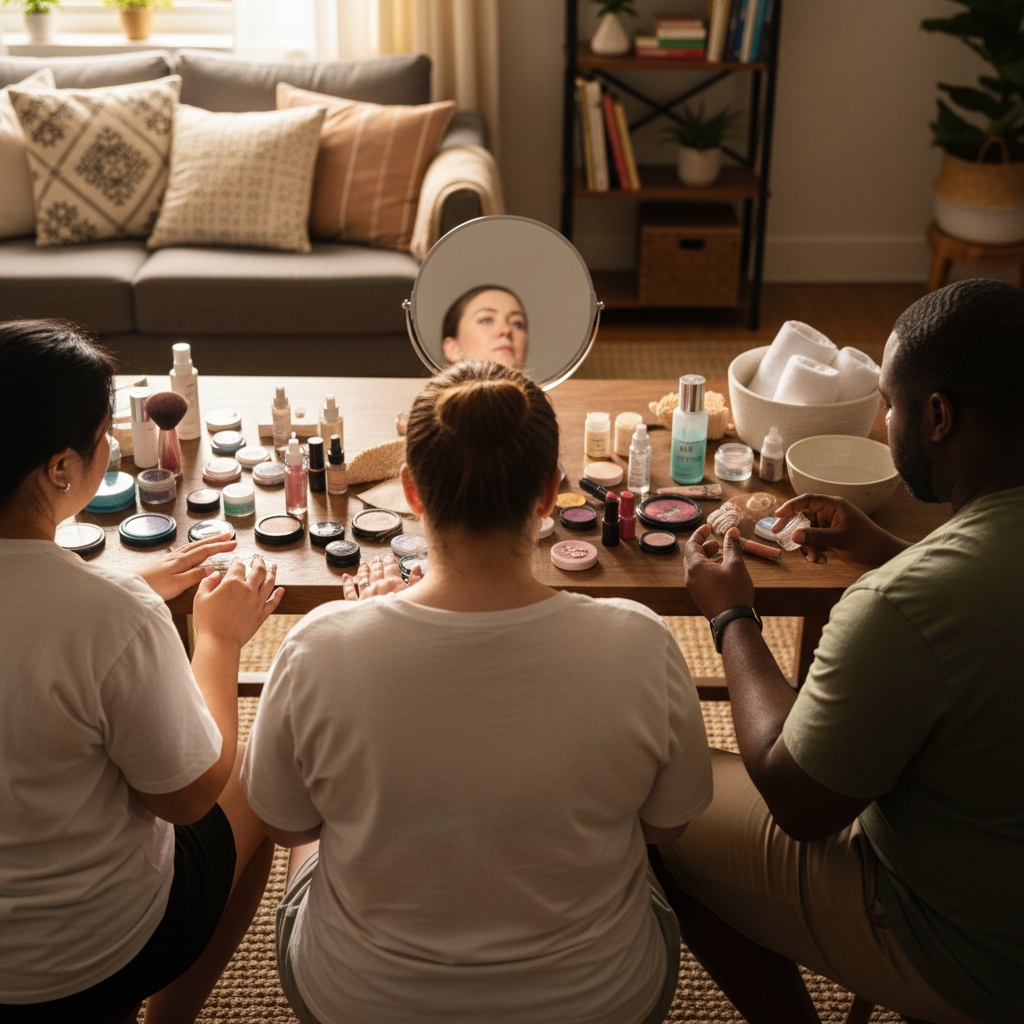
Sensory Make Up
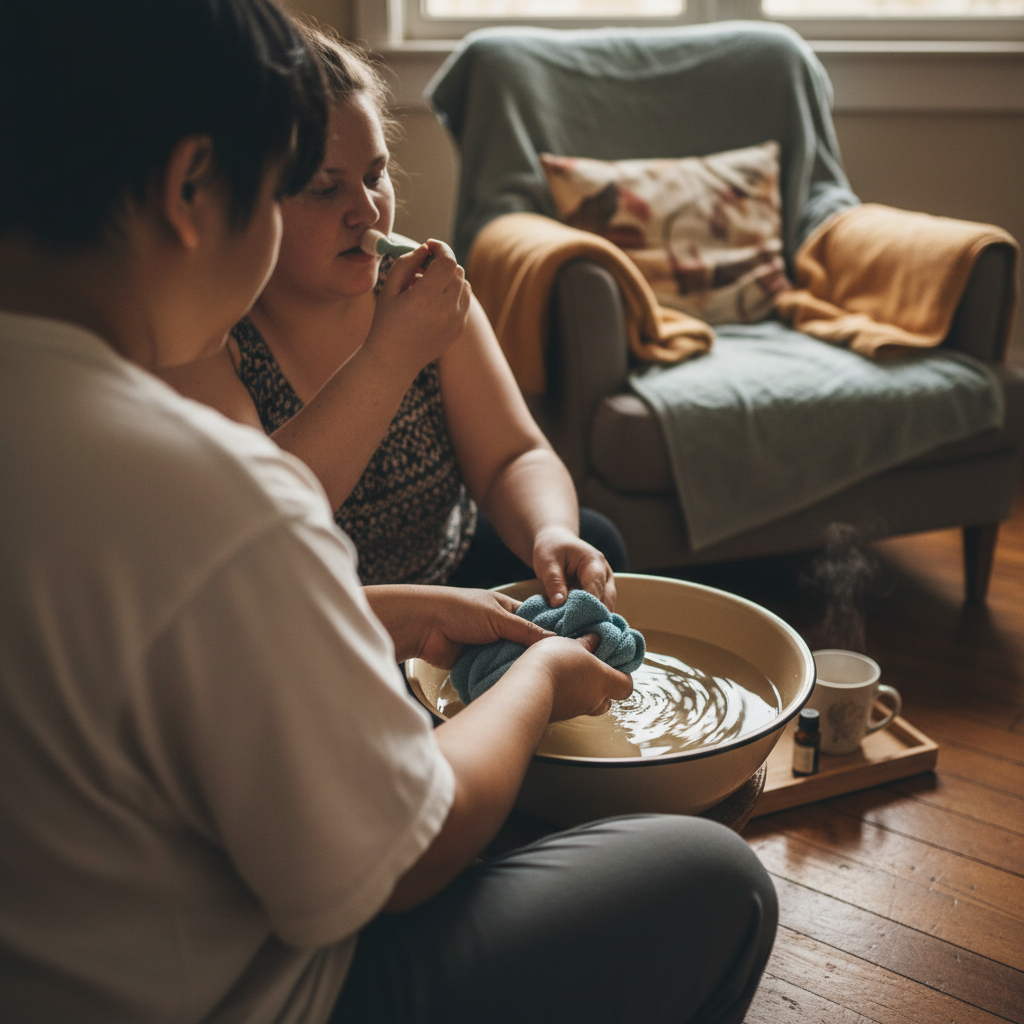
Sensory Mouth and Hand Wash
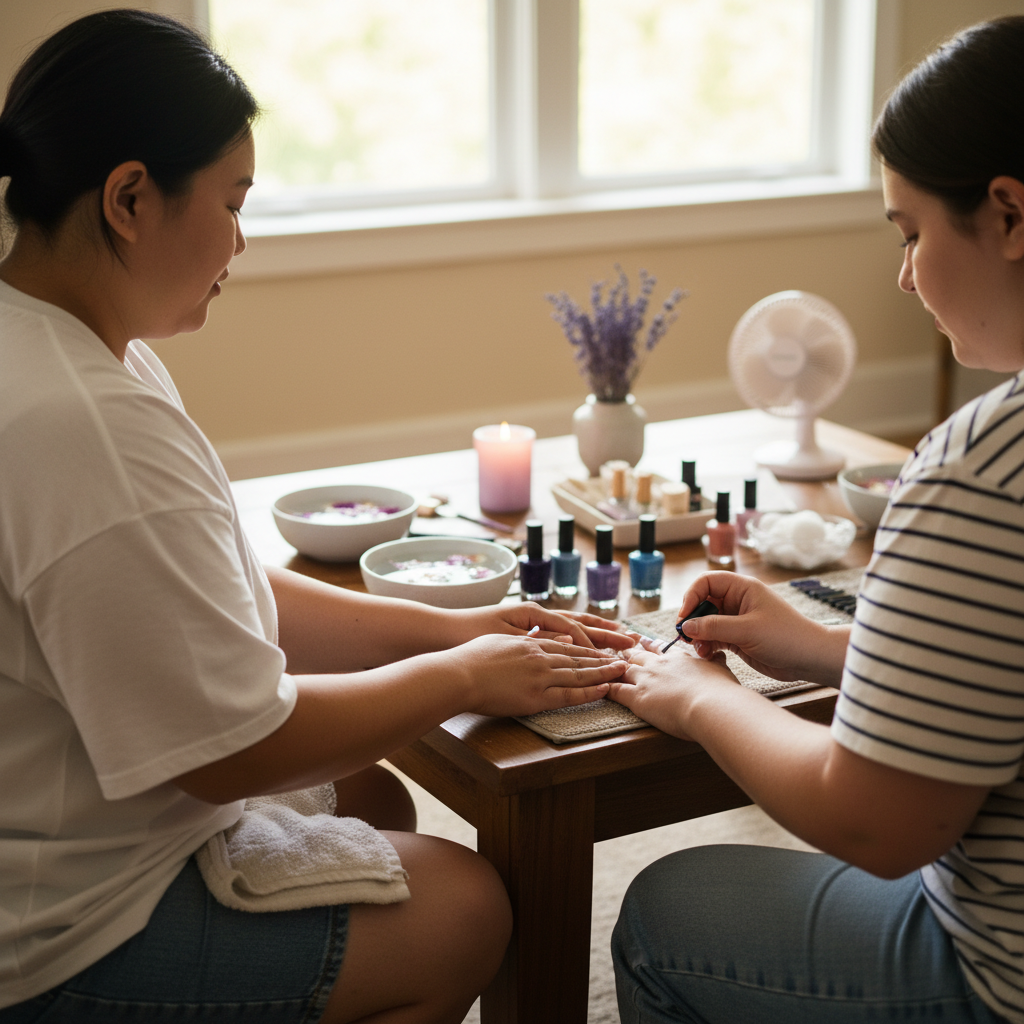
Sensory Nail Care
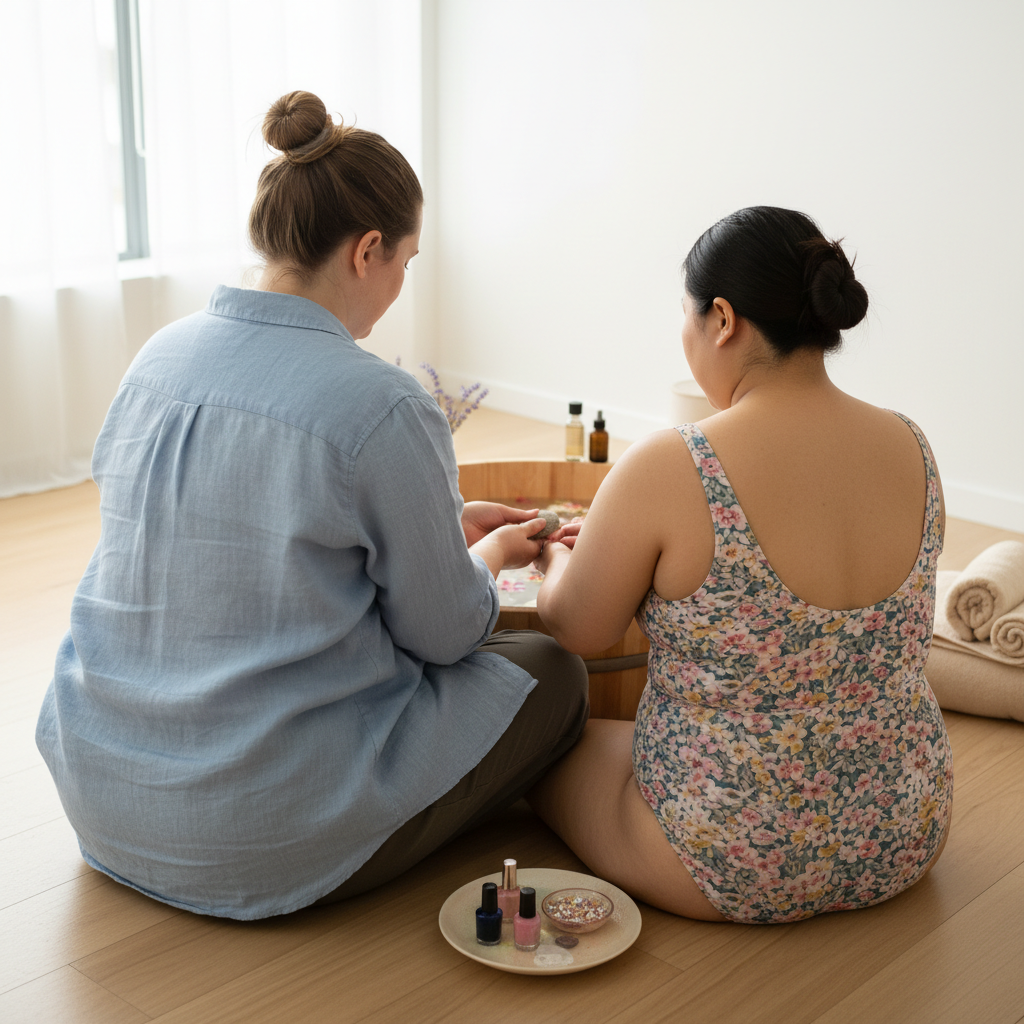
Sensory Nail Care
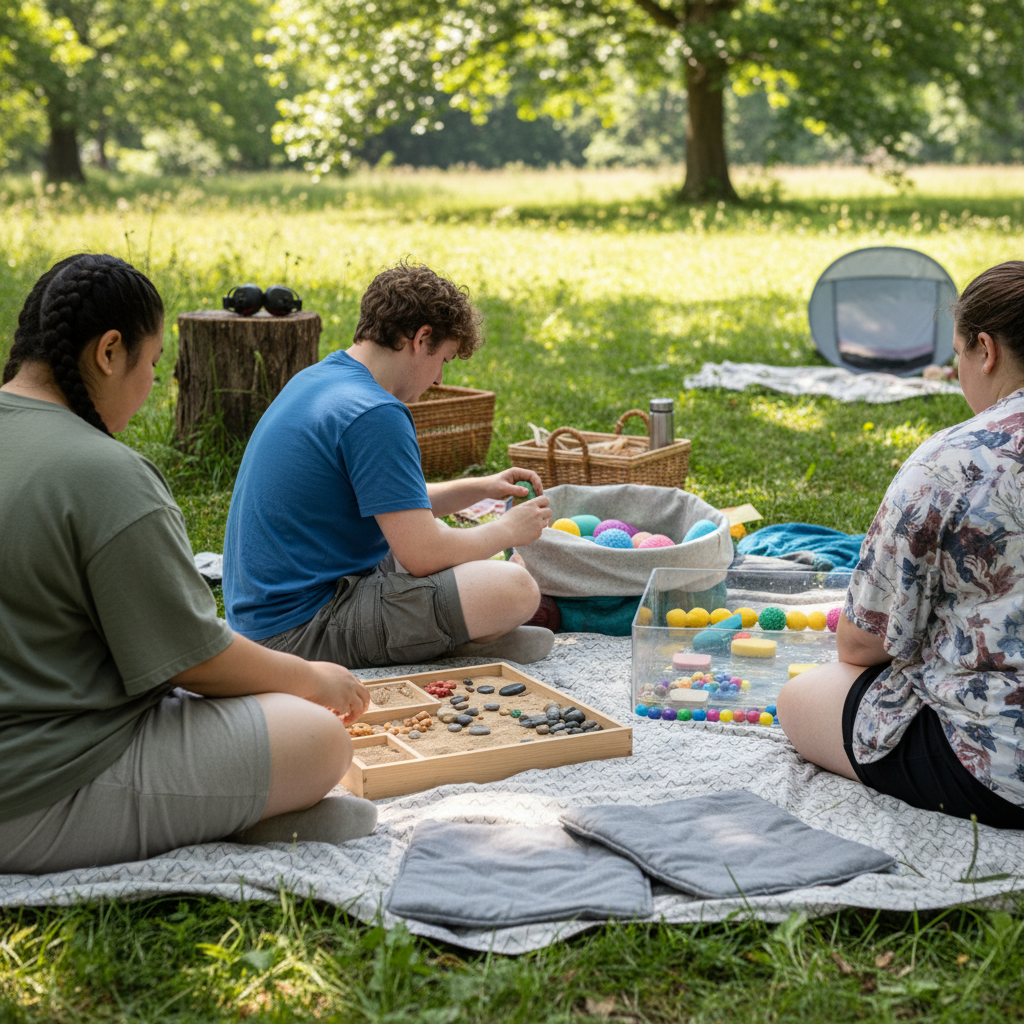
Sensory Picnic
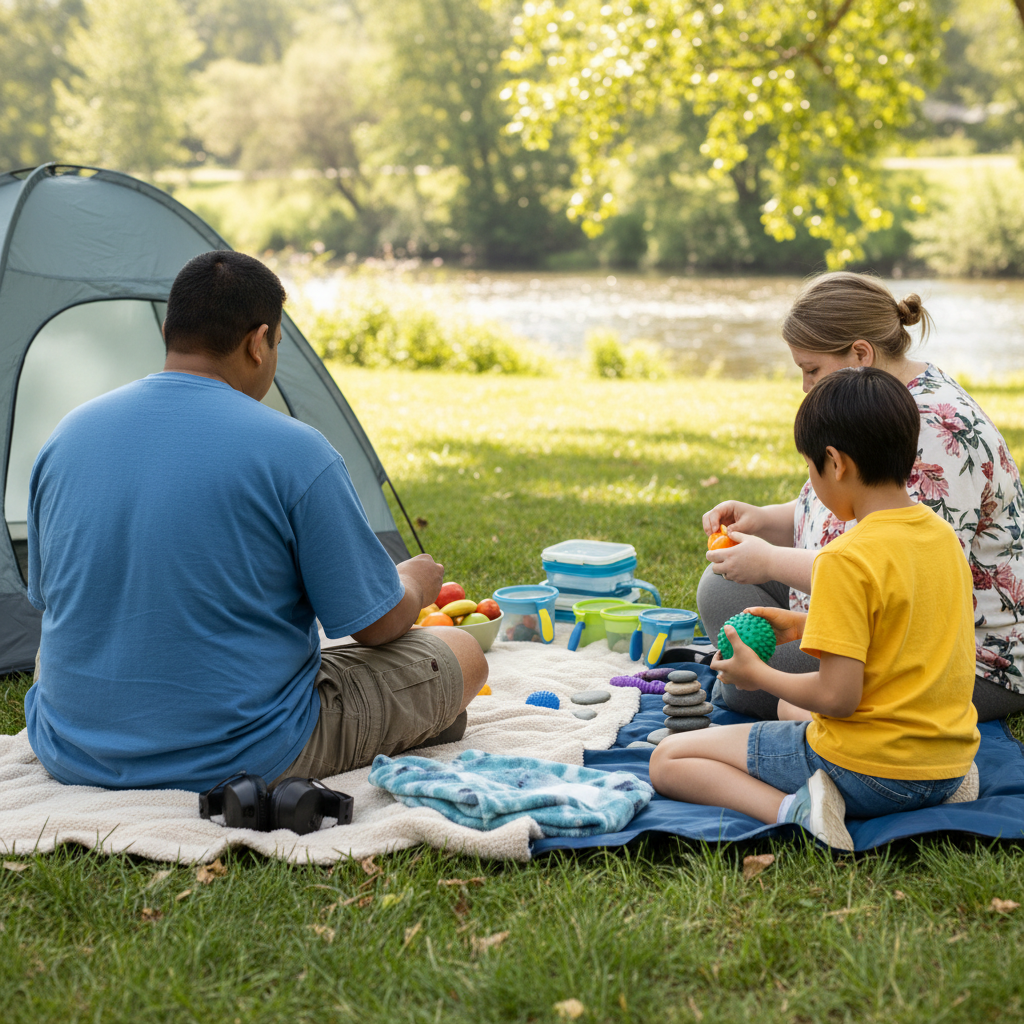
Sensory Picnic
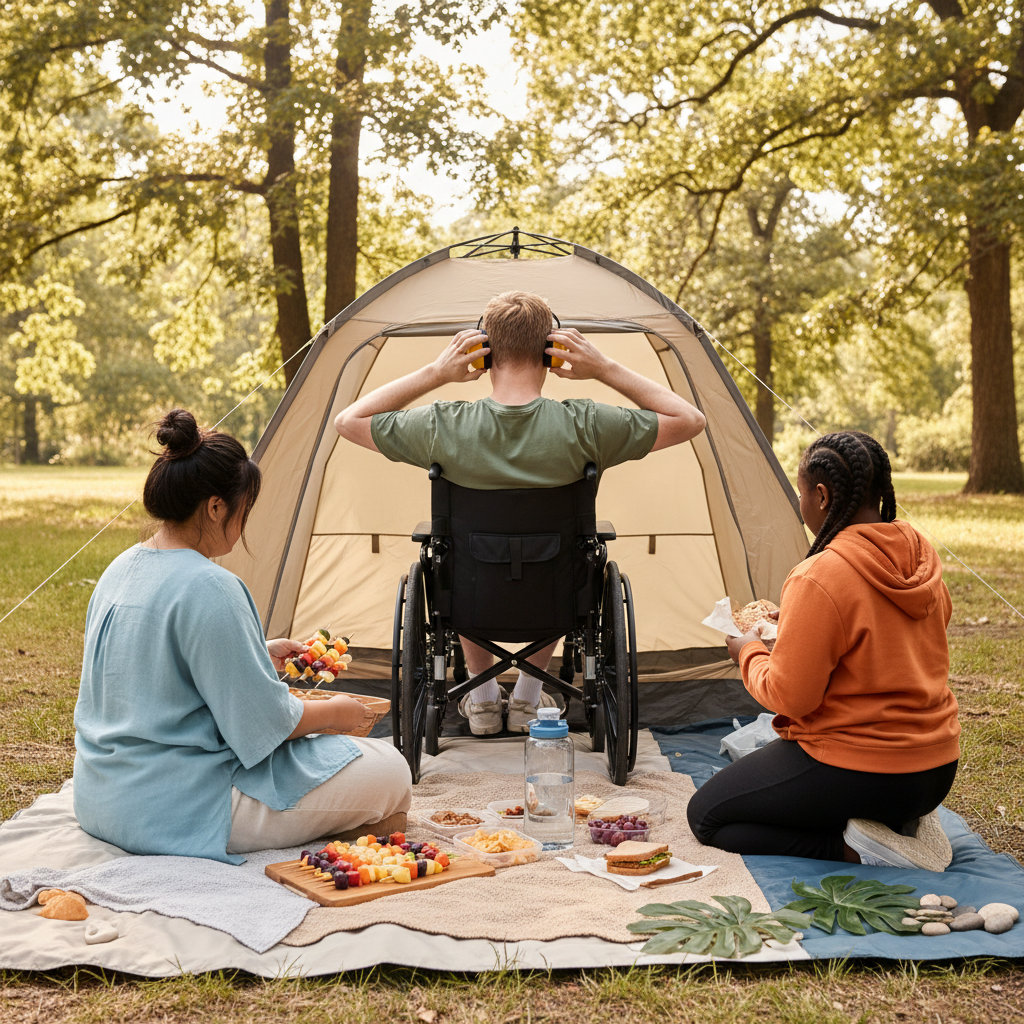
Sensory Picnic
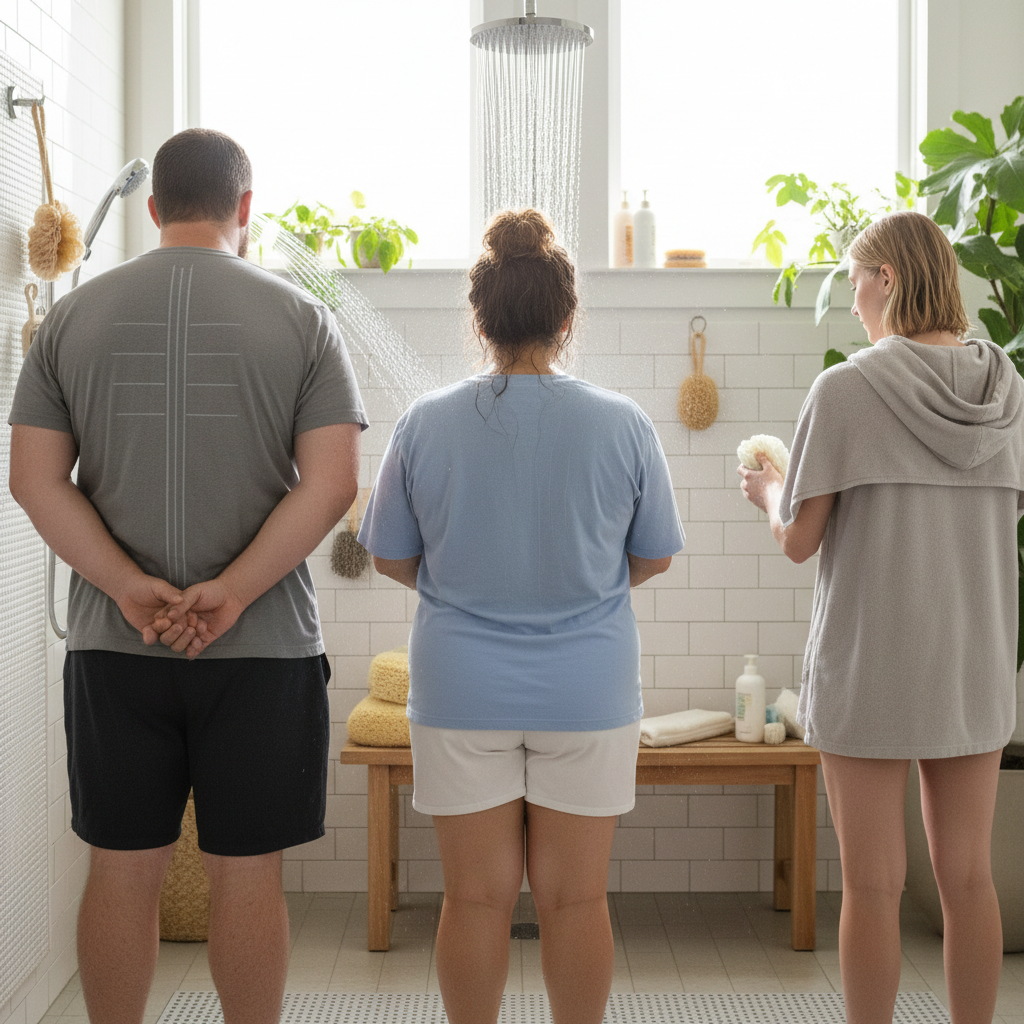
Sensory Shower
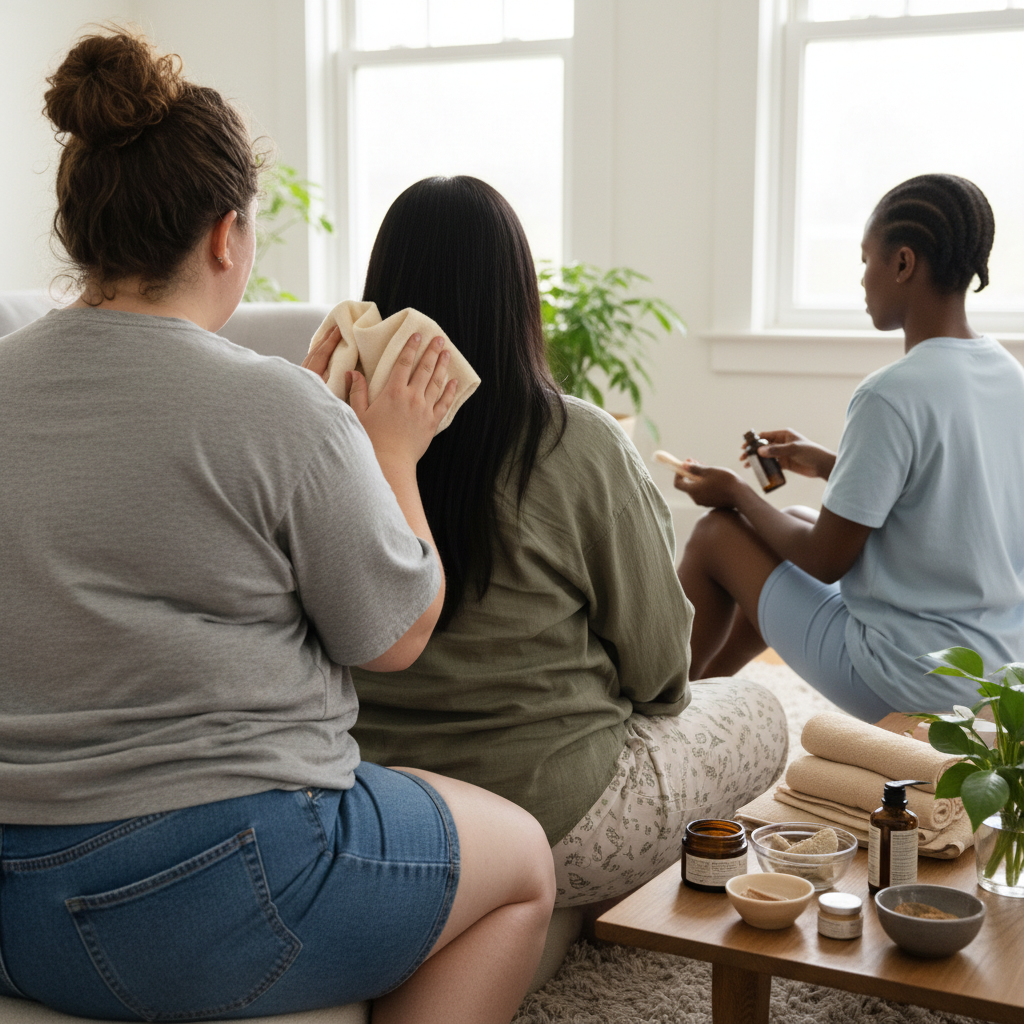
Sensory Skin Care
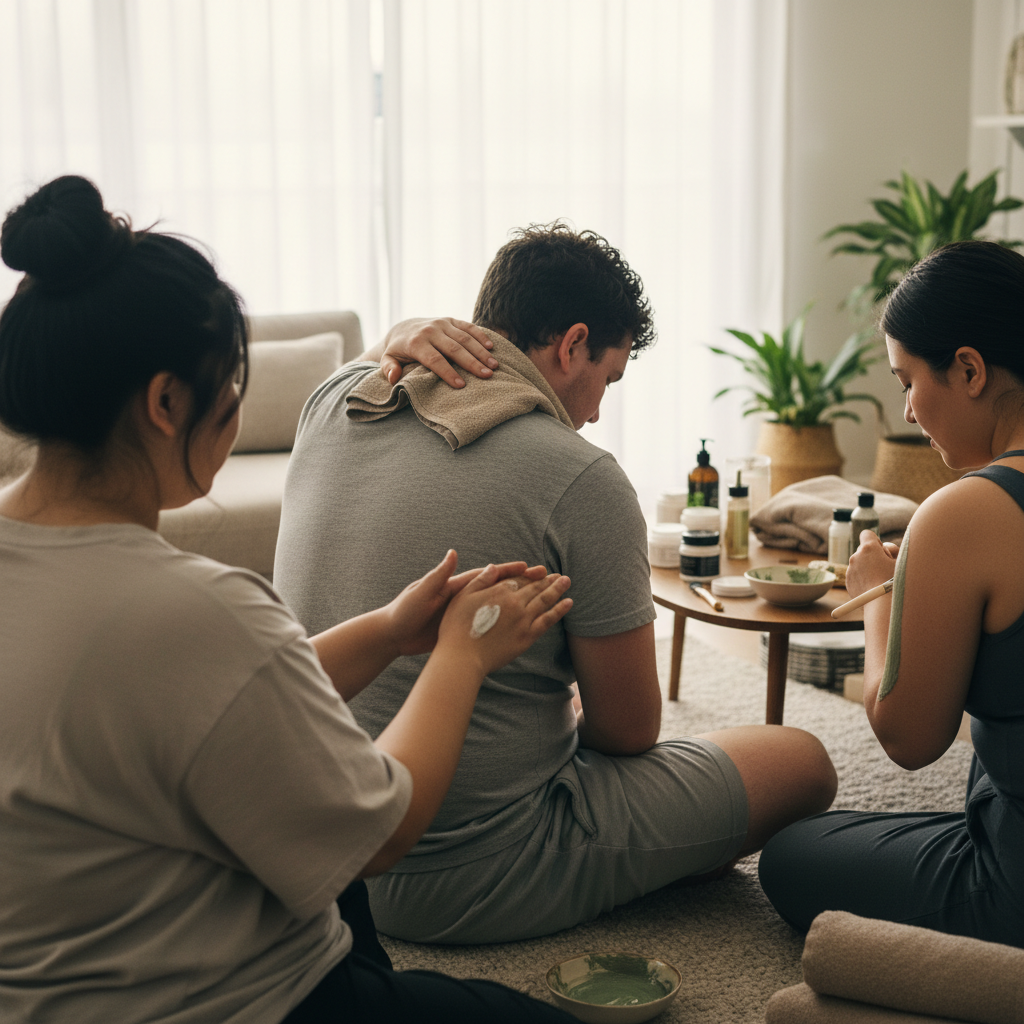
Sensory Skin Care
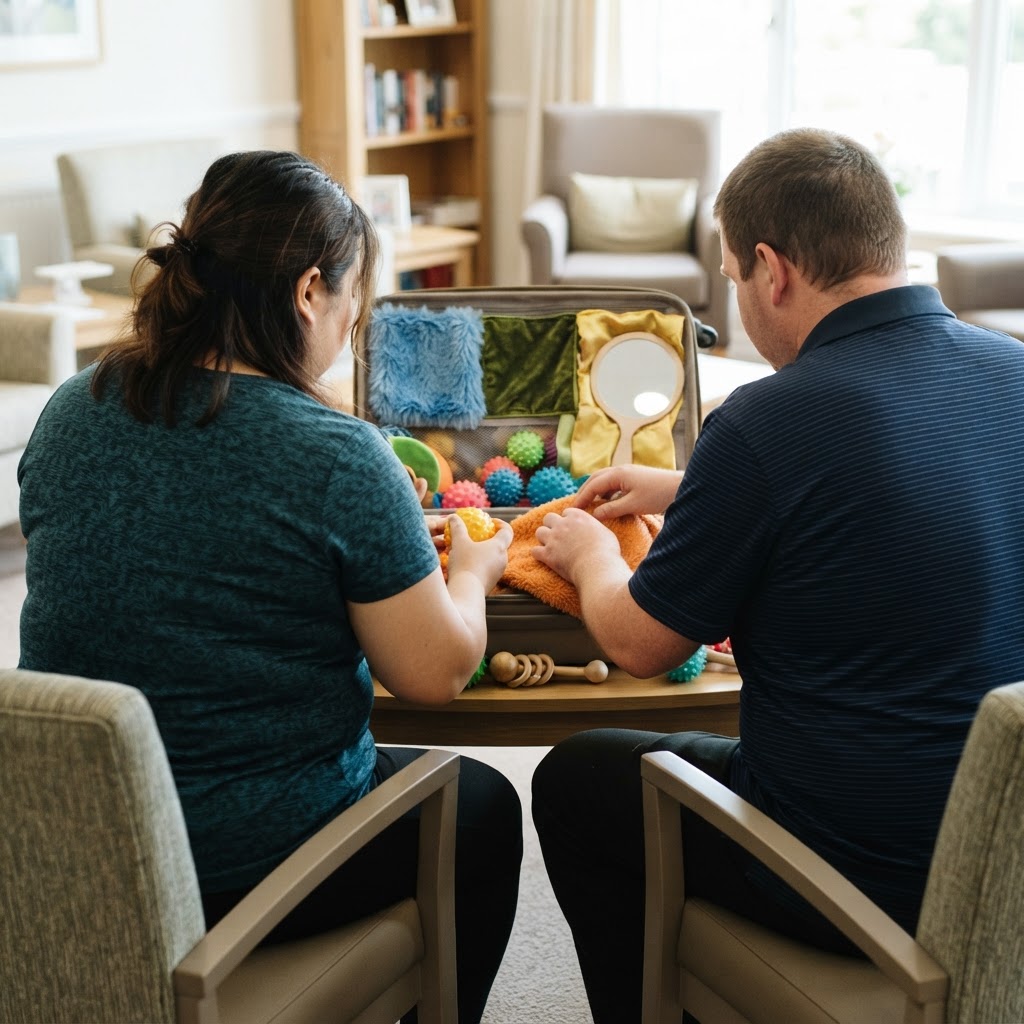
Sensory Suitcase

Sensory Tooth Brushing
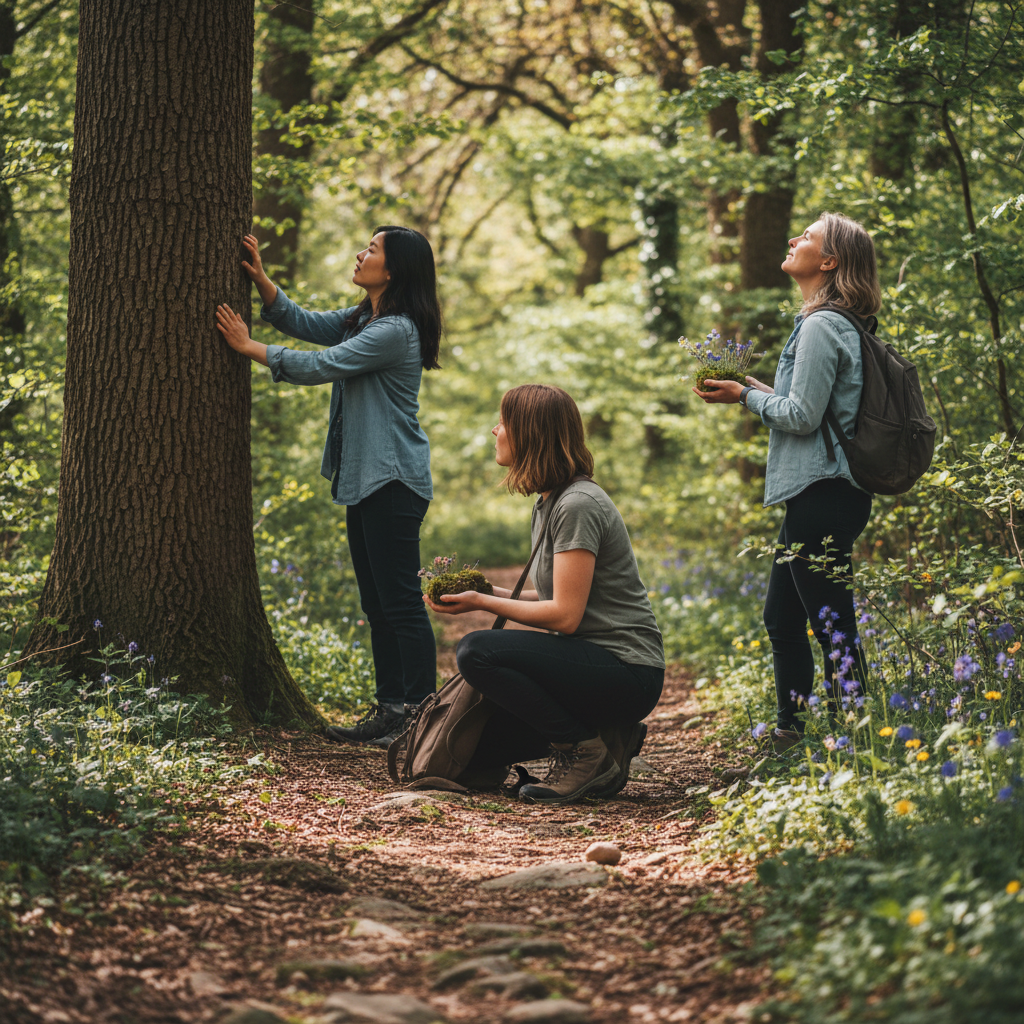
Sensory Walk
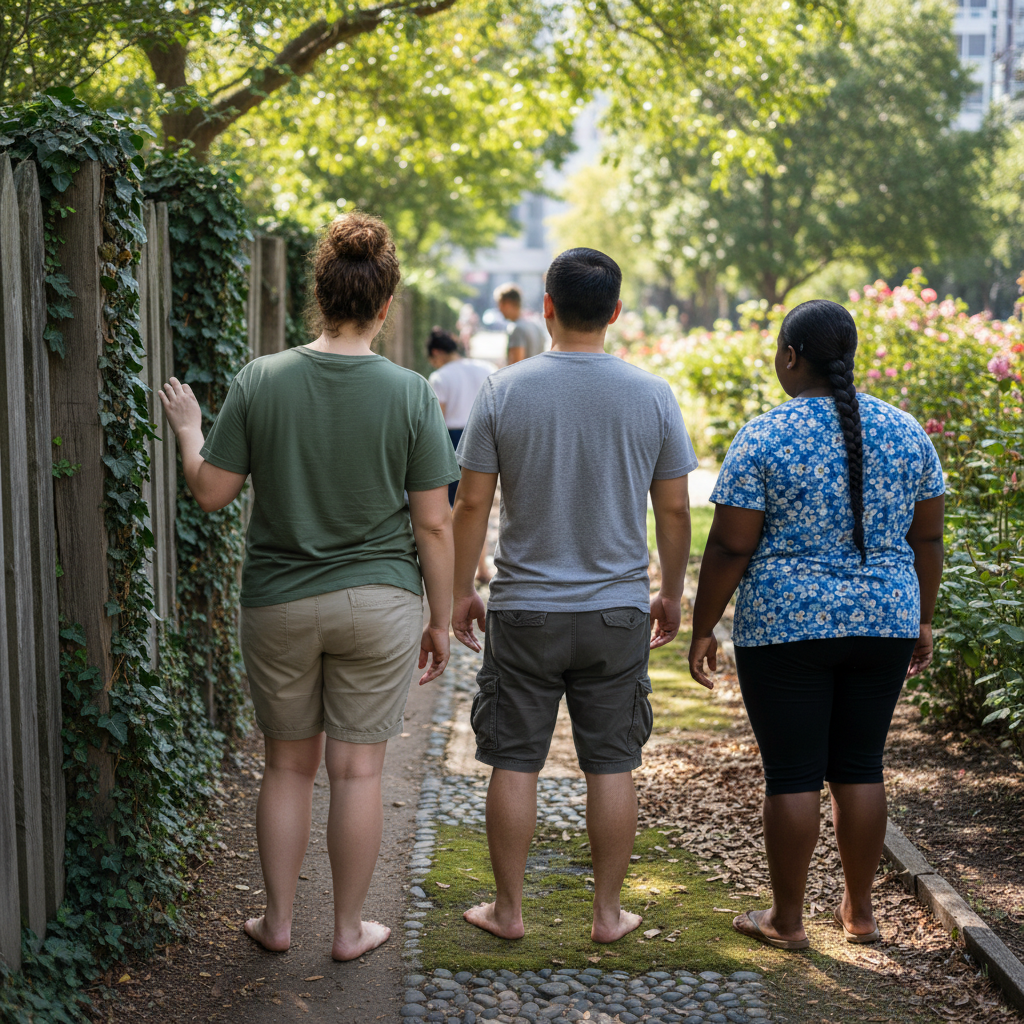
Sensory Walk
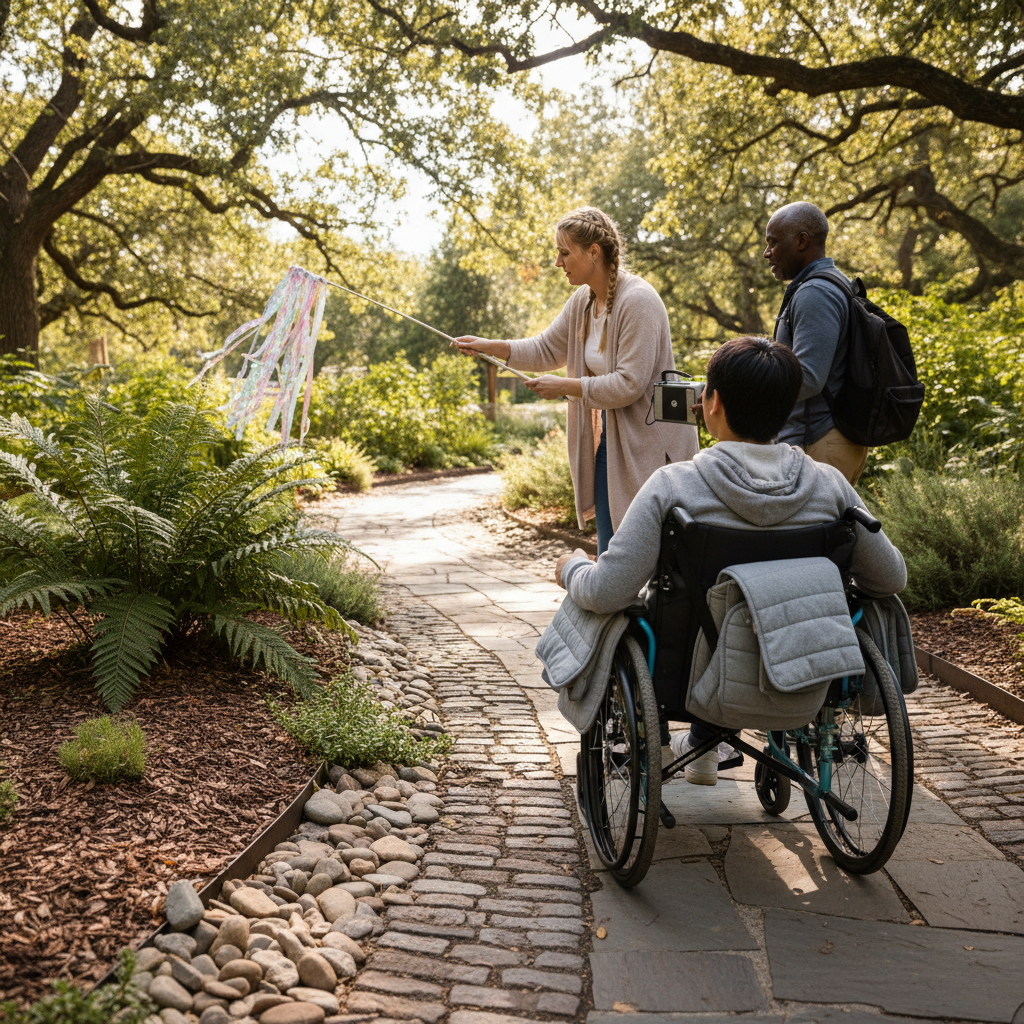
Sensory Wheelchair Walk
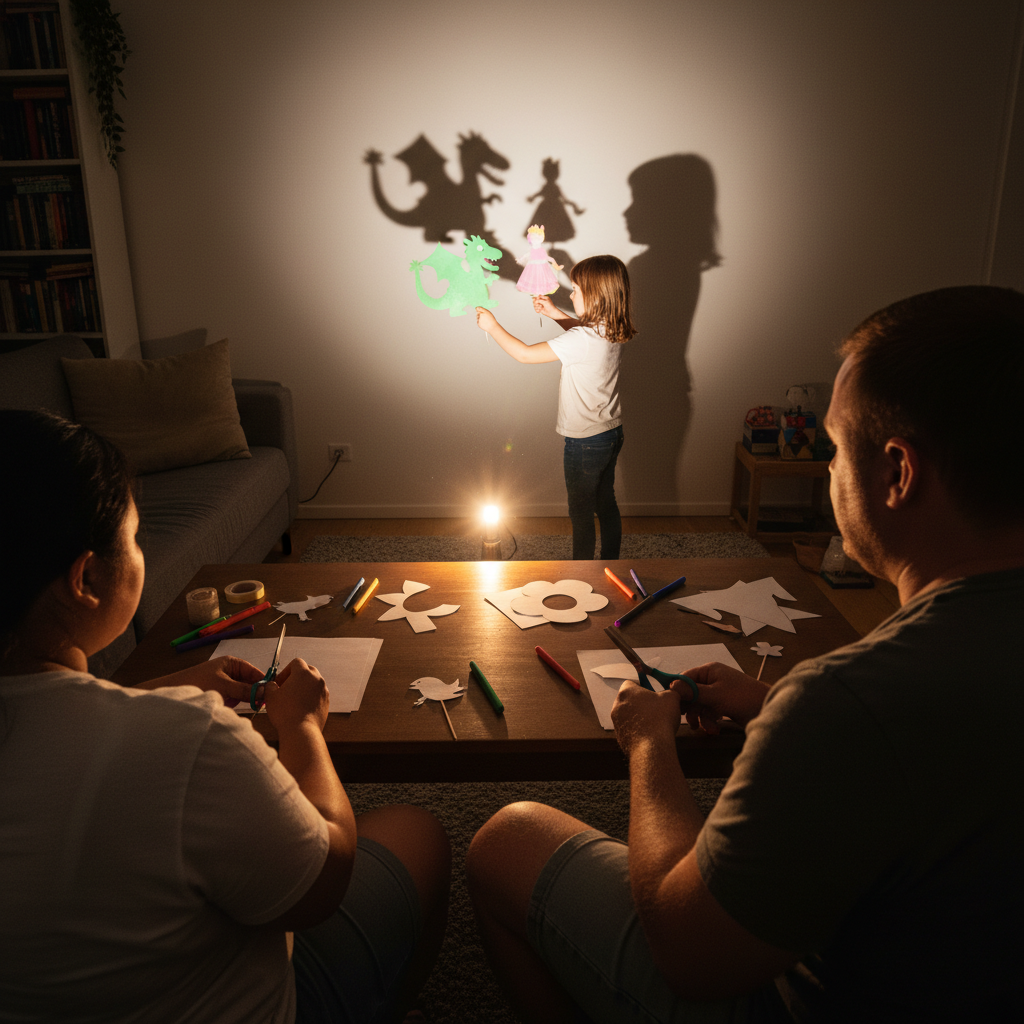
Shadow Puppets
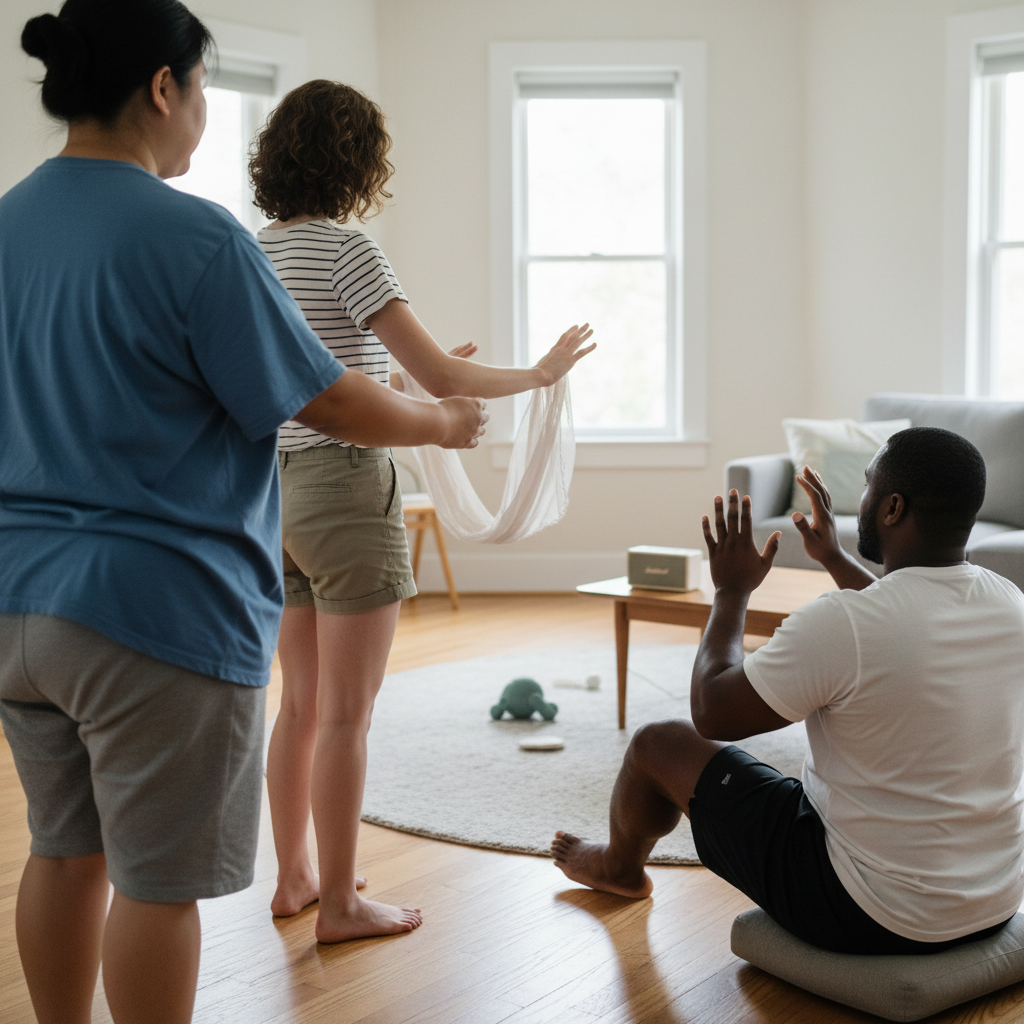
Shared Rythmic Movement
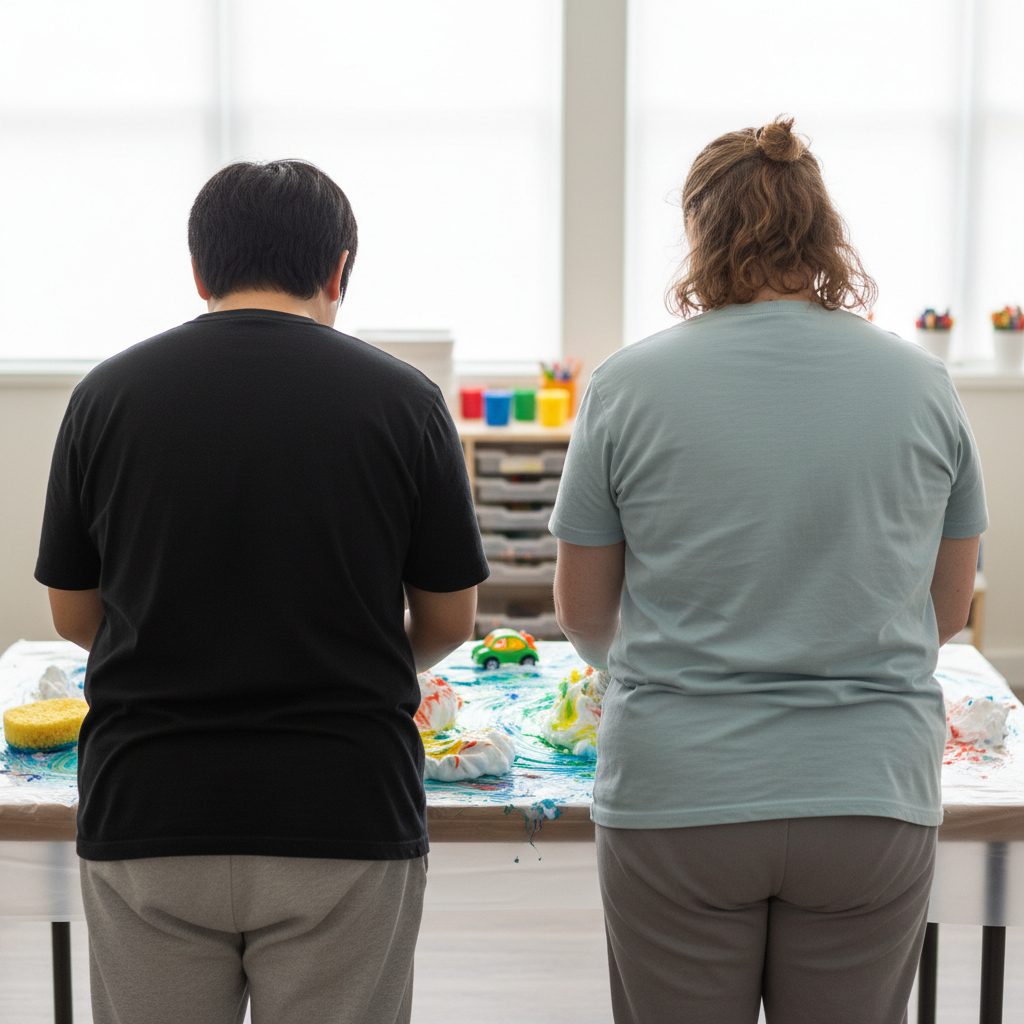
Shaving Cream

Shoulder Massage
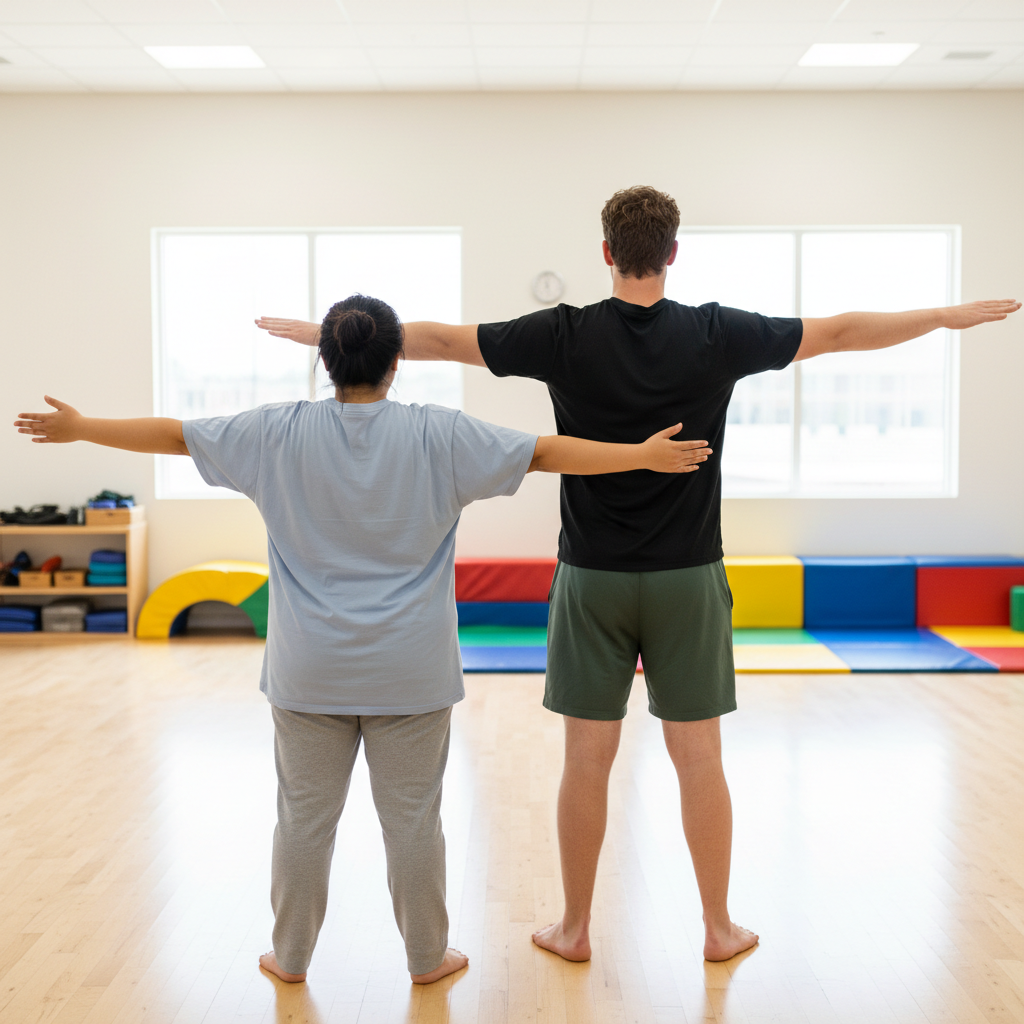
Simon Says
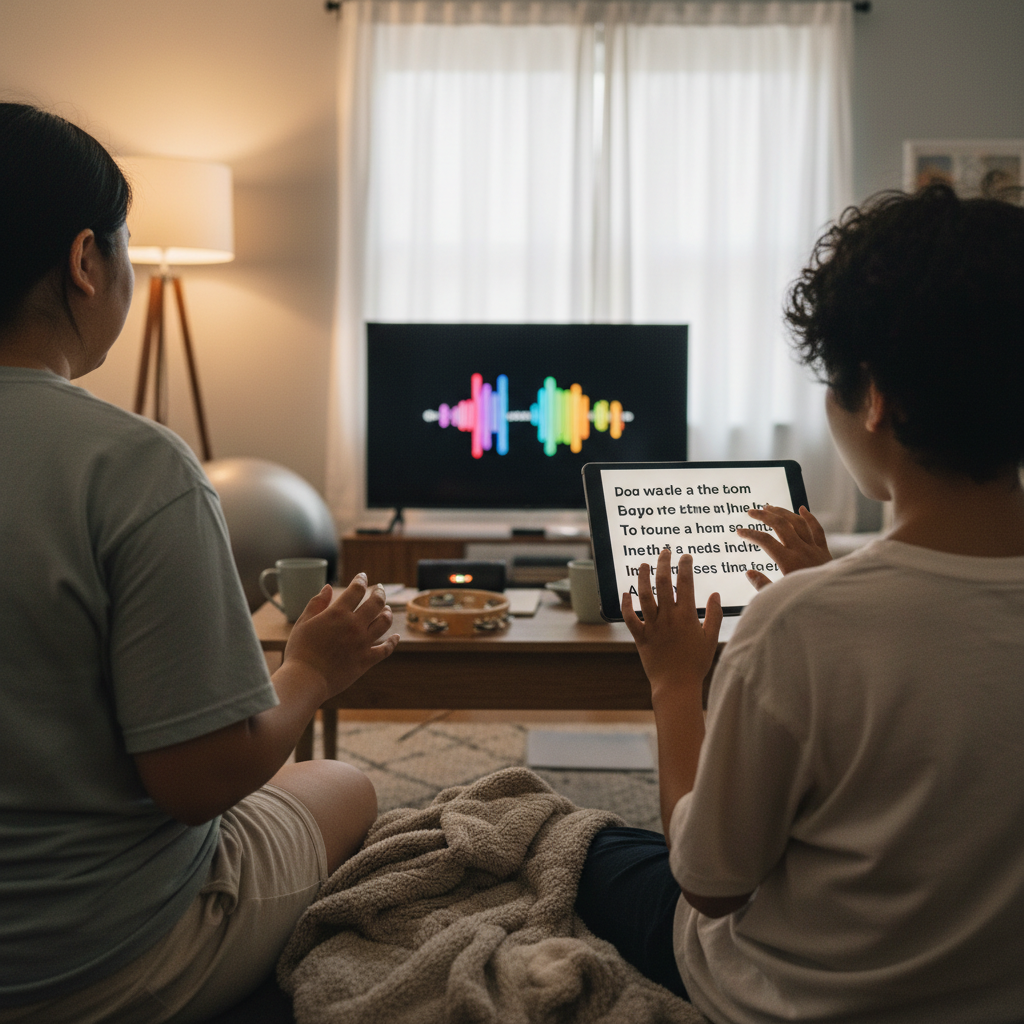
Sing Along
Singing
Skipping
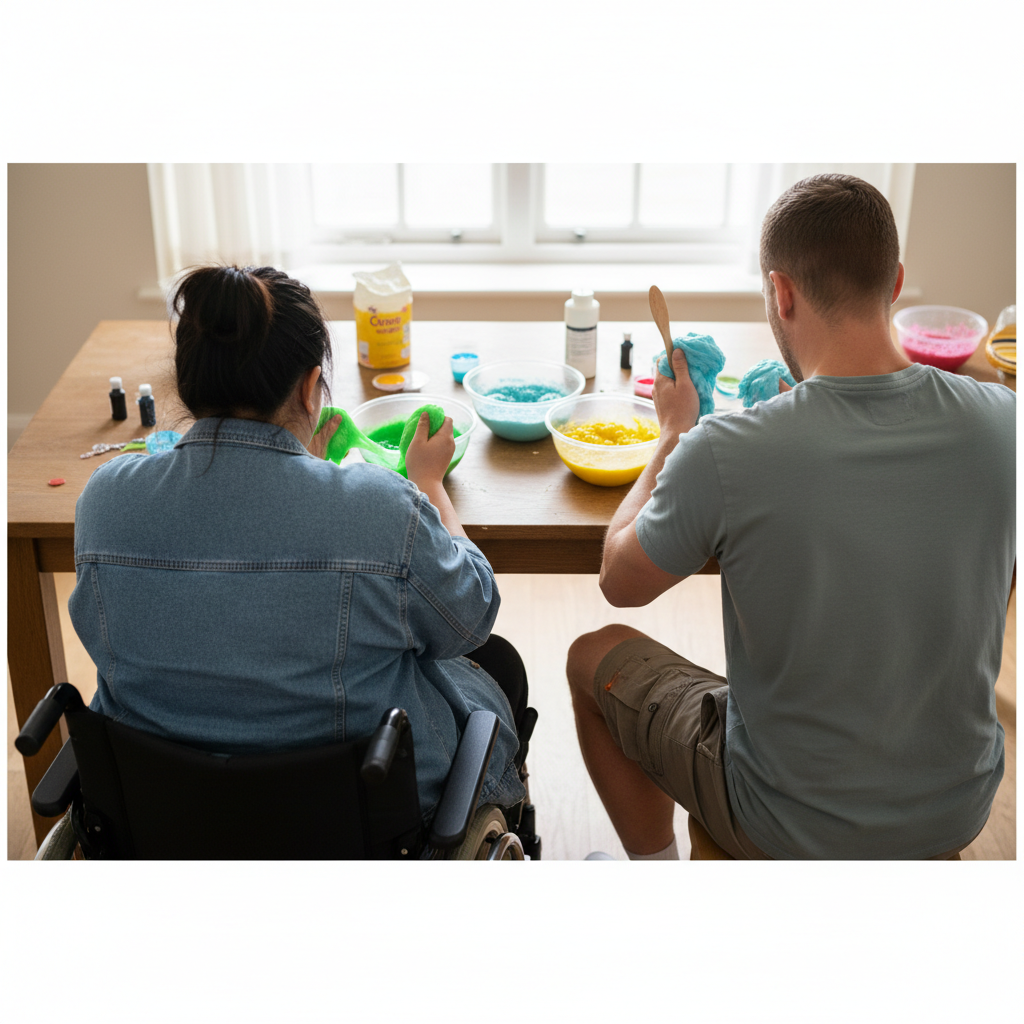
Slime

Smoothie Guess

Smoothie Taste And Guess
Soothing Vibration
Sort Clothes

Sort Washing
Sound Bingo
Sound Location
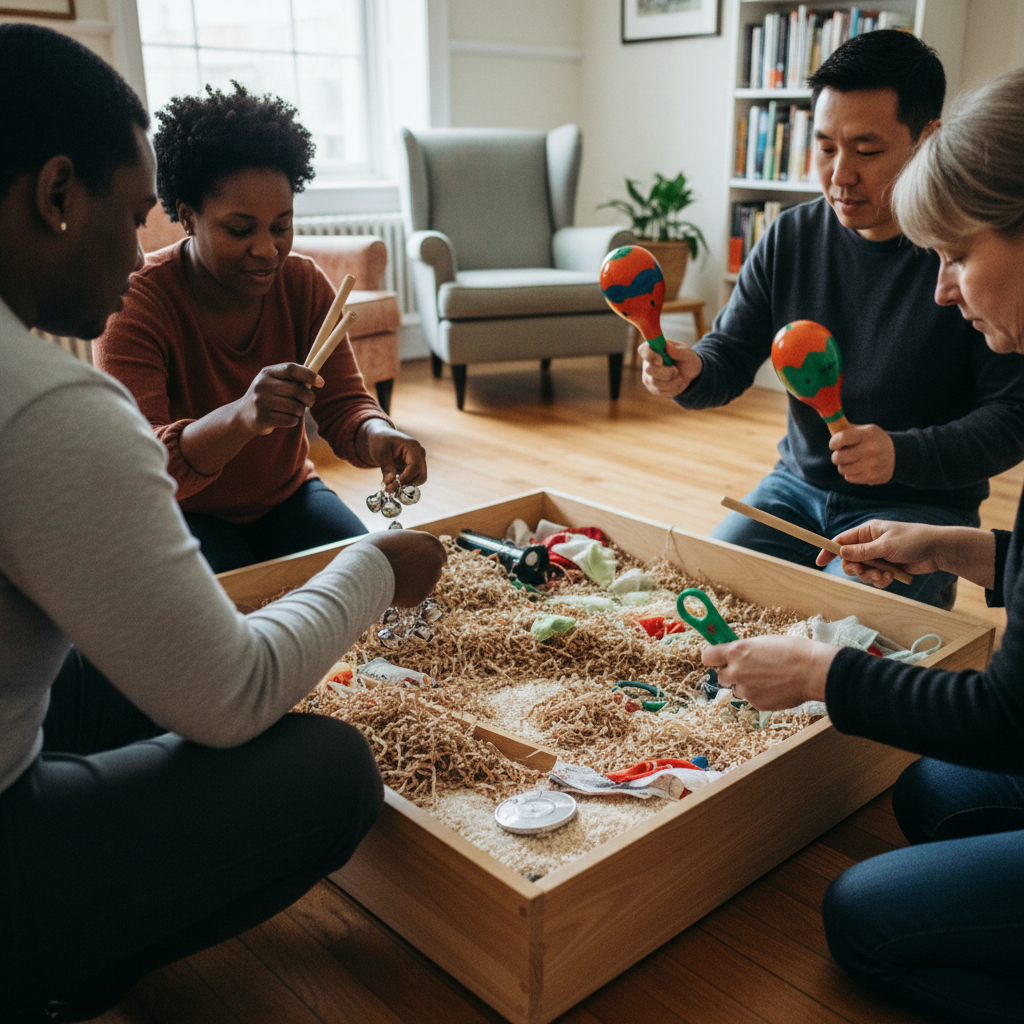
Sound Sensory Bin
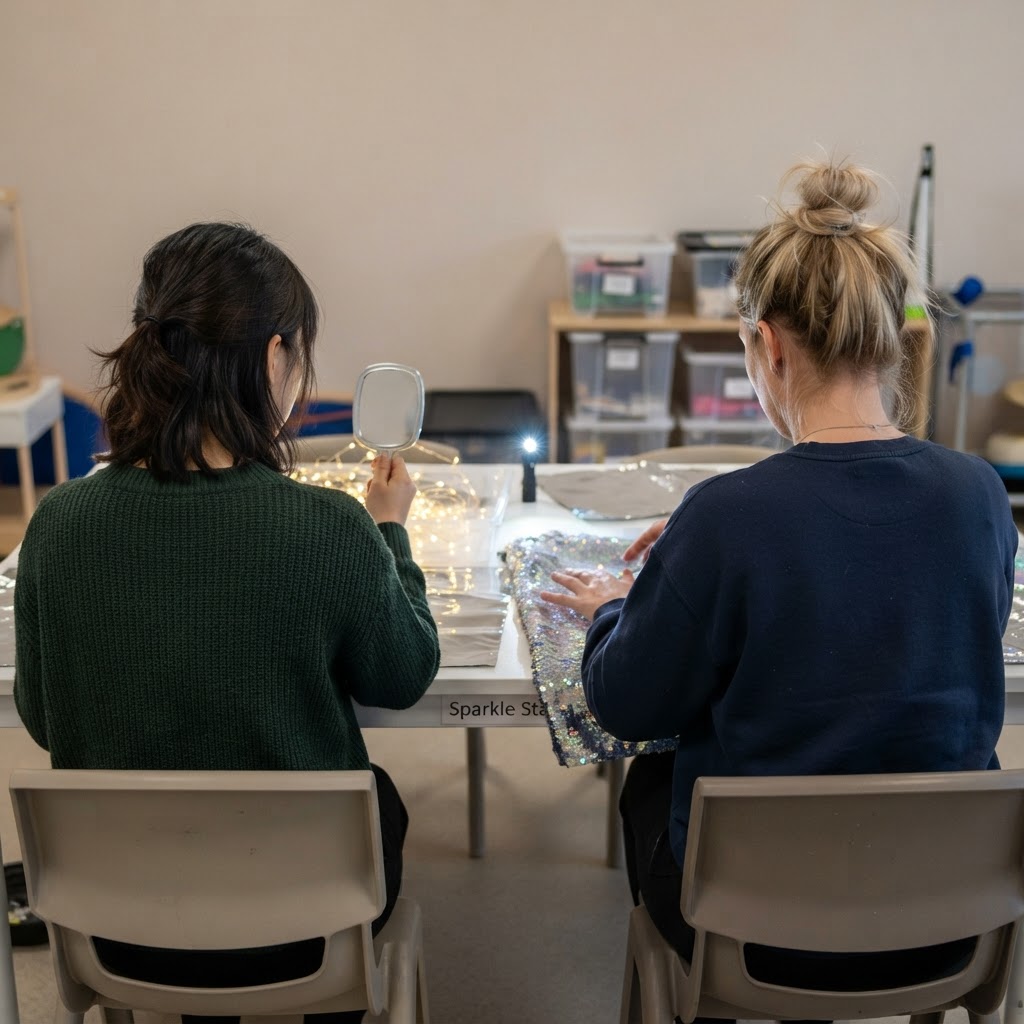
Sparkle Station
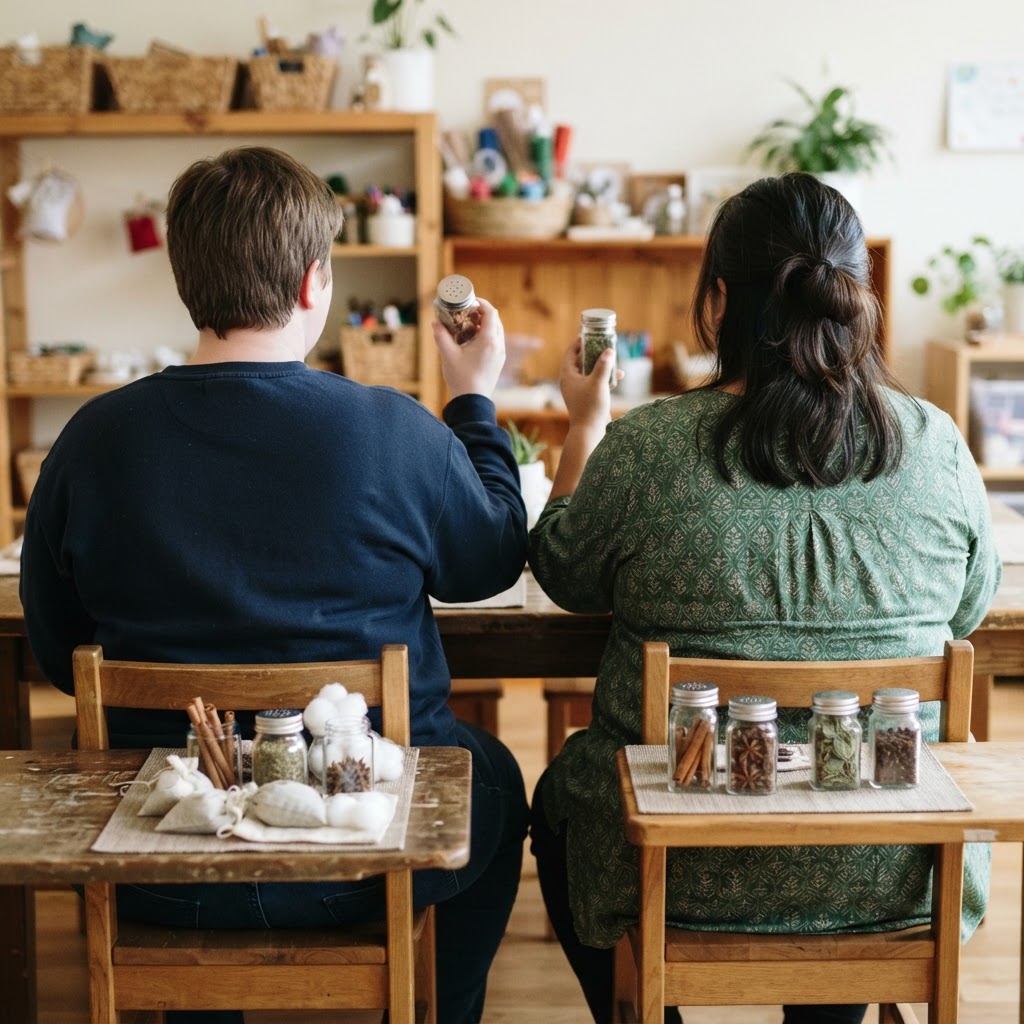
Spice Adventure
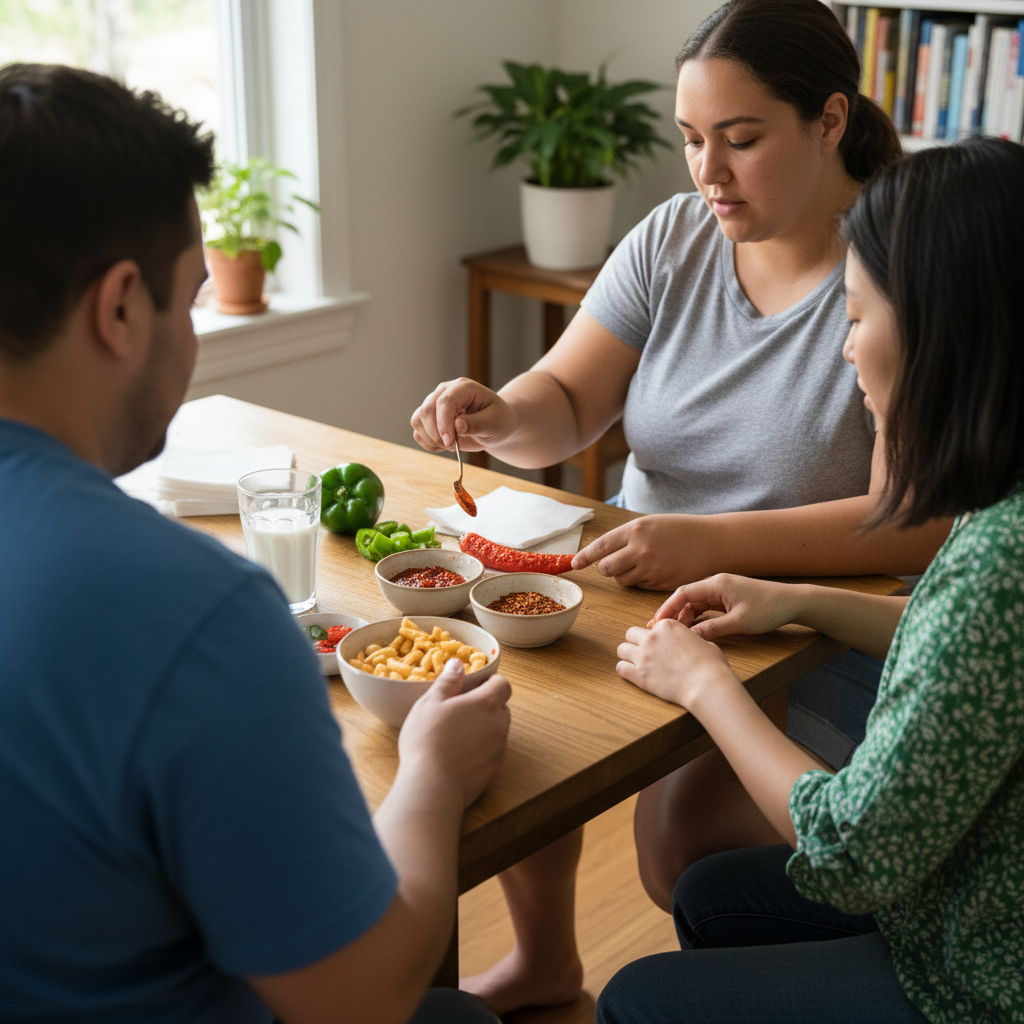
Spicy Foods
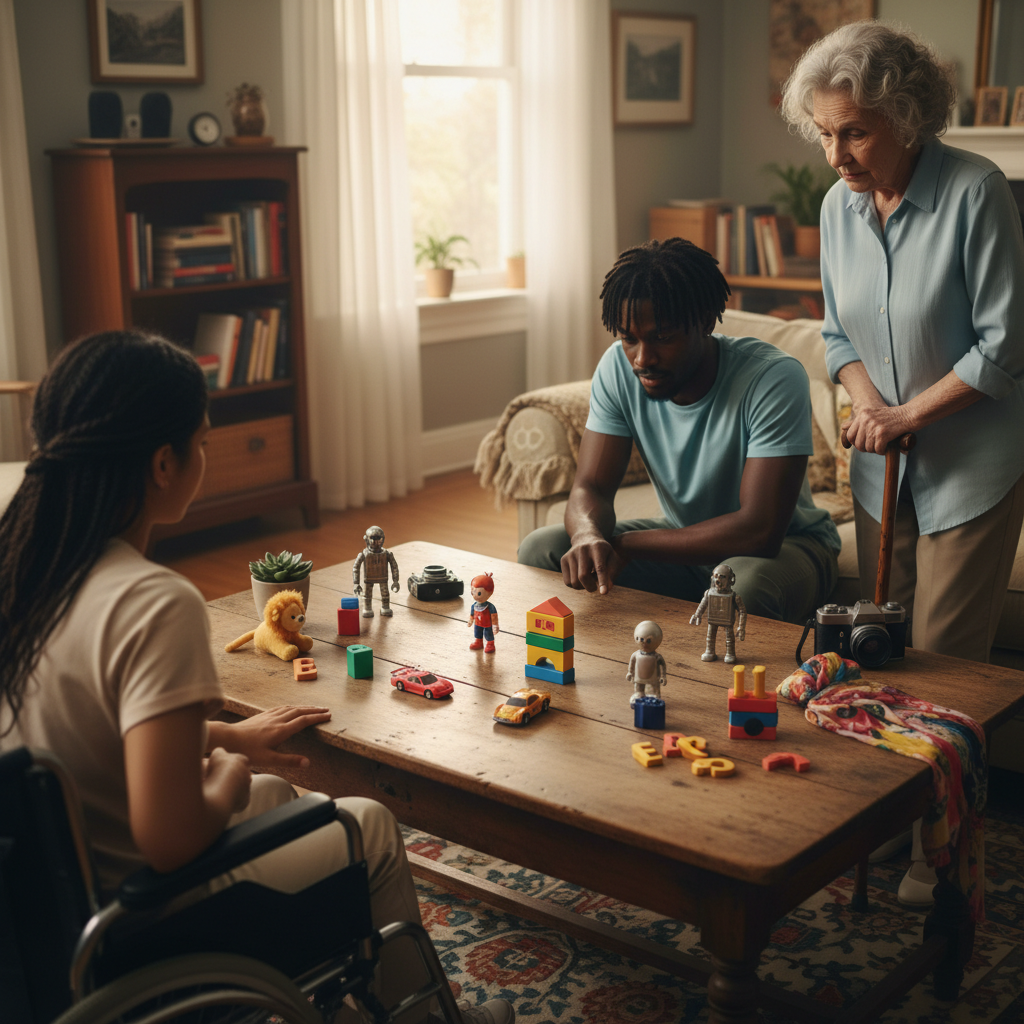
Spot The Difference
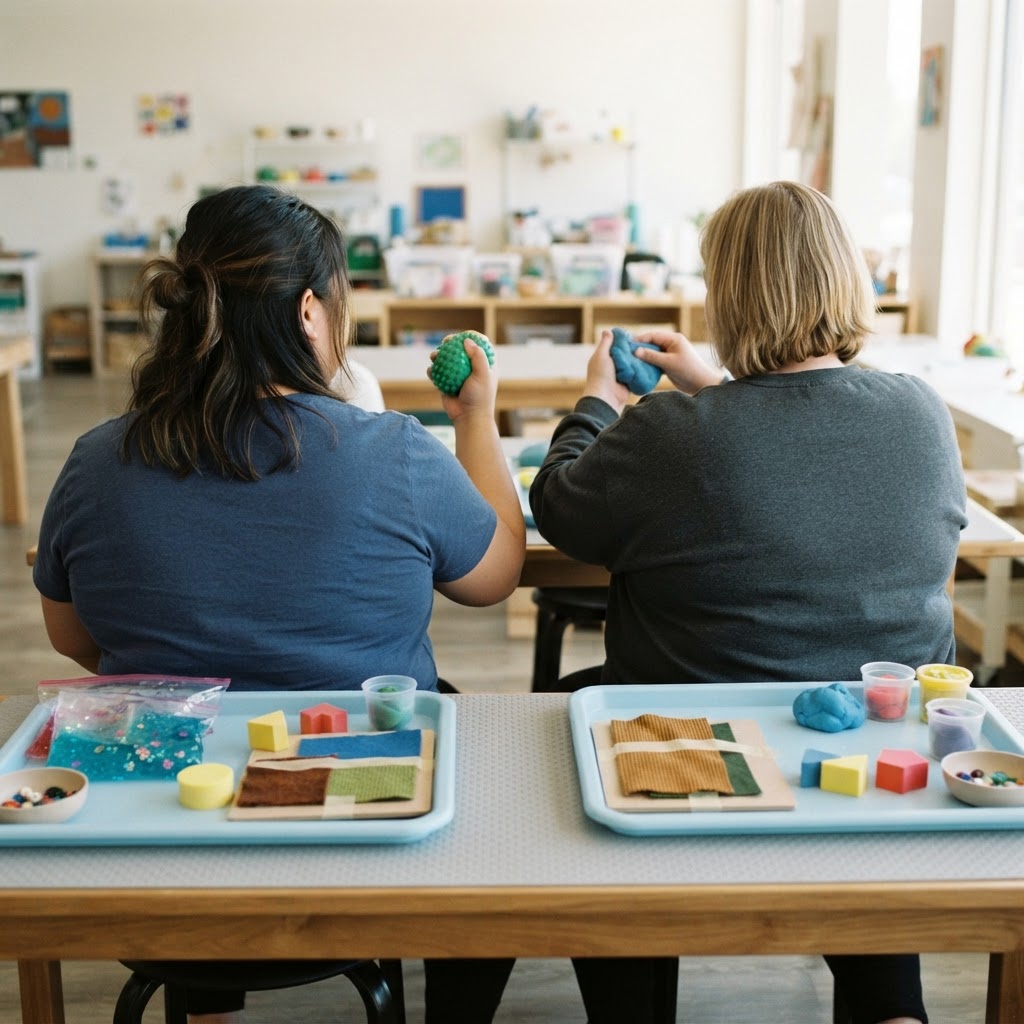
Squish Studio
Star Jumps
Stationary Cycling
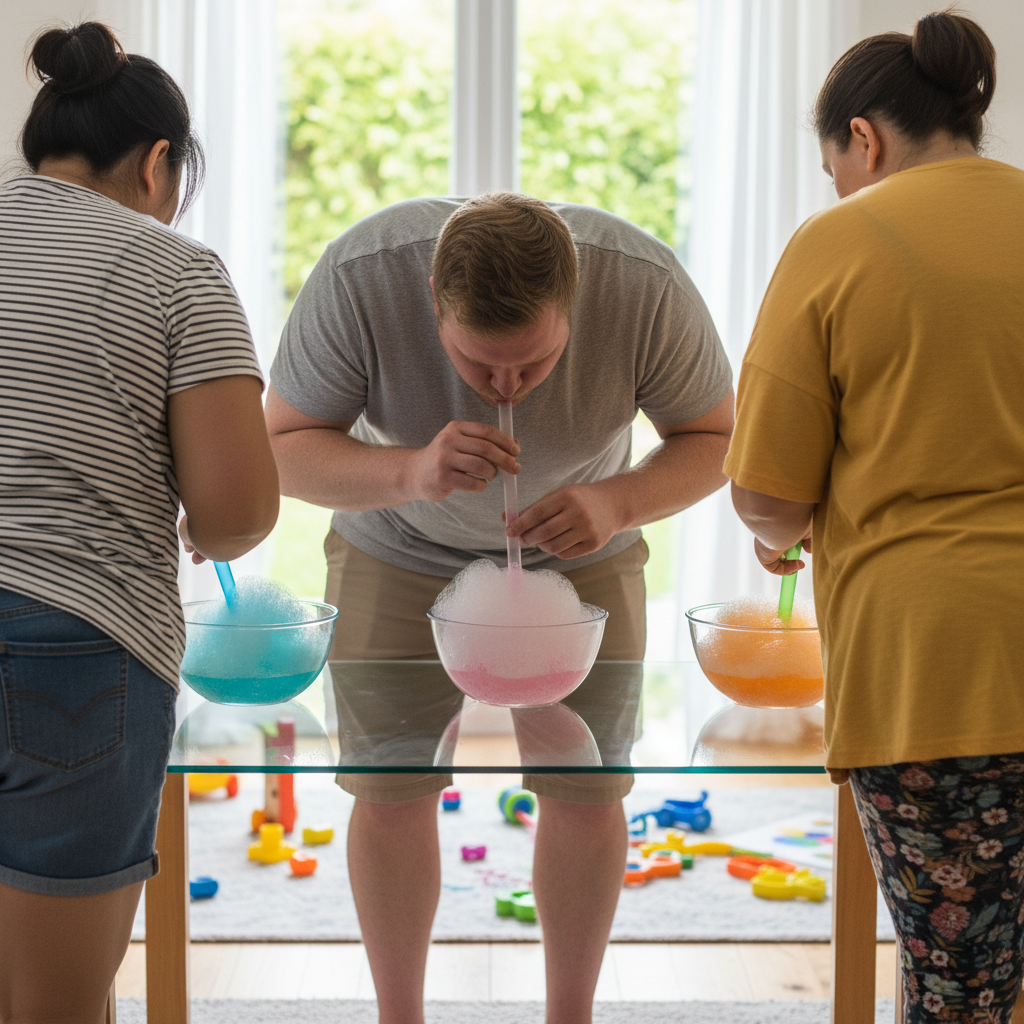
Straw Bubbles
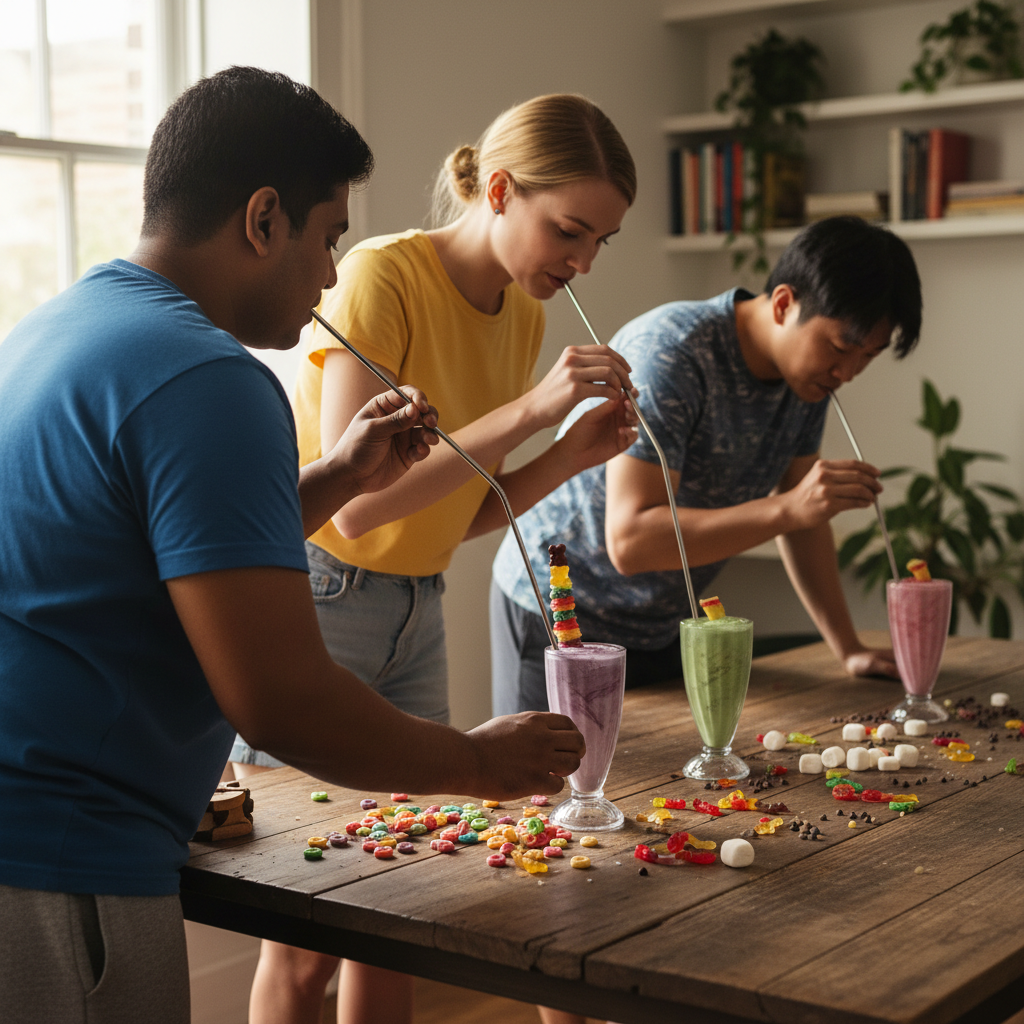
Straw Games
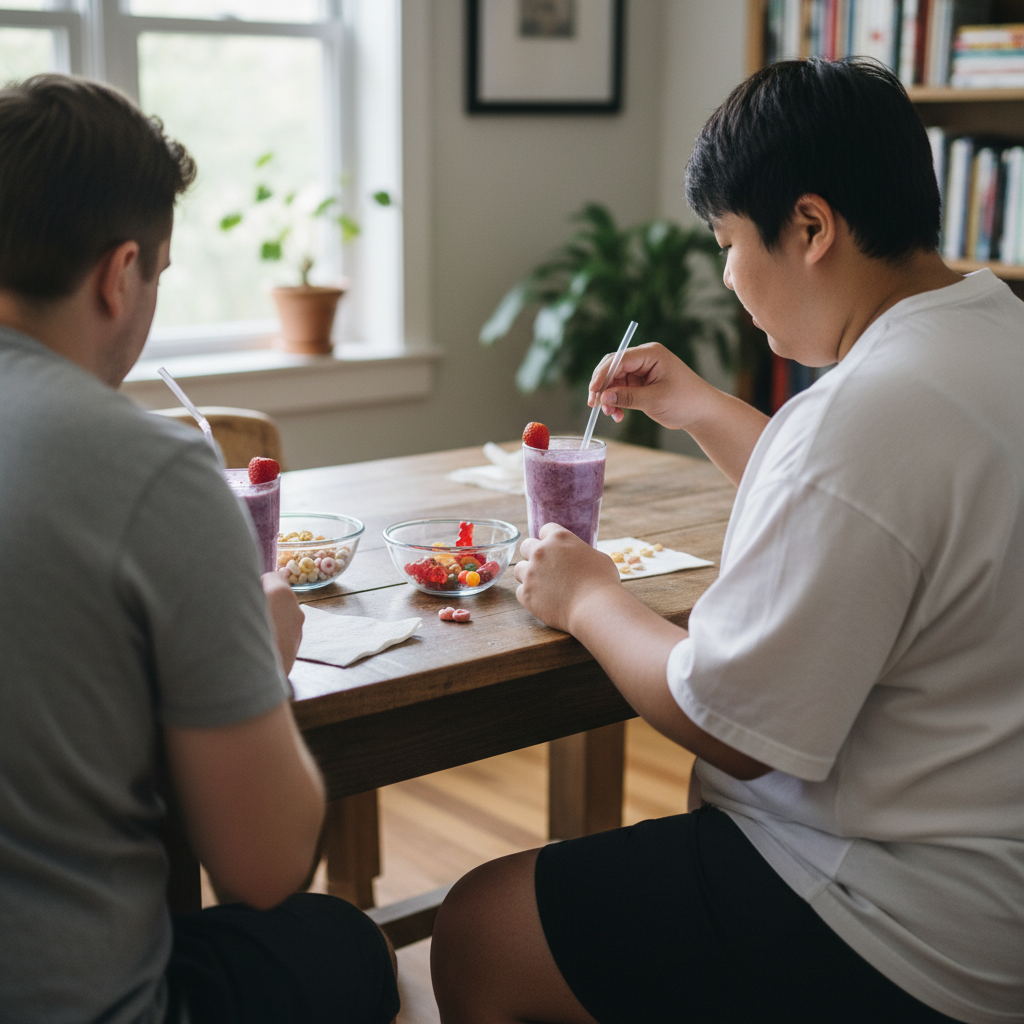
Straw Games
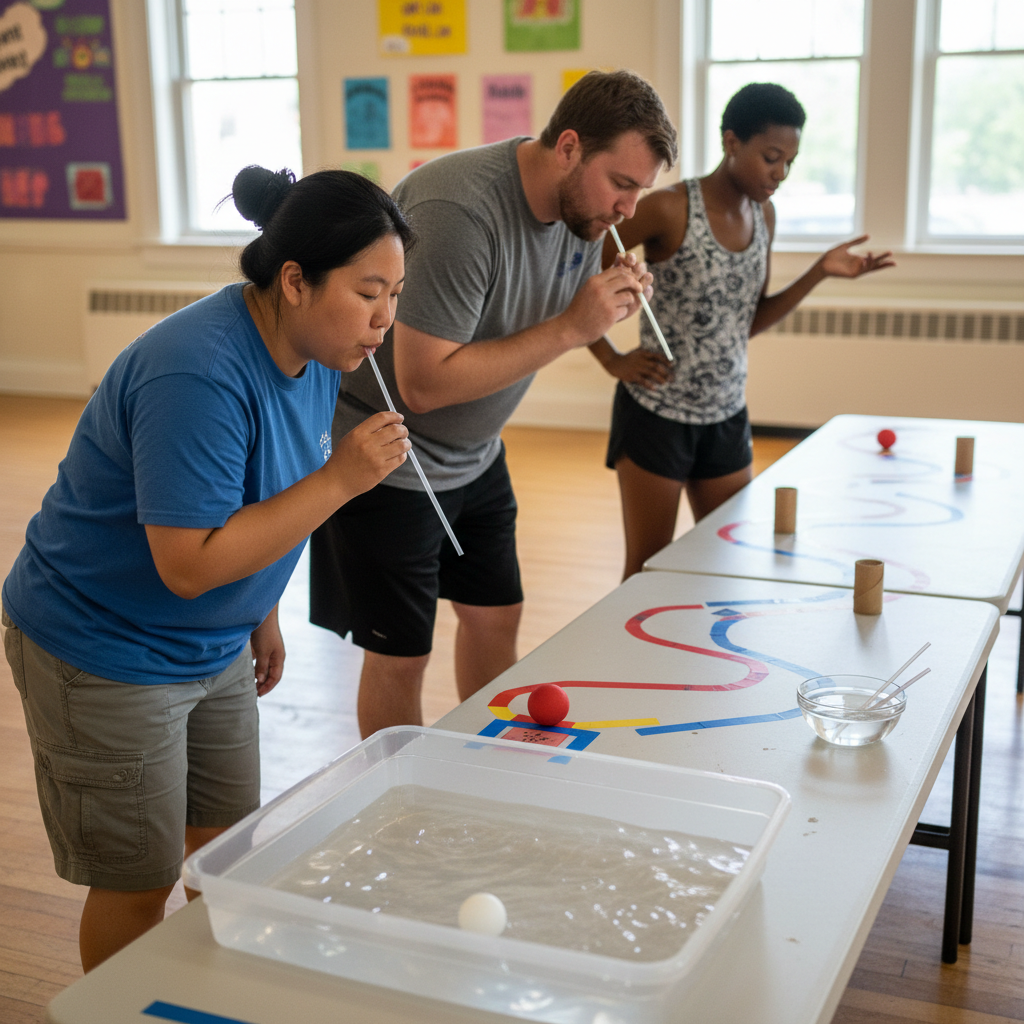
Straw Race
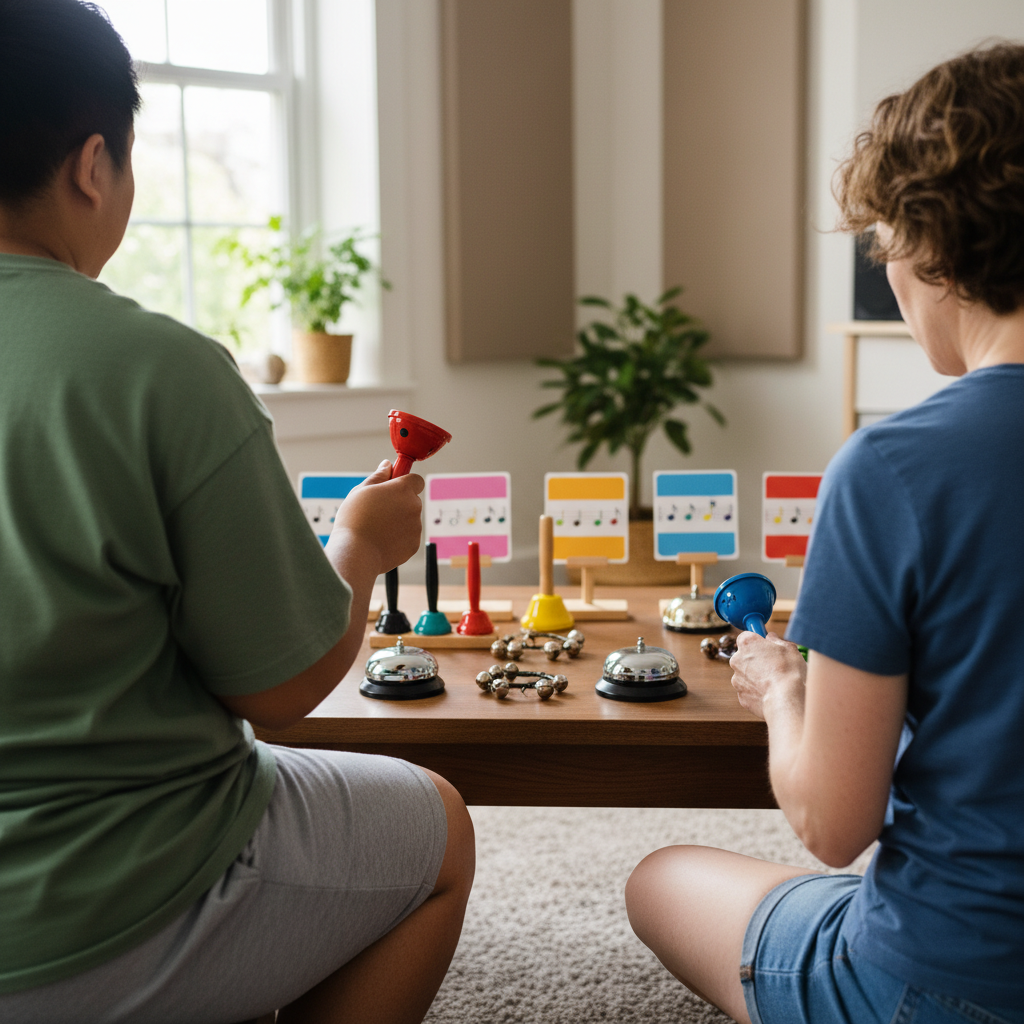
Structured Bell Ringing
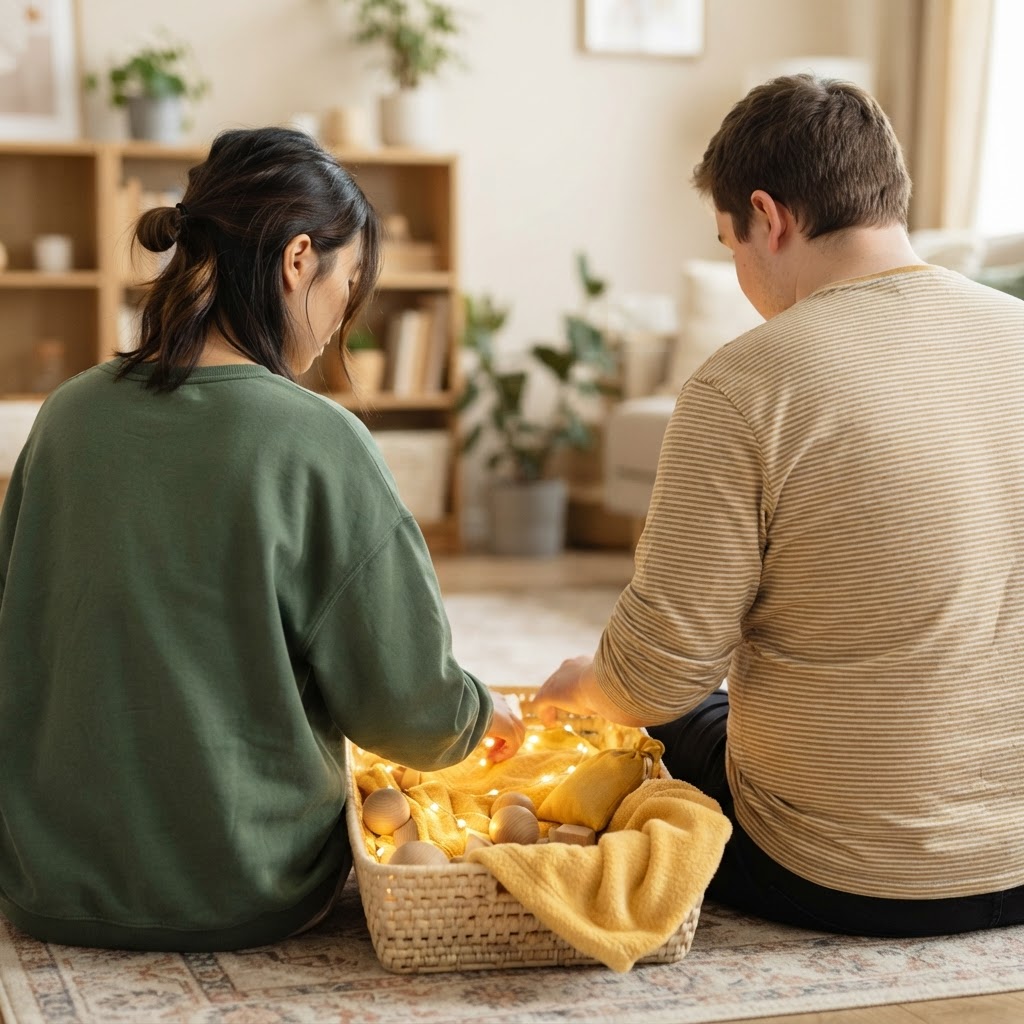
Sunshine Box
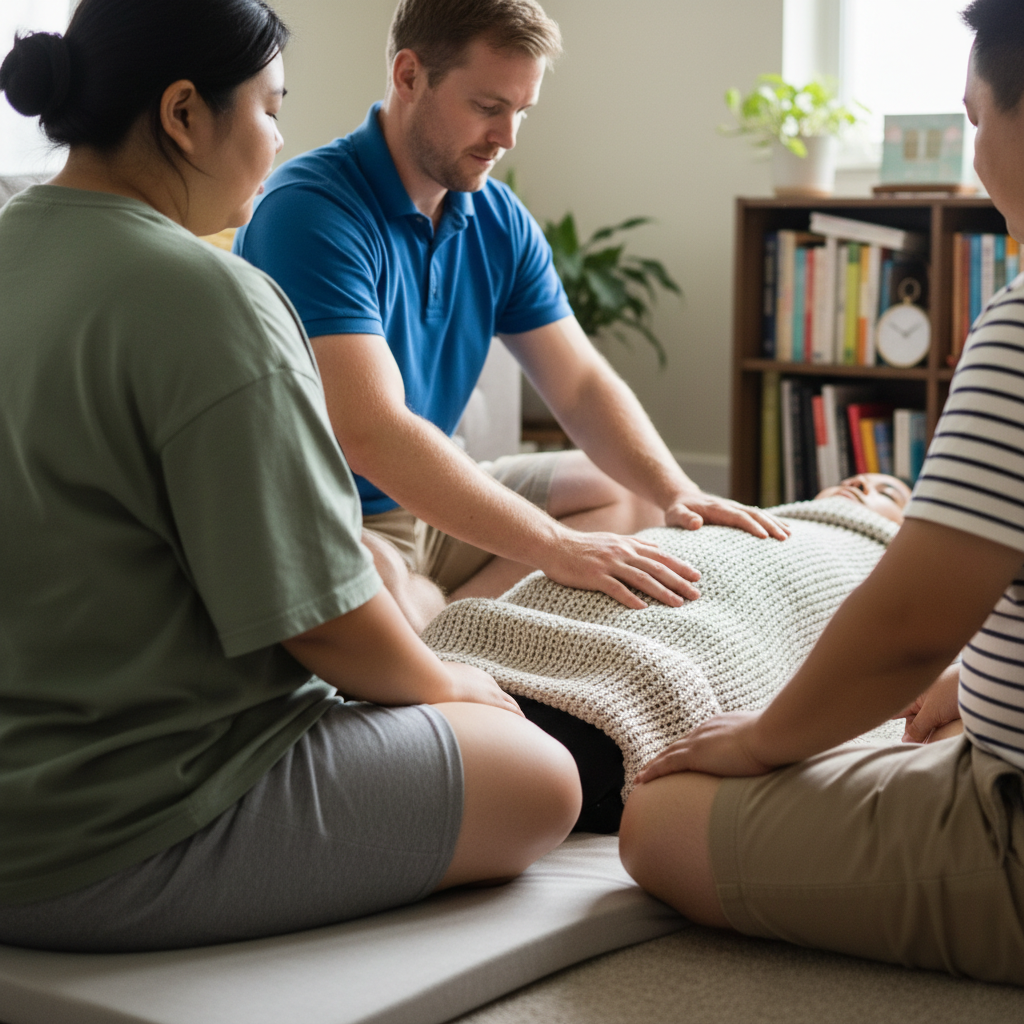
Supported Lying (Break from Wheelchair)

Surfing
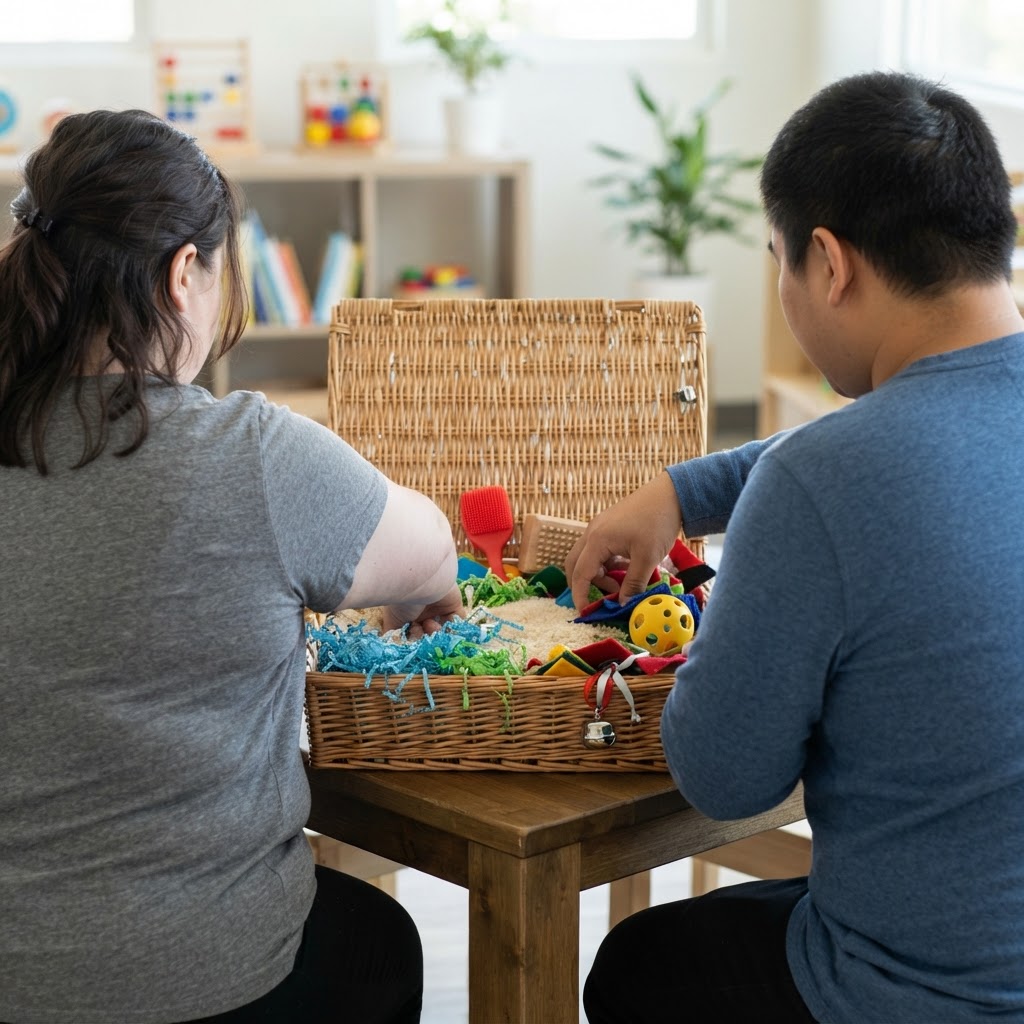
Surprise Basket
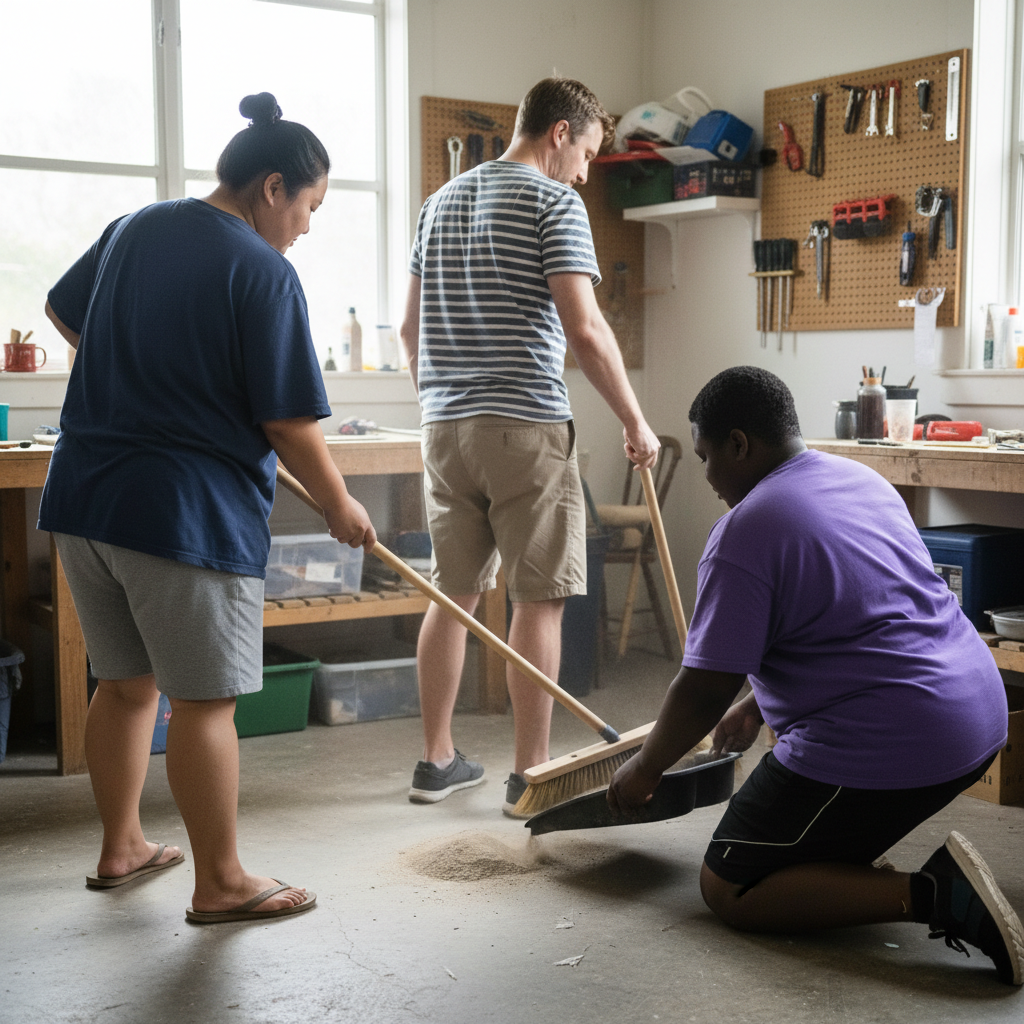
Sweeping
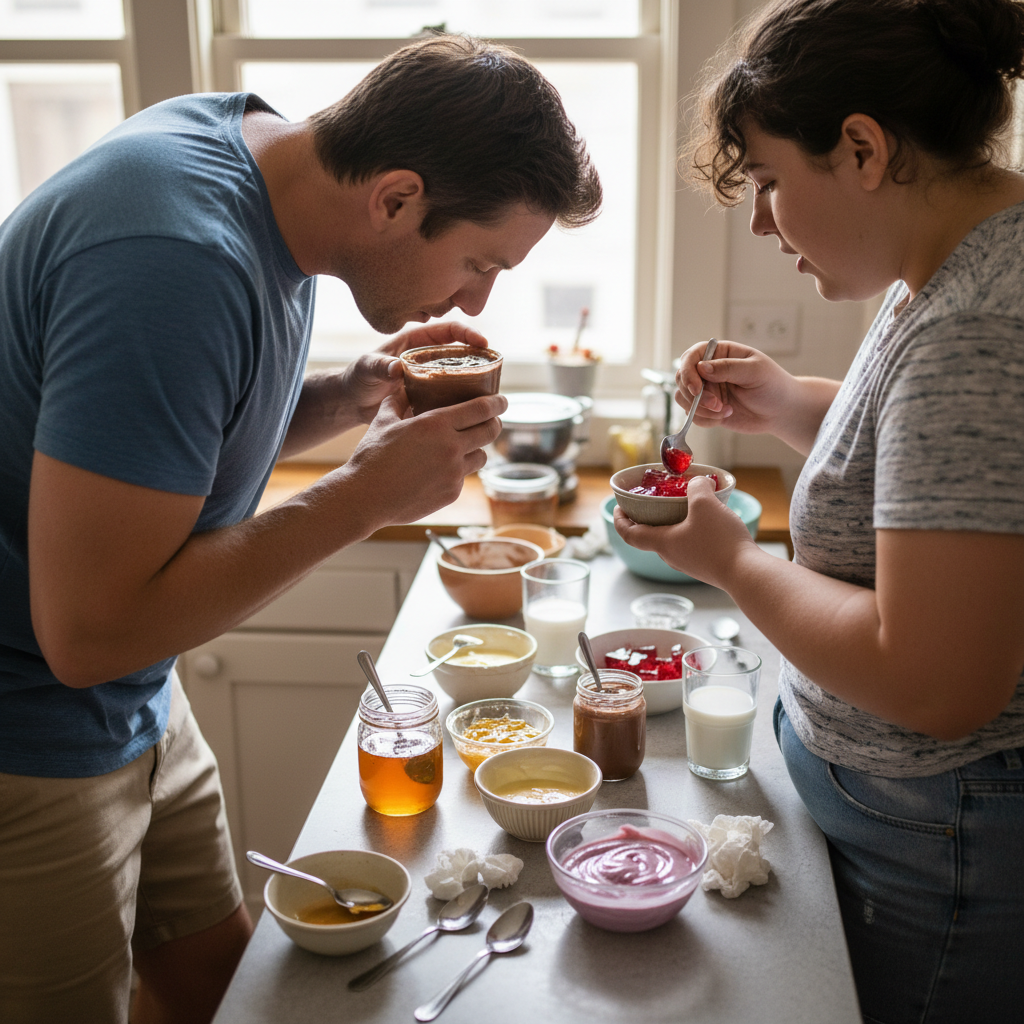
Sweet Foods
Swimming
Swing
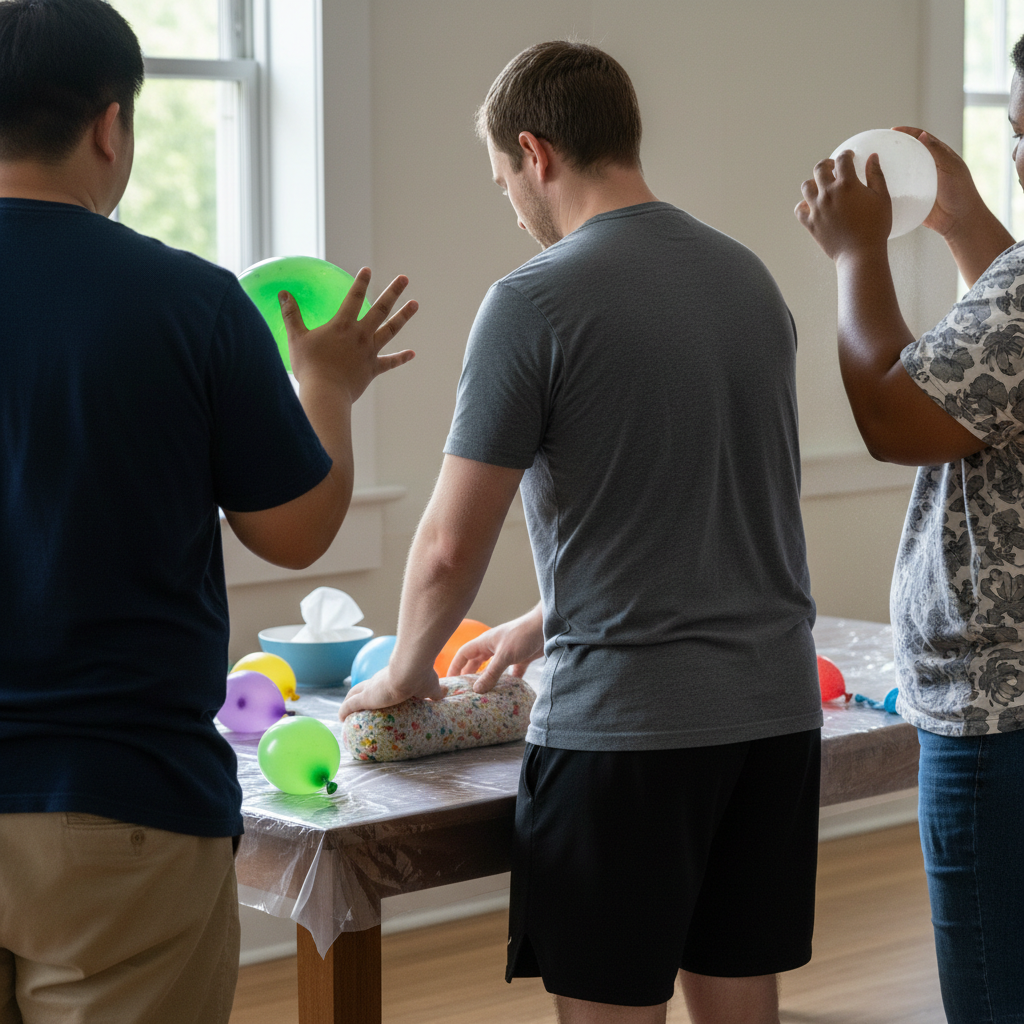
Tactile Balloons
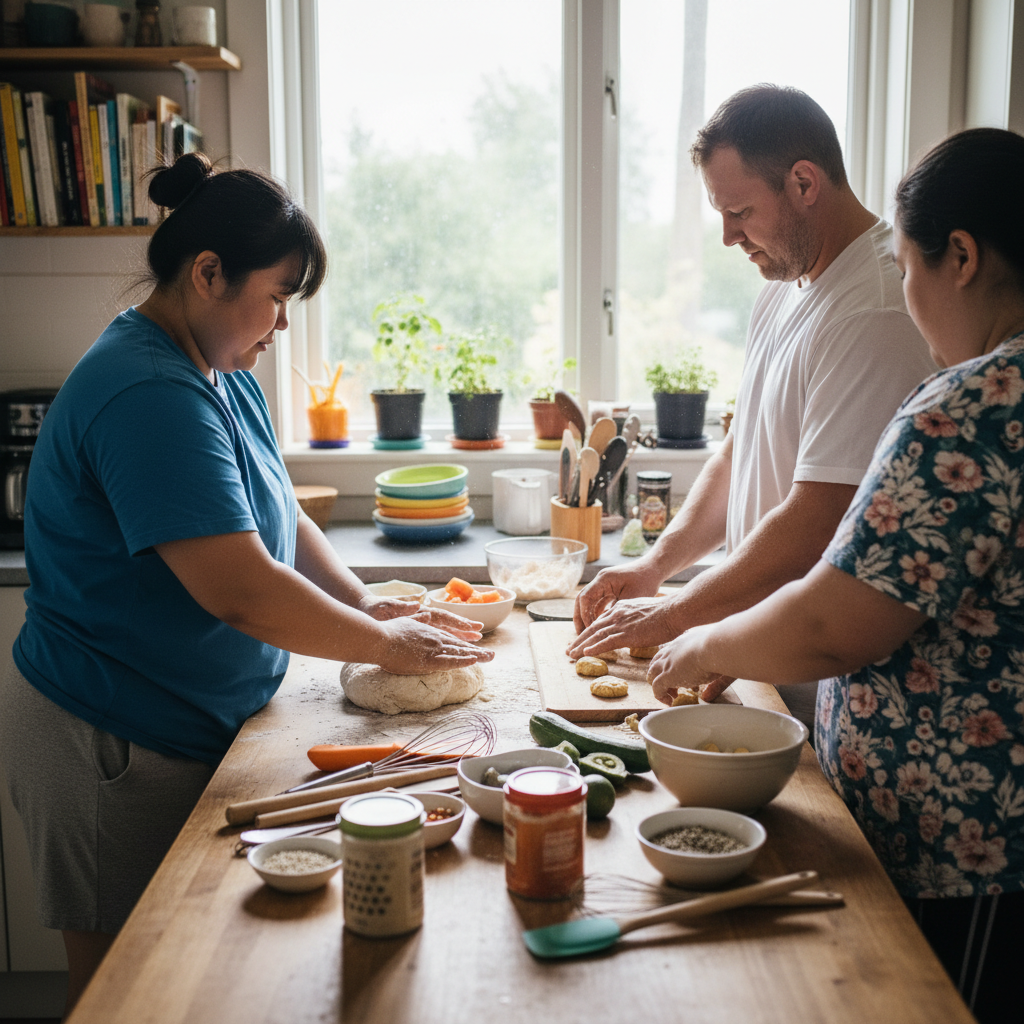
Tactile Cooking
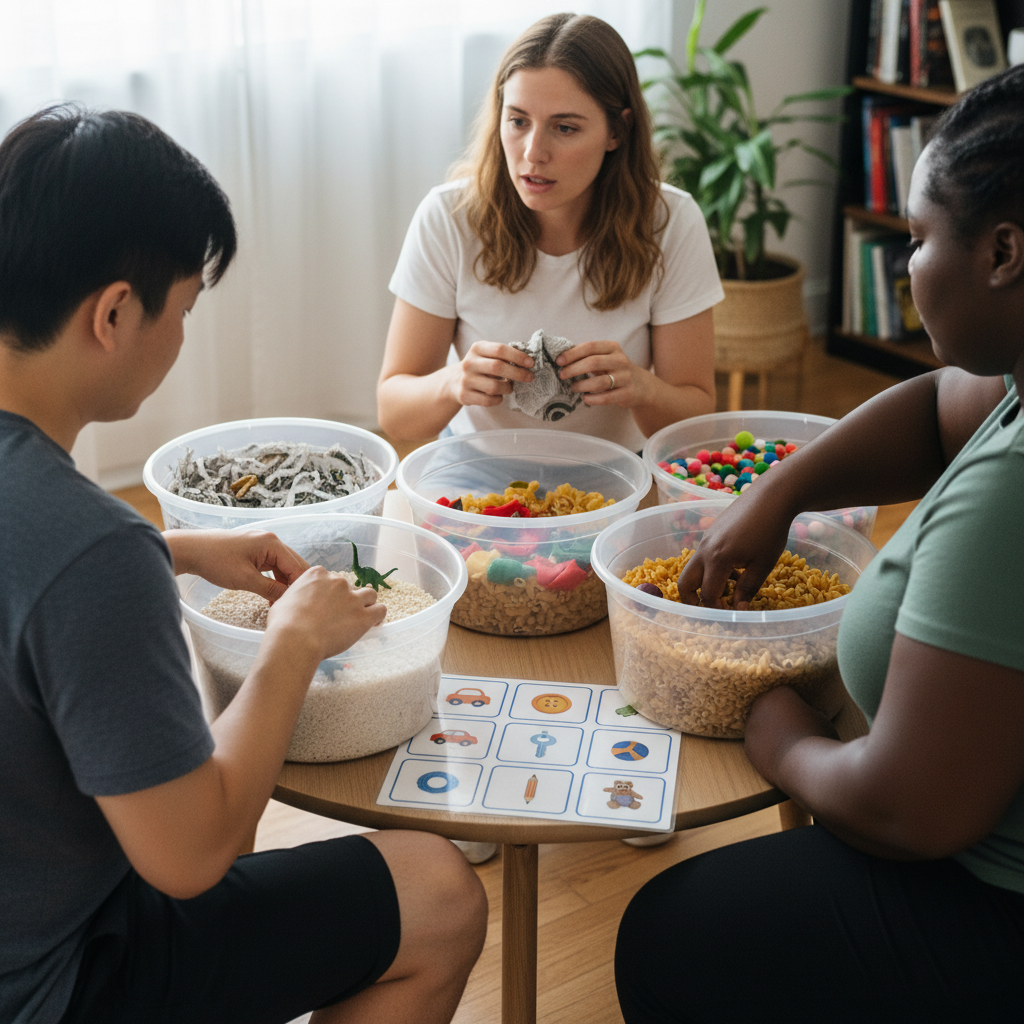
Tactile Hide and Seek
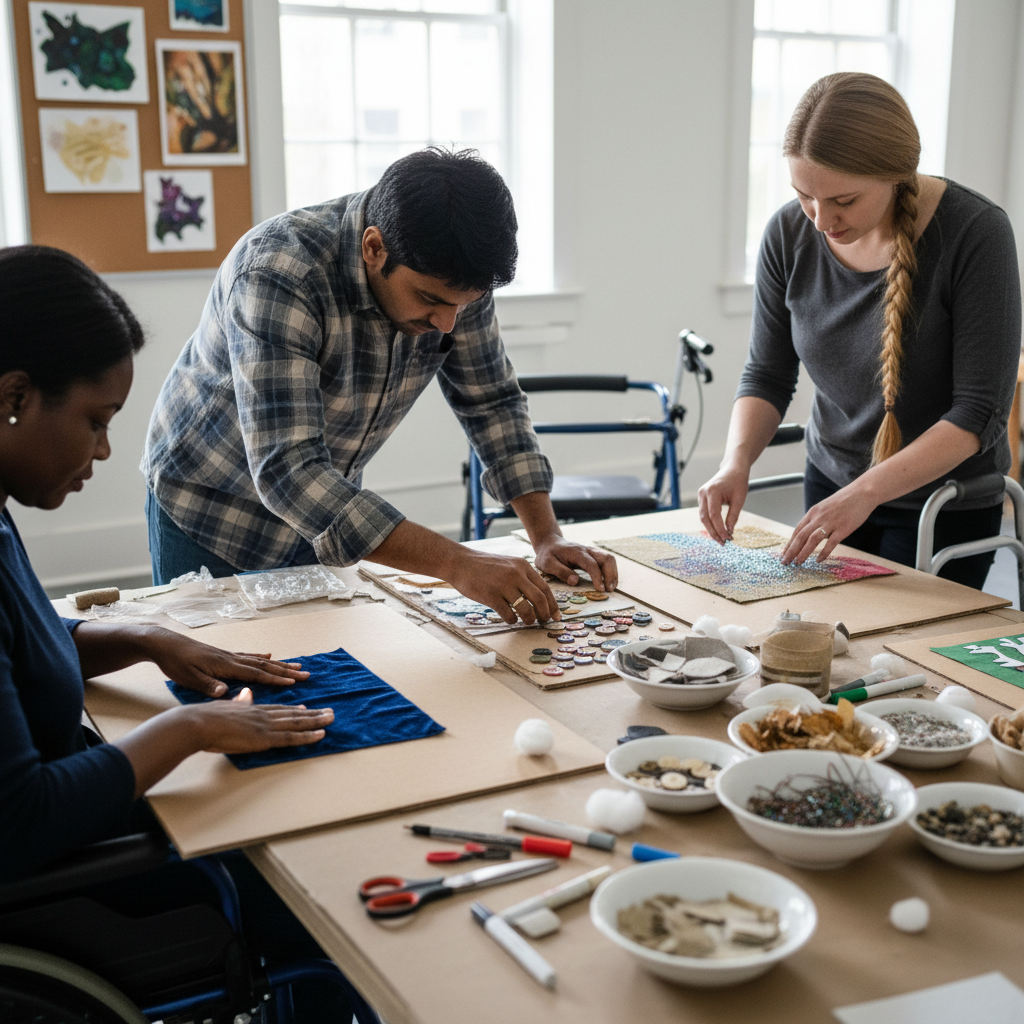
Tactile Picture Making
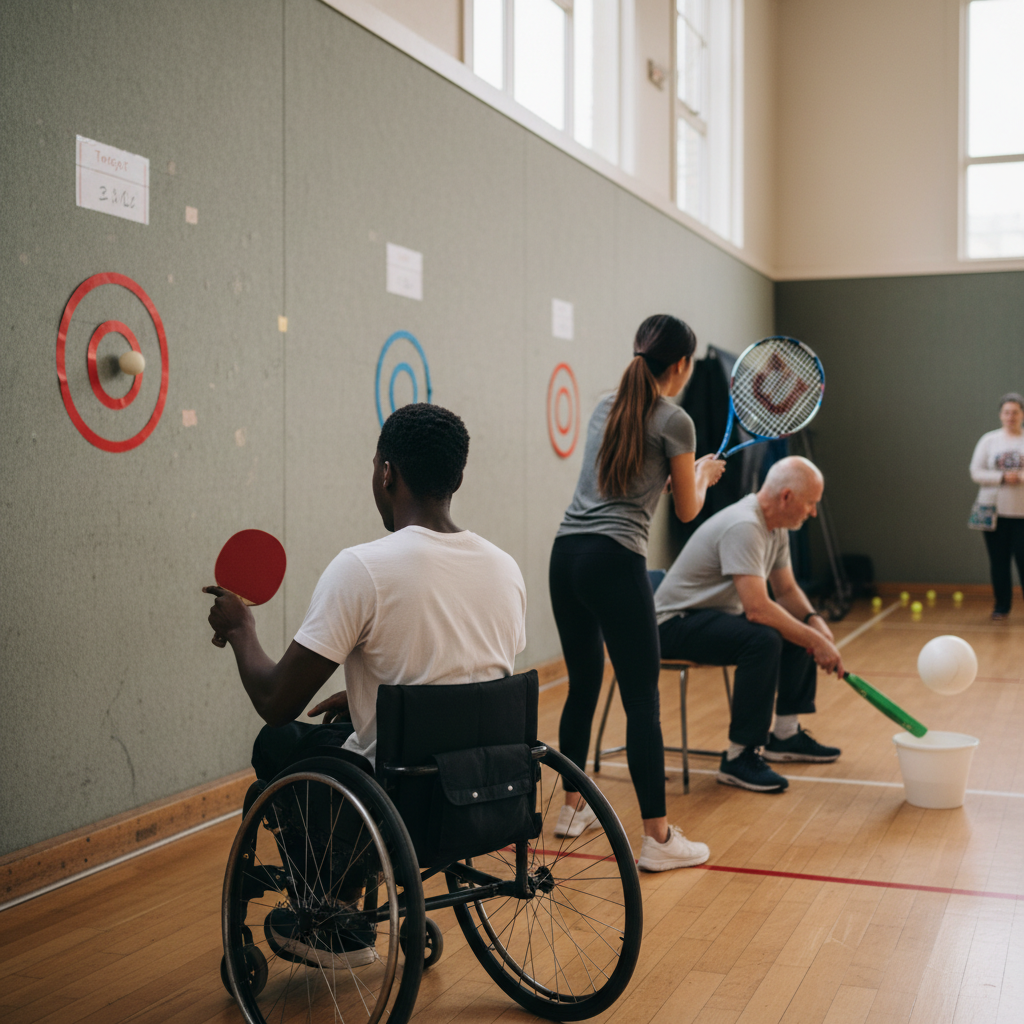
Target Games
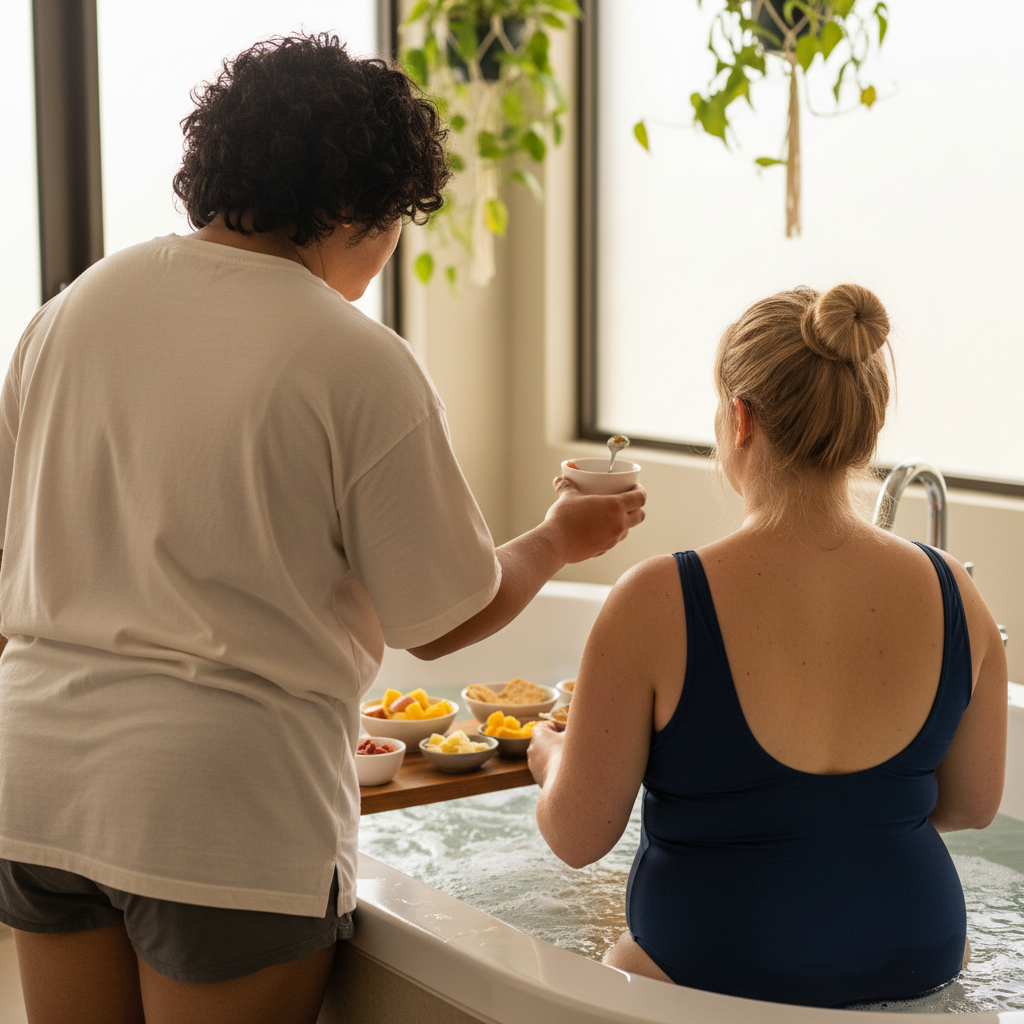
Taste Challenge
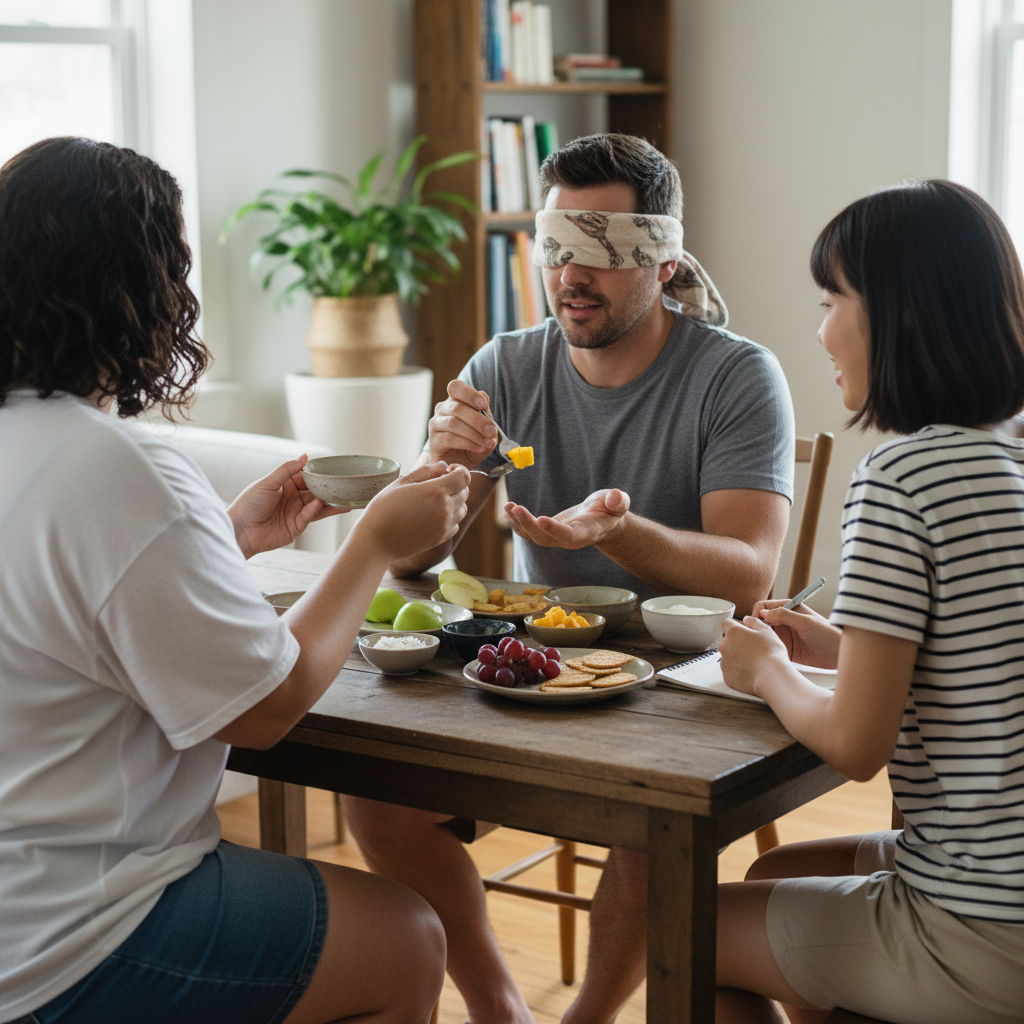
Taste Testing Challenge
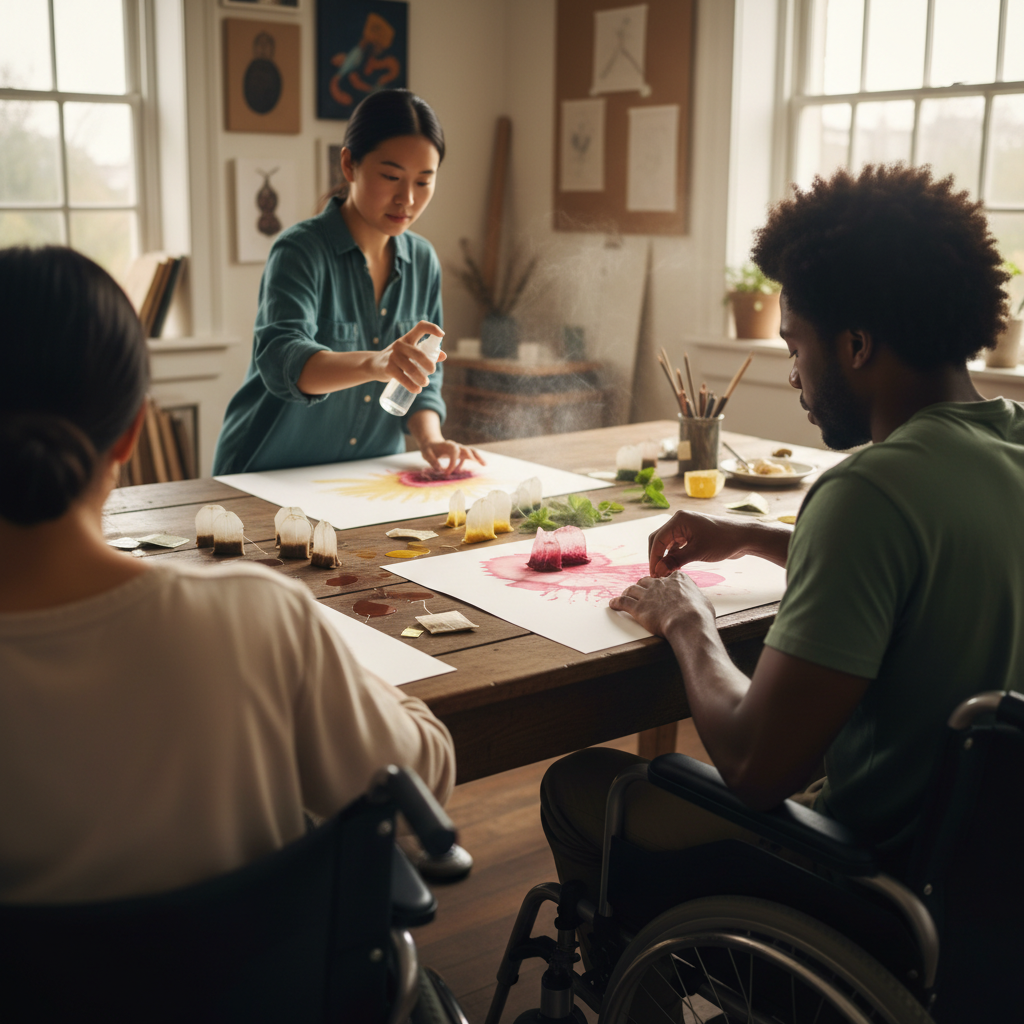
Tea Bag Painting
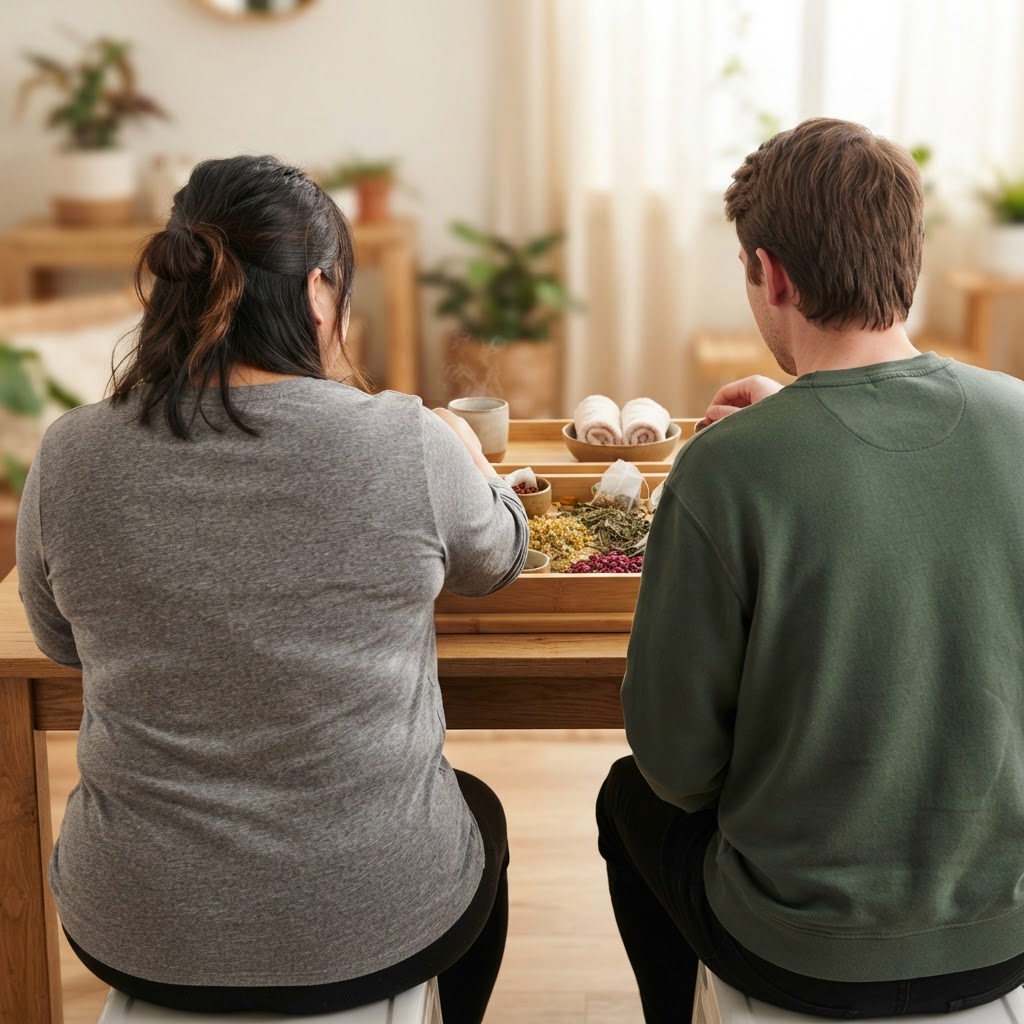
Tea Garden

Tea Garden
Tennis

test523
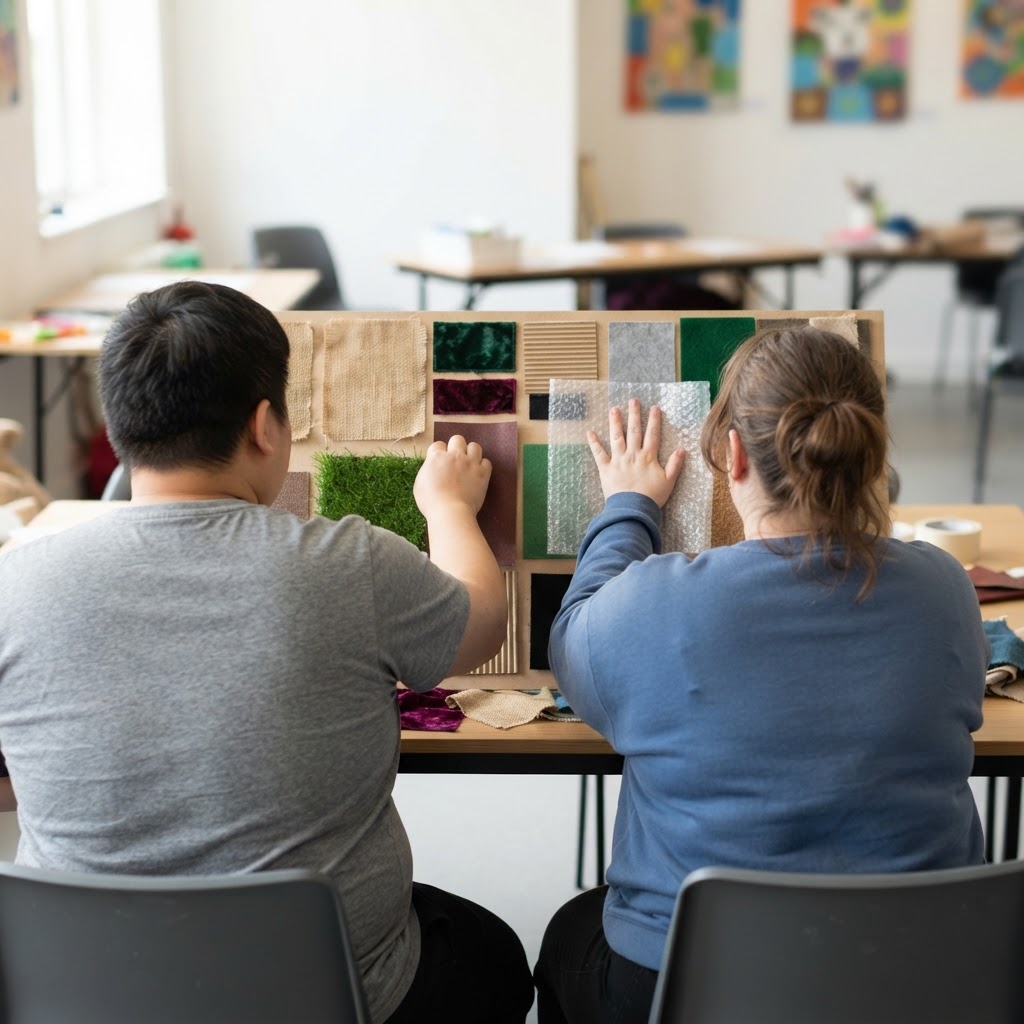
Texture Gallery
The Relaxation Response
Theraband Stretches
Therapeutic Vibration
Therapy Ball

Train Ride
Tram
Trampoline
Trampoline
Trampoline
Trampoline Dodgeball
Treadmill
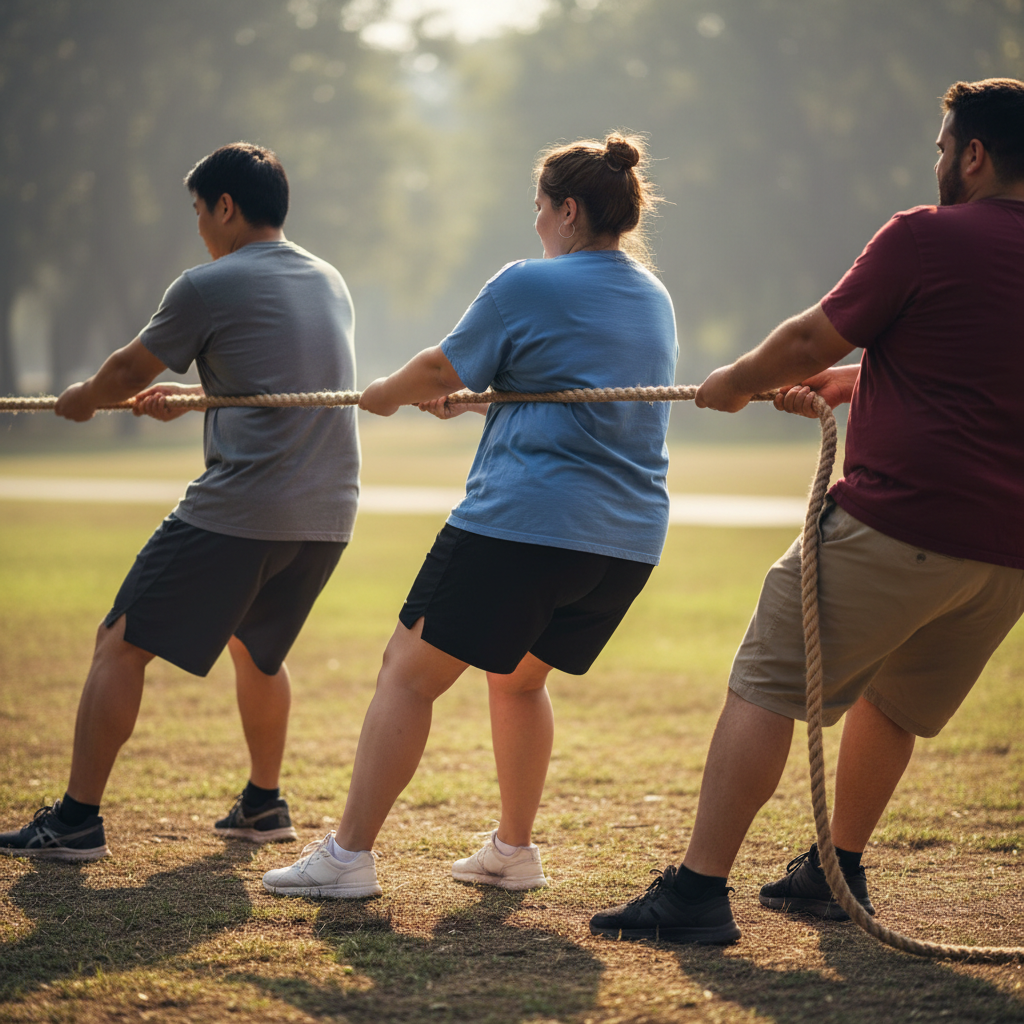
Tug of War
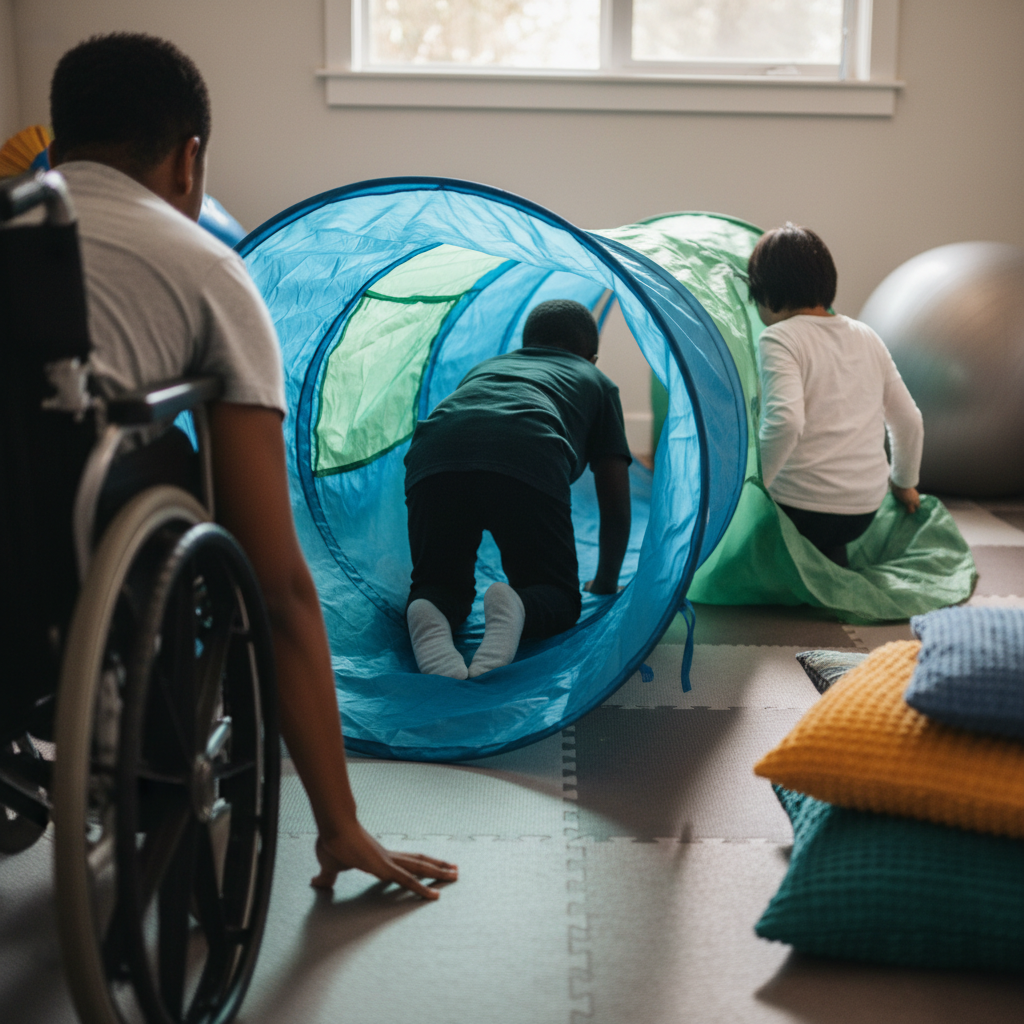
Tunnel Crawling
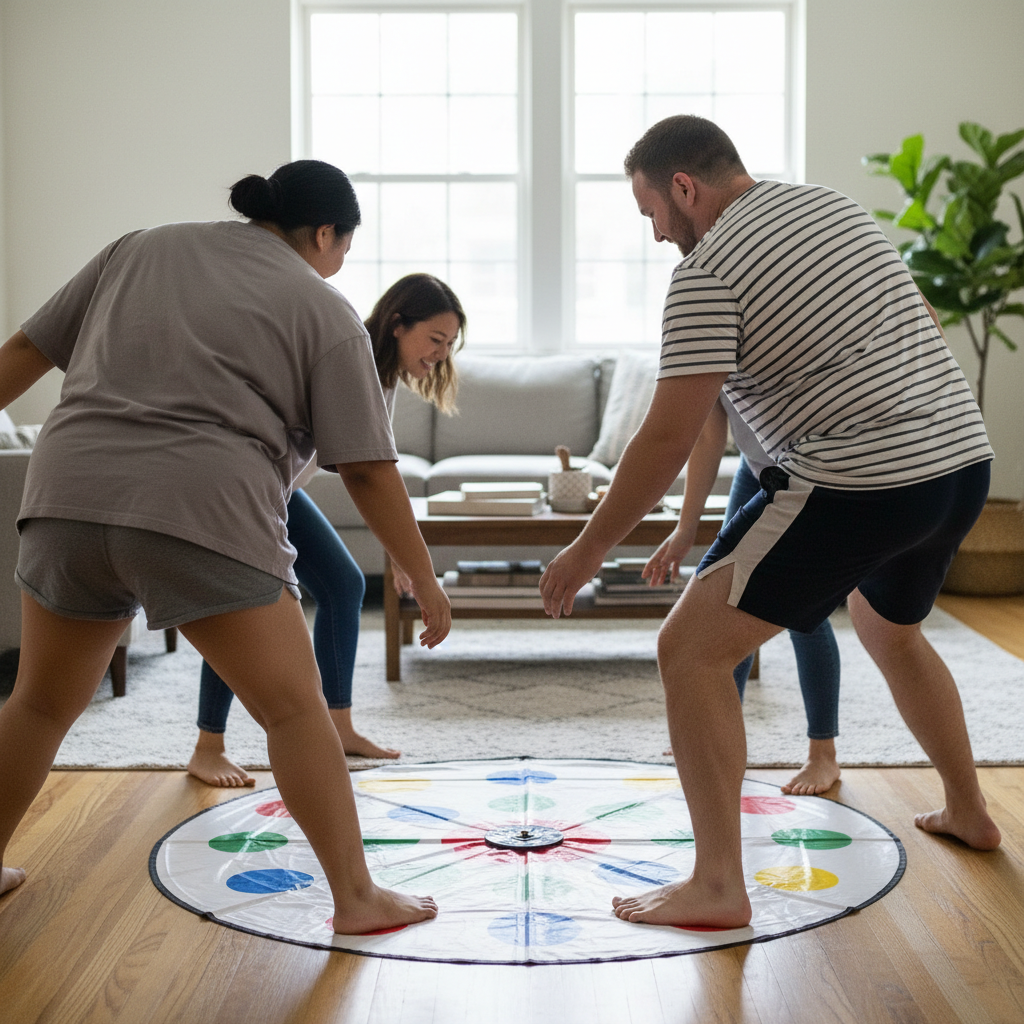
Twister
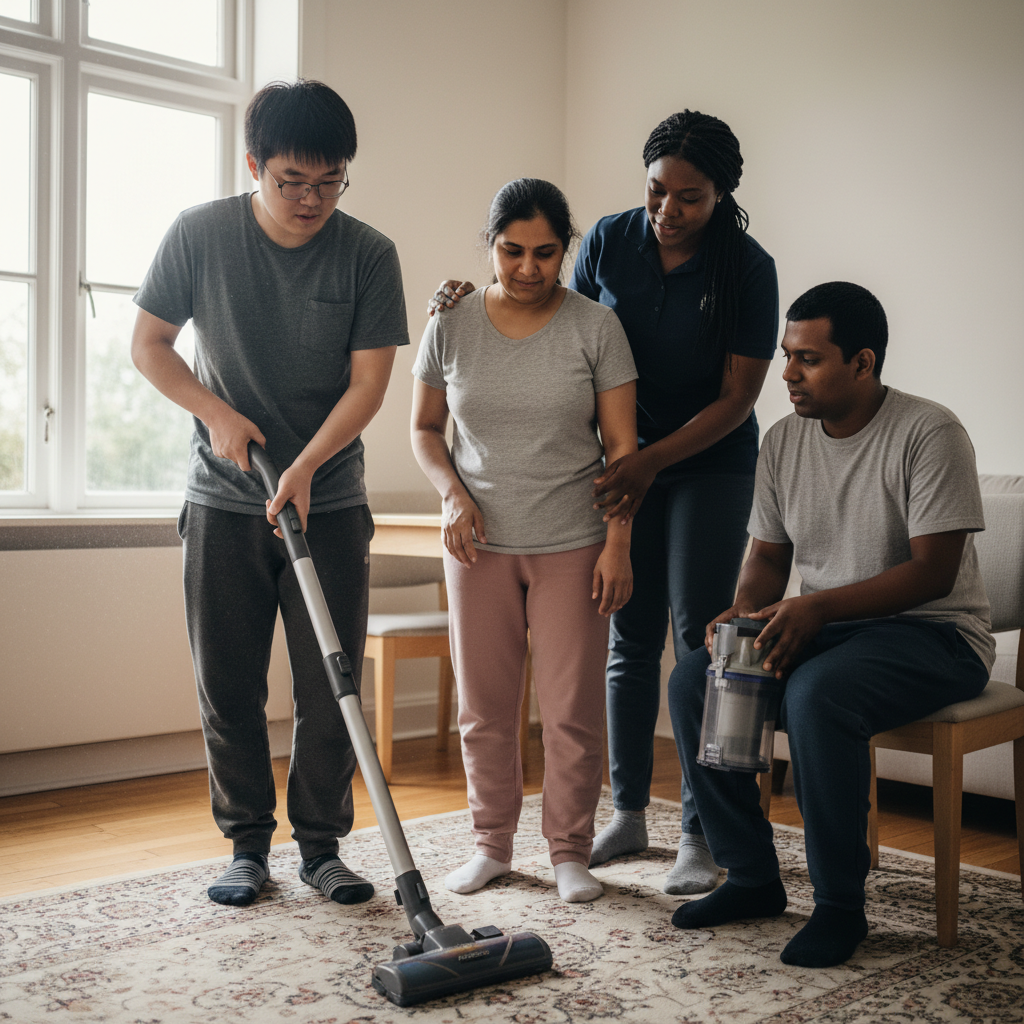
Vacuuming
Vestibular Walk
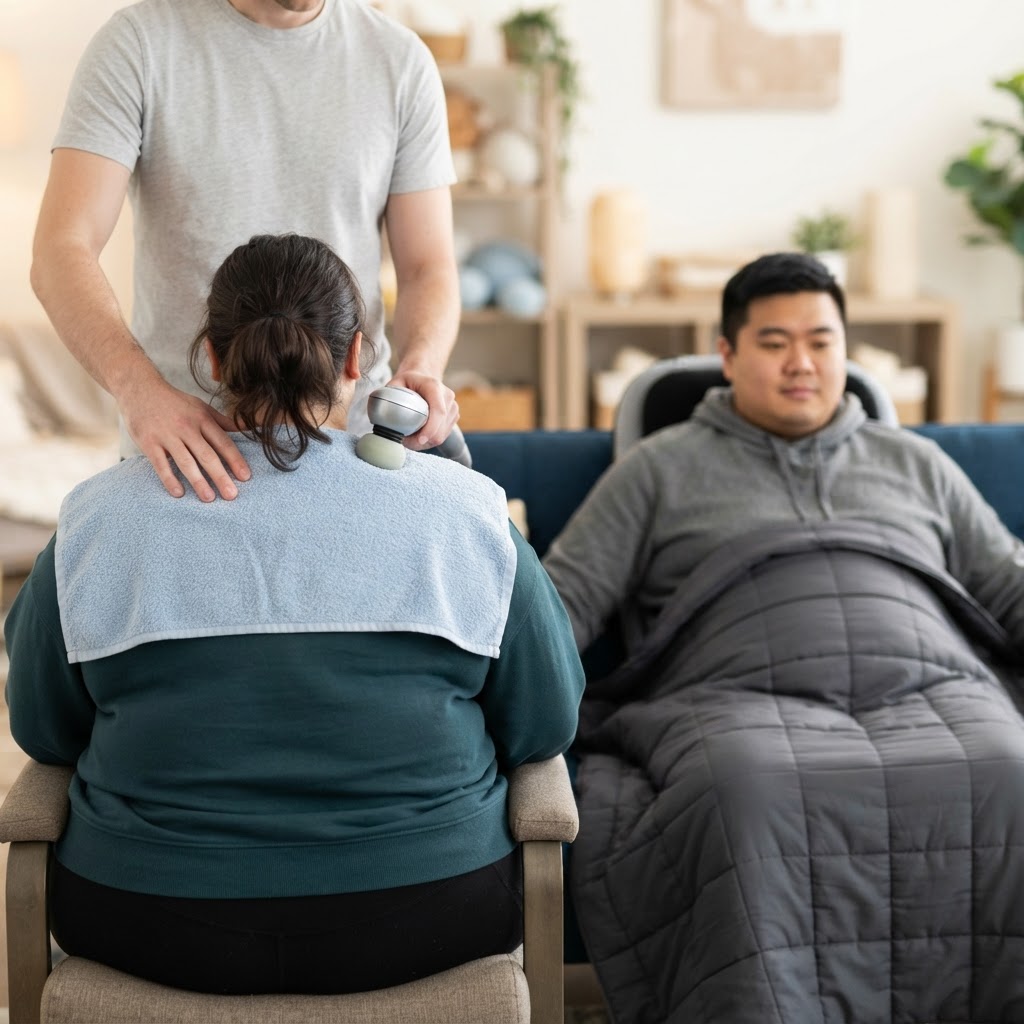
Vibration & Relaxation
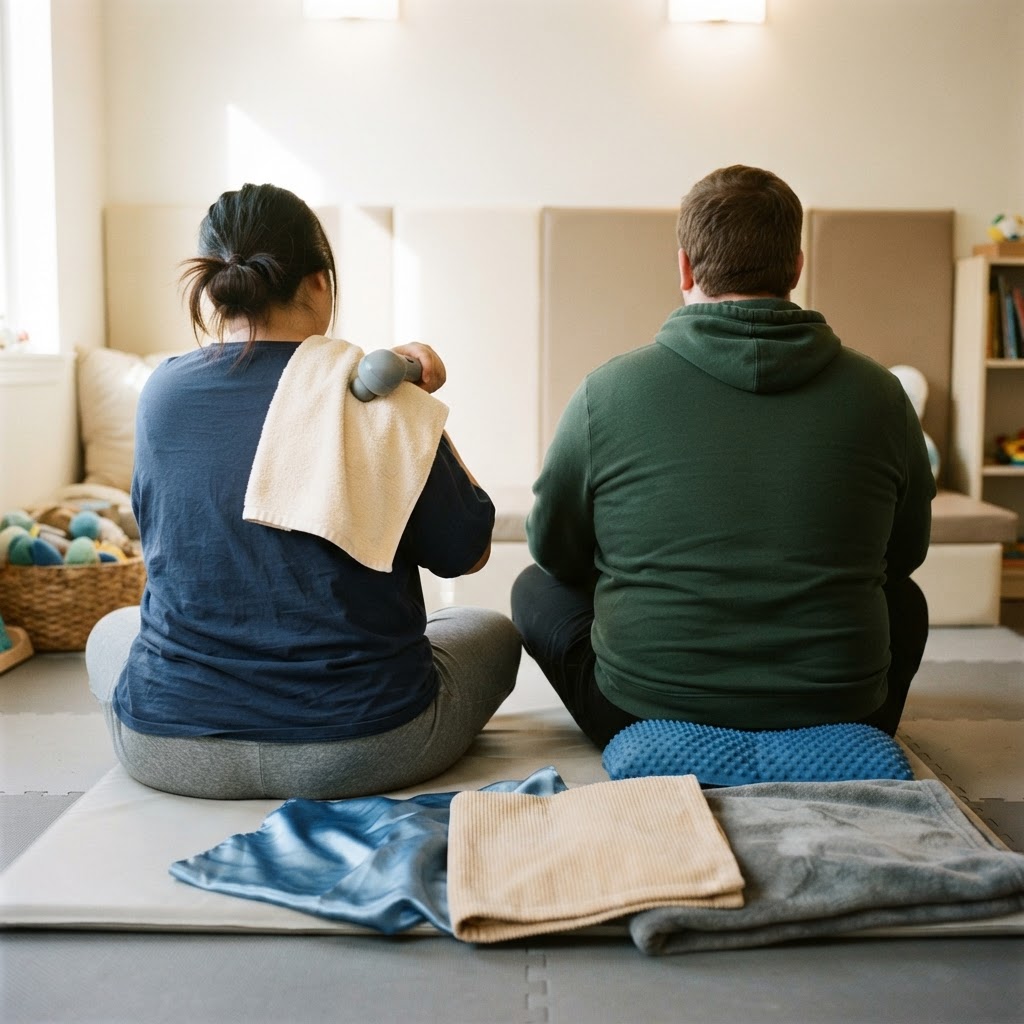
Vibration Discovery
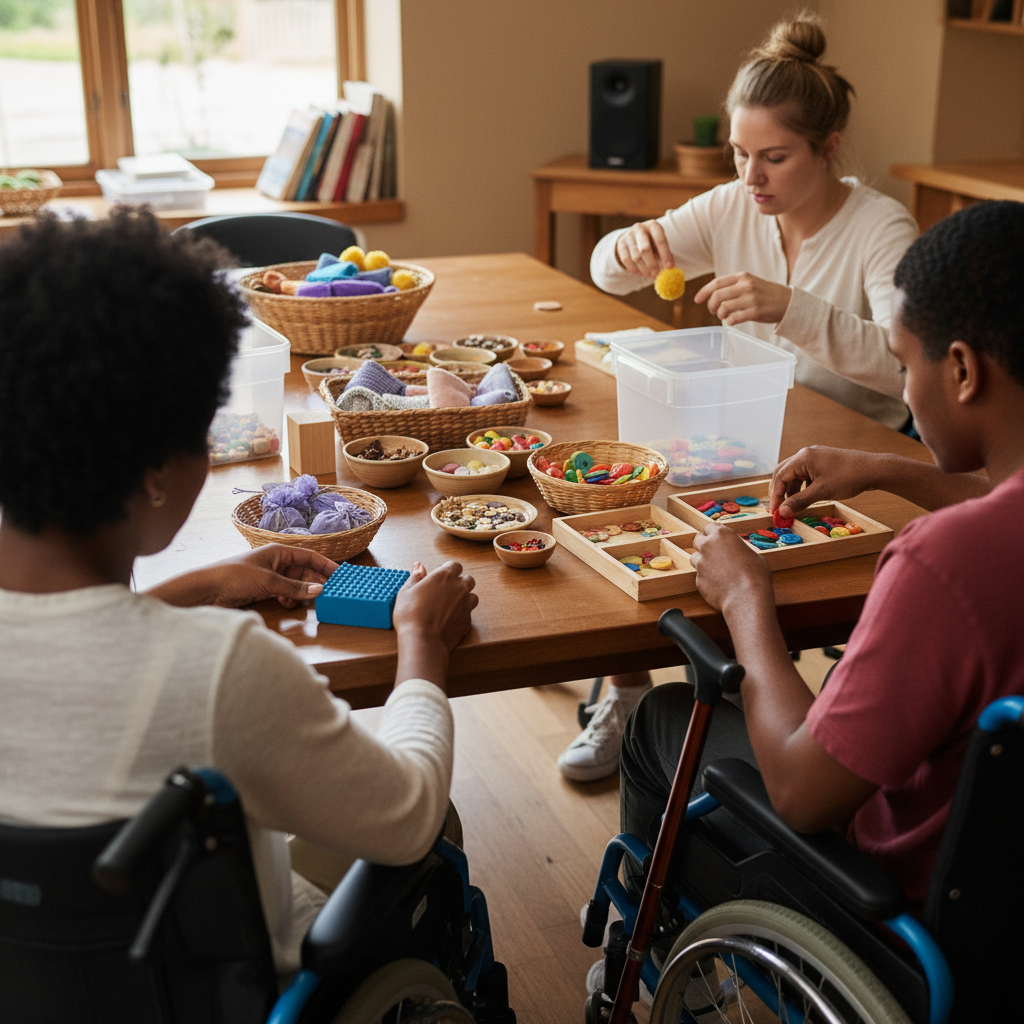
Visual Sorting
Voice Recording

Walk the Dog
Walk with Heavy Backpack
Wall Push Ups
Wall/Rock Climbing
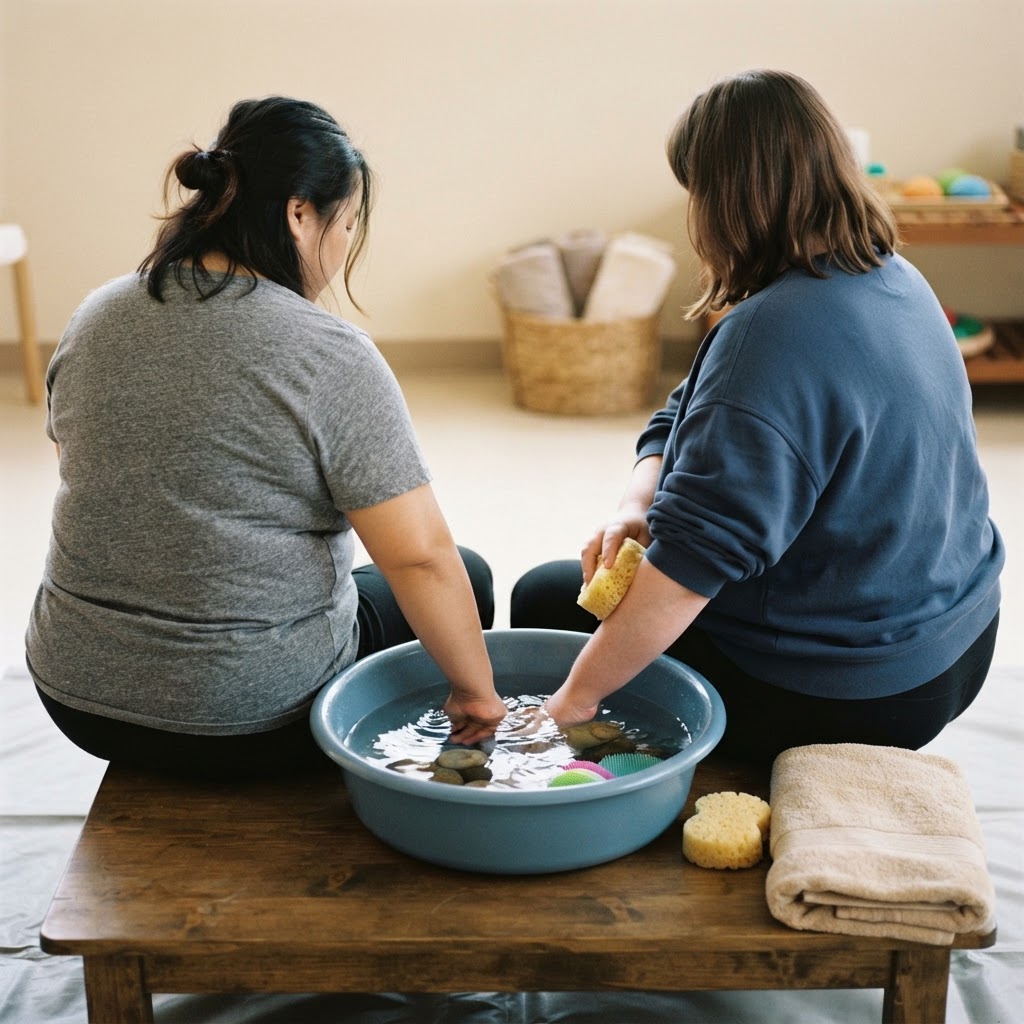
Warm Water Retreat
Wash the Dishes
Washing Car/Bus
Water Aerobics
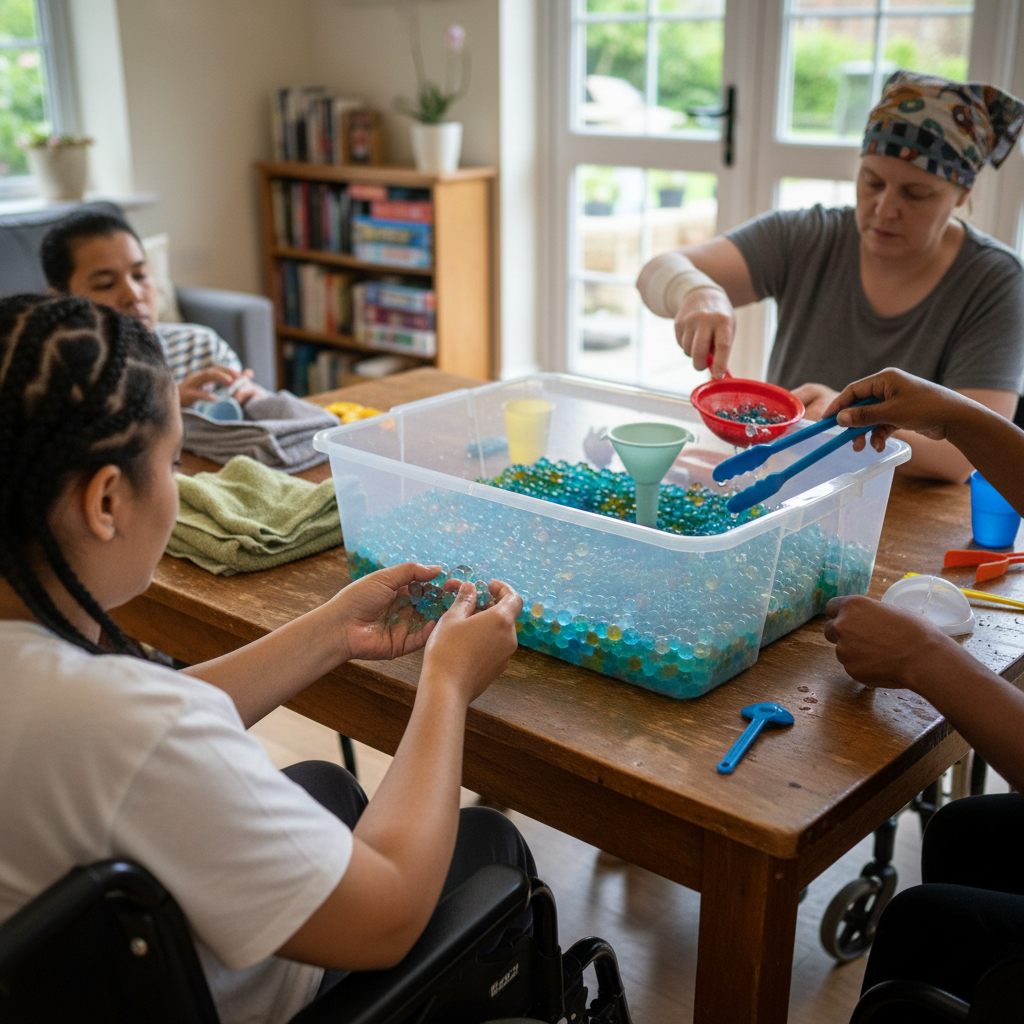
Water Beads
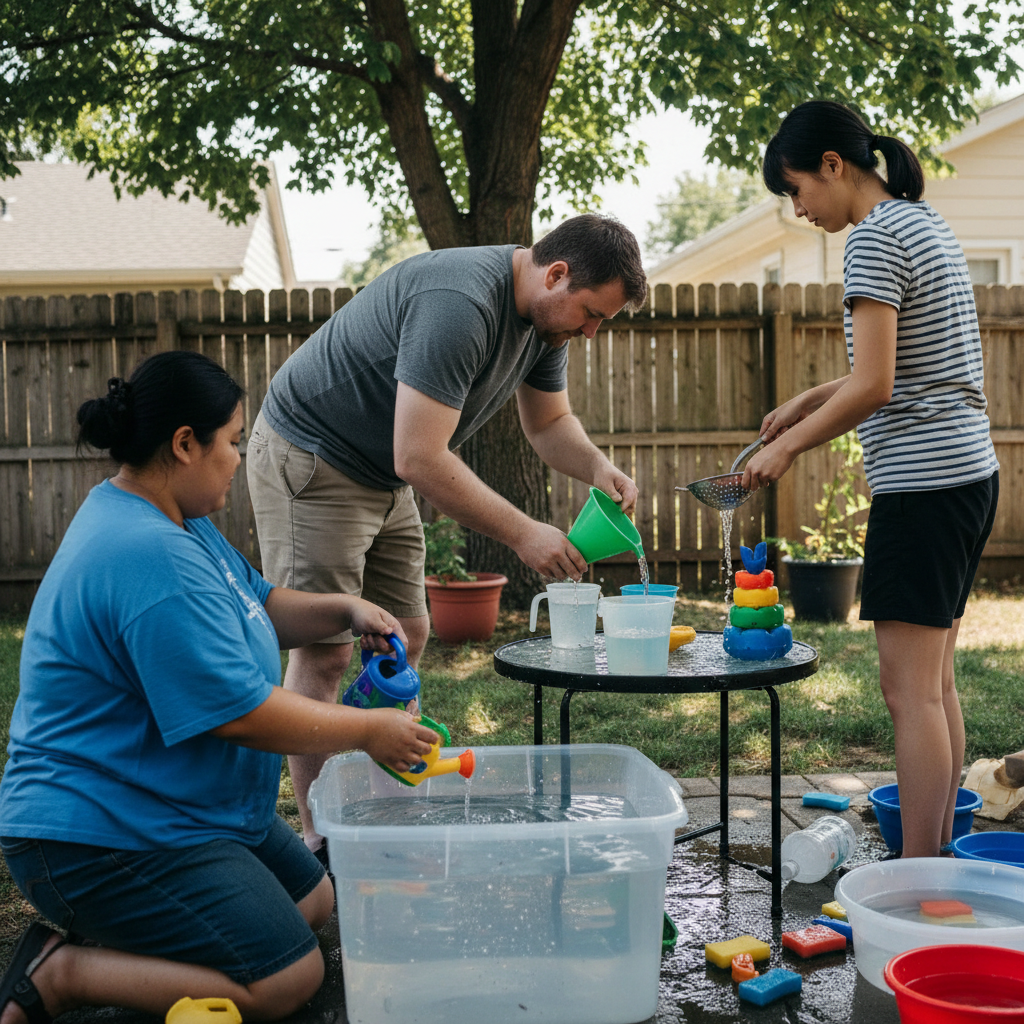
Water Play
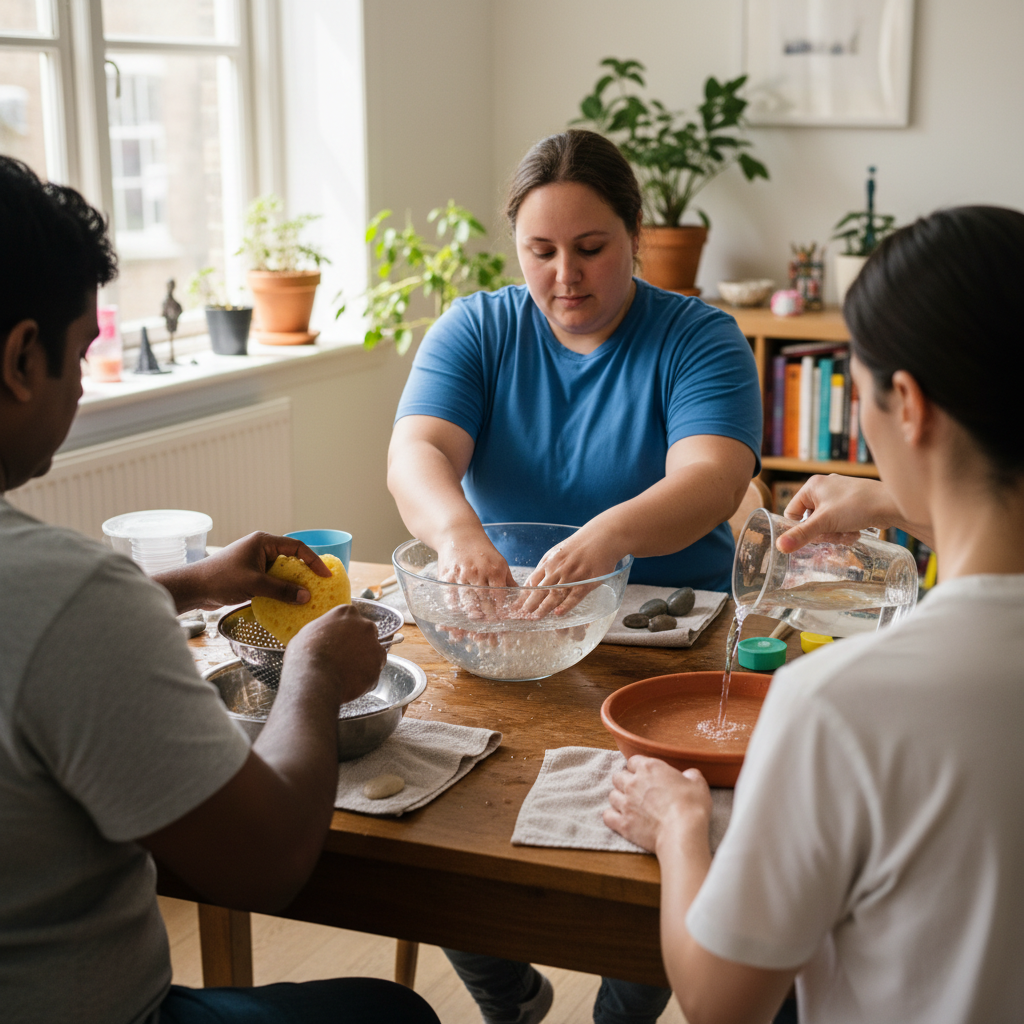
Water Play
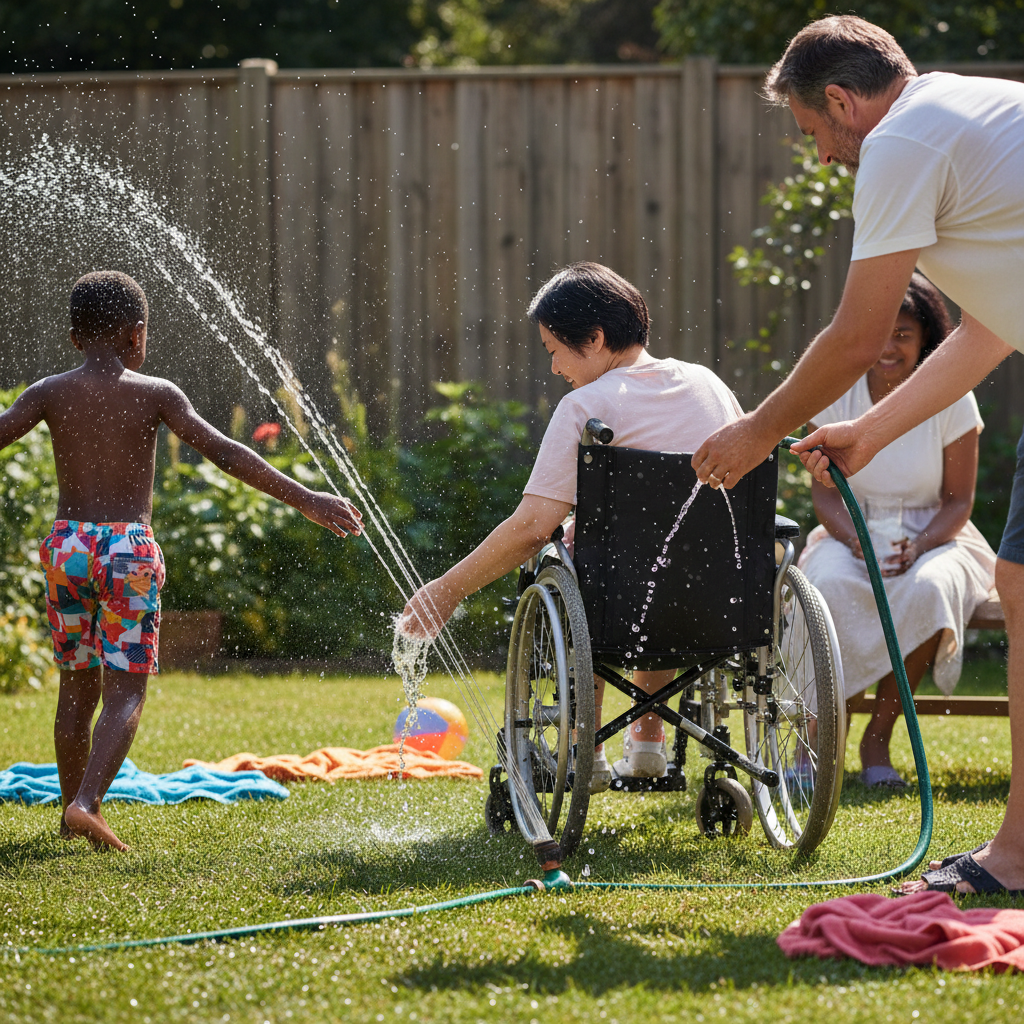
Water Sprinkler
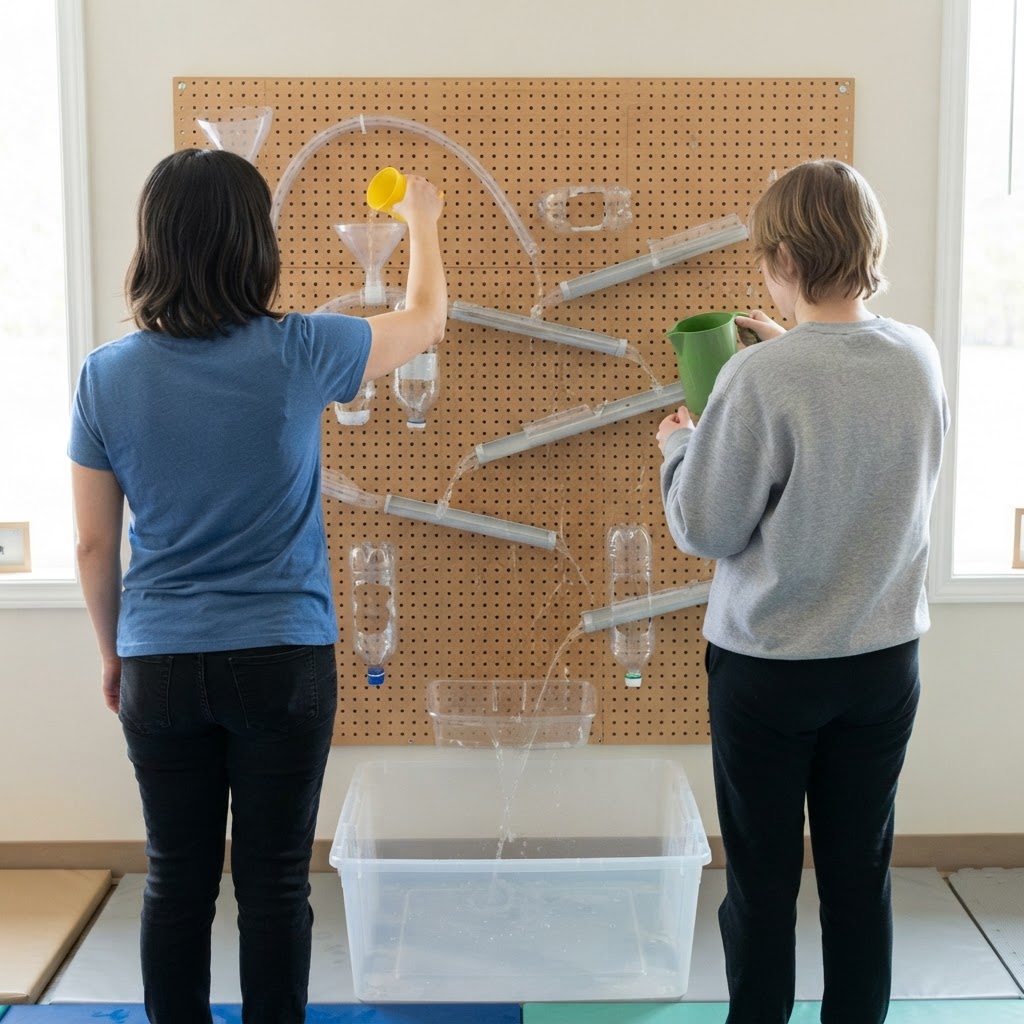
Water Wall
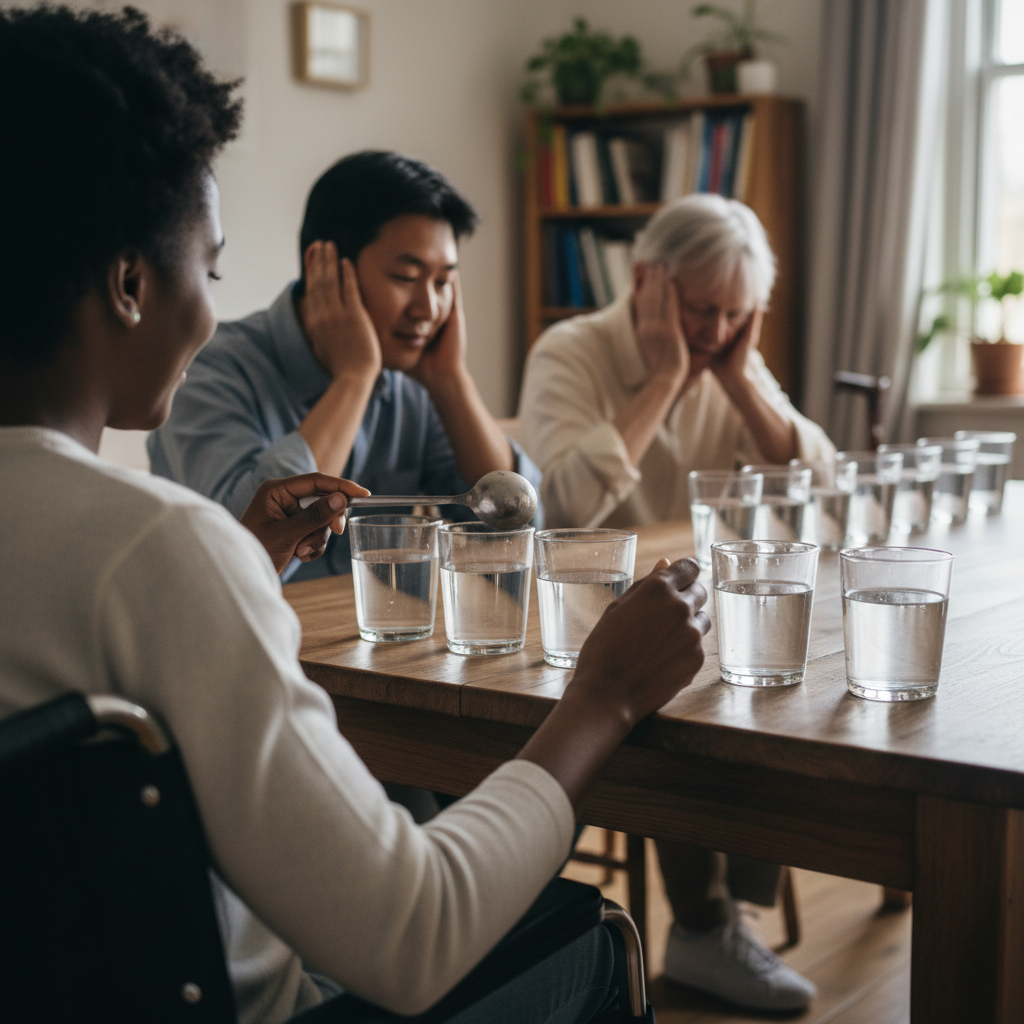
Water Xylophone
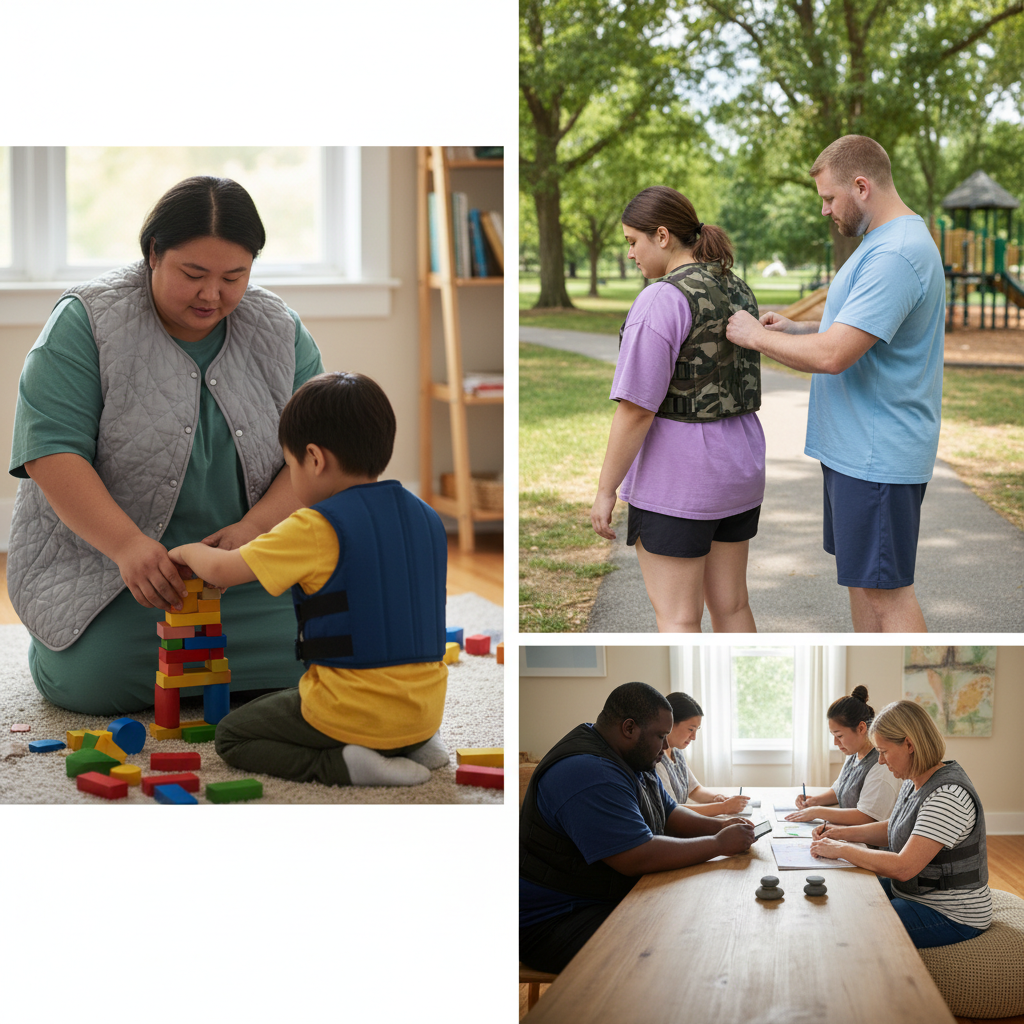
Weighted Vest
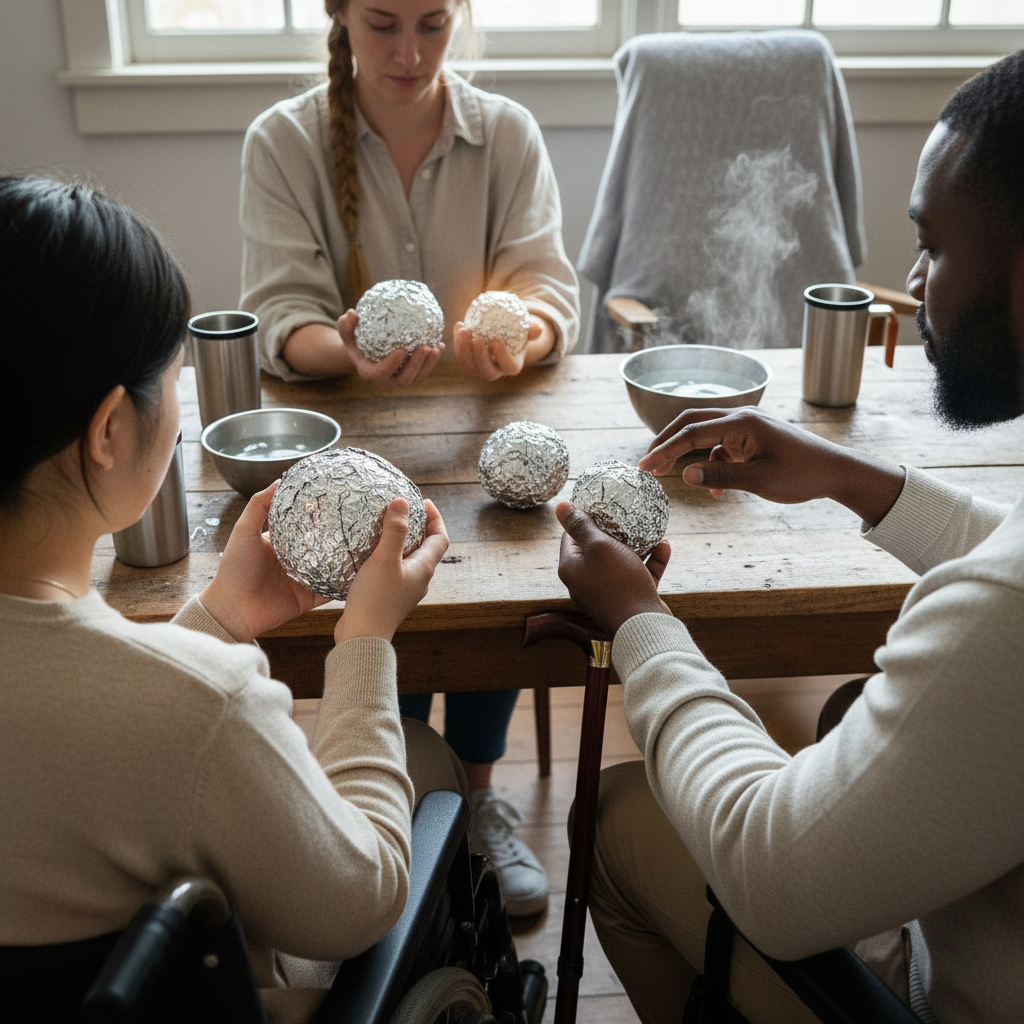
What's The Temperature
Wheelbarrow/Trolley
Wheelchair Obstacle Course
Wheelchair Swing
Whisper Tent
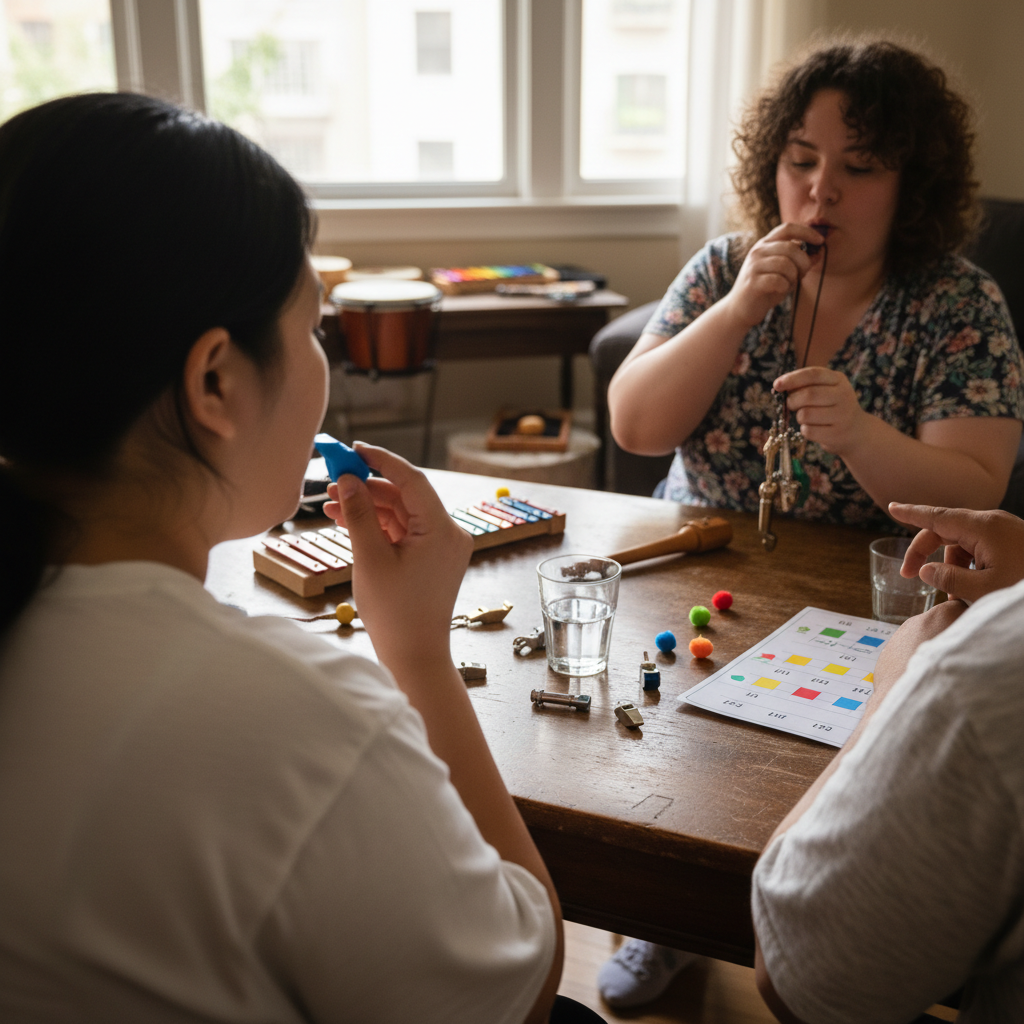
Whistles
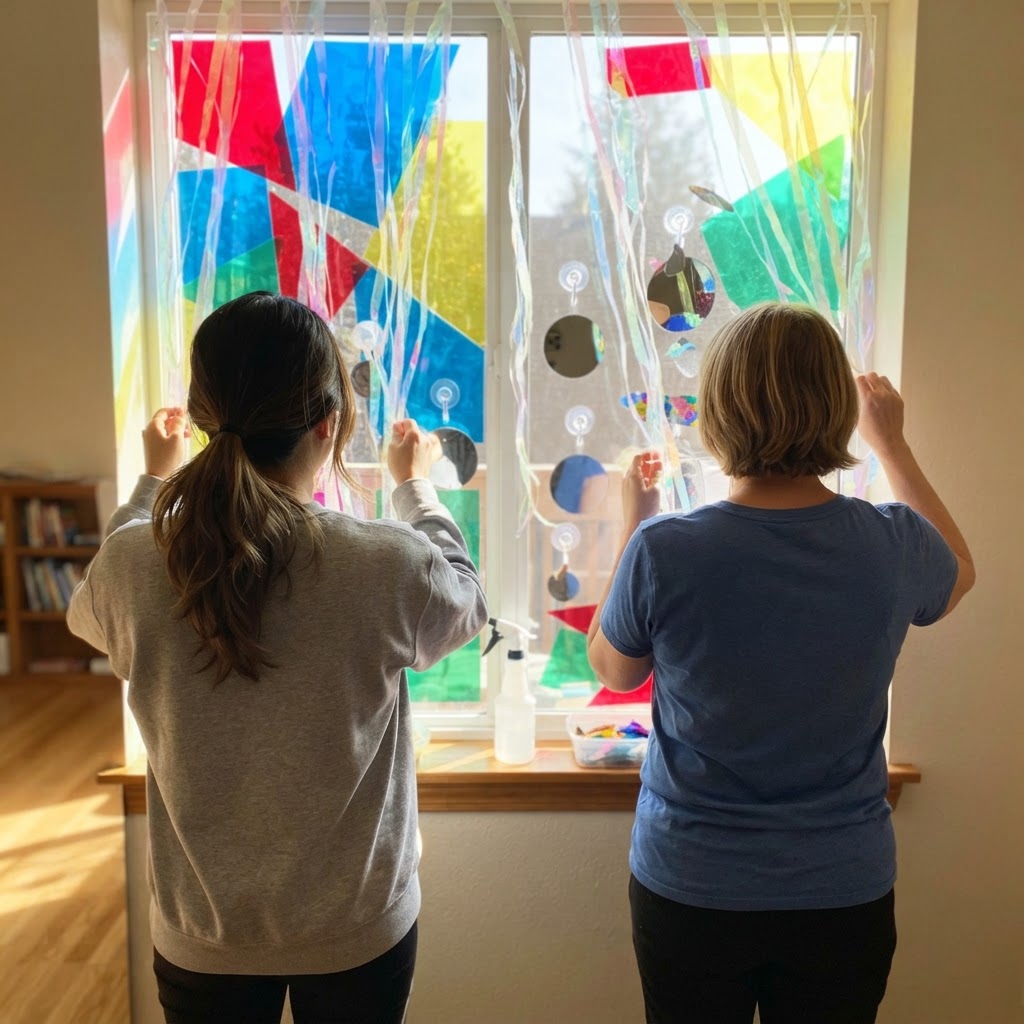
Wonder Window
Yoga
Yoga Stretches
Activities Without Images (36)
✨ Floating Lights
✨ FLOATING LIGHTS
Creating a soothing, ethereal light display to encourage visual tracking and gentle engagement.
ACTIVITY DESCRIPTION
Floating Lights invites the participant into a magical, low-stimulation environment where soft, dancing lights drift across surfaces. By using light sources like fiber optic sprays, LED lanterns, or projection effects, we create a calm atmosphere that invites the eyes to wander and focus, promoting visual exploration in a relaxed, non-demanding way.
SENSORY BENEFITS
VISION: The soft, shifting light patterns encourage smooth visual tracking and sustained gaze, helping to develop ocular motor skills in a soothing manner.
WHAT YOU'LL NEED
• Fiber optic lamp or light wand
• Battery-operated LED tealights or color-changing orbs
• Darkened, quiet room
• Lightweight, translucent fabrics or white sheer curtains
• Mirror or reflective surface
ACTIVITY IDEAS
GENTLE DRIFT: Place fiber optic sprays near the person’s hands or feet so the ends brush against them, creating a gentle tactile sensation alongside the visual stimulation of the glowing tips.
REFLECTIVE DANCE: Position a small LED orb on a mirror or reflective tray to double the light patterns, making the visual field feel larger and more immersive.
FABRIC FILTER: Drape white sheer fabric over an LED light source to soften the intensity of the glow, creating a diffused, dream-like light effect that is easier to process for those with sensory sensitivities.
ADAPTING FOR PEOPLE WITH PROFOUND DISABILITY
• Use a single, slow-moving light source initially to prevent sensory overload.
• Position lights within the person's primary field of vision to reduce the need for head movement.
• Incorporate a switch-adapted light source if the person enjoys taking an active role in turning the lights on and off to reinforce cause-and-effect.
Always observe the person’s responses closely, adjusting the speed, brightness, and proximity of the lights based on their comfort, engagement, and unique sensory preferences.
TIPS
• Ensure the light sources are cool to the touch for safe proximity.
• Keep the environment calm by reducing ambient noise while the lights are in use.
• Use slow-fading color transitions rather than rapid flashing to maintain a restful, therapeutic state.
WHY YOU'LL LOVE THIS ACTIVITY
This activity provides a beautiful, serene way to connect through shared quiet moments, celebrating small visual responses and helping the participant feel calm and present in their environment.
🌊 Ripple Bowl
🌊 Ripple Bowl
A gentle, immersive water play experience to encourage relaxation and sensory exploration.
ACTIVITY DESCRIPTION
Ripple Bowl invites individuals to explore the calming nature of water through gentle movement and light. By creating soft ripples and observing the dancing reflections, users can engage with their environment in a rhythmic, predictable, and soothing manner.
SENSORY BENEFITS
TOUCH: The gentle resistance of water provides tactile feedback that is both grounding and calming for the nervous system. HEARING: The soft splashing and dripping sounds create an auditory environment that is rhythmic and soothing. VISION: The play of light across moving water and shifting reflections provides gentle, non-overwhelming visual stimulation.
WHAT YOU'LL NEED
• Large, shallow, light-colored bowl or basin
• Warm water
• Floating objects (foam shapes, ping pong balls, or smooth stones)
• Waterproof flashlight or submersible LED light
• Soft towel
ACTIVITY IDEAS
Rhythmic Stirring: Use a large spoon to create slow, rhythmic circles in the water, allowing the participant to watch the ripples expand toward the edges of the bowl. Floating Exploration: Place small, colorful objects in the water and gently nudge them, encouraging the participant to watch them bob and drift. Light Play: Submerge a small, waterproof LED light to transform the water into a glowing, shifting pool of color. Gentle Drips: Use a sponge or dropper to create rhythmic drips, focusing on the visual impact of the expanding circular waves.
ADAPTING FOR PEOPLE WITH PROFOUND DISABILITY
• Position the bowl on a secure lap tray or height-adjustable table for optimal viewing access. • Use warm water to encourage muscle relaxation and comfort. • Physically guide their hand to gently pat the water if they require assistance with initiation. • Ensure the lighting in the room is dimmed to enhance the visual effects of the water reflections. Focus on the individual's comfort and emotional response; if they seem startled, slow the pace and allow for longer periods of passive observation.
TIPS
• Always test the water temperature before starting to ensure it is comfortably warm, never hot. • Place a waterproof mat or towel underneath the bowl to catch any spills and keep the area dry. • Keep the bowl stationary if the user is sensitive to unpredictable movement.
WHY YOU'LL LOVE THIS ACTIVITY
This activity provides a beautiful, low-pressure way to connect through the calming power of water, making it perfect for moments where a quiet, sensory-rich experience is needed.
🌸 Flower Float
🌸 Flower Float
A gentle, calming sensory exploration of botanical elements in water.
ACTIVITY DESCRIPTION
Flower Float is a tranquil, immersive activity that invites the participant to explore the delicate textures, colors, and subtle scents of fresh flowers as they drift in a shallow basin of warm water. By engaging with floating blooms, individuals are encouraged to connect with nature through a slow-paced, soothing sensory experience that promotes relaxation and gentle interaction.
SENSORY BENEFITS
SMELL: The natural, subtle fragrance of fresh flowers like lavender or roses provides a gentle olfactory experience. TOUCH: Exploring the soft, velvety petals and cool, smooth water offers contrasting tactile feedback. VISION: The vibrant colors of petals against the water provide a high-contrast, visually stimulating, yet calming focus.
WHAT YOU'LL NEED
• A shallow, watertight tray or sensory bin. • Fresh flowers (e.g., roses, pansies, or daisies). • Warm water. • A waterproof mat for the table or floor. • A soft towel for cleanup.
ACTIVITY IDEAS
PETAL PURSUIT: Gently encourage the participant to reach out and touch the floating petals, watching them ripple across the water. WATER RHYTHM: Use a small cup to pour water over the petals, creating soft splashes that provide auditory feedback. COLOR CONTRAST: Use flowers with bright, contrasting colors to capture visual attention and encourage scanning movements. GENTLE SWIRLS: Use your hand to guide the flowers in slow, circular motions, creating a calming visual pattern on the water surface.
ADAPTING FOR PEOPLE WITH PROFOUND DISABILITY
• Use a shallow tray placed directly on the lap or a height-adjustable table for easier reach. • If grasp is limited, gently guide the person's hand to touch the water and flowers. • Offer a limited number of flowers to prevent overstimulation. • Use battery-operated lights beneath a clear bin to highlight the colors of the petals. Always observe the individual's facial expressions and body language closely to ensure they are enjoying the level of sensory input provided, adjusting the speed and intensity based on their unique responses.
TIPS
• Ensure the water temperature is comfortably warm. • Use organic flowers to ensure safety if there is any chance of mouthing. • Keep the environment quiet to enhance the calming nature of the activity.
WHY YOU'LL LOVE THIS ACTIVITY
Flower Float creates a peaceful sanctuary that connects the individual to the natural world, using simple elements to provide a rich, multi-sensory experience that is easy to customize and highly relaxing.
🍊 Exploring Citrus
💧 Reflection Bowl
💧 Reflection Bowl
A gentle, calming exploration of light, water, and movement.
ACTIVITY DESCRIPTION
The Reflection Bowl is a serene sensory experience designed to invite calm and focused attention. By placing objects inside a bowl of water and illuminating them, you create a captivating play of light and reflection that responds to every ripple or movement.
SENSORY BENEFITS
VISION: The refraction of light through water and the movement of submerged objects provide gentle, rhythmic visual stimulation. TOUCH: Feeling the temperature and texture of the water or the submerged objects offers calming tactile input. HEARING: The soft splashing and dripping sounds provide a soothing auditory background that helps anchor the user in the present moment.
WHAT YOU'LL NEED
• A wide, shallow bowl or clear plastic basin. • Distilled or clean tap water. • Battery-operated submersible LED lights. • Smooth stones, shiny marbles, or reflective floating charms. • A soft towel for spills.
ACTIVITY IDEAS
Light Play: Submerge the waterproof LED lights to make the water glow from within, changing colors to see which hues gain the most focus. Floating Treasures: Place lightweight reflective charms on the surface and use a gentle puff of air or a soft brush to make them dance across the water. Temperature Contrast: Experiment with slightly warm or cool water to provide distinct, safe temperature changes that invite the user to reach out and engage. Rippling Waves: Gently tap the side of the bowl to create rhythmic patterns, encouraging the user to track the movement of the light and ripples with their eyes.
ADAPTING FOR PEOPLE WITH PROFOUND DISABILITY
• Secure the bowl on a non-slip mat to prevent accidental spills or movement. • Bring the bowl close to the person's field of vision by placing it on a stable lap tray. • Use an automatic color-changing LED to remove the need for manual interaction if the person prefers passive observation. • If the person is non-verbal, watch for subtle cues like widened eyes, relaxed breathing, or turning toward the bowl to measure their enjoyment. Always prioritize the person's comfort, stopping if they show signs of overstimulation or disinterest.
TIPS
• Always ensure all electrical components are fully submersible and rated for water use. • Keep the water level shallow to minimize the impact of spills. • Use a dark room to maximize the intensity of the light reflections.
WHY YOU'LL LOVE THIS ACTIVITY
This activity provides a peaceful, low-pressure way to engage the senses, making it an excellent tool for regulation and sensory-based bonding in a quiet environment.
🧽 Sponge Safari
🧽 Sponge Safari
An immersive water and texture exploration.
ACTIVITY DESCRIPTION
Sponge Safari invites participants to dive into a world of tactile discovery, exploring the unique weight, texture, and absorbency of various sponges. By engaging with both dry and water-soaked sponges, individuals can experience significant shifts in sensory input, from light and airy to heavy and saturated.
SENSORY BENEFITS
TOUCH: The varied textures, from coarse scouring pads to soft cellulose, provide rich tactile feedback for the hands and skin. PROPRIOCEPTION: Squeezing saturated sponges offers deep pressure input to the hands and forearms, aiding in body awareness and motor control. VISION: Observing the water release from a squeezed sponge creates a dynamic visual experience that tracks movement and flow.
WHAT YOU'LL NEED
• Assorted sponges of different shapes, sizes, and textures
• A shallow tray or bowl for water
• Warm water with an optional drop of non-toxic food coloring
• A soft towel for cleanup and tactile comfort
ACTIVITY IDEAS
Squeeze and Release: Guide hands to submerge a sponge and squeeze it tightly, focusing on the tactile sensation of water rushing out against the skin. Texture Rubbing: Gently glide different sponges across the palm, back of the hand, or arm to highlight the contrast between scratchy, smooth, and bumpy surfaces. Hide and Seek: Place small, smooth items inside a damp sponge and encourage the participant to pull the sponge apart to discover what is hidden inside. Pattern Painting: Dip flat sponges into thin, non-toxic paint and press them onto large sheets of paper to create simple, repetitive visual patterns.
ADAPTING FOR PEOPLE WITH PROFOUND DISABILITY
• Use soft, oversized sponges that can be easily gripped or rested against the cheek for gentle tactile input.
• Offer sponges that are pre-warmed in water to provide a soothing, temperature-regulated experience.
• Utilize adaptive wrist weights or foam grips on the sponges if the participant has limited hand strength or range of motion.
Always observe the individual's facial expressions and body language closely, adjusting the pressure and temperature of the sponges to match their unique comfort levels and sensory preferences.
TIPS
• Ensure all sponges are thoroughly cleaned and squeezed out between sessions to maintain hygiene.
• Use different water temperatures to see how the participant responds to sensory contrast.
• Keep the environment calm with low lighting to keep the focus purely on the tactile sensation of the sponges.
WHY YOU'LL LOVE THIS ACTIVITY
Sponge Safari is a simple, cost-effective way to provide deep sensory regulation and meaningful exploration, making it a versatile tool for any sensory-inclusive environment.
🪨 River Stones
🪨 River Stones
A tactile and visual exploration of natural stone textures and cool temperatures.
ACTIVITY DESCRIPTION
River Stones invites individuals to explore the grounding weight and smooth surfaces of natural stones. This activity focuses on the quiet discovery of different shapes, sizes, and temperatures, providing a calming sensory experience that connects the user to the natural world.
SENSORY BENEFITS
TOUCH: The smooth, cool surfaces provide tactile stimulation that can be grounding and soothing for the nervous system. VISION: Comparing the variations in color, pattern, and luster of different stones offers gentle visual engagement. PROPRIOCEPTION: Holding the weight of a stone provides deep pressure input that helps improve body awareness and positioning.
WHAT YOU'LL NEED
• A selection of smooth, clean river stones or polished river rocks.
• A shallow tray or wooden bowl.
• A small pitcher of cool water.
• A soft, textured towel.
ACTIVITY IDEAS
Stone Soaking: Place the stones in a shallow tray of cool water to change their temperature and surface feel. Finger Tracing: Slowly guide the user's fingertips over the contours and edges of a large, smooth stone to encourage tactile focus. Weight Placement: Gently place a smooth stone on the palm or forearm to offer a grounding proprioceptive anchor during rest. Sorting and Gathering: If appropriate, offer the stones one by one to encourage reaching, grasping, or simply tracking the movement of the object.
ADAPTING FOR PEOPLE WITH PROFOUND DISABILITY
• Use very large, oversized stones to ensure they are safe and easy to track visually. • Use a shallow, wide tray so the stones are within easy reach for hands or feet. • Place stones on a variety of surfaces, such as a soft fleece blanket or a firm wooden table, to contrast the feeling of the rock against different textures. Always observe the person’s responses to the cooling sensation or weight of the stones, adapting the pace and pressure to match their comfort level and interest.
TIPS
• Ensure all stones are clean, smooth, and free of sharp edges. • If the person is sensitive to cold, let the stones reach room temperature before use. • Always supervise closely to ensure stones remain away from the face and mouth.
WHY YOU'LL LOVE THIS ACTIVITY
This activity is simple, requires minimal setup, and offers a timeless, meditative way to engage the senses using natural materials that provide consistent and comforting feedback.
🫧 Bubble Clouds
🫧 BUBBLE CLOUDS
Creating ethereal, long-lasting bubbles for sensory exploration.
ACTIVITY DESCRIPTION
Bubble Clouds transforms standard bubble play into an immersive, tactile experience by creating thick, durable foam mountains that invite participants to reach out, grasp, and explore rich textures that linger on the skin.
SENSORY BENEFITS
TOUCH: The thick, dense foam provides a gentle, cooling tactile sensation as it is scooped and spread across the hands or arms. VISION: Watching the shifting, iridescent clusters of bubbles creates high-contrast visual stimulation that can be tracked as they move and collapse. PROPRIOCEPTION: Scooping and lifting the foam encourages controlled movement and awareness of the weight of the bubbles against the skin.
WHAT YOU'LL NEED
• Gentle tear-free bubble solution or liquid soap
• Water
• A shallow tray or sensory bin
• A battery-operated foam maker or handheld whisk
• Soft absorbent towels
ACTIVITY IDEAS
FOAM LAYERING: Use a handheld whisk to create a mountain of foam in a tray, then slowly push the bubbles toward the participant to initiate interaction. COLORFUL MISTS: Add a drop of food coloring to the bubble solution to create tinted foam, offering a new visual layer to the exploration. GENTLE APPLICATION: Carefully place a small scoop of foam onto the participant's palm or forearm, allowing them time to feel the bubbles popping and the cooling sensation on their skin.
ADAPTING FOR PEOPLE WITH PROFOUND DISABILITY
• Use a tray positioned on an adjustable table or lap tray to ensure the foam is within the direct line of sight. • If the individual is non-ambulatory, place the tray on a stable elevated surface where their hands can be guided or rested easily into the foam. • Monitor for changes in breathing or facial expressions to gauge comfort with the tactile input. Always prioritize the person's unique interests and sensory preferences, pausing if they show signs of overstimulation.
TIPS
• Ensure the soap used is specifically formulated for sensitive skin to avoid irritation. • Maintain a warm room temperature to keep the sensory experience comfortable throughout the session. • Keep a soft towel nearby to gently pat away excess moisture after the activity concludes.
WHY YOU'LL LOVE THIS ACTIVITY
You will love how this activity turns simple ingredients into a magical, calming landscape that encourages gentle exploration and quiet, mindful interaction for people of all ability levels.
🫧 Bubble Mountain
🫧 Bubble Mountain
A magical, sensory-rich foam adventure.
ACTIVITY DESCRIPTION
Bubble Mountain is an immersive, tactile experience that transforms simple soap bubbles into a giant, towering landscape. This activity encourages deep engagement through the creation of light, airy textures that are safe to touch and explore, providing a soothing yet stimulating environment for those with complex needs.
SENSORY BENEFITS
TOUCH: The soft, ephemeral foam provides a gentle, non-threatening tactile input that can be soothing for those with sensory defensiveness. VISION: The shimmering, translucent quality of the bubbles creates a calming visual feast, especially when light catches the soap film. PROPRIOCEPTION: Reaching for and sweeping through the foam encourages controlled limb movement and spatial awareness.
WHAT YOU'LL NEED
• Mild, tear-free bubble solution or baby shampoo
• A large, shallow basin or sensory tray
• A hand-held electric milk frother or a straw
• Waterproof mats or towels
• Optional: food-grade glitter or unscented dyes
ACTIVITY IDEAS
Mountain Building: Use the frother to build up high peaks of foam, inviting the user to watch the mountain grow. Hand Sweeps: Encourage gentle contact by slowly guiding the user's hand through the airy foam, observing how it pops and collapses. Light Tracking: Place a small light source nearby and move it behind the foam peaks to see how the bubbles refract and change color. Sound Discovery: Gently burst small bubbles near the user’s ears to provide soft, crisp auditory input.
ADAPTING FOR PEOPLE WITH PROFOUND DISABILITY
• Position the tray directly on a lap desk or table to ensure the foam is within the person's primary line of sight. • If touch is uncomfortable, use a soft, dry cloth to gently dab the foam surface instead of direct skin contact. • Use low-frequency, calm background music to complement the visual experience of the popping bubbles. Always monitor for individual preferences and comfort; if the user signals withdrawal, adjust the volume of foam or pause the interaction to allow for self-regulation.
TIPS
• Use warm water to make the foam more comforting. • Keep a damp cloth nearby for quick clean-ups. • Ensure the surface is non-slip for safety.
WHY YOU'LL LOVE THIS ACTIVITY
You will love how Bubble Mountain turns a simple, inexpensive material into a transformative sensory world that is incredibly easy to set up, clean, and tailor to any individual's unique pace and needs.
Citrus Cloud
🍋 Citrus Cloud
A refreshing, multisensory exploration of zest and soft textures.
📝 ACTIVITY DESCRIPTION
Citrus Cloud invites the user to experience the vibrant scent and texture of fresh citrus paired with the gentle, rhythmic motion of soft fabric. This activity is designed to awaken the olfactory and tactile senses while promoting grounding through calming physical input.
🌿 SENSORY BENEFITS
• Provides strong olfactory stimulation through natural citrus oils.
• Offers tactile input through varying textures of fruit skin and soft textiles.
• Encourages focus and engagement through sensory-rich, calming interaction.
🧰 WHAT YOU'LL NEED
• Fresh oranges, lemons, or limes.
• A soft muslin or microfiber cloth.
• A shallow tray or sensory bowl.
• Optional: A soft sensory brush.
▶️ HOW TO RUN THIS ACTIVITY
• Begin by washing the fruit to ensure the skin is clean and safe for contact.
• Gently squeeze the fruit near the user’s nose to release the essential oils, allowing them to take in the scent.
• Use the soft cloth to lightly brush the textured surface of the citrus against the user’s palm or forearm.
• Observe the user’s reaction and adjust the pressure or proximity of the scent accordingly.
♿ WHEELCHAIR & SEATED ADAPTATIONS
• Place the bowl directly on the user’s lap tray for easy reach.
• If seated in a reclined position, hold the fruit slightly above the user to allow the scent to drift downward.
• Secure the cloth to a support arm to allow for independent exploration if motor skills permit.
⚠️ SAFETY CONSIDERATIONS
• Check for any allergies to citrus fruits or essential oils before beginning.
• Ensure fruit is not placed in the mouth to prevent choking hazards.
• Watch for signs of sensory overload, such as turning away or pulling back.
💡 ACTIVITY IDEAS
• Use chilled fruit for a refreshing, temperature-based contrast.
• Slice the fruit to increase the intensity of the citrus scent.
• Roll the whole fruit gently along the user’s shoulders or back for firm pressure.
• Incorporate a soft sensory mitt to wipe the skin with the citrus juice.
📊 GRADED INPUT LEVELS
🌱 VERY GENTLE INPUT
• Keep the fruit whole to maintain a subtle, non-overwhelming scent.
• Use a thick, soft cloth as a barrier between the fruit and skin.
• Provide long, slow, rhythmic strokes to promote relaxation.
🌿 MODERATE INPUT
• Score the peel slightly to release a fresher, more noticeable aroma.
• Use a thinner cloth or direct, gentle contact with the peel texture.
• Vary the speed of the strokes to match the user’s alertness.
🌳 STRONG INPUT
• Squeeze fresh juice onto the cloth for a potent, vibrant olfactory experience.
• Apply slightly firmer pressure when rolling the fruit across the palms or arms.
• Use multiple types of citrus simultaneously to create a complex scent profile.
🧠 SUPPORT TIPS
• Always offer a 'scent check' by holding the fruit at a distance first.
• Follow the user’s lead; if they pull away, offer a break and try a different sensory experience.
• Use a calm, low voice to narrate the sensations being experienced.
❤️ WHY YOU'LL LOVE THIS ACTIVITY
Citrus Cloud is a beautifully simple, budget-friendly way to brighten the atmosphere and provide immediate sensory regulation. Its combination of calming, natural scents and gentle tactile input makes it a perfect tool for de-escalation or sensory transitions.
Citrus Discovery
🍊 EXPLORING CITRUS
A Multi-Sensory Journey with Nature's Most Refreshing Fruits
ACTIVITY DESCRIPTION
Discover the amazing sensory world hidden inside everyday citrus fruits! Smell, squeeze, peel, taste, paint, compare textures, explore colours, and enjoy the refreshing aromas of oranges, lemons, limes, mandarins and grapefruit. This uplifting activity encourages curiosity, relaxation and meaningful sensory experiences that can be adapted for people of all ages and abilities.
SENSORY BENEFITS
SMELL
Fresh citrus provides strong, distinctive aromas that are naturally stimulating and uplifting. Compare the sweet fragrance of oranges with the sharper aroma of lemons or the refreshing scent of limes and mandarins.
TOUCH
Explore the smooth, cool, slightly bumpy skin of citrus fruits. Peel the fruit, feel the juicy segments, gently squeeze them, or rub the peel between your fingers. Whole fruit can also be gently rolled or rubbed over the hands and forearms.
TASTE
Enjoy tasting a variety of citrus fruits and compare sweet, tangy and sour flavours. Freshly squeezed juice can also be sampled or added to water.
VISION
Observe the bright colours, shiny skins, juicy segments and beautiful patterns inside each fruit. Compare the different sizes, colours and shapes.
PROPRIOCEPTION
Peeling fruit, pulling apart segments, squeezing citrus and using a hand juicer provide enjoyable resistance that strengthens the muscles of the hands and fingers.
HEARING
Listen to the gentle sounds of peeling, squeezing, cutting and juicing the fruit.
WHAT YOU'LL NEED
• Oranges
• Mandarins
• Lemons
• Limes
• Grapefruit (optional)
• Cutting board
• Knife (staff use if required)
• Bowls or trays
• Paper towels
• Hand juicer (optional)
• Paint and paper
• Citrus scented moisturiser
ACTIVITY IDEAS
Smell Exploration
Invite participants to smell whole fruit, freshly peeled fruit and squeezed peel. Compare which aromas are strongest, sweetest or most refreshing.
Texture Discovery
Feel the rough peel, smooth skin and juicy flesh. Gently rub whole fruit or peel over the hands and forearms if this is enjoyable.
Juice Exploration
Squeeze citrus by hand or use a juicer. Watch the juice flow and enjoy tasting freshly squeezed juice.
Citrus Painting
Cut citrus fruit in half and dip it into paint to create colourful citrus prints. Experiment with different fruits and colours to create interesting artwork.
Taste Exploration
Compare sweet oranges, tangy mandarins, sour lemons and refreshing limes. Notice how each fruit tastes different and the facial expressions they create.
Citrus Treats
Enjoy citrus-inspired foods such as:
• Orange cake
• Lemon drizzle cake
• Lemon slice
• Mandarin segments
• Orange jelly
• Citrus yoghurt
• Fresh fruit salad
Citrus Moisturiser
Finish the activity by applying a citrus-scented moisturiser to the hands and forearms while enjoying the lingering fresh aroma.
ADAPTING FOR PEOPLE WITH PROFOUND DISABILITY
This activity can be easily adapted by bringing the sensory experience directly to the person.
• Hold freshly cut citrus close enough to enjoy the aroma.
• Gently place whole fruit, peel or juicy segments into the person's hands.
• Lightly rub citrus peel over the hands or forearms if this is enjoyable.
• Support the person to squeeze fruit and experience the resistance and flowing juice.
• Offer tiny tastes of citrus juice where safe and appropriate.
• Encourage visual tracking while peeling or cutting brightly coloured fruit.
• Assist with pressing citrus fruit into paint to create colourful prints.
• Finish with a gentle hand or arm massage using citrus-scented moisturiser.
Always follow the person's interests, preferences and responses. Some people may enjoy only one sensory experience, while others may enjoy exploring every aspect of the activity.
TIPS
• Offer several different citrus fruits to compare.
• Allow plenty of time to smell before tasting.
• Encourage exploration rather than focusing on completing tasks.
• Try the activity indoors or outdoors.
• Observe which sensory experiences the participant enjoys most and repeat these in future sessions.
• Share freshly squeezed juice or citrus treats with others to encourage social interaction and enjoyment.
WHY YOU'LL LOVE THIS ACTIVITY
Who would have thought such a simple idea could offer so many wonderful sensory experiences? Citrus fruits provide colour, texture, aroma, taste, movement and creativity in one joyful activity. Whether smelling, squeezing, painting, tasting or simply enjoying the refreshing scents, this activity offers endless opportunities for exploration, relaxation and meaningful engagement.
Citrus Discovery
Gentle Breeze
🌬️ GENTLE BREEZE
A calming sensory experience using soft moving air, flowing ribbons and gentle natural scents to encourage quiet moments of curiosity, relaxation and connection.
ACTIVITY DESCRIPTION
Gentle Breeze is a wonderfully calming activity that uses soft airflow to create movement, coolness and gentle sensory experiences. A handheld fan or battery-operated fan is used to move ribbons, feathers, lightweight fabrics or natural scents through the air, creating an experience that is both relaxing and captivating.
Unlike many activities that require active participation, Gentle Breeze simply invites the person to watch, feel and enjoy. Even people who rarely engage may respond by watching ribbons dance, smiling as cool air touches their face or reaching towards the moving objects.
This is an ideal activity for creating calm moments, encouraging shared attention and gently introducing sensory experiences without placing demands on the participant.
SENSORY BENEFITS
🌬 Touch
Soft moving air provides gentle tactile input across the skin that may be calming, refreshing and alerting depending on the individual's preferences.
👀 Vision
Flowing ribbons, feathers and lightweight fabrics encourage visual tracking and sustained attention as they gently move through the air.
👂 Hearing
The quiet sound of moving ribbons or a gentle fan creates soft background auditory input without overwhelming the senses.
💚 Emotional Regulation
The slow, rhythmic movement of air and objects often promotes relaxation, reduces tension and creates opportunities for peaceful shared experiences.
WHAT YOU'LL NEED
- Handheld fan, battery-operated fan or paper fan
- Long colourful ribbons
- Lightweight scarves
- Soft feathers
- Pinwheels (optional)
- Fresh herbs or lavender sachets (optional)
- Comfortable seating or positioning equipment
ACTIVITY IDEAS
🌈 Ribbon Dance
Allow long ribbons to float and dance through the air while encouraging the person to watch or reach towards them.
🪶 Feather Float
Gently carry feathers through the air using the breeze, allowing them to drift slowly onto hands, arms or laps.
🌿 Scented Breeze
Place fresh lavender, mint, rosemary or citrus peel near the airflow so subtle natural aromas drift gently towards the participant.
☁️ Breeze & Scarves
Float lightweight scarves above or beside the person, creating slow, graceful movement.
🌻 Nature Breeze
Sit outdoors on a calm day and enjoy the natural breeze moving leaves, grasses and flowers together.
ADAPTING FOR PEOPLE WITH PROFOUND DISABILITY
- Position the person comfortably with a clear view of the moving objects.
- Introduce airflow gradually and observe their response.
- Move ribbons or feathers slowly rather than quickly.
- Allow the breeze to gently pass across the hands before introducing it near the face.
- Follow the person's reactions and adjust the activity to suit their comfort.
- Watch for subtle signs of enjoyment such as eye tracking, smiling, relaxed breathing, reaching or vocalisations.
SUPPORT WORKER TIPS
- Less is often more.
- Keep movements slow, smooth and predictable.
- Pause regularly to allow the person time to process what they are seeing and feeling.
- Follow the person's gaze and interests.
- Share the experience by smiling, commenting gently and enjoying the moment together.
- Outdoor breezes often provide the richest and most natural sensory experience.
SAFETY
- Avoid directing strong airflow into the eyes.
- Ensure feathers or ribbons cannot wrap around the neck.
- Monitor for discomfort if using scented materials.
- Secure long ribbons if outdoors on windy days.
- Supervise throughout the activity.
WHY YOU'LL LOVE THIS ACTIVITY
Gentle Breeze is a beautifully simple activity that transforms something we often take for granted—the feeling of moving air—into a calming multisensory experience. The combination of flowing movement, gentle touch and quiet shared observation creates opportunities for relaxation, curiosity and connection, especially for people who rarely initiate interaction. With very little equipment and almost no preparation, it can become a favourite activity that invites participation without ever demanding it.
Geoff23
My Next Step
Mystery Box
📦 MYSTERY BOX
Explore tactile sensations and anticipate surprises through hidden objects.
📝 ACTIVITY DESCRIPTION
• The Mystery Box activity is an engaging exploration task where participants reach into a container to identify hidden objects by touch alone. It encourages curiosity, helps build tactile discrimination, and offers a fun way to practice focus and engagement.
• By hiding everyday items inside a darkened box or opaque bag, you provide a safe environment for sensory exploration that avoids visual overwhelm, allowing the individual to focus entirely on the physical feedback of the textures.
🌿 SENSORY BENEFITS
• Enhances tactile processing and discrimination.
• Promotes focus, attention, and sensory anticipation.
• Develops hand-eye coordination if the object is retrieved and inspected visually.
• Encourages fine motor exploration through grasping and manipulating textures.
🧰 WHAT YOU'LL NEED
• A sturdy box with a hand-sized hole or a thick opaque fabric bag.
• A variety of objects with distinct textures (e.g., velvet, wood, metal, soft fur, textured rubber).
• A soft mat or table surface for displaying found items.
▶️ HOW TO RUN THIS ACTIVITY
• Place the mystery items inside the box or bag while the participant is watching to establish trust.
• Position the box at an accessible height and invite the participant to reach inside one hand at a time.
• Encourage them to describe what they feel or guess what the object might be before pulling it out.
• Once the object is revealed, allow time for the participant to hold, feel, or look at the item to reinforce the sensory connection.
♿ WHEELCHAIR & SEATED ADAPTATIONS
• Secure the box to the tray of a wheelchair or a lap desk using non-slip matting to ensure it remains stable during exploration.
• Adjust the angle of the box so the opening faces the participant directly, minimizing the range of motion required to reach inside.
• If reaching is difficult, bring the mystery box to the participant and gently guide their hand to the opening or place the object in their palm.
⚠️ SAFETY CONSIDERATIONS
• Ensure all objects used are safe for mouthing, as participants may naturally explore items with their mouths.
• Avoid sharp or small items that pose a choking hazard.
• Monitor for signs of sensory defensiveness; if the participant pulls away, offer a less stimulating texture or pause.
💡 ACTIVITY IDEAS
• Theme your boxes: use nature items, kitchen tools, or seasonal decorations.
• Use scented items like cinnamon sticks or dried herbs to add an olfactory layer.
• Place cold or warm objects inside to introduce thermal sensation.
• Hide matching pairs in two separate boxes for a tactile memory game.
📊 GRADED INPUT LEVELS
🌱 VERY GENTLE INPUT
• Use soft, familiar fabrics (cotton, silk) inside the box.
• Keep the opening large so the hand does not feel constricted.
• Limit the box to only one or two items to reduce complexity.
🌿 MODERATE INPUT
• Use a mix of smooth and slightly textured surfaces (wood, plastic, foam).
• Encourage identifying two different objects in one session.
• Introduce a light vibration or auditory chime when an item is touched.
🌳 STRONG INPUT
• Use high-contrast textures like rough sandpaper, heavy metal, or dense prickly materials.
• Challenge the participant to identify items by touch without pulling them out of the box.
• Use items with complex shapes or varying temperatures to maximize sensory feedback.
🧠 SUPPORT TIPS
• Always follow the participant's pace; never force a hand into the box.
• Use the participant's preferred communication style to ask what they feel.
• Offer verbal cues or gentle physical prompts if the participant seems hesitant.
• Praise the effort of exploring rather than the accuracy of identifying the object.
❤️ WHY YOU'LL LOVE THIS ACTIVITY
• This activity is a fantastic, low-cost way to spark joy and curiosity, turning a simple tactile exercise into a meaningful game that honors the individual's unique sensory preferences and communication style.
Nature Basket
🧺 Nature Basket
A tactile and olfactory exploration of natural textures.
📝 ACTIVITY DESCRIPTION
• The Nature Basket invites the participant to explore a collection of natural, tactile items. This activity encourages sensory curiosity and grounding through engagement with diverse textures and scents found in the outdoors.
🌿 SENSORY BENEFITS
• Enhances tactile discrimination by exploring smooth, rough, soft, and prickly surfaces. • Provides olfactory stimulation through natural scents like pine, dried lavender, or earth. • Promotes grounding and regulation through the calming, predictable nature of organic materials.
🧰 WHAT YOU'LL NEED
• A sturdy woven basket. • Assorted natural items: pinecones, smooth river stones, dried leaves, soft moss, or driftwood. • Optional: fragrant herbs like rosemary or dried lavender. • A tray for easy cleanup.
▶️ HOW TO RUN THIS ACTIVITY
• Place the basket on a stable table or the participant's lap tray. • Gently guide the participant's hand to touch an item, describing its texture using simple, descriptive language. • Allow ample time for the participant to respond to each texture. • Observe for signs of interest or withdrawal, adjusting the selection based on their reactions.
♿ WHEELCHAIR & SEATED ADAPTATIONS
• Secure the basket directly onto a lap tray or use a non-slip mat to prevent it from sliding. • Position the basket at eye level or within easy reach to accommodate limited range of motion. • If the participant has increased muscle tone, place items individually on a flat surface rather than inside a deep basket.
⚠️ SAFETY CONSIDERATIONS
• Ensure all items are non-toxic, clean, and free of sharp edges that could pierce or scratch. • Supervise closely to prevent mouthing or choking on small natural debris. • Check for known allergies to specific plants, pollens, or essential oils before introducing.
💡 ACTIVITY IDEAS
• Create a 'scented' basket using aromatic woods and dried flowers. • Sort items by category: hard vs. soft, or smooth vs. rough. • Use large, oversized items like pumpkins or large smooth gourds for visual focus. • Incorporate a 'hidden' treasure hunt where the participant searches for a specific object buried under leaves.
🌱 VERY GENTLE INPUT
• Offer only one or two items with very soft textures like moss or silk-like petals. • Hold the items near the participant’s hands without requiring active reaching. • Maintain a quiet environment with minimal distractions.
🌿 MODERATE INPUT
• Present a mix of textures such as pinecones and smooth stones. • Encourage the participant to grasp and release items. • Integrate descriptive verbal cues like 'smooth' or 'scratchy'.
🌳 STRONG INPUT
• Introduce items with more intense tactile profiles like rough tree bark or heavy river rocks. • Encourage deep pressure by pressing items firmly into the palm of the hand. • Use a larger quantity of items to allow for more robust manipulation and exploration.
🧠 SUPPORT TIPS
• Follow the person's lead; if they pull away from a texture, honor their preference immediately. • Provide extra wait time for the person to process the sensory input before moving to the next item. • Offer choice by presenting two items and watching which one they reach toward or gaze at.
❤️ WHY YOU'LL LOVE THIS ACTIVITY
• You will love Nature Basket for its simplicity and the way it brings the calming, grounding elements of the outdoors into any indoor space, offering a peaceful way to connect and regulate.
Ocean Bowl
🌊 Ocean Bowl
Immersive, multi-sensory water exploration
📝 ACTIVITY DESCRIPTION
Ocean Bowl transforms a simple container into a deep-sea sensory experience, focusing on tactile exploration and visual tracking through water and submerged textures.
• It is designed to soothe the nervous system through the rhythmic, calming properties of water and gentle tactile feedback.
🌿 SENSORY BENEFITS
• Tactile: Exploration of temperature and submerged textures.
• Visual: Tracking movement of light and floating objects.
• Proprioceptive: Controlled arm movements and depth perception.
• Auditory: Rhythmic splashing and movement sounds.
🧰 WHAT YOU'LL NEED
• A wide, sturdy shallow bin or bowl.
• Warm water.
• Floating items (sponges, plastic sea creatures, rubber ducks).
• Submersible LED lights (optional).
• Towels for spill management.
▶️ HOW TO RUN THIS ACTIVITY
• Place the bowl on a secure table or stable surface within comfortable reach.
• Fill the bowl with warm water and gently place the objects inside.
• Sit alongside the participant and begin by slowly running your hands through the water to demonstrate the activity.
• Encourage the person to reach in at their own pace, observing their reaction to the texture and temperature.
♿ WHEELCHAIR & SEATED ADAPTATIONS
• Place the bowl on a lap tray or a height-adjustable table positioned at elbow level.
• Use a non-slip mat under the bowl to prevent sliding.
• For individuals with limited reach, move the bowl closer or use a larger, shallower tray.
⚠️ SAFETY CONSIDERATIONS
• Monitor water temperature closely to ensure it is comfortably warm, never hot.
• Always supervise to prevent splashing into eyes or accidental ingestion of items.
• Ensure all materials are large enough to avoid choking hazards.
💡 ACTIVITY IDEAS
• Add a drop of blue food coloring for visual interest.
• Introduce bubble bath for a foamy, multi-textured layer.
• Place smooth stones at the bottom for varied tactile input.
• Use warm-scented essential oils like lavender for an olfactory layer.
📊 GRADED INPUT LEVELS
🌱 VERY GENTLE INPUT
• Use just warm water without objects.
• Keep the water level shallow.
• Support the person's hand with yours for comfort.
🌿 MODERATE INPUT
• Add one or two large, soft floating sponges.
• Introduce soft, rhythmic splashing movements.
• Use a single color-changing LED light.
🌳 STRONG INPUT
• Use varied textures like scrubby sponges and smooth plastic.
• Increase the volume of water for greater resistance.
• Add multiple light sources and varied sizes of floating items.
🧠 SUPPORT TIPS
• Follow the person's lead; if they pull away, stop and observe for signs of over-stimulation.
• Offer sensory choices by presenting different objects and waiting for a gaze or touch.
• Keep the pacing slow and rhythmic to promote relaxation.
❤️ WHY YOU'LL LOVE THIS ACTIVITY
• You will love how quickly Ocean Bowl can shift the atmosphere of a room, providing a quiet, restorative space that invites curiosity and deep, regulated engagement for people of all abilities.
Play cards with Mum
Play cards with Mum
Prism Adventure
🌈 Prism Adventure
Explore light, color, and reflection through a multisensory visual journey.
📝 ACTIVITY DESCRIPTION
Prism Adventure transforms a quiet room into a captivating landscape of rainbows and dancing light. By using prisms and reflective surfaces to manipulate natural or artificial light, we provide a rich visual experience that promotes engagement and calm focus.
This activity encourages visual tracking and spatial awareness, helping the individual process light stimuli in a gentle, non-threatening way.
🌿 SENSORY BENEFITS
• Encourages smooth visual tracking and gaze shifting.
• Promotes visual alertness and sustained attention.
• Supports emotional regulation through calming, rhythmic light movement.
• Provides a low-arousal environment to reduce sensory overload.
🧰 WHAT YOU'LL NEED
• Glass or acrylic light prisms.
• LED light source or strong flashlight.
• Small mirrors or metallic surfaces.
• White backdrop or plain wall.
▶️ HOW TO RUN THIS ACTIVITY
• Position the participant in a comfortable, reclined, or seated position facing a plain white wall.
• Darken the room to enhance the visibility of the light projections.
• Hold the prism in front of the light source and slowly rotate it to project rainbows onto the wall or ceiling.
• Move the light source or prism slowly to encourage the participant to follow the movement with their eyes.
• Use mirrors to catch light reflections and project them into the peripheral field to engage awareness.
♿ WHEELCHAIR & SEATED ADAPTATIONS
• Secure the prism to a flexible mount or gooseneck stand attached to the wheelchair tray for hands-free engagement.
• Use a handheld mirror to reflect the light onto the tray surface if the participant prefers to look downward.
• Ensure the light source is positioned at eye level or slightly above to prevent neck strain during the activity.
⚠️ SAFETY CONSIDERATIONS
• Avoid shining bright light sources directly into the participant’s eyes.
• Monitor for signs of visual fatigue, such as excessive blinking, eye rubbing, or turning away.
• Ensure all glass prisms are handled carefully to prevent breakage.
💡 ACTIVITY IDEAS
• Combine with soft, instrumental music to add an auditory layer.
• Place the prism on a rotating music box for automated, rhythmic movement.
• Use colored gels over the flashlight to change the hue of the projected light.
• Project light through a transparent tray of water to create a rippling effect.
• Use a fiber optic strand to 'catch' the prism light and bring it closer to the user.
📊 GRADED INPUT LEVELS
🌱 VERY GENTLE INPUT
• Use a dim, soft light source.
• Keep reflections stationary on the wall.
• Project light only in the peripheral field of vision.
🌿 MODERATE INPUT
• Use a standard flashlight.
• Move light in slow, predictable patterns across the wall.
• Introduce a single color variation.
🌳 STRONG INPUT
• Use a bright, focused LED light.
• Create rapid, dancing light movements.
• Use multiple prisms to create complex, overlapping rainbow patterns.
🧠 SUPPORT TIPS
• Follow the individual's gaze; if they look away, pause the light movement.
• Offer choices between different colored gels or light intensities.
• Keep your movements slow and deliberate to allow for processing time.
• Watch for non-verbal cues like widened eyes or a relaxed jaw to gauge positive engagement.
❤️ WHY YOU'LL LOVE THIS ACTIVITY
Prism Adventure is a beautiful, low-impact way to create a magical atmosphere. It offers a wonderful opportunity to connect with the individual through shared focus, turning a simple light reflection into a moment of shared wonder and tranquility.
Rainbow Ribbon Dance
🌈 Rainbow Ribbon Dance
Engaging movement exploration with flowing visual and tactile ribbons.
📝 ACTIVITY DESCRIPTION
The Rainbow Ribbon Dance is a rhythmic sensory experience that combines gentle movement with the mesmerizing visual tracking of colorful ribbons. It encourages active engagement, visual focus, and rhythmic body awareness through simple, fluid motion.
🌿 SENSORY BENEFITS
• Improves visual tracking and ocular motor control.
• Provides soothing tactile input through light fabrics.
• Encourages vestibular engagement through rhythmic swaying.
• Promotes body awareness and motor planning.
🧰 WHAT YOU'LL NEED
• Lightweight fabric ribbons or streamers (various colors).
• A handheld wand or small hoop to attach ribbons.
• Calming or rhythmic background music.
▶️ HOW TO RUN THIS ACTIVITY
• Secure the ribbons firmly to the wand or hoop.
• Gently move the wand to create flowing patterns in the air within the person's field of vision.
• Encourage the person to watch the ribbons as they move, adjusting speed based on their engagement.
• Use rhythmic, repetitive motions to help the person predict the flow and stay regulated.
♿ WHEELCHAIR & SEATED ADAPTATIONS
• Secure the ribbons to a wheelchair tray or mount them on a mobile arm for hands-free tracking.
• Support the person's hand to help them wave the wand if they have limited grasp.
• Use large, slow arcs of movement to keep ribbons visible without requiring excessive neck turning.
⚠️ SAFETY CONSIDERATIONS
• Ensure ribbons are securely fastened to prevent choking hazards.
• Avoid waving ribbons directly into the person's eyes or face if they are sensitive to touch.
• Monitor for signs of overstimulation, such as turning away or increased agitation.
💡 ACTIVITY IDEAS
• Pair the movement with matching colored lights for a multi-sensory environment.
• Play 'follow the leader' by mirroring the person's own body movements with the ribbons.
• Explore different ribbon textures like silk versus satin to change the tactile experience.
• Create 'wind' by moving the ribbons close enough to feel the light breeze against the skin.
📊 GRADED INPUT LEVELS
🌱 VERY GENTLE INPUT
• Use a single, soft-toned ribbon.
• Move the ribbon slowly in small, steady circles.
• Maintain a consistent, quiet pace without music.
🌿 MODERATE INPUT
• Use two or three bright-colored ribbons.
• Introduce rhythmic music with a clear beat.
• Incorporate larger, sweeping arcs across the midline.
🌳 STRONG INPUT
• Use a full rainbow of multiple textures and weights.
• Pair with fast-tempo or dynamic instrumental music.
• Encourage vigorous, expressive waving to stimulate large motor movement.
🧠 SUPPORT TIPS
• Always check in with the person to ensure they enjoy the movement before increasing intensity.
• Follow their pace; if they stop moving, allow the ribbons to come to a rest before re-engaging.
• Offer choices between different ribbon colors to encourage communication and autonomy.
❤️ WHY YOU'LL LOVE THIS ACTIVITY
This activity is a beautiful way to brighten any session, offering a versatile and non-intrusive way to connect through movement, color, and rhythm that leaves everyone feeling uplifted.
Rainmaker Station
🌧️ RAINMAKER STATION
A calming auditory and tactile exploration of rhythmic sound.
📝 ACTIVITY DESCRIPTION
The Rainmaker Station uses specialized tubes filled with beads to simulate the soothing, rhythmic sound of falling rain. By tilting or rotating these instruments, participants can influence the tempo and intensity of the sound, promoting focused engagement and auditory grounding.
🌿 SENSORY BENEFITS
• Provides soothing, predictable auditory input for calming and regulation.
• Encourages slow, rhythmic physical movements for motor planning.
• Offers tactile feedback through gentle vibrations felt in the hands.
🧰 WHAT YOU'LL NEED
• Rainmaker instrument (various lengths/sizes).
• A soft surface or table tray for resting the instrument.
• Lightweight fabric or scarf for covering (optional).
▶️ HOW TO RUN THIS ACTIVITY
• Support the participant in a comfortable, upright, or semi-reclined position.
• Place the rainmaker in the participant's hands or in a mount/tray in front of them.
• Gently guide their hands to tilt the tube at a slow, controlled angle.
• Pause to observe the participant's response to the sound and wait for their cue to continue.
♿ WHEELCHAIR & SEATED ADAPTATIONS
• Use a lap tray or adjustable arm mount to position the rainmaker at eye level or hand reach.
• Mount a horizontal rainmaker across the armrests so it can be nudged or patted.
• Use a soft cushion on the lap to stabilize the instrument during movement.
⚠️ SAFETY CONSIDERATIONS
• Ensure the rainmaker is securely sealed to prevent beads from becoming a choking hazard.
• Monitor for signs of overstimulation if the sound volume is too high or rapid.
• Keep the instrument clear of the face to avoid accidental impact.
💡 ACTIVITY IDEAS
• Slow rhythmic tilting accompanied by soft humming or singing.
• Varying the surface material the instrument rests on to change the vibration feedback.
• Using two rainmakers simultaneously for a surround-sound effect.
• Rotating the rainmaker horizontally versus vertically to observe sound changes.
🌱 VERY GENTLE INPUT
• Place the instrument nearby to allow the participant to hear the sound without direct touch.
• Tilt at a very shallow angle to create a whisper-soft trickle.
• Use a short, lightweight rainmaker that requires minimal effort.
🌿 MODERATE INPUT
• Encourage consistent back-and-forth tilting motions.
• Incorporate a musical beat or rhythmic pulse to the tilts.
• Use a medium-sized rainmaker for a more sustained sound duration.
🌳 STRONG INPUT
• Rapidly rotate the rainmaker to create a heavy downpour effect.
• Combine with tactile vibration boards or floor shakers.
• Use long, heavy-duty rainmakers that require more force to maneuver.
🧠 SUPPORT TIPS
• Follow the participant's preferred pace; allow them to set the tempo of the rain.
• Use hand-under-hand guidance to model the movement without taking over.
• Offer choice by presenting two different sized rainmakers to see which sound they prefer.
❤️ WHY YOU'LL LOVE THIS ACTIVITY
You will love how this activity uses simple, repetitive sound to turn any space into a peaceful sensory retreat, allowing the person you support to feel empowered by the direct impact their movement has on their environment.
River Stones
🪨 River Stones
Tactile and proprioceptive stepping experience
📝 ACTIVITY DESCRIPTION
River Stones involves navigating a path of textured, uneven surfaces designed to mimic the tactile variety of a rocky stream bed. This activity invites exploration of balance, weight-bearing, and sensory discrimination through the feet or hands.
🌿 SENSORY BENEFITS
• Enhances tactile discrimination by providing varied textures to the skin.
• Promotes proprioceptive input through joint compression during weight-bearing.
• Encourages vestibular engagement through balance challenges on uneven surfaces.
🧰 WHAT YOU'LL NEED
• Set of plastic or silicone River Stones (stepping stones of varying heights and slopes).
• Non-slip matting.
• Support bars or a stable handrail.
▶️ HOW TO RUN THIS ACTIVITY
• Place the stones on a non-slip surface, creating a path with varying distances between them.
• Provide physical support to the participant's trunk or hands if needed for balance.
• Encourage the participant to step or place their hands on each stone, noting the change in height and angle.
• Allow for slow, intentional exploration of each texture and slope.
♿ WHEELCHAIR & SEATED ADAPTATIONS
• Place stones on a low table or lap tray for tactile exploration with hands.
• Have the participant place their feet on the stones while seated for sensory feedback during transition times.
• Use individual stones as footrests to encourage weight shifting while sitting.
⚠️ SAFETY CONSIDERATIONS
• Always ensure stones are placed on a non-slip mat to prevent sliding.
• Provide constant physical supervision to prevent falls.
• Check that stones are appropriately spaced for the participant's range of motion.
💡 ACTIVITY IDEAS
• Create a sensory 'forest floor' by mixing stones with moss mats or textured carpet squares.
• Hide small objects between the stones for a visual scanning and reaching game.
• Use colored stones to encourage visual tracking and color matching.
• Introduce gentle music and encourage stepping in rhythm.
📊 GRADED INPUT LEVELS
🌱 VERY GENTLE INPUT
• Use only one or two stones on a flat surface.
• Focus on hand-touch exploration while sitting.
• Use stones with the lowest heights and softest textures.
🌿 MODERATE INPUT
• Create a short path of 3-4 stones with varying heights.
• Encourage alternating foot placement with hand-held support.
🌳 STRONG INPUT
• Create a long, winding path with varied slopes.
• Encourage dynamic weight shifting and balancing on single stones.
🧠 SUPPORT TIPS
• Always follow the participant's lead regarding the pace of exploration.
• Offer choice by allowing the participant to select which stone to touch next.
• Provide verbal feedback about the textures, e.g., 'bumpy' or 'smooth'.
❤️ WHY YOU'LL LOVE THIS ACTIVITY
River Stones is a wonderfully versatile activity that bridges the gap between active movement and quiet tactile exploration, making it perfect for supporting regulation throughout the day.
Silk Journey
✨ SILK JOURNEY
A flowing, tactile experience using lightweight fabrics to promote calm.
📝 ACTIVITY DESCRIPTION
• Silk Journey is a rhythmic, gentle sensory experience designed to soothe the nervous system through the light, airy touch of silk scarves across the skin. This activity encourages relaxation and body awareness in a low-pressure, calming environment.
🌿 SENSORY BENEFITS
• Provides gentle tactile input to calm the nervous system.
• Encourages visual tracking of flowing movements.
• Promotes body awareness through light rhythmic touch.
🧰 WHAT YOU'LL NEED
• Lightweight silk scarves or fabric swatches.
• Calming instrumental music.
• Soft floor mat or supportive seating.
▶️ HOW TO RUN THIS ACTIVITY
• Position yourself comfortably near the participant.
• Slowly drape and glide the silk scarves over the participant's arms, legs, or face.
• Pause frequently to observe the person's reaction and breath rate.
• Follow the natural rhythm of their breathing with the movement of the fabric.
♿ WHEELCHAIR & SEATED ADAPTATIONS
• Drape silk across the lap or tray table for easy access.
• Gently move the silk from behind the chair so it cascades over the shoulders.
• Anchor scarves to the wheelchair headrest for controlled, gentle swaying.
⚠️ SAFETY CONSIDERATIONS
• Always ensure fabrics are breathable and not wrapped tightly around the neck or limbs.
• Monitor for signs of tactile defensiveness or over-stimulation.
• Keep fabric away from eyes if the participant shows sensitivity.
💡 ACTIVITY IDEAS
• Try using scarves of different colors to see if visual tracking improves.
• Introduce a gentle breeze using a small hand fan to move the fabric.
• Use different textures alongside silk to provide contrast.
• Play sounds of flowing water or wind during the movement.
📊 GRADED INPUT LEVELS
🌱 VERY GENTLE INPUT
• Use a single, very thin scarf.
• Move fabric only in one small area, such as the hand.
• Maintain a slow, constant, non-rhythmic pace.
🌿 MODERATE INPUT
• Use two scarves for a rhythmic, cross-body pattern.
• Vary the speed of the gliding movement.
• Cover larger surface areas like the full arm or leg.
🌳 STRONG INPUT
• Use multiple layered scarves for increased weight and texture.
• Combine gliding with rhythmic light taps.
• Use scarves to create a 'swaddling' sensation around the shoulders.
🧠 SUPPORT TIPS
• Follow the participant's lead; if they pull away, pause immediately.
• Offer choices between different colored fabrics to build agency.
• Observe facial expressions as your primary indicator for enjoyment.
❤️ WHY YOU'LL LOVE THIS ACTIVITY
• You will love Silk Journey because it is a portable, low-cost intervention that bridges the gap between relaxation and active sensory engagement, creating a beautiful moment of connection between you and the person you support.
Soft Things Collection
☁️ Soft Things Collection
A calming exploration of diverse textures and gentle tactile feedback.
📝 ACTIVITY DESCRIPTION
Soft Things Collection invites the participant to engage with a variety of plush, fuzzy, and silken materials. This activity focuses on tactile exploration, helping to soothe the nervous system through predictable, comforting sensory input.
🌿 SENSORY BENEFITS
• Provides calming tactile feedback to the hands and face.
• Supports sensory modulation by introducing varied but safe surface textures.
• Encourages focused attention through gentle sensory engagement.
• Promotes positive emotional regulation and stress reduction.
🧰 WHAT YOU'LL NEED
• Selection of soft items: velvet fabric, faux fur, silk scarves, wool blankets, or plush cushions.
• A soft basket or tray for organization.
• Clean, sanitized hands or light gloves if preferred for hygiene.
▶️ HOW TO RUN THIS ACTIVITY
• Gather the participant in a comfortable, quiet seated position.
• Present one item at a time slowly, allowing the participant to observe the texture first.
• Gently move the material against the participant's palms, forearms, or cheeks if they indicate comfort.
• Observe their reaction; offer more of the textures that seem to elicit relaxation or interest.
♿ WHEELCHAIR & SEATED ADAPTATIONS
• Drape the softest fabrics over the participant's lap or wheelchair tray for easy reach.
• Place items on a pillow on the lap for accessible, stable tactile interaction.
• Use a lap tray to provide a consistent surface for exploring the items.
⚠️ SAFETY CONSIDERATIONS
• Monitor closely for any signs of sensory over-stimulation or aversion.
• Ensure all fabrics are free of loose threads or small buttons that could be a choking hazard.
• Ensure items are clean and allergen-free for the participant.
💡 ACTIVITY IDEAS
• Contrast a very smooth silk scarf with a very bumpy or fuzzy woolen item.
• Use a "slow-motion" discovery approach, letting the material slide slowly over their skin.
• Incorporate soft music to heighten the relaxing atmosphere.
• Practice sorting items by texture if the participant shows cognitive engagement.
📊 GRADED INPUT LEVELS
🌱 VERY GENTLE INPUT
• Use only one familiar, soft item for the entire session.
• Maintain a static hold, simply letting the fabric rest against the skin.
• Keep the environment completely silent to minimize distractions.
🌿 MODERATE INPUT
• Introduce two different textures and alternate between them.
• Use slow, rhythmic stroking motions across the arms or hands.
• Allow the participant to reach out and touch the items themselves.
🌳 STRONG INPUT
• Combine multiple textures in a "sensory pile" for the participant to burrow into.
• Use firmer, pressure-based rubbing motions with thicker fabrics like wool or dense velvet.
• Encourage full-hand exploration or pressing items against the face.
🧠 SUPPORT TIPS
• Always wait for the participant to initiate contact or show a positive engagement signal before introducing the next texture.
• Keep the pacing slow; if the person appears to tire, end the session peacefully.
• Observe facial expressions closely to gauge comfort levels with specific textures.
❤️ WHY YOU'LL LOVE THIS ACTIVITY
This activity is a beautiful way to foster trust and connection through quiet, mindful interaction. You will love seeing the participant find comfort and stillness while exploring the gentle world of soft textures.
test
test2
testgeoff
Touch Experiences
✨ TOUCH EXPERIENCES
Exploring diverse textures to foster sensory awareness and tactile exploration.
📝 ACTIVITY DESCRIPTION
Touch Experiences invites individuals to engage with a variety of surfaces and materials to promote tactile discovery. By offering a curated range of sensory inputs, we help support connection to the environment and enhance body awareness through the skin.
🌿 SENSORY BENEFITS
• Promotes tactile discrimination and awareness of body boundaries.
• Encourages fine motor exploration through reaching and grasping.
• Provides calming, grounding input through repetitive contact.
• Enhances engagement and focus by activating neural pathways.
🧰 WHAT YOU'LL NEED
• Selection of varied fabrics (silk, velvet, burlap, wool).
• Natural objects (feathers, smooth stones, bark, sponges).
• Soft sensory brushes or mitts.
• Optional: sensory bins with dry fillers like rice or beans.
▶️ HOW TO RUN THIS ACTIVITY
• Establish a calm environment and ensure the individual is in a comfortable, supported position.
• Begin by presenting one item at a time, moving slowly toward the hand or forearm.
• Use slow, rhythmic movements to stroke the skin, observing the person's reaction for signs of engagement or withdrawal.
• Allow ample time for processing between each different texture.
♿ WHEELCHAIR & SEATED ADAPTATIONS
• Use a lap tray to present materials at a height that minimizes the need for reaching.
• Use clip-on sensory items to attach fabrics to the armrests for easy access.
• Perform tactile input directly on the palms or feet while the individual is reclined.
⚠️ SAFETY CONSIDERATIONS
• Always test materials for sharpness, splinters, or rough edges.
• Watch for signs of overstimulation such as pulling away or increased heart rate.
• Be aware of latex or material allergies before introducing new items.
• Ensure items are clean and free from choking hazards.
💡 ACTIVITY IDEAS
• Create a "texture board" with glued patches of varied materials.
• Use "feely bags" to hide objects, inviting the person to reach inside.
• Explore temperature by using cool metal or warm, bean-filled heat packs.
• Incorporate vibration by using a small, battery-operated massager on the skin.
🌱 VERY GENTLE INPUT
• Soft silk or velvet fabrics.
• Light, gentle touch with a feather or soft makeup brush.
• Passive engagement with one static texture.
🌿 MODERATE INPUT
• Cotton towels or corduroy fabrics.
• Firm, rhythmic stroking with a dry sponge.
• Comparing two distinct textures, such as smooth vs. bumpy.
🌳 STRONG INPUT
• Burlap or sisal mats.
• Deep pressure input using weighted tactile bags.
• Active, quick-tempo exploration of deep sensory bins filled with dry beans.
🧠 SUPPORT TIPS
• Observe non-verbal cues closely; if they pull away, stop immediately.
• Offer choices by presenting two items side-by-side to see which they reach for.
• Maintain a consistent, calm verbal tone throughout the interaction.
• Pace the activity to match the individual's current energy levels.
❤️ WHY YOU'LL LOVE THIS ACTIVITY
You will love how this activity transforms simple everyday objects into meaningful sensory connections, providing a beautiful, low-pressure way to build trust and increase communication through touch.
Touch Museum
🏛️ TOUCH MUSEUM
An interactive, multi-textured sensory exploration of objects.
📝 ACTIVITY DESCRIPTION
• Touch Museum turns everyday environments into a curated gallery of textures. By focusing on the unique tactile qualities of various materials, this activity promotes engagement, curiosity, and sensory discrimination in a calm, focused setting.
• This activity is perfect for individuals who process the world through touch, offering a safe space to explore different materials at their own pace.
🌿 SENSORY BENEFITS
• Enhances tactile discrimination and finger isolation.
• Encourages focused attention and environmental awareness.
• Promotes emotional regulation through predictable, rhythmic exploration.
🧰 WHAT YOU'LL NEED
• A selection of items with varying textures: velvet, sandpaper, silk, corrugated cardboard, sponges, or brushed metal.
• A small tray or mat to define the 'exhibit' space.
• Optional: soft, calming background instrumental music.
▶️ HOW TO RUN THIS ACTIVITY
• Clear a small space and place the tray on a table or directly in front of the participant.
• Arrange 3-4 objects of distinct textures on the tray.
• Guide the participant's hand to the first item, pausing to allow them to experience the texture.
• Observe their reaction, noting if they pull away or reach out to explore further.
• Offer time for non-verbal feedback before rotating to the next object.
♿ WHEELCHAIR & SEATED ADAPTATIONS
• Use an over-bed table or a lap tray to bring the 'exhibits' within easy reach.
• Ensure the participant is in a stable, upright position to maximize reach and tactile engagement.
• If movement is limited, bring the objects to the participant, moving the items slowly across their palm or fingertips.
⚠️ SAFETY CONSIDERATIONS
• Check all materials for sharp edges or small parts that could pose a choking hazard.
• Monitor for signs of sensory overload, such as turning away or increased agitation.
• Ensure all materials are clean and free of potential allergens.
💡 ACTIVITY IDEAS
• Create a 'Nature Exhibit' using bark, moss, feathers, and smooth stones.
• Use a 'Temperature Exhibit' by placing items in the fridge or gently warming them.
• Organize a 'Squeezable Exhibit' with various stress balls, foams, and dough.
• Incorporate 'Sound Textures' by using materials that make noise when touched, like crinkly paper.
📊 GRADED INPUT LEVELS
🌱 VERY GENTLE INPUT
• Use only soft, familiar fabrics like silk or fleece.
• Present one item at a time.
• Perform hand-over-hand touch with light, slow pressure.
🌿 MODERATE INPUT
• Introduce contrasting textures like sandpaper next to velvet.
• Encourage the participant to initiate contact independently.
• Vary the speed of the touch.
🌳 STRONG INPUT
• Use items with firm resistance, such as firm sponges or deep-pile carpet.
• Allow for active rubbing or squeezing of the objects.
• Present a wider variety of objects at once to encourage exploration.
🧠 SUPPORT TIPS
• Always wait for the participant to signal readiness before introducing a new item.
• Use descriptive language to narrate the experience: 'This one is bumpy,' or 'This one feels cool.'
• If the participant withdraws, respect their boundary and take a break or simplify the texture.
❤️ WHY YOU'LL LOVE THIS ACTIVITY
• You will love watching the quiet moments of discovery as the participant connects with the physical world, finding comfort and joy in the simple, tactile richness of their immediate surroundings.
training A
Treasure Box
✨ Treasure Box
A tactile exploration of sensory-rich hidden items.
📝 ACTIVITY DESCRIPTION
• Treasure Box is a tactile discovery activity designed to engage users through the surprise and variety of hidden sensory materials. By reaching into a container filled with textured fabrics, varied shapes, and smooth objects, the user is encouraged to explore through touch and active reach.
• This activity promotes curiosity and provides a controlled environment for tactile desensitization or stimulation, allowing the user to experience different densities, temperatures, and surfaces at their own pace.
🌿 SENSORY BENEFITS
• Enhances tactile discrimination by exposing hands to varied materials.
• Encourages motor planning and active reach for those with limited mobility.
• Provides calming proprioceptive input through the act of digging or pushing aside box fillers.
🧰 WHAT YOU'LL NEED
• A medium-sized sturdy box or bin.
• Sensory filler materials like dried beans, rice, soft cotton balls, or shredded paper.
• Assorted tactile treasures like metallic spoons, soft velvet scraps, rubber balls, or wooden blocks.
▶️ HOW TO RUN THIS ACTIVITY
• Fill the box with your chosen base material (e.g., rice or cotton).
• Hide several small objects deep within the filler so they are not immediately visible.
• Support the user’s hand to enter the box, allowing them to feel the resistance of the filler.
• Guide them to push aside the filler until they encounter a treasure.
• Allow time for the user to hold, squeeze, or explore the texture of the discovered object.
♿ WHEELCHAIR & SEATED ADAPTATIONS
• Place the box on an over-chair tray or a stable lap desk for easy access.
• Use a shallow, wide-bottomed tray if the user has limited range of motion to avoid deep reaching.
• Secure the box to the tray with non-slip matting to prevent it from sliding during exploration.
⚠️ SAFETY CONSIDERATIONS
• Ensure all treasure objects are too large to be a choking hazard.
• Monitor for skin sensitivities or reactions to filler materials.
• Always provide close supervision to ensure the user does not ingest or put small parts into their mouth.
💡 ACTIVITY IDEAS
• Use a 'theme' box, such as a beach theme with shells and sand or a kitchen theme with sponges and utensils.
• Add musical items like small bells to create an auditory reward upon discovery.
• Use different temperature items, like cool polished stones or warm felt pieces.
• Incorporate hidden scent bags inside the filler to add an olfactory layer.
📊 GRADED INPUT LEVELS
🌱 VERY GENTLE INPUT
• Use soft fabrics like silk or fleece as fillers.
• Use fewer, larger objects to minimize the effort required to find items.
• Keep the box very shallow so the user does not have to reach deep.
🌿 MODERATE INPUT
• Use granular fillers like rice or dried pasta for more tactile feedback.
• Use a mix of smooth and textured treasures.
• Encourage the user to search using both hands simultaneously.
🌳 STRONG INPUT
• Use heavier filler materials like dried beans or smooth river stones.
• Bury items deeper to require more firm, resisted reaching movements.
• Increase the density of the treasure-to-filler ratio to provide constant sensory contact.
🧠 SUPPORT TIPS
• Follow the user's lead; if they pull their hand away, offer a different texture or take a break.
• Offer choice by presenting two different 'treasure' items before the activity starts.
• Keep the pacing slow to allow the user to process the sensory input.
❤️ WHY YOU'LL LOVE THIS ACTIVITY
• Treasure Box is a wonderful way to foster engagement and connection through play, turning a simple tactile exercise into a rewarding experience of discovery and joy.
Velvet Discovery
✨ Velvet Discovery
A tactile journey exploring diverse fabric textures.
📝 ACTIVITY DESCRIPTION
Velvet Discovery offers a soothing, multisensory experience centered on the tactile exploration of soft and varied fabrics. By encouraging engagement with different textures, this activity promotes sensory awareness and calm, grounded interaction.
🌿 SENSORY BENEFITS
• Enhances tactile processing and sensitivity.
• Promotes self-regulation through calming, repetitive touch.
• Encourages focused attention and visual-tactile integration.
🧰 WHAT YOU'LL NEED
• Pieces of velvet, silk, cotton, and wool.
• A soft basket or tray.
• Optional: A gentle scent or quiet background music.
▶️ HOW TO RUN THIS ACTIVITY
• Create a calm space free from excess noise.
• Place the varied fabrics in a basket within easy reach.
• Gently place a velvet strip in the participant's palm to initiate exploration.
• Follow the participant's lead, allowing them to touch, hold, or rub the fabrics against their skin.
♿ WHEELCHAIR & SEATED ADAPTATIONS
• Use a lap tray to keep fabric swatches accessible.
• Drape longer pieces over armrests or shoulder straps for easy contact.
• Attach textured pieces to a Velcro board mounted on the wheelchair tray.
⚠️ SAFETY CONSIDERATIONS
• Ensure fabrics are free of loose threads or buttons that could be a choking hazard.
• Monitor for signs of sensory over-stimulation or aversion.
• Ensure fabrics are clean and skin-friendly.
💡 ACTIVITY IDEAS
• Create a 'texture wall' using hanging fabric strips.
• Use a 'feely bag' to guess the texture before pulling it out.
• Combine velvet with contrasting rough materials like burlap.
• Practice slow, rhythmic 'brushing' movements on arms or legs.
📊 GRADED INPUT LEVELS
🌱 VERY GENTLE INPUT
• Offer a single, soft piece of velvet only.
• Present the fabric lightly near the hand without expecting a grasp.
• Limit session time to 60 seconds.
🌿 MODERATE INPUT
• Introduce two contrasting fabrics, such as silk and velvet.
• Encourage the participant to move their hand across the fabric surface.
• Use during downtime or rest periods.
🌳 STRONG INPUT
• Use multiple textures including heavier, denser fabrics.
• Incorporate rhythmic, firmer pressure strokes on the limbs.
• Combine with slow, steady rocking or deep breathing exercises.
🧠 SUPPORT TIPS
• Follow the person's lead; if they pull away, respect the boundary.
• Use clear, simple verbal cues like 'soft' or 'smooth'.
• Observe facial expressions for indicators of pleasure or discomfort.
❤️ WHY YOU'LL LOVE THIS ACTIVITY
You will love Velvet Discovery because it is a low-pressure, highly customizable activity that provides immediate comfort and joy, making it perfect for connection and gentle sensory regulation.
Water Experiences
💧 WATER EXPERIENCES
Explore the soothing and stimulating properties of water to promote relaxation and sensory engagement.
📝 ACTIVITY DESCRIPTION
Water experiences offer a versatile medium for sensory exploration, allowing individuals to engage with temperature, flow, and texture. This activity is designed to support regulation through the calming rhythmic qualities of water or the invigorating sensation of splashing and movement.
🌿 SENSORY BENEFITS
• Provides tactile input through varying water temperatures and textures.
• Offers auditory stimulation via sounds of pouring, dripping, or splashing.
• Encourages visual tracking of bubbles, ripples, and flowing water.
• Promotes proprioceptive input through the resistance of water during limb movement.
🧰 WHAT YOU'LL NEED
• Large basin, shallow tray, or inflatable sensory pool.
• Various containers (cups, sponges, whisks, and ladles).
• Warm and cool water options.
• Towels and waterproof aprons or mats.
▶️ HOW TO RUN THIS ACTIVITY
• Prepare the space with waterproof mats or towels to manage spills.
• Fill the basin with comfortable, temperature-checked water.
• Introduce water by slowly pouring it over the individual’s hands or feet to allow for acclimation.
• Use tools like sponges or cups to provide different types of sensory input, such as dripping or gentle flow.
• Observe reactions closely to determine if the individual prefers rapid splashing or slow, rhythmic pouring.
♿ WHEELCHAIR & SEATED ADAPTATIONS
• Place the basin on a height-adjustable tray or table that fits over the wheelchair.
• Use a shallow, wide tray if placing on a lap tray to minimize height.
• Use a handheld spray bottle to provide mist or light streams if reaching into a basin is difficult.
⚠️ SAFETY CONSIDERATIONS
• Always check water temperature with your inner wrist to ensure it is not too hot.
• Monitor for skin integrity if the individual has open wounds or sensitivities.
• Supervise closely at all times to prevent accidental inhalation or splashing into eyes.
• Ensure the floor remains dry to prevent slips for both the participant and staff.
💡 ACTIVITY IDEAS
• Add non-toxic bath bubbles or food coloring to change the visual and tactile profile.
• Include waterproof toys, floating balls, or textured bath mitts for exploration.
• Introduce ice cubes to contrast temperatures and provide a crunchy, melting sensory experience.
• Use a pump or battery-operated toy to create a constant, gentle water fountain effect.
📊 GRADED INPUT LEVELS
🌱 VERY GENTLE INPUT
• Offer a small bowl of warm water for passive hand soaking.
• Use a soft, damp cloth to gently pat the skin rather than submerging limbs.
• Keep the environment quiet with no splashing or fast movements.
🌿 MODERATE INPUT
• Encourage pouring water from one cup to another to stimulate auditory feedback.
• Allow for slow, intentional movement of hands through the water.
• Use two basins with slightly different temperatures to compare sensations.
🌳 STRONG INPUT
• Engage in active splashing to provide high-intensity tactile feedback.
• Use a whisk or eggbeater in the water to create rapid, chaotic movement.
• Use a larger body of water for limb submersion and resistance exercises.
🧠 SUPPORT TIPS
• Follow the individual's lead; if they pull away, offer a less intense form of interaction.
• Keep communication minimal to allow them to focus on the sensory experience.
• Offer choices between tools (e.g., 'Do you want the sponge or the cup?') to encourage autonomy.
• Pace the activity by pausing between sensory inputs to allow for processing time.
❤️ WHY YOU'LL LOVE THIS ACTIVITY
Water is a universally accessible, calming, and naturally engaging medium that provides endless opportunities for customization based on the unique sensory needs of the person you are supporting.
Wonder Boxes
✨ WONDER BOXES
Explore hidden tactile treasures hidden within mystery containers.
📝 ACTIVITY DESCRIPTION
Wonder Boxes create an invitation for exploration, curiosity, and tactile discovery. By placing various sensory objects inside opaque containers, the individual is encouraged to reach in and explore textures without visual anticipation.
🌿 SENSORY BENEFITS
• Tactile discrimination and exploration.
• Improved hand-eye-hand coordination and midline crossing.
• Reduction of tactile defensiveness through graded exposure.
• Encouragement of curiosity and proactive engagement.
🧰 WHAT YOU'LL NEED
• Opaque containers or boxes with hand-sized holes.
• Fabric scraps (silk, velvet, burlap, wool).
• Natural items (pinecones, smooth stones, feathers).
• Textured toys or fidgets.
▶️ HOW TO RUN THIS ACTIVITY
• Prepare 3-5 opaque boxes, each containing a single distinct texture or object.
• Place the boxes in front of the individual within easy reaching distance.
• Gently guide their hand to the opening of the box, allowing them to initiate the reach if possible.
• Provide verbal encouragement as they touch the items, narrating the experience with descriptive words.
• Rotate the boxes regularly to maintain novelty and interest.
♿ WHEELCHAIR & SEATED ADAPTATIONS
• Place boxes on a height-adjustable tray or table for optimal reach.
• Use magnetic strips or non-slip matting to secure boxes to the wheelchair tray so they do not slide away.
• For individuals with limited reach, use open-top baskets placed on their lap.
⚠️ SAFETY CONSIDERATIONS
• Check all items for sharp edges or small parts that pose a choking hazard.
• Ensure the box openings are large enough to prevent the wrist from becoming trapped.
• Monitor for signs of sensory overload or avoidance; do not force the hand inside.
💡 ACTIVITY IDEAS
• Use temperature variations by chilling or warming the boxes before use.
• Add musical items like bells or shakers to the boxes for auditory feedback.
• Fill one box with dried pasta or rice for a secondary 'digging' sensation.
• Use scented items like dried lavender or cinnamon sticks to add an olfactory dimension.
🌱 VERY GENTLE INPUT
• Use soft, familiar fabrics like cotton or silk.
• Simply touch the outside of the box first.
• Perform the activity for only 1-2 minutes.
🌿 MODERATE INPUT
• Mix soft and slightly rougher textures like felt or mesh.
• Encourage the person to pull items out of the box.
• Use slightly heavier items like wooden blocks.
🌳 STRONG INPUT
• Use contrasting textures like heavy burlap or plastic scrubbers.
• Hide items in a bin filled with dried beans or corn for deep pressure feedback.
• Encourage full-hand exploration and squeezing of objects.
🧠 SUPPORT TIPS
• Follow the person's lead; if they pull away, respect the boundary immediately.
• Keep your movements slow and calm to set a regulated tone.
• Provide 'hand-under-hand' support rather than hand-over-hand to allow them control over the interaction.
❤️ WHY YOU'LL LOVE THIS ACTIVITY
Wonder Boxes provide a simple, low-cost way to facilitate meaningful sensory engagement that can be tailored perfectly to an individual's current capacity for exploration.
Activities Awaiting Regeneration (87)
---
**🌬 Touch**
**💚 Emotional Regulation**
# 🌬️ GENTLE BREEZE
### ☁️ Breeze & Scarves
### 🌈 Ribbon Dance
### 🌿 Scented Breeze
### 🪶 Feather Float
❄️ Ice Treasure Hunt
🌈 Melting Rainbows
🌊 Ocean Escape
🌼 Lavender Water Spa
🌿 Herb Infusion
🍊 Citrus Splash
🎨 Water Painting
💦 Gentle Rain Shower
💦 Spray Bottle Fun
💦 Waterfall Hands
🫧 Bubble Catchers
Beautiful Things
Beautiful Things
Body Buzz Journey
Body Buzz Journey
Bubble and balloon games
Bubble Light Show
Bubble Mountain
Bubble Mountain
Butterfly Basket
Citrus & Fresh Things
Citrus Cloud
Comfort Basket
Comfort Cave
Crystal Catchers
Curiosity Box
Curiosity Box
Dream Tent
Fabric Waterfall
Favourite Things Basket
Feather Forest
Feather Forest
Five Minute Holiday
Floating Flowers
Floating Petals
Floating Treasure Hunt
Floating Treasure Hunt
Flower Rain
Fresh Bread Morning
Furry Friends
Gentle Waterfall
Giant Pom Pom Adventure
Glass Symphony
Grapefruit Discovery
Happiness Basket
Herb Garden Hands
Ice Discovery
Lavender Journey
Lemon Experiment
Magic Mirror
Memory Basket
Mint Morning
Mirror Garden
Mystery Texture Trail
Nature Treasure Trail
Ocean Escape
Orange Spa
Pillow Mountain
Pocket of Calm
Secret Garden
Sensory Suitcase
Sparkle Station
Spice Adventure
Squish Studio
Sunshine Box
Surprise Basket
Tea Garden
Tea Garden
test523
Texture Gallery
Trampoline
Trampoline
Trampoline
Vibration & Relaxation
Vibration Discovery
Warm Water Retreat
Water Wall
Whisper Tent
Wonder Window
Recently Regenerated Images (0)
No recently regenerated images